.png)
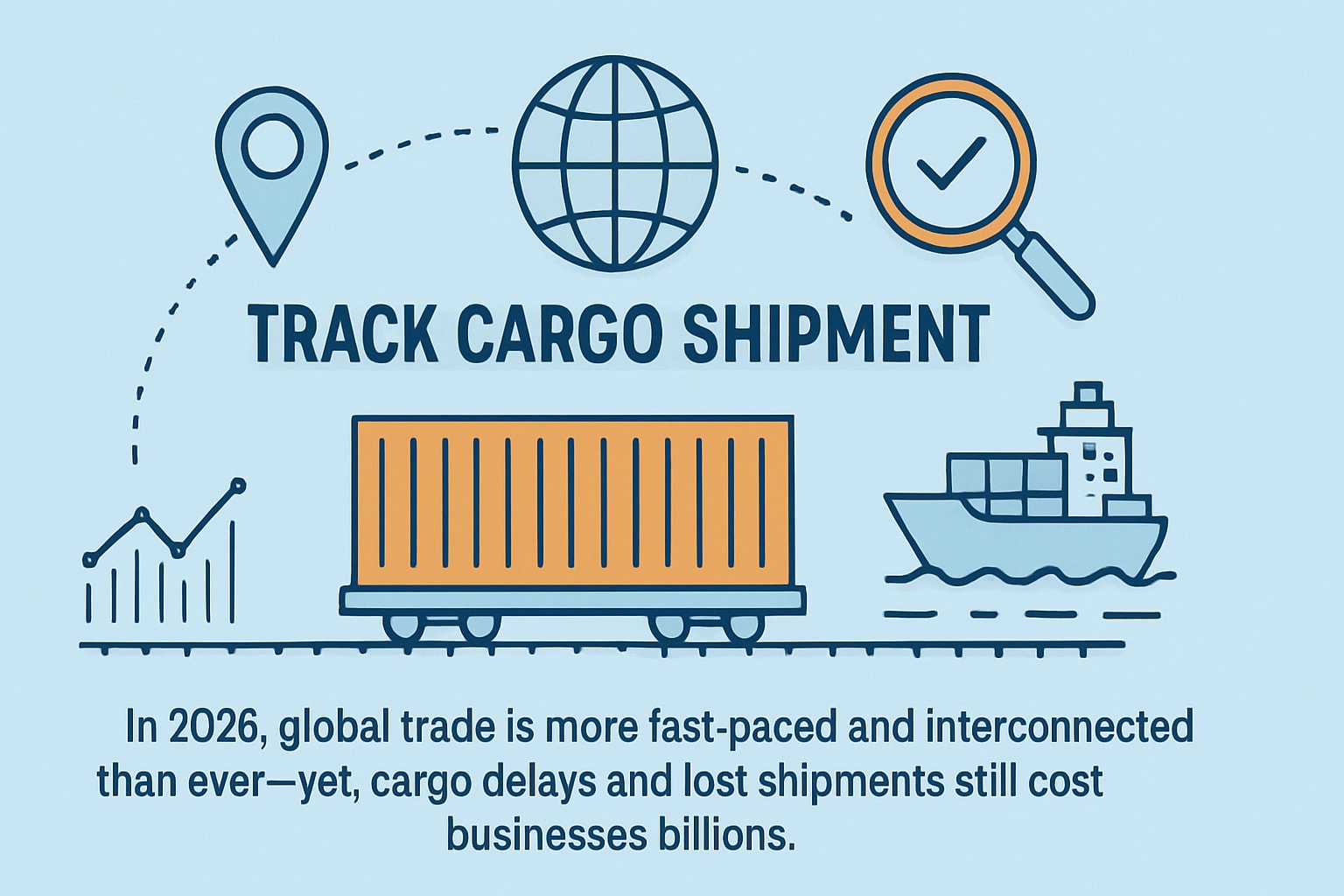
In 2026, global trade moves faster than ever, yet businesses still face costly setbacks when cargo goes missing or arrives late. The uncertainty can disrupt operations and erode customer trust.
Today, breakthroughs in how you track cargo shipment bring real-time GPS, AI-powered dashboards, and instant alerts into your workflow. These tools give shippers, freight forwarders, and customers more control and visibility than ever before.
This guide will walk you step by step through the essentials of tracking in 2026. You will learn about the latest technology, practical processes, key decisions, and proven strategies for success.
Let’s get started on your journey to seamless cargo tracking.
Cargo shipment tracking has become a vital component of modern logistics, providing the transparency and efficiency needed to navigate global supply chains. As we move into 2026, the ability to track cargo shipment is more sophisticated and essential than ever. This section explores what tracking means, why it matters, who is involved, and the challenges that businesses face.

To track cargo shipment means monitoring goods as they move from origin to destination, using digital tools to capture their location, status, and condition. Tracking sits at the heart of global supply chains, linking shippers, carriers, and customers through shared data.
Tracking methods differ by mode: sea freight relies on container tracking and port milestones, air freight uses airway bills and flight data, while road and rail shipments are monitored via GPS and telematics. Over the years, manual paperwork and phone calls have given way to digital dashboards and automated alerts.
The shift to real-time data has transformed logistics efficiency, enabling businesses to react faster to disruptions and keep customers informed at every step.
When companies track cargo shipment, they unlock significant operational and strategic value. The main benefits include:
By making reliable information available to all stakeholders, real-time tracking fosters trust and drives better decision-making.
The need to track cargo shipment varies with the type and mode of transport. Full container load (FCL) shipments require end-to-end container monitoring, while less-than-container load (LCL) involves consolidation and more complex tracking.
Air, sea, rail, and road shipments each present unique challenges. Air cargo, for example, is time-sensitive and demands precise real-time updates. Sea freight often involves long transit times and port handovers. Special cargo such as pharmaceuticals, hazardous materials, or high-value electronics requires temperature, humidity, and security monitoring.
Industries like pharmaceuticals and automotive have strict requirements for traceability and chain of custody. For a deeper look at air freight processes and specific tracking needs, see Air Freight Cargo Shipping Explained.
Successful attempts to track cargo shipment depend on seamless collaboration among multiple parties:
Effective data sharing and communication among these stakeholders are critical for maintaining cargo visibility and preventing disruptions.
Despite advances, companies still face significant challenges as they track cargo shipment:
According to industry reports, up to 40% of logistics firms cite lack of end-to-end visibility as a top concern. Overcoming these challenges remains a priority for supply chain leaders.
Staying ahead in global logistics means using the most advanced tools to track cargo shipment efficiently. In 2026, technology transforms how shippers, carriers, and customers achieve visibility and control throughout the supply chain.

Modern logistics relies on real-time GPS and IoT sensors to track cargo shipment from origin to destination. GPS devices pinpoint location, while IoT sensors monitor conditions such as temperature, humidity, and shock.
For temperature-sensitive goods like pharmaceuticals, these sensors provide live alerts if a threshold is breached. This proactive monitoring prevents spoilage and ensures compliance with strict regulations.
The integration of these technologies delivers end-to-end visibility. Shippers and freight forwarders can act quickly if issues arise, minimising risk and delays.
To see how these innovations speed up cargo journeys and improve reliability, explore Fast Cargo Shipping and Visibility.
Blockchain technology is revolutionising the way organisations track cargo shipment securely. By creating an immutable digital ledger, blockchain ensures every transaction and document is verified and tamper-proof.
This is especially valuable for authenticating documents and maintaining a transparent chain of custody. Platforms like Maersk and IBM’s TradeLens have demonstrated how blockchain reduces fraud and manual errors.
When all parties rely on a shared, trustworthy record, disputes are minimised. This transparency builds confidence between shippers, carriers, and customers, making the tracking process more robust.
Artificial intelligence is transforming how companies track cargo shipment by analysing massive data sets in real time. AI-driven route optimisation suggests the fastest, most efficient paths, adjusting dynamically to traffic or weather changes.
Predictive analytics estimate accurate ETAs and flag anomalies, such as unexpected stops or delays. In port operations, AI predicts congestion levels, helping carriers avoid bottlenecks and keep shipments on schedule.
Machine learning also enables predictive maintenance for equipment, reducing downtime. With these tools, logistics teams can anticipate and solve issues before they impact the supply chain.
Integration platforms and APIs have become essential for businesses that track cargo shipment across multiple carriers, modes, and regions. APIs connect disparate systems, aggregating data from ports, terminals, and carriers into a single view.
Digital control towers offer a unified dashboard, allowing users to monitor every shipment in real time. This centralisation eliminates data silos and reduces manual entry errors.
Freight forwarders benefit from seamless data sharing, while shippers get a clear overview of all movements. The result is greater transparency and faster decision-making throughout the logistics process.
The ability to track cargo shipment anytime, anywhere is now standard thanks to mobile and cloud-based solutions. Mobile apps provide instant access to live updates, notifications, and shipment milestones.
Cloud platforms ensure 24/7 availability and scalability, allowing teams to manage high shipment volumes without downtime. By 2026, over 80 percent of logistics firms use cloud-based tracking for flexibility and resilience.
These tools empower stakeholders to respond quickly to changes, improving customer satisfaction and supply chain agility.
Protecting sensitive data is crucial when you track cargo shipment in a digital world. Encryption, multi-factor authentication, and strict access controls safeguard tracking platforms from cyber threats.
Compliance with GDPR and other global regulations is standard, ensuring customer and business data remain private and secure. Regular audits and secure data exchange protocols further reduce the risk of breaches.
With robust security, shippers and customers can trust that their tracking information is safe, supporting reliable and compliant logistics operations.
Tracking cargo in 2026 is more advanced, but the basics remain essential. Whether you are a shipper, freight forwarder, or customer, knowing how to track cargo shipment efficiently can save time, money, and stress. This step-by-step guide breaks down the process, highlighting best practices and the latest tools you need to succeed.
To begin, you must obtain the unique reference needed to track cargo shipment. This number is commonly found on shipping documents, confirmation emails from your carrier, or digital booking receipts.
There are several types of tracking references:
| Reference Type | Mode | Typical Use |
|---|---|---|
| AWB (Air Waybill) | Air Freight | Air cargo shipments |
| B/L (Bill of Lading) | Sea Freight | Full or less-than-container loads |
| Tracking ID | All Modes | Online platform or carrier-specific |
Always double-check the reference for accuracy before entering it into any system. An incorrect number can lead to wasted time and missed updates.
Selecting an appropriate platform is crucial to track cargo shipment effectively. You can use a carrier's official website, third-party logistics platforms, or integrated control towers for multi-modal visibility.
Consider these criteria when choosing a platform:
For a comprehensive overview of how to book and track shipments across various platforms, see How to Book and Track Shipments.
Compare major carrier portals with multi-carrier solutions to find the best match for your business requirements. Some platforms offer dashboards that consolidate all your cargo activity in one place.
Once you have chosen your platform, enter the tracking reference to begin monitoring. Most systems will prompt you to input the tracking number, select shipment type, and sometimes provide additional details like destination or consignee name.
The tracking dashboard typically displays key data:
Choose platforms that offer real-time updates, not just periodic snapshots. This ensures you always have the latest information at your fingertips when you track cargo shipment.
Understanding status codes is essential to accurately track cargo shipment. Common statuses include:
Each mode of transport (air, sea, road) has unique milestones. If a status is unclear or seems delayed, consult the tracking platform's help resources or contact your carrier for clarification.
Modern tracking platforms let you customise notifications for key events. When you track cargo shipment, set up alerts for:
Notifications can be sent via email, SMS, or in-app pop-ups. This ensures all stakeholders are informed instantly, reducing the risk of surprises. For critical shipments, configure automated alerts to trigger escalation procedures if issues arise.
If you detect anomalies or gaps while you track cargo shipment, take prompt action. First, verify the tracking reference and check for recent updates. If problems persist:
Proactive troubleshooting ensures issues are addressed before they escalate, minimising potential losses.
Advanced platforms do more than just track cargo shipment in real time. They also provide analytics and reporting tools to help you review performance, identify bottlenecks, and optimise processes.
Key metrics to monitor include:
Use monthly or quarterly reports to spot trends and make data-driven improvements. This empowers your business to stay competitive in a rapidly evolving logistics landscape.
CharterSync offers a future-ready platform to track cargo shipment by air with remarkable precision. Their system integrates AI-powered tools and human expertise, enabling freight forwarders to access global aircraft availability instantly.

Through a single dashboard, users receive real-time status updates, manage documentation, and benefit from smart aircraft matching. Transparent quoting and automated processes streamline both booking and tracking.
Industries such as automotive and pharmaceuticals rely on CharterSync for urgent, high-value shipments, gaining end-to-end visibility and rapid response. Their commitment to reliability and transparency effectively addresses the most pressing challenges in air cargo tracking for 2026.
Selecting the right solution to track cargo shipment in 2026 is crucial for efficient and reliable logistics. With a vast array of tracking platforms and technologies on the market, making an informed decision requires a clear understanding of your business needs, shipment types, and industry requirements.

To effectively track cargo shipment, prioritise solutions offering real-time accuracy, frequent update intervals, and broad coverage across multiple transport modes. Look for platforms that integrate seamlessly with your ERP, TMS, or WMS, ensuring all shipment data is centralised and accessible.
Key features include:
Evaluate whether the platform provides analytics for actionable insights. A robust solution helps you track cargo shipment proactively and respond swiftly to disruptions, giving you confidence in supply chain performance.
When choosing a provider to track cargo shipment, due diligence is essential. Ask about data security measures, including encryption and compliance with regulations like GDPR. Inquire about service support, with attention to response times and escalation processes.
Essential questions include:
By asking these questions, you ensure the platform is reliable and fits your specific needs to track cargo shipment effectively.
It is important to balance cost and value when you track cargo shipment. Pricing models may include subscriptions, per-shipment fees, or freemium tiers. Consider not just the upfront expense, but the long-term savings from reduced delays, fewer lost shipments, and improved supply chain efficiency.
| Model | Cost Structure | Potential Savings |
|---|---|---|
| Subscription | Fixed monthly | Predictable budget |
| Per-shipment | Pay-as-you-go | Scalable for volume |
| Freemium | Basic free tier | Upgrade as you grow |
Many companies see up to 15 percent reduction in logistics costs with advanced tracking. Assess the ROI by measuring decreased disruptions and better resource allocation as you track cargo shipment.
Different sectors require tailored approaches to track cargo shipment. Pharmaceuticals need temperature and chain-of-custody tracking, while automotive firms prioritise just-in-time delivery and part traceability. E-commerce businesses benefit from last-mile visibility and real-time customer notifications.
For temperature-sensitive goods, explore Temperature-Controlled Freight Tracking solutions that ensure compliance and protect sensitive shipments. The right tools provide industry-specific visibility, helping you meet regulatory requirements and customer expectations.
As your business grows, your ability to track cargo shipment must scale accordingly. Seek solutions with open APIs and compatibility with existing platforms. This allows seamless connection across supply chain partners and data sources.
Scalable solutions adapt to new trade routes, increased volumes, and evolving logistics needs. Future-proof your investment by choosing platforms that support both current operations and anticipated expansion. Integration ensures tracking remains centralised, accurate, and accessible as your network evolves.
Modern efforts to track cargo shipment have come a long way, but the landscape in 2026 remains complex. Despite digital advances, shippers and logistics professionals still face persistent obstacles. Addressing these pitfalls is crucial for efficient, reliable operations.
One of the most common barriers when you track cargo shipment is fragmented data across multiple, unconnected platforms. Information often resides in separate systems used by carriers, ports, or third-party providers. This fragmentation leads to manual data entry, increased errors, and a lack of unified oversight.
Unified tracking platforms and robust API integrations are essential to bridge these silos. By centralising data, shippers gain real-time insights and reduce administrative burden. According to the Trailer and Cargo Container Tracking Report 2025, the rapid adoption of advanced tracking devices is driving greater system integration, but seamless connectivity remains a work in progress.
Maintaining end-to-end visibility is vital when you track cargo shipment, yet gaps can occur at various points. Remote locations, carrier handovers, and technical failures can all cause temporary blind spots. These lapses hinder proactive decision-making and can increase the risk of lost or delayed shipments.
Solutions include deploying satellite tracking, expanding IoT sensor coverage, and planning for redundancy in critical routes. Industry reports show that 30% of lost shipments are attributed to handover gaps. Investing in resilient infrastructure and standardising data exchange are key strategies for overcoming these hurdles.
As companies track cargo shipment using digital platforms, cybersecurity and data privacy become paramount. Risks such as hacking, data breaches, and unauthorised access can compromise sensitive shipment information and disrupt supply chains.
Mitigating these risks requires a multi-layered approach:
Compliance with regulations like GDPR and CCPA is also essential. Adopting secure protocols and strong authentication measures helps maintain trust and regulatory alignment.
Even with the best technology, human error can undermine efforts to track cargo shipment. Incorrect data entry or missed status updates introduce delays and confusion. Manual interventions are prone to oversight, especially in high-pressure environments.
Automation, comprehensive staff training, and validation checks are effective solutions. For example, automated alerts and workflow tools have been shown to reduce manual oversight errors by 40%. Embedding these practices into daily logistics routines enhances overall reliability and accuracy.
The future of how we track cargo shipment is evolving at an unprecedented pace. Innovations in artificial intelligence, data standards, sustainability, and automation are redefining what shippers and customers can expect from logistics visibility. Let us examine the top trends set to shape the way you track cargo shipment in 2026 and beyond.
Artificial intelligence is transforming how we track cargo shipment by offering advanced forecasting and decision-making tools. AI-driven platforms now analyse real-time data from vessels, trucks, and ports to predict estimated times of arrival with remarkable precision. These systems can automatically reroute shipments in response to weather, congestion, or geopolitical events, minimising delays.
For instance, predictive analytics have helped many logistics firms reduce delivery delays by up to 20%. The integration of AI with smart container technology, as highlighted in the Smart Container Market Growth Report 2026-2034, is expected to further streamline the process as adoption rises globally.
Universal data standards are essential for seamless track cargo shipment processes across multiple carriers and modes. In 2026, major industry bodies like DCSA and IATA are pushing for standardised APIs, making it easier to connect different tracking systems.
This interoperability means all stakeholders—from shippers to consignees—can access consistent, real-time information. Adoption of common protocols is driving greater transparency and efficiency, ensuring you can track cargo shipment from origin to destination without data silos or missed updates.
A summary of benefits:
| Benefit | Description |
|---|---|
| Seamless tracking | Single view across all carriers |
| Faster problem resolution | Unified data for quick decisions |
| Fewer errors | Less manual entry, more accuracy |
Green logistics is no longer a buzzword. Tracking solutions now support eco-friendly shipping by monitoring emissions and optimising routes for lower fuel consumption. Businesses can track cargo shipment carbon footprints, helping them meet strict ESG goals and regulatory requirements.
Leading operators are adapting to sustainability and digitalisation trends, as analysed in the Evaluating Competitiveness of Container Shipping Operators. By using advanced data and reporting tools, companies can make informed choices, reduce environmental impact, and enhance their competitiveness.
Customers now expect to track cargo shipment in real time with personalised notifications and self-service portals. Modern platforms are designed for both B2B and B2C users, offering transparency at every step.
A 2025 survey found that 75% of customers see real-time tracking as a standard service. Enhanced interfaces, mobile access, and proactive alerts empower users to respond quickly to issues, improving satisfaction and trust throughout the supply chain.
Autonomous vehicles and drones are becoming a reality for last-mile and long-haul shipments. Tracking technology is adapting to monitor the movement of these assets, providing live updates on location and status.
For example, real-time dashboards now display drone delivery progress, giving operators and customers the ability to track cargo shipment from take-off to drop-off. As automation expands, expect further integration of these systems into mainstream logistics networks.
Now that you have a clear understanding of how cargo tracking is evolving in 2026, you can see the impact that real time updates and seamless automation can have on your business. If you want reliable visibility, quick bookings, and expert support all in one place, CharterSync’s platform is designed for you. Their blend of smart technology and human expertise helps you stay ahead of shipment challenges, no matter your industry. If you’re ready to transform how you manage air cargo, I recommend you request a demo and experience the difference for yourself.

.png)