.png)
In 2026, the race for faster, more reliable cargo deliveries has never been fiercer. Customers demand swift, accurate shipments, and businesses must keep pace or risk falling behind.
Innovations like automation and digital tracking are dramatically changing the landscape. Fast cargo shipping is now shaped by new technologies and smarter logistics at every stage.
This guide will walk you through the latest trends, step-by-step optimisation methods, and practical tools for streamlining your operations. You will discover how to choose the right partners, ensure compliance, and stay ahead of the competition.
Ready to transform your shipping approach? Dive in and put these proven strategies to work for your business.
In 2026, the world of fast cargo shipping is shaped by rapid technological advancements, shifting customer demands, and global economic changes. The landscape is more dynamic than ever, requiring businesses to stay agile and informed about the factors driving speed and efficiency. Let us break down the trends and challenges defining this crucial sector.
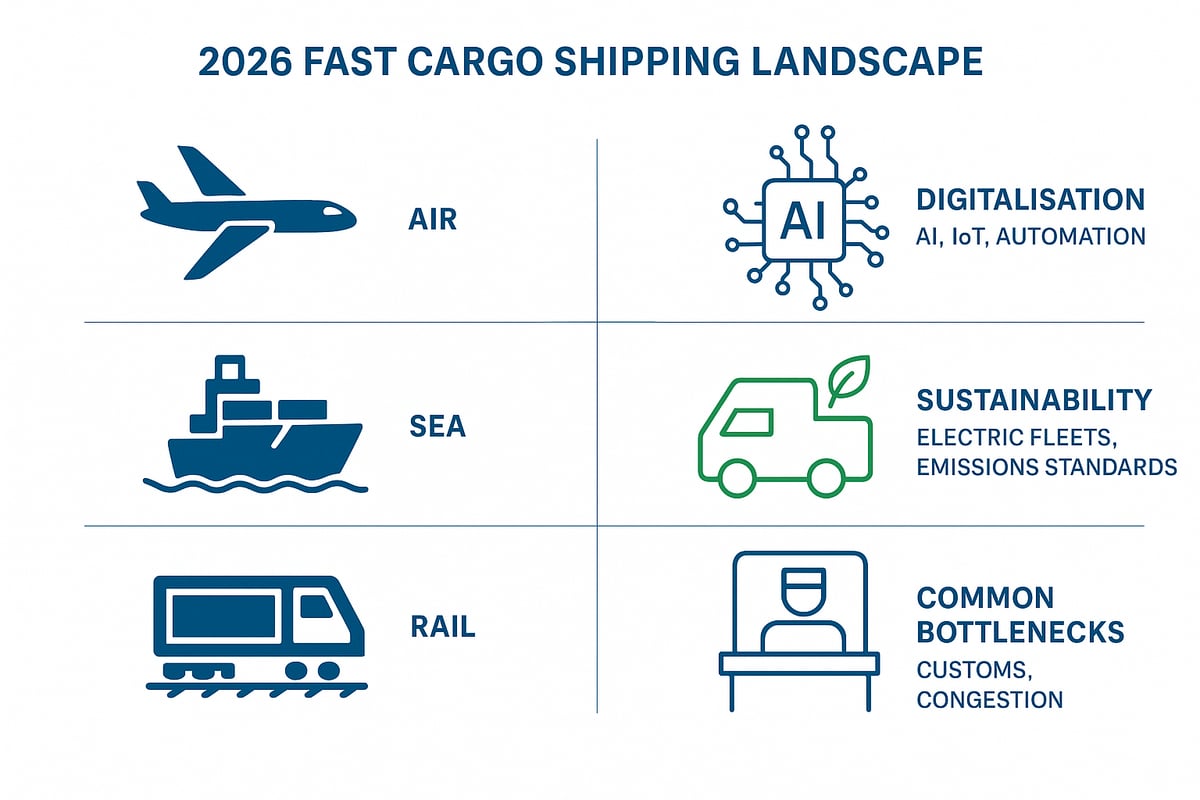
The primary force behind fast cargo shipping is the rise of e-commerce and the prevalence of just-in-time supply chains. Businesses now compete in an environment where customers expect 24 to 48-hour delivery windows as the norm. This expectation is not limited to consumers; 72% of B2B buyers also demand faster deliveries, according to Statista in 2025.
Global trade is expanding, with new free trade agreements and emerging routes connecting more markets. As trade barriers fall, companies must adapt to shorter lead times and higher shipment frequencies. This shift is making fast cargo shipping a critical differentiator for brands aiming to stay ahead in the global marketplace.
Shipping modes are evolving rapidly, each offering unique trade-offs in speed, cost, and reliability. Air freight remains the fastest option, ideal for high-value or time-sensitive goods, while sea, rail, and road provide scalable solutions for different cargo profiles. The integration of intermodal and multimodal options allows businesses to combine the strengths of each mode for optimal results.
Recent statistics highlight this evolution. Air freight volume is projected to grow by 5% annually, as reported by IATA in 2025. For a deeper look at these projections and how they impact fast cargo shipping, see the air cargo growth projections. This growth is not just about volume but also about smarter, more efficient routing and scheduling.
Digitalisation is transforming fast cargo shipping from the ground up. AI-driven logistics platforms automate route planning, inventory management, and demand forecasting, reducing manual intervention and human error. Automated warehouses, powered by robotics and IoT sensors, streamline picking, sorting, and loading, greatly accelerating operations.
Real-time cargo tracking is now standard, offering predictive estimated times of arrival and live updates for both shippers and customers. Innovations like blockchain deliver transparent, tamper-proof records, ensuring every step of the journey is verified and efficient. These advances make fast cargo shipping more reliable and responsive to market demands.
Sustainability is now central to fast cargo shipping strategies. Stricter emissions standards are influencing how companies select routes and carriers. The industry is shifting towards green logistics, balancing the need for speed with environmental responsibility. Electric and hybrid fleets are increasingly common in last-mile delivery, helping reduce carbon footprints without compromising delivery times.
Regulatory changes, such as mandates for alternative fuels and digital documentation, are also shaping operational decisions. Companies adopting sustainable practices are not only meeting compliance requirements but also appealing to environmentally conscious customers who value fast cargo shipping that does not harm the planet.
Despite advancements, fast cargo shipping faces persistent challenges. Customs delays remain a top issue, with 60% of late shipments linked to bottlenecks at borders, according to DHL in 2024. Port congestion, capacity shortages, and labour constraints frequently disrupt schedules, especially during peak seasons or in response to geopolitical tensions.
Businesses must also navigate unpredictable events like strikes, extreme weather, or sudden regulatory changes. Proactive risk management and investment in resilient supply chains are essential for maintaining the speed and reliability that define fast cargo shipping. By understanding these challenges, companies can better anticipate disruptions and plan accordingly.
Achieving fast cargo shipping in 2026 requires a systematic approach. By breaking down your delivery process and applying targeted improvements at every stage, you can reduce delays, cut costs, and stay ahead of competitors. Let us walk through the essential steps to streamline your shipments for optimal speed and efficiency.
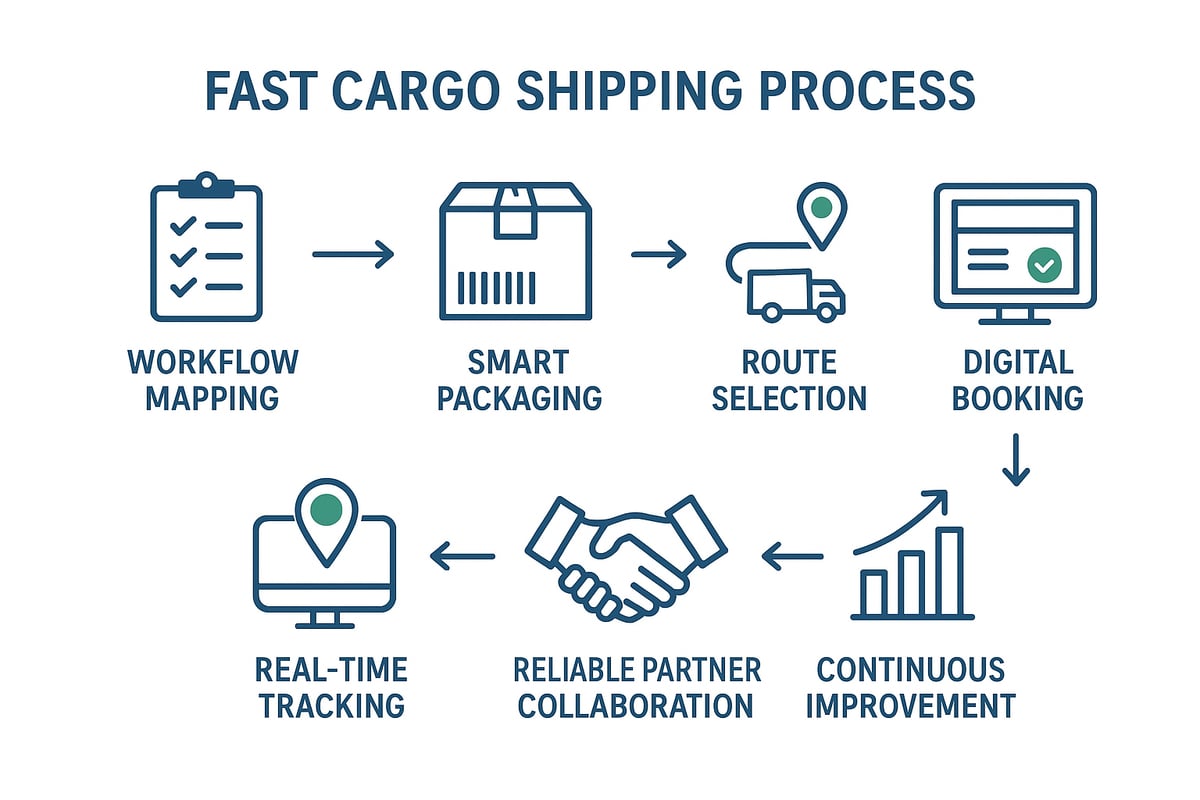
Begin your journey to fast cargo shipping by mapping every step from order placement to final delivery. Document each handoff, manual process, and system interaction. This visibility allows you to pinpoint slow touchpoints, redundant steps, and bottlenecks.
Leverage process mapping software for a detailed overview. Involve frontline staff to uncover hidden inefficiencies that might not be obvious from a high level. By understanding your current state, you establish a baseline for improvement and can set realistic targets for speed enhancements.
Efficient packaging is the backbone of fast cargo shipping. Standardised and smart packaging reduces handling time and minimises errors. Integrate barcodes or RFID tags for automated identification, allowing for quicker scanning and tracking.
Automated dimensioning systems can significantly reduce sorting time. For practical insights, explore optimising cargo packing for speed to unlock methods that accelerate your packing processes and support rapid throughput.
Selecting the right shipping mode is crucial for fast cargo shipping. Analyse your cargo type, value, and urgency to determine whether air, sea, road, or rail offers the best balance of speed and cost.
For time-sensitive goods, air freight or express lanes may be the best option. Evaluate direct flights, dedicated vehicles, and priority handling. Regularly review available routes and carriers to exploit new trade corridors and minimise transit times.
Manual paperwork and booking processes can slow down even the most efficient operations. Embrace digital platforms that offer instant booking, automated document generation, and seamless integration with carriers and customs authorities.
Electronic Data Interchange (EDI) and API connections streamline information exchange, reducing errors and delays. Automation is a cornerstone of fast cargo shipping, freeing up staff to focus on exceptions and value-added activities.
Customers and stakeholders now expect complete transparency in fast cargo shipping. Deploy IoT-enabled sensors for live updates on location, condition, and estimated arrival times.
Offer customer-facing tracking portals to reduce queries and enhance satisfaction. Predictive notifications can proactively alert clients to changes or disruptions, ensuring you maintain trust and deliver on your promises.
Your network of logistics partners directly impacts your ability to deliver fast cargo shipping. Rigorously vet carriers and providers based on performance, reliability, and their capacity to handle urgent or complex shipments.
Set clear Service Level Agreements (SLAs) and monitor adherence. Choose partners who offer robust support, flexibility during disruptions, and innovative solutions that align with your business needs.
To sustain fast cargo shipping, ongoing measurement is vital. Track key performance indicators such as on-time delivery rate, average transit time, and exception rate.
Use analytics dashboards to identify trends and areas for improvement. Schedule quarterly reviews to assess technology adoption, partner performance, and evolving customer demands. Continuous optimisation ensures your delivery process remains agile and future-ready.
Technology is revolutionising fast cargo shipping, turning what was once a slow-moving sector into a dynamic, efficient ecosystem. Businesses now rely on digital tools to automate processes, optimise routes, and provide real-time visibility. These advancements are not just optional upgrades; they are essential for meeting the demands of a global market that expects speed, transparency, and reliability.
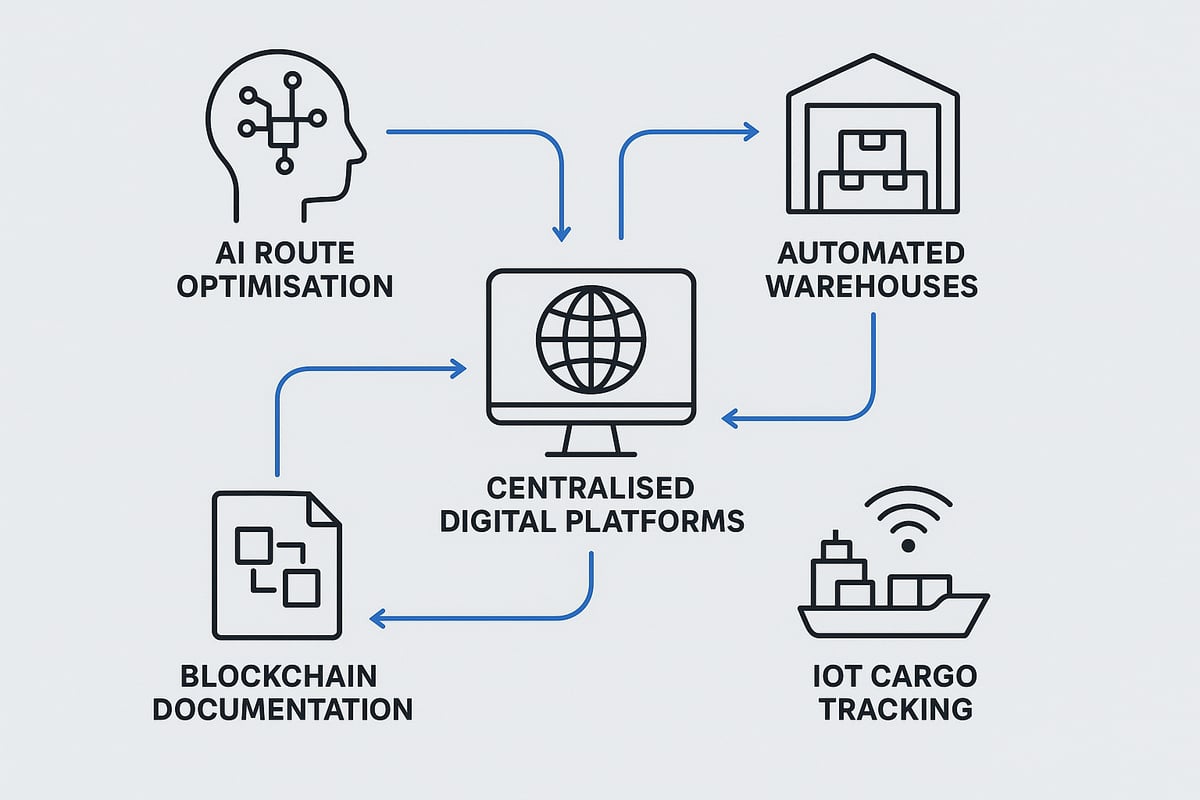
AI and automation are the backbone of modern fast cargo shipping. AI-powered route optimisation tools drastically cut planning times, enabling logistics teams to adapt instantly to traffic, weather, or capacity constraints. Automated sorting and loading systems in warehouses ensure parcels are processed with speed and precision.
For example, AI can reduce route planning from hours to just minutes, allowing for faster decision-making and increased throughput. Many freight forwarders now use platforms featuring these technologies. To understand how tech is transforming air freight, read about the Air cargo charter technology trends.
This integration of automation and AI ensures that fast cargo shipping meets rising customer expectations for efficiency and reliability.
Real-time data collection is at the heart of fast cargo shipping. By constantly monitoring shipments, companies can predict demand spikes, adjust capacity, and prevent bottlenecks before they occur.
Predictive analytics, powered by big data, enables more accurate demand forecasting and capacity planning. For instance, predictive maintenance alerts help avoid unplanned vehicle breakdowns, cutting delays by 25 percent according to McKinsey. With these tools, logistics teams can ensure that fast cargo shipping remains smooth, even during peak seasons or unexpected disruptions.
Blockchain technology is emerging as a game-changer for fast cargo shipping, especially when it comes to documentation and payments. Smart contracts automate transactions, reducing paperwork errors and processing times.
By creating tamper-proof records, blockchain not only builds trust but also speeds up customs clearance. For example, some companies have seen customs processing times drop by 50 percent after implementing blockchain solutions. This level of transparency is crucial for businesses that depend on fast cargo shipping to maintain competitive advantage.
The Internet of Things is transforming fast cargo shipping by connecting shipments, vehicles, and infrastructure in real time. Sensors track temperature, humidity, and shock, ensuring sensitive goods arrive in perfect condition.
Automated alerts notify teams of any exceptions, such as delays or environmental risks. For perishable shipments, IoT has prevented spoilage in 90 percent of cases. This level of oversight makes fast cargo shipping more reliable, reducing costly errors and improving customer satisfaction.
Digital platforms centralise every aspect of fast cargo shipping, from booking to tracking and performance analytics. These integrated dashboards connect with ERP and TMS systems, eliminating the need for manual emails and calls.
End-to-end marketplace solutions streamline communication between shippers, carriers, and customers. By reducing manual interventions, these platforms save time, cut costs, and ensure that fast cargo shipping operations run smoothly. Companies leveraging digital tools are better positioned to adapt quickly and maintain high service standards in a rapidly evolving landscape.
Selecting the right partners and solutions is fundamental to achieving fast cargo shipping in today's competitive landscape. The choices you make directly impact delivery speed, reliability, and customer satisfaction. With new technologies and specialised providers emerging, understanding how to evaluate and collaborate with the best in the market is essential for your business success.
When aiming for fast cargo shipping, carrier selection should be data-driven. Assess each carrier's on-time delivery rates, network coverage, and available capacity. Transparent service records and claims ratios are crucial for reducing risk.
Consider using a comparison table:
| Carrier | On-Time Rate | Claims Ratio | Coverage | Speed Tier |
|---|---|---|---|---|
| Alpha | 98% | 0.5% | Global | Express |
| Beta | 95% | 1.2% | Europe | Standard |
Review operational transparency and responsiveness. Reliable carriers provide digital tracking and proactive updates, ensuring your fast cargo shipping goals are consistently met.
Specialised providers play a vital role in fast cargo shipping, especially for industries like automotive and pharmaceuticals. Express and dedicated charter services can cut delivery times by 30 percent compared to standard carriers.
Sectors with strict timelines often rely on next flight out (NFO) and onboard courier (OBC) solutions. For example, Next flight out solutions are indispensable when every minute counts, offering rapid response and global reach.
By leveraging these tailored options, you ensure that time-sensitive shipments arrive safely and punctually.
CharterSync stands out in the fast cargo shipping sector with its AI-powered platform. The system instantly matches urgent shipments with suitable aircraft, providing real-time quotes and transparent pricing.
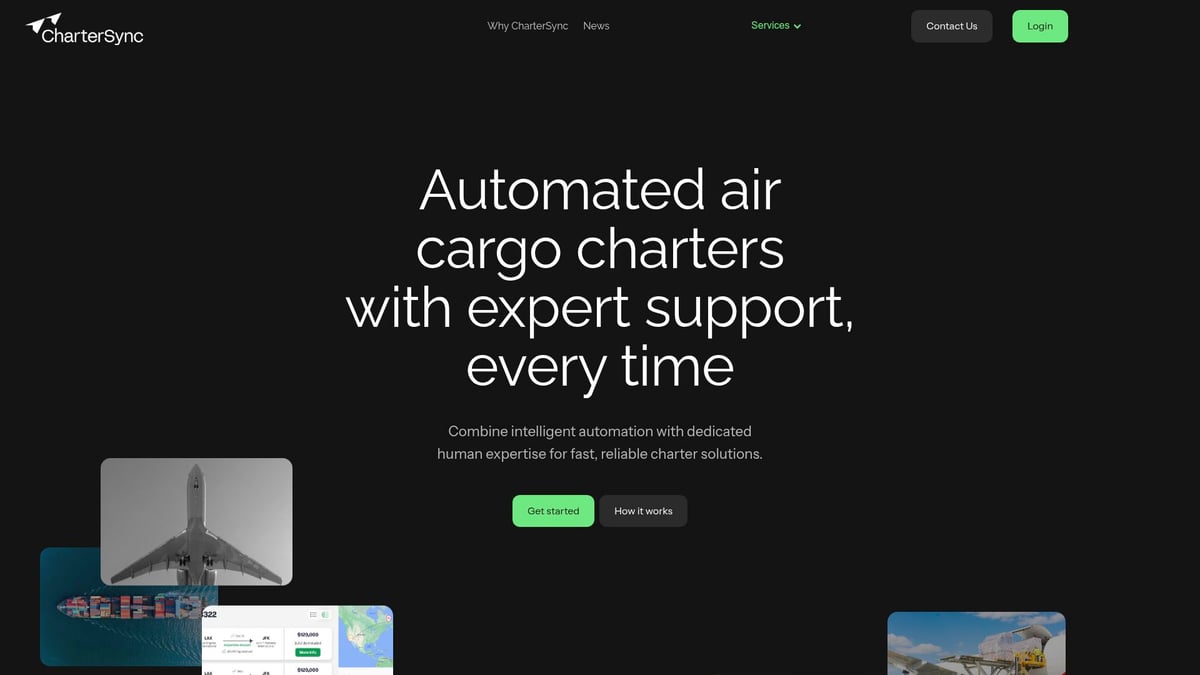
The combination of automation and expert human support ensures seamless handling of complex or high-value cargo. Freight forwarders benefit from instant booking, live shipment visibility, and efficient problem-solving.
Case studies show CharterSync's impact in reducing lead times for high-tech and pharmaceutical goods, making it a trusted partner for fast cargo shipping.
Digital-first logistics partners are reshaping fast cargo shipping by offering speed, transparency, and automation. Unlike traditional forwarders, digital platforms provide instant booking, end-to-end tracking, and integration with ERP or TMS systems.
Automated booking and tracking platforms eliminate manual emails and calls, cutting processing times significantly. Businesses gain better visibility and control, which is vital for staying competitive in fast cargo shipping.
Choosing a digital-forwarder can streamline your workflow and improve customer satisfaction.
Long-term relationships with trusted partners are key to maintaining agility in fast cargo shipping. Open communication and shared problem-solving foster resilience during disruptions.
Develop contingency plans together to handle unexpected challenges such as peak season surges or supply chain interruptions. Strategic alliances can also secure priority access to capacity when demand spikes.
By investing in partnership quality, you ensure your fast cargo shipping operations remain robust and adaptable in any market condition.
Ensuring compliance, security, and robust risk management is fundamental for any business aiming for fast cargo shipping in 2026. As regulations evolve and customer demands intensify, companies must navigate complex requirements while maintaining speed and reliability. This section breaks down actionable strategies to help you stay ahead, protect your cargo, and streamline your supply chain.
International regulations in 2026 are rapidly shifting towards digital customs, electronic documentation, and green shipping mandates. For businesses focused on fast cargo shipping, staying compliant is a moving target. Customs pre-clearance, AEO certification, and up-to-date digital paperwork are now essential for avoiding border delays.
Leveraging air cargo intelligence and analytics can further streamline customs clearance and compliance. For example, platforms offering Benefits of air cargo intelligence enable real-time data sharing, reducing errors and facilitating faster regulatory checks.
Key strategies include:
By embedding compliance into your fast cargo shipping processes, you minimise risks and maintain uninterrupted operations.
Cargo security is non-negotiable in fast cargo shipping. High-value or sensitive shipments require advanced protection against theft, tampering, and loss. Modern best practices include smart seals, GPS tracking, and secure, vetted carriers.
Insurance is equally vital. There are several types of cover to consider:
Insured shipments in fast cargo shipping experience significantly fewer losses, with industry data showing a 60% reduction in claims. Prioritising both security and insurance gives you peace of mind and safeguards your reputation.
Expedited shipping brings a unique set of risks, from weather disruptions to strikes and cyber threats. Companies relying on fast cargo shipping must proactively identify and mitigate these vulnerabilities.
Key risk management strategies include:
Using predictive analytics and scenario planning, businesses can quickly adjust to unforeseen events. This flexibility is essential for delivering on the promise of fast cargo shipping, even when facing unexpected challenges.
Achieving the optimal balance between speed, cost, and compliance is the hallmark of successful fast cargo shipping. Express services can reduce transit times but may increase costs and regulatory exposure. Conducting a thorough cost-benefit analysis helps determine when to invest in premium options.
Sustainability is also a growing compliance factor. Regulatory agencies now require lower emissions and greener practices. Businesses can learn more about the Decarbonization of shipping to ensure their shipping strategy aligns with new mandates without sacrificing speed.
Pharmaceutical and high-tech supply chains provide good examples, as they must meet strict compliance standards while delivering urgently. By staying agile and informed, companies can consistently achieve fast cargo shipping without compromising regulatory or financial objectives.
The landscape of fast cargo shipping is on the cusp of dramatic transformation. Industry leaders are investing in next-generation technologies and bold new strategies to meet the evolving demands of global trade. Here is what to expect as we look beyond 2026.
Autonomous vehicles and drones are set to revolutionise fast cargo shipping. Self-driving lorries and ships are already undergoing large-scale trials, with several logistics companies piloting cross-border autonomous freight. Drones, meanwhile, are tackling the last-mile challenge, especially in rural or hard-to-reach areas.
For example, pilot projects have demonstrated that drones can slash rural delivery times by up to 60 percent compared to traditional road transport. As regulations evolve and safety improves, expect these technologies to become mainstream, boosting efficiency and reliability in fast cargo shipping.
Hyperloop technology is poised to redefine ground transport for fast cargo shipping, promising ultra-rapid movement between cities and major logistics hubs. By using vacuum tubes and magnetic levitation, Hyperloop systems can achieve speeds that rival short-haul air freight.
Pilot projects suggest sub-hour intercity deliveries could become a reality within the next decade. Alongside these advances, new trade corridors are emerging, such as increased activity along the Northern Sea Route cargo volumes, offering alternative paths for global shipments. These developments are set to reshape the speed and efficiency of fast cargo shipping.
Sustainability remains a top priority for fast cargo shipping providers. The next wave of innovation focuses on hydrogen-powered aircraft, electric lorries, and the creation of green corridors connecting major ports and cities.
These solutions are designed to meet stricter emissions targets without compromising speed. For instance, some airlines are already trialling carbon-neutral air freight routes, paving the way for scalable, environmentally responsible logistics. As technology matures, fast cargo shipping will increasingly balance rapid delivery with a reduced environmental impact.
Customer expectations for fast cargo shipping are evolving rapidly. Businesses and end-consumers now demand hyper-personalised, on-demand delivery options, with flexible scheduling and real-time updates as standard.
Service models are shifting towards subscription-based and predictive delivery, powered by AI-driven customer portals. These platforms enable users to manage shipments proactively, track cargo, and select preferred delivery times. Meeting these high expectations will be critical for any organisation aiming to excel in fast cargo shipping beyond 2026.
As we’ve explored, staying ahead in 2026 means embracing automation, reliable partnerships, and the smartest digital tools in cargo shipping. If you’re ready to streamline your deliveries, reduce transit times, and bring new efficiency to your operations, why not see how CharterSync’s platform can make a difference for you? You’ll gain instant access to global aircraft, accurate quoting, and the expert support you need—no matter how complex or urgent your shipment. Let’s take your air cargo strategy to the next level together—request a demo and experience the future of fast, reliable shipping first-hand.

.png)