.png)
In 2026, temperature controlled freight is at the heart of global supply chains, responding to unprecedented consumer demands, evolving regulations, and the ongoing impact of climate change.
Businesses that rely on temperature controlled freight face significant challenges, from strict compliance requirements to the real threat of product spoilage. Did you know improper temperature control can lead to millions in losses each year?
This essential guide will empower you with the knowledge to protect your products, meet regulatory standards, and streamline your logistics operations. You will discover the core principles of temperature controlled freight, explore the latest technologies, understand new compliance rules, and learn best practices for every sector. Ready to secure your supply chain and stay ahead in a changing world? Let’s get started.
Temperature controlled freight is the movement of goods that must be kept within strict temperature ranges throughout the supply chain. This category includes ambient, chilled, frozen, and deep-frozen products. Key sectors relying on temperature controlled freight are food, pharmaceuticals, chemicals, and floriculture. For example, vaccines, fresh produce, chocolate, and seafood all require careful handling to maintain quality and safety. The importance of temperature controlled freight continues to grow as market demands rise. For an in-depth look at industry growth and future projections, see the Temperature Controlled Freight Market Analysis 2026. Ensuring the right conditions means longer shelf life and regulatory compliance.

Temperature controlled freight refers to logistics processes designed for goods requiring specific temperature maintenance during transit. This includes ambient (15–25°C), chilled (0–5°C), frozen (–18°C or below), and deep-frozen categories. Industries such as food, pharma, chemicals, and floriculture depend on temperature controlled freight to protect product integrity. For instance, transporting fresh seafood or temperature-sensitive vaccines would be impossible without these systems. The value lies in preventing spoilage and ensuring products reach consumers safely and in optimal condition. Without temperature controlled freight, many supply chains would face significant disruption and loss.
Cold chain logistics is the backbone of temperature controlled freight. It ensures that temperature-sensitive goods are kept within required limits from production to final delivery. Unlike standard logistics, the cold chain involves continuous monitoring, specialised vehicles, and advanced storage facilities. This meticulous process safeguards product quality and customer satisfaction, particularly in sectors such as pharmaceuticals where efficacy is critical. A successful cold chain for pharmaceutical distribution, for example, often includes dedicated packaging, real-time monitoring, and rapid response protocols. Maintaining the cold chain is essential for compliance and for building trust with end users.
Several transport modes support temperature controlled freight. Road transport uses refrigerated lorries and vans, ideal for short to medium distances and flexible routes. Air freight provides rapid movement for urgent or high-value goods, using temperature-controlled aircraft holds. Sea transport relies on reefer containers for bulk shipments over long distances, while rail offers specialised wagons for cost-effective, large-volume transit. Each mode suits different industries and logistical needs. For instance, pharmaceuticals may use air for speed, whereas frozen food often travels by sea. Selecting the right mode is crucial for efficiency and risk management.
Managing temperature controlled freight involves overcoming several challenges. Even slight temperature deviations can cause spoilage, leading to significant financial loss. Equipment failures and human errors, such as incorrect loading or inadequate monitoring, are common risks. Navigating complex regulatory requirements adds another layer of difficulty, and cost pressures remain high due to specialised technology and energy needs. Studies show that up to 20% of perishable shipments suffer spoilage when temperature is not properly monitored. Addressing these challenges requires robust systems, trained staff, and continuous investment in innovation.
Temperature controlled freight is evolving rapidly in 2026, driven by cutting-edge technologies and the demand for flawless product integrity. Across every stage of the cold chain, new solutions are emerging to enhance monitoring, packaging, fleet management, automation, and transparency. Explore how these advancements are shaping the future of temperature controlled freight.
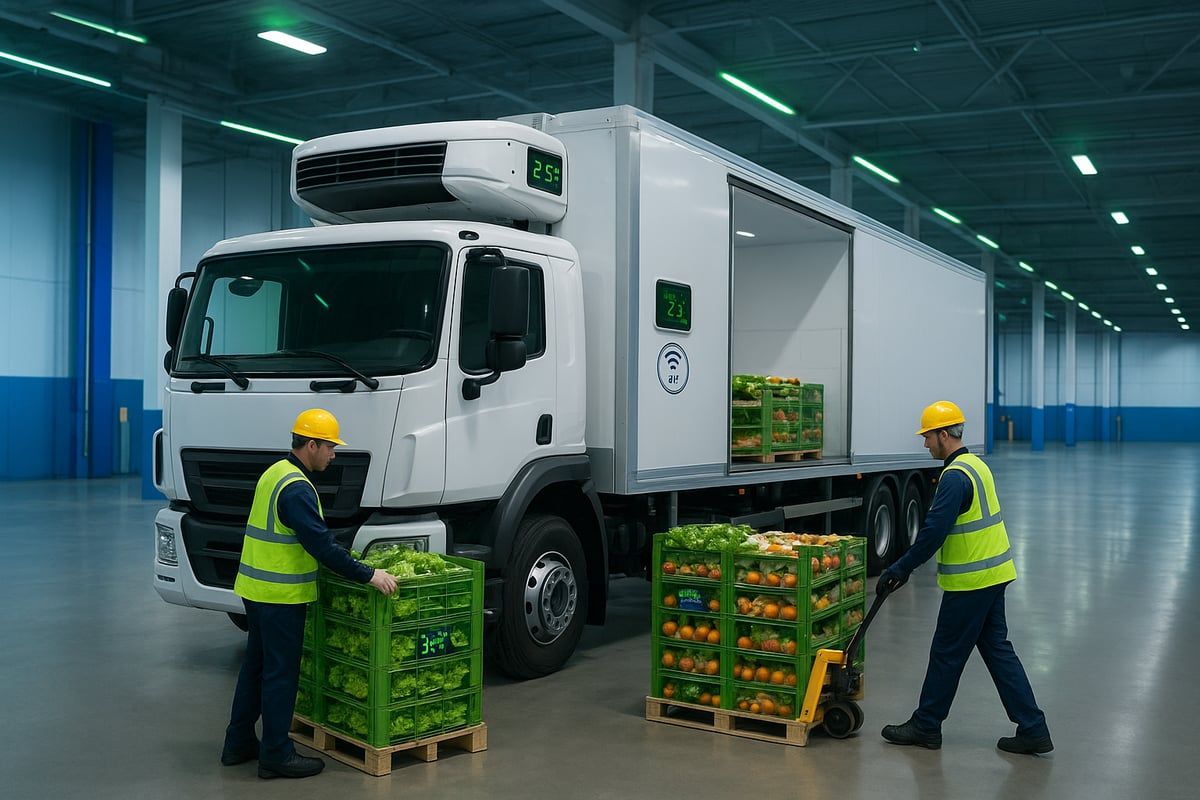
Modern temperature controlled freight relies on real-time temperature monitoring to ensure product safety. IoT sensors and advanced data loggers continuously track cargo conditions, transmitting data to cloud-based platforms for instant visibility. Automated alerts notify operators of any deviation, allowing for rapid corrective action.
Innovations in telematics are transforming how logistics teams manage temperature controlled freight. Solutions like Cold Chain Telematics Innovations 2025 demonstrate how AI-powered monitoring and predictive analytics can reduce spoilage rates. These systems provide robust audit trails and support compliance, making them essential for modern cold chains.
Smart packaging is revolutionising temperature controlled freight by offering enhanced protection and extended shelf life for sensitive goods. Technologies such as phase change materials and thermal blankets help maintain stable temperatures during transit. Both active and passive packaging systems are now integrated with digital tracking for real-time visibility.
For the pharmaceutical sector, advanced packaging ensures medicines and vaccines remain within strict temperature parameters. The result is fewer temperature excursions and improved product integrity. By leveraging smart packaging, businesses can meet stringent regulatory demands and satisfy customer expectations for premium service in temperature controlled freight.
Fleet and equipment upgrades are vital for efficient temperature controlled freight operations. Dual-temperature vehicles and multi-compartment trailers enable the simultaneous transport of goods requiring different temperature ranges. The adoption of autonomous refrigerated trucks, such as those trialled at the Port of Felixstowe, is improving delivery reliability and reducing human error.
New energy-efficient refrigeration units, powered by solar or electric systems, are cutting operational costs and lowering the carbon footprint of temperature controlled freight. These innovations not only support sustainability targets but also ensure compliance with evolving environmental regulations.
Artificial intelligence is transforming logistics management for temperature controlled freight. Predictive route optimisation tools analyse traffic, weather, and cargo data to minimise delivery risks and delays. Automated compliance checks and digital documentation streamline regulatory processes, reducing administrative overhead.
Machine learning algorithms forecast demand patterns, allowing logistics providers to allocate resources efficiently and prevent overstocking or shortages. With AI-driven systems, temperature controlled freight operators can achieve greater reliability and responsiveness, setting new standards for service excellence.
Blockchain technology is enhancing transparency and trust in temperature controlled freight. By creating immutable records of temperature data and handling events, blockchain systems facilitate robust audit trails and support regulatory compliance. This is particularly valuable in sectors like food and pharmaceuticals, where traceability is critical.
Collaboration between shippers, carriers, and regulators is simplified by shared digital ledgers. Pilot projects in the UK are already demonstrating the benefits of blockchain, including faster recalls and improved accountability. As adoption grows, blockchain will play a pivotal role in the future of temperature controlled freight.
Navigating the regulatory landscape for temperature controlled freight in 2026 is more complex than ever. Evolving standards, documentation requirements, and sustainability mandates are reshaping best practices. Businesses must stay proactive to maintain compliance and product integrity.
In 2026, temperature controlled freight operators are adapting to significant updates in Good Distribution Practice (GDP), Hazard Analysis and Critical Control Points (HACCP), and the ISO 23412 standard. These revisions introduce stricter temperature thresholds for sensitive goods, such as vaccines and frozen foods.
Post-Brexit, compliance complexities have increased, particularly when trading between the UK and EU. For more on these challenges, see Post-Brexit supply chain friction. Logistics providers must routinely update processes to meet evolving requirements and avoid costly disruptions. Recent changes also emphasise more frequent temperature checks and real-time data logging.
Accurate and accessible documentation is essential for temperature controlled freight compliance. Required records include temperature logs, handling instructions, and maintenance reports for vehicles and equipment. Increasingly, digital documentation is replacing paper records, making audits more efficient and reducing the risk of human error.
Best practice recommends regular internal audits, ideally quarterly, to catch discrepancies early. Failing to maintain proper records or pass an audit can result in significant penalties or loss of certification. Investing in robust digital systems helps businesses streamline compliance and respond quickly to regulator requests.
Food safety remains at the heart of temperature controlled freight regulations. The UK and EU mandate strict temperature ranges: 0 to 5°C for chilled foods, and –18 to –25°C for frozen products. HACCP guidelines set out protocols to prevent cross-contamination during transit and storage.
A leading UK chilled food distributor recently achieved full compliance by upgrading monitoring systems and training staff. This reduced risk of spoilage and ensured all shipments met regulatory requirements. Adhering to these standards is critical for both customer satisfaction and legal compliance.
The pharmaceutical sector is highly regulated, with temperature controlled freight governed by Good Distribution Practice (GDP). Medicines, vaccines, and biologics require continuous temperature monitoring and secure chain of custody throughout transit.
Regulatory agencies now demand detailed audit trails and certification for all parties in the supply chain. For example, a recent audit of a major vaccine distributor confirmed strict adherence to handling and temperature protocols, resulting in uninterrupted supply to healthcare providers. Failure to meet these standards can compromise patient safety and result in severe penalties.
Sustainability is a growing focus in temperature controlled freight. Stricter emissions standards for refrigerated vehicles are now in place. Operators must also use eco-friendly refrigerants and energy-efficient equipment to reduce environmental impact.
Governments offer incentives for adopting green logistics practices, such as grants for electric vehicles or tax breaks for low-emission fleets. Staying ahead of these requirements not only supports compliance but also enhances a company’s reputation with environmentally conscious customers.
Temperature controlled freight is at the heart of industries where product quality hinges on precise environmental management. Each sector faces unique challenges and demands tailored solutions. By understanding best practices and real-world applications, businesses can protect product integrity, maintain compliance, and optimise costs.

Food and beverage logistics rely on temperature controlled freight to preserve shelf life and guarantee freshness. Supermarkets, restaurants, and food processors depend on strict temperature ranges, particularly for chilled (0 to 5°C) and frozen goods (–18 to –25°C).
Seasonal demand spikes, such as holiday surges, require contingency planning. Multi-drop deliveries are common, and the best practice is to minimise door-open times to prevent temperature fluctuations. Many retailers adopt IoT sensor systems for real-time monitoring, reducing spoilage and ensuring compliance.
For example, supermarket supply chains for fresh produce leverage smart tracking to optimise routes and maintain product quality. Research into IoT-based Fresh Produce Supply Chain Optimization demonstrates how adaptive sensor-driven logistics can extend shelf life and cut waste, highlighting the transformative impact of technology in temperature controlled freight.
The pharmaceutical sector is a prime user of temperature controlled freight, given the sensitivity of vaccines, blood products, and biologics. Even minor temperature excursions can render products ineffective or unsafe.
Strict chain of custody protocols are essential. Special packaging—such as phase change shippers and insulated containers—protects against temperature shifts during transit. Real-time monitoring and digital records are standard, satisfying regulatory audits and patient safety requirements.
With the global pharma cold chain market expanding, companies invest in advanced tracking and compliance systems. This reduces risk, shortens delivery times, and ensures medicines reach patients in optimal condition.
Flowers, chemicals, and niche goods present unique challenges for temperature controlled freight. Floriculture demands precise control of temperature and humidity to preserve blooms during transit, often across continents.
Chemicals may need not only temperature but also isolation from contaminants or hazardous conditions. Handling these materials safely requires tailored equipment and staff training. Niche markets, such as specialist foods or biotech samples, often require custom solutions and rapid response.
For instance, the export of fresh flowers from the UK to Europe is only viable with uninterrupted cold chain logistics, ensuring quality upon arrival and maximising shelf life.
International shipments add complexity to temperature controlled freight. Customs clearance, international documentation, and compliance with varying regional standards are essential steps.
Long-haul shipments face risks such as delays, border inspections, or power outages. Best practices include redundant temperature monitoring, backup cooling systems, and thorough documentation. UK to EU frozen food exports provide a real-world example of overcoming these challenges by meticulous planning and communication.
Clear protocols for responding to temperature excursions are crucial to protect cargo during unforeseen events.
A leading UK food distributor recently revamped their temperature controlled freight operations. They began with detailed route planning and investment in dual-temperature vehicles. IoT-based monitoring was implemented across the fleet for real-time data on every shipment.
Staff received specialised training on handling procedures, and contingency protocols were put in place. As a result, spoilage rates dropped by 30 percent and delivery times improved measurably. Customer feedback highlighted increased trust in product quality and reliability.
Selecting the right partner is pivotal in temperature controlled freight. Key criteria include sector-specific experience, a modern fleet, and investment in advanced technology.
24/7 support and robust contingency planning are essential for rapid incident response. Reviewing customer testimonials, checking industry certifications, and comparing compliance records help companies make informed decisions.
Specialist providers often offer value-added services, such as electronic documentation and predictive analytics, setting them apart in a competitive market.
Navigating the costs of temperature controlled freight in 2026 requires both strategic insight and operational discipline. Balancing efficiency, compliance, and quality is essential for businesses seeking to optimise spend without compromising the integrity of sensitive cargo.
Several primary factors impact the total cost of temperature controlled freight. These include rising fuel and energy prices, investment in advanced equipment, and the need for skilled labour. Compliance with new regulations and comprehensive insurance policies also add to operational expenses.
| Cost Factor | Description |
|---|---|
| Fuel & Energy | Fluctuating prices for diesel, electricity, etc. |
| Equipment | Purchase and maintenance of refrigeration units |
| Labour | Specialist driver and handler wages |
| Compliance | Certification, audits, documentation |
| Insurance | Protection against spoilage and cargo loss |
Adopting energy-efficient vehicles and eco-friendly refrigerants can help reduce long-term expenditure, while also supporting sustainability goals in temperature controlled freight.
When assessing temperature controlled freight solutions, it is crucial to weigh upfront investment against potential losses from spoilage or non-compliance. Premium technology, such as real-time temperature monitoring and advanced packaging, can prevent costly product rejections and claims.
Consider this: a minor temperature excursion in pharmaceuticals or fresh food can lead to total consignment loss. Investing in robust systems may seem expensive initially, but it often delivers significant long-term savings. The right balance ensures that quality is never sacrificed for short-term cost reduction in temperature controlled freight.
Sophisticated route planning and load optimisation are now central to controlling costs in temperature controlled freight. Multi-drop deliveries and consolidated loads can minimise mileage, fuel use, and emissions.
Digital transformation is reshaping how logistics firms manage these challenges. Platforms that harness predictive analytics and real-time data, as highlighted in Digital transformation in air cargo, enable smarter scheduling and reduce empty return legs. This technology-driven approach streamlines operations and helps businesses achieve greater efficiency with temperature controlled freight.
Reducing spoilage is one of the most effective ways to control costs in temperature controlled freight. Real-time monitoring, combined with well-trained staff, can dramatically lower the risk of product loss.
By leveraging these strategies, companies have reported a sharp decline in spoilage rates, directly improving the bottom line for temperature controlled freight.
Allocating resources for audits, certification, and compliance documentation is non-negotiable in temperature controlled freight. Proactive budgeting helps avoid costly penalties and ensures uninterrupted operations.
The landscape of temperature controlled freight is evolving rapidly as businesses respond to changing demands, regulatory pressures, and global challenges. Looking ahead to 2026, several transformative trends are set to redefine how organisations manage sensitive cargo. Let us explore the most influential future opportunities shaping temperature controlled freight.
Sustainability is taking centre stage in temperature controlled freight, with a decisive shift towards greener technologies and practices. Companies are increasingly investing in electric and hydrogen-powered refrigerated vehicles, as well as energy-efficient cooling units that use natural refrigerants. These innovations are reducing emissions and operational costs, aligning with stricter environmental targets.
Government incentives are encouraging rapid adoption, while consumer demand for sustainable supply chains is driving change across the sector. The aviation sector is also seeing a transformation, with sustainable aviation fuels becoming a critical factor in reducing the carbon footprint of air freight. For more insights into these developments, see Sustainable aviation fuel trends. Temperature controlled freight providers who prioritise eco-friendly solutions are set to gain a significant competitive advantage.
Digitalisation is revolutionising temperature controlled freight, making end-to-end visibility and automation the new industry standard. The expansion of IoT devices and AI-driven platforms enables real-time monitoring, predictive analytics, and proactive risk management across the cold chain. Automation tools are streamlining compliance, documentation, and inventory management, reducing human error and increasing efficiency.
Blockchain technology is also emerging as a valuable asset, providing secure, immutable records for temperature data and shipping history. This enhances traceability, especially in food and pharmaceutical logistics, where transparency is critical. For a deeper look at blockchain applications, explore Blockchain for Food Chain Logistics Traceability. As digital transformation accelerates, temperature controlled freight becomes more reliable, traceable, and resilient.
Customer expectations are evolving rapidly, with a growing demand for faster, more transparent deliveries in temperature controlled freight. The rise of direct-to-consumer models is reshaping logistics, as businesses adapt to provide real-time updates, flexible delivery windows, and tailored solutions for sensitive products.
Service differentiation is becoming paramount. Companies offering advanced tracking, proactive communication, and guaranteed product integrity are building stronger customer loyalty. The ability to meet these heightened expectations is now a key driver of success in temperature controlled freight.
Climate change is presenting new challenges for temperature controlled freight, requiring operators to build resilience into their logistics networks. Extreme weather events, such as heatwaves and storms, are increasing the risk of temperature excursions and supply chain interruptions.
To address these threats, logistics providers are investing in advanced contingency planning, redundant cooling systems, and flexible routing strategies. Building flexibility into temperature controlled freight operations ensures product safety and timely delivery, even during unpredictable conditions. Proactive adaptation is essential for long-term viability.
Globalisation is expanding the reach of temperature controlled freight, opening up opportunities in emerging markets across Asia, Africa, and South America. New trade routes and evolving cross-border regulations are creating both challenges and growth potential for UK exporters and logistics providers.
Companies are navigating complex customs requirements and investing in scalable, compliant solutions to access high-growth regions. As demand for temperature controlled freight rises in these markets, businesses that embrace innovation and adaptability are well-positioned to capitalise on global opportunities.
As we've explored, the future of temperature controlled freight is shaped by new technology, tighter regulations, and growing demands for efficiency across industries like pharmaceuticals, food, and high tech. If you're keen to see how smart automation and expert support can streamline your own air cargo operations, why not experience CharterSync's platform firsthand? You’ll discover how intelligent aircraft matching, real time monitoring, and seamless booking can give you an edge in this evolving landscape. To see these solutions in action and discuss how they fit your needs, simply request a demo.
Article written using RankPill.
.png)