.png)
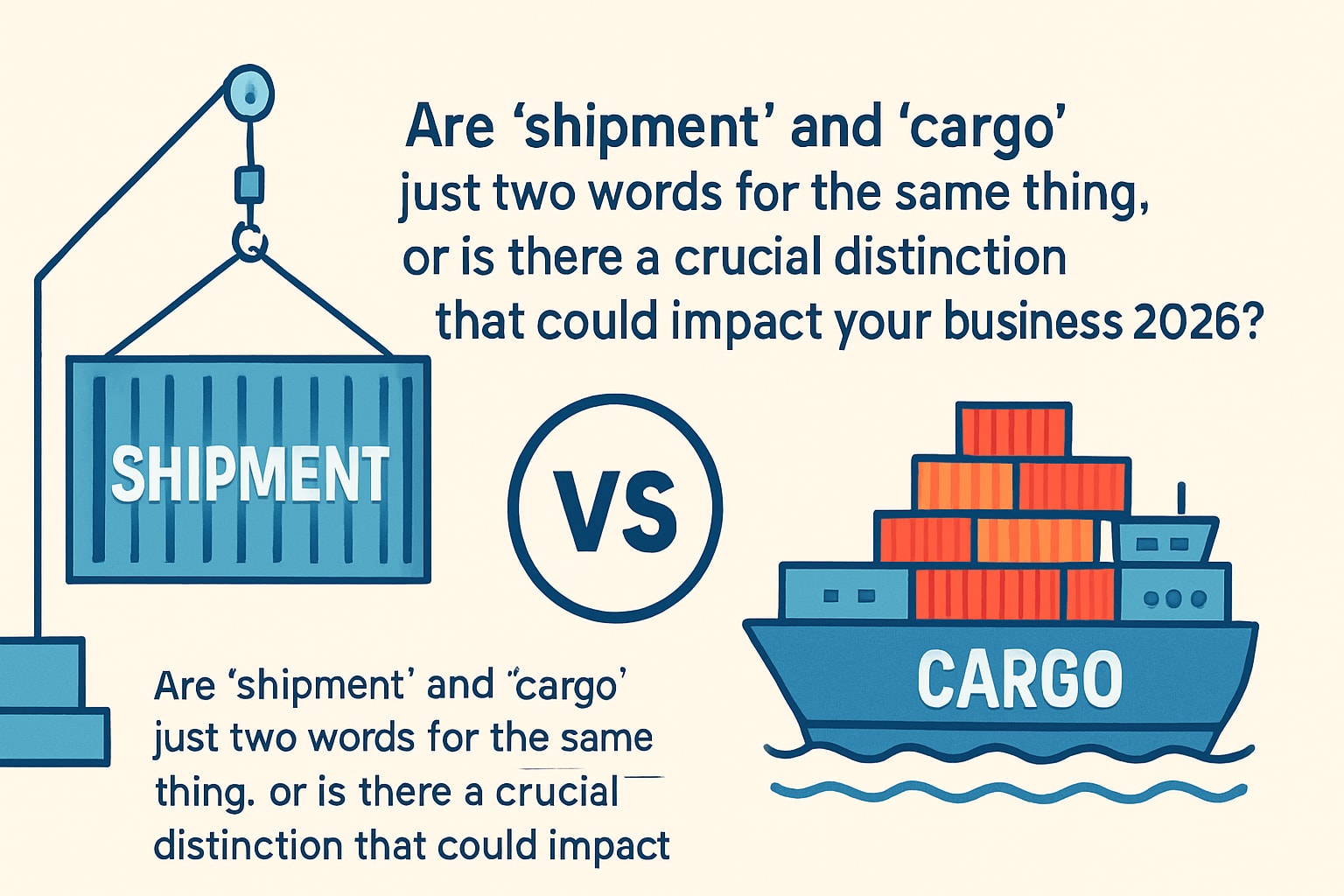
Is there a real difference between shipment and cargo, or are they just interchangeable words in logistics? The truth is, the distinction between shipment and cargo can have a big impact on your business, especially as we look ahead to 2026.
Understanding these terms is crucial for anyone working in supply chain or logistics. Clear definitions help you make smarter decisions, avoid costly mistakes, and keep your operations running smoothly.
In this article, we will break down what each term means, show how they are used in the industry, and explain why getting them right matters for your success. You'll see practical examples, learn about regulations, and discover how modern trends are changing the way we think about shipment and cargo.
Ready to eliminate confusion and boost your logistics strategy? Let’s get started.
Understanding the difference between shipment and cargo is fundamental in logistics. Many professionals use these terms interchangeably, but their meanings are distinct and can impact daily operations, contracts, and even compliance.
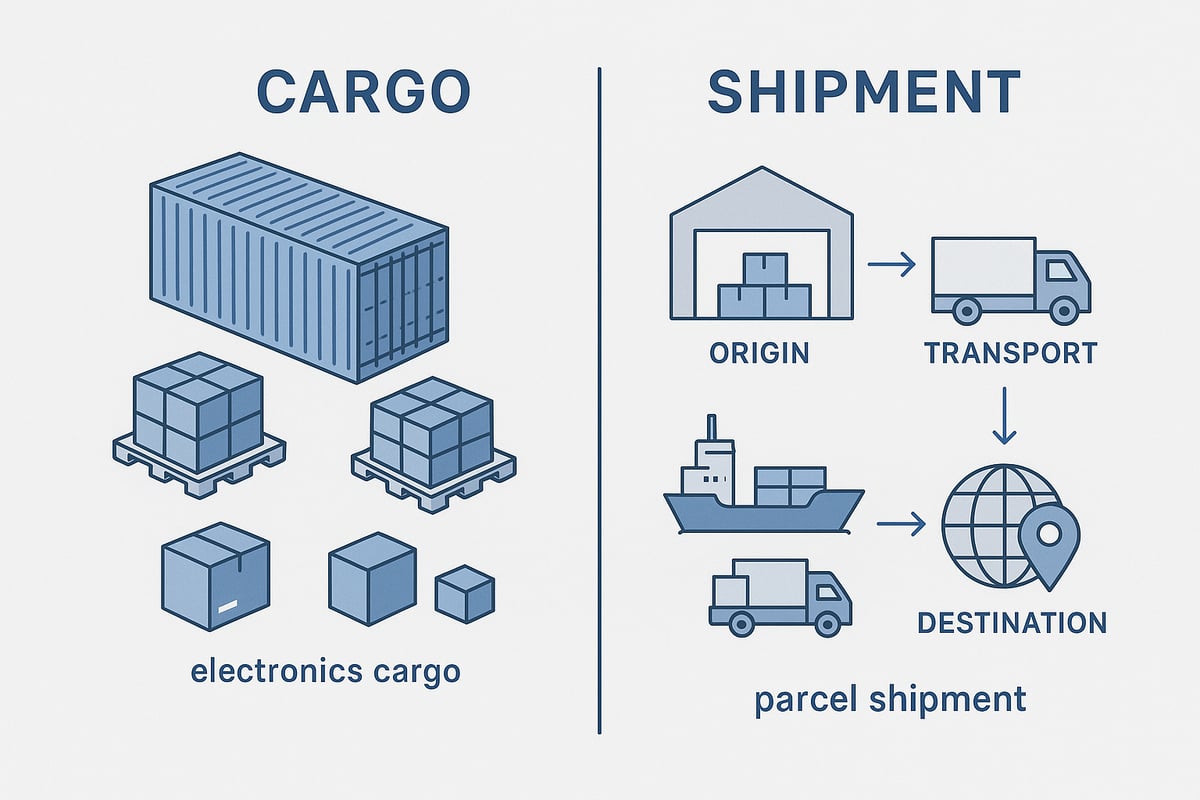
Cargo refers to the actual goods or merchandise being transported from one location to another. In the context of shipment and cargo, cargo is the physical substance—be it raw materials, finished products, or commodities—moved across different modes of transport.
Typically, cargo is associated with bulk shipments, such as containers filled with electronics, pharmaceuticals stacked on pallets, or automotive parts loaded onto ships or trains. Historically, the term cargo has been linked with large-scale transport involving ships, planes, and heavy vehicles.
According to the International Chamber of Shipping, 95 percent of global cargo by volume is moved by sea. This highlights the massive scale of cargo movement worldwide and its central role in international trade.
The key point is that in the pair shipment and cargo, cargo always refers to the tangible items being moved, not the process or journey those items undertake.
Shipment is the act or process of moving goods from their origin to their final destination. When discussing shipment and cargo, shipment covers everything involved in getting goods from point A to point B, regardless of size or method.
A shipment can be a single parcel sent via courier, a batch of products, or even an entire container. This term encompasses all logistics steps, including booking, handling, tracking, and delivery.
For example, a shipment of 500 smartphones could be tracked from the manufacturer to the retailer’s warehouse. The word shipment can function as both a noun (the goods being sent) and a verb (the act of sending).
The crucial distinction in shipment and cargo is that shipment describes the journey and logistics process, rather than only the physical items themselves.
In industry language, the terms shipment and cargo serve different purposes. Cargo is generally reserved for goods in bulk, especially in commercial and industrial contexts. Shipment, however, is used more broadly, covering everything from small e-commerce parcels to full container loads.
Industry documents reflect this difference. For example, a “cargo manifest” details the physical goods on a vessel, while “shipment tracking” records the movement of each order. You might hear “cargo plane” for bulk freight, but “parcel shipment” for online retail.
Misusing these words can cause confusion in contracts, customs paperwork, and compliance. For a deeper dive into how shipment and cargo are defined and used globally, see Freight Transport - Wikipedia.
Being precise with shipment and cargo helps professionals avoid costly misunderstandings and communicate clearly with partners and clients.
To summarise, shipment and cargo are related but not identical concepts. The differences can be outlined as follows:
| Aspect | Cargo | Shipment |
|---|---|---|
| What it refers to | The goods themselves | The process of moving goods |
| Typical scale | Bulk, containers, large volumes | Any size, from parcels to full containers |
| Nature | Static (physical items) | Dynamic (the journey or process) |
| Example | Automotive parts in a container | Parcel sent via courier |
In essence, shipment and cargo complement each other: cargo is what is moved, while shipment is how it moves. Recognising this distinction sets the stage for understanding their operational and regulatory roles.
Understanding how shipment and cargo interact across different modes of transport is fundamental for logistics professionals. Each transport method brings unique challenges, terminology, and operational requirements. Let us explore how these differences shape global movement and business outcomes.
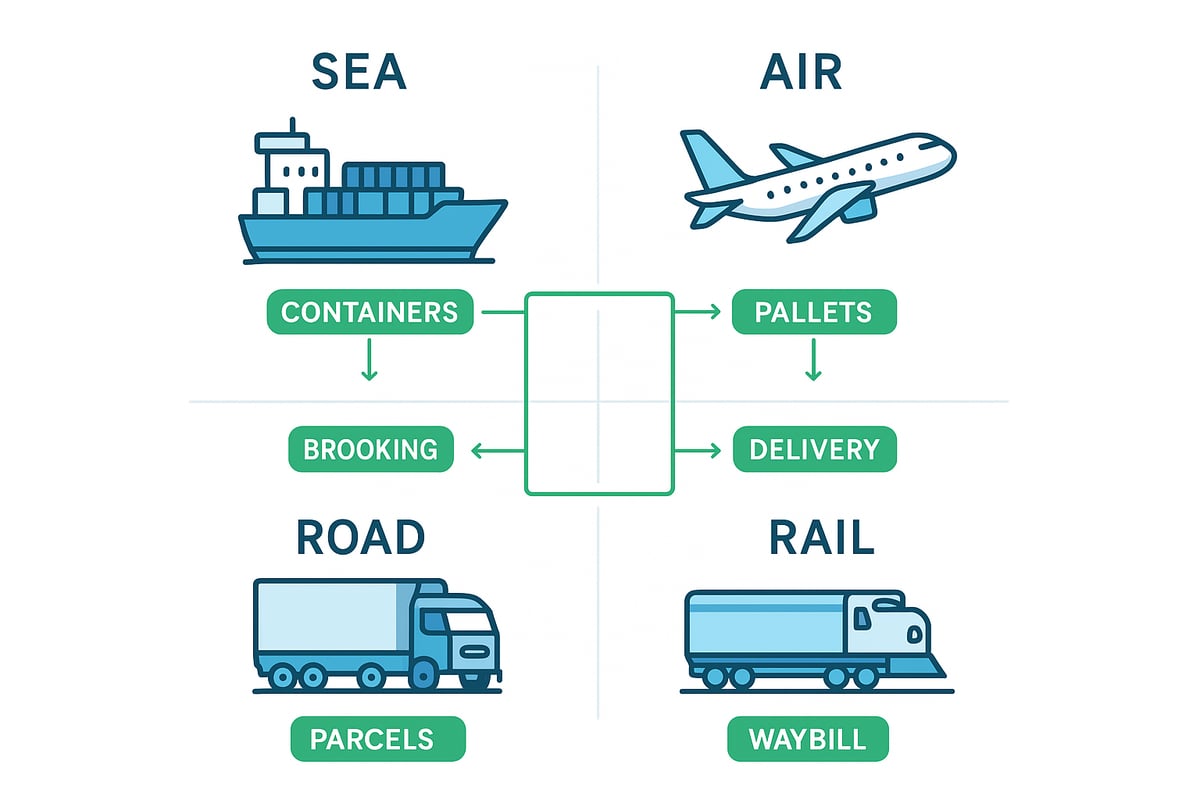
Each mode of transport handles shipment and cargo in distinct ways. Sea freight dominates global trade, moving 95% of all cargo by volume, primarily bulk goods in containers. Air transport is crucial for high-value or time-sensitive items, such as medical supplies or electronics. Road and rail are often chosen for regional distribution, moving bulk grains, automotive parts, or retail goods efficiently. The choice of mode affects not only the type of cargo handled but also the documentation, handling equipment, and security measures required. Recognising these distinctions is vital for optimising shipment and cargo strategies.
Shipment and cargo can take many forms, depending on size and method. Parcel shipments are typically small, ideal for e-commerce, and delivered directly to consumers. Less Than Truckload (LTL) shipments share space with other cargo, offering cost savings for smaller loads. Full Container Load (FCL) shipments dedicate an entire container to a single customer, suitable for large or valuable cargo. For example, an Amazon parcel shipment differs greatly from an FCL of industrial machinery. As e-commerce grows, businesses must match shipment and cargo types to their operational needs and customer expectations.
Proper documentation is essential for every shipment and cargo movement. Cargo is tracked using cargo manifests and bills of lading, which list the goods being transported and their details. Shipments, on the other hand, are monitored with tracking numbers, shipping labels, and delivery receipts, allowing real-time updates for both sender and recipient. For example, a cargo manifest might list all items on a vessel, while shipment tracking follows each individual parcel. The right documentation ensures regulatory compliance, smooth customs clearance, and efficient resolution of issues involving shipment and cargo.
Real-world examples highlight how shipment and cargo terminology is applied differently across sectors. A pharmaceutical company may ship temperature-sensitive cargo by air, requiring careful handling and monitoring at every stage. An automotive manufacturer often relies on FCL shipments to move high-value car parts securely and efficiently. Meanwhile, an e-commerce retailer focuses on rapid parcel shipments, where real-time shipment tracking is vital for customer satisfaction. These cases show that each industry tailors its approach to shipment and cargo based on operational needs and regulatory demands.
Efficient handling of shipment and cargo depends on understanding operational requirements. Cargo handling involves specialised equipment, loading protocols, and strict safety measures, particularly for hazardous or perishable goods. The shipment process covers booking, consolidation, tracking, and last-mile delivery, making accuracy essential. Mislabelled cargo or unclear shipment documentation can delay customs clearance and disrupt supply chains. For more on best practices, see Understanding cargo handling best practices. Mastering the nuances of shipment and cargo leads to smoother operations and fewer costly errors.
Understanding the regulatory, legal, and insurance aspects of shipment and cargo is essential for global trade and logistics. Each concept carries distinct obligations and risks that can impact compliance, liability, and financial protection.
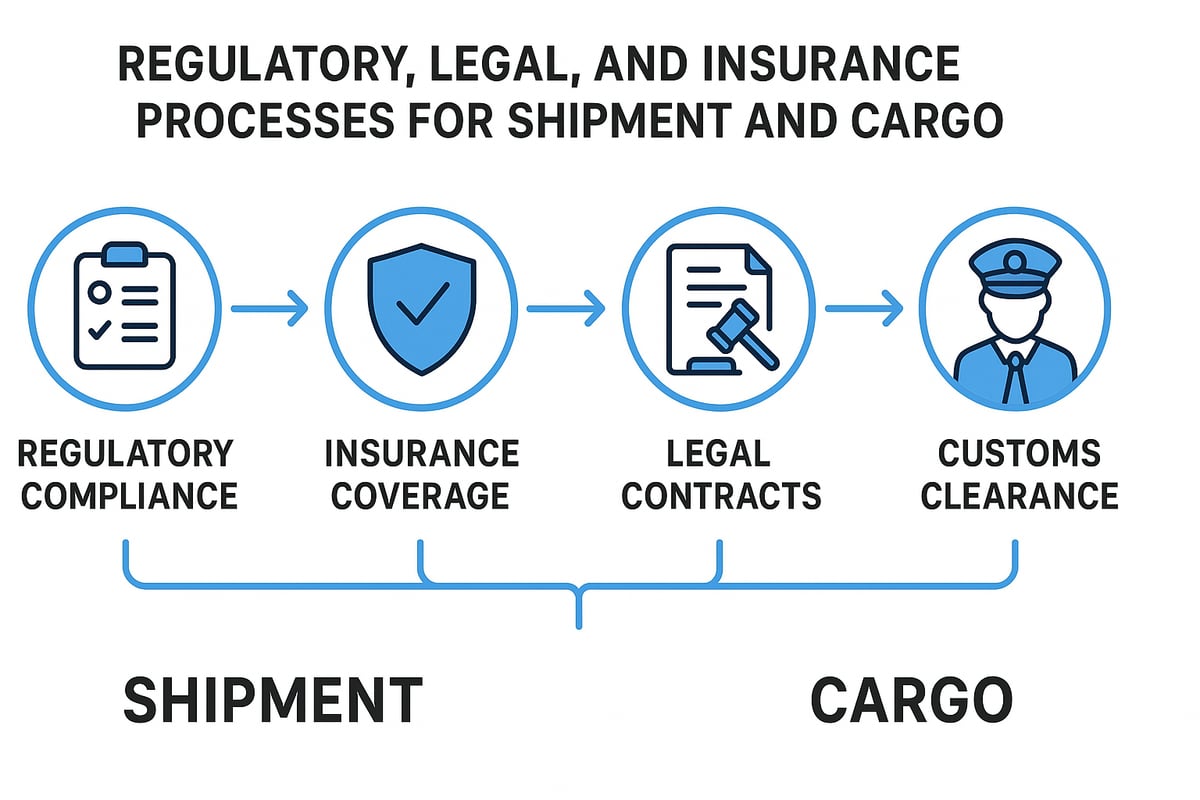
Regulations treat shipment and cargo with unique standards that logistics professionals must follow. For cargo, rules often depend on the type, such as hazardous or perishable items. Air cargo, for example, is subject to the International Air Transport Association’s Dangerous Goods Regulations, which set strict guidelines for safe handling. Shipment and cargo both require proper documentation, including customs declarations and compliance with import or export laws.
Non-compliance can lead to severe consequences, such as delays, penalties, or even shipment seizure. According to IATA Air Cargo Demand Up 2.9% in September 2025, the increase in global air cargo volumes highlights the growing importance of understanding these regulations. Ensuring that both shipment and cargo are correctly classified and documented is critical for smooth international operations.
Insurance policies for shipment and cargo are structured to address different risks. Cargo insurance typically covers the physical goods during transit, protecting against loss or damage. In contrast, shipment insurance may extend to cover the entire logistics process, including risks such as delays or mishandling during transfer.
Understanding the distinction between shipment and cargo is vital for selecting the right insurance. For example, a claim for damaged cargo requires clear evidence of the goods’ condition and value, while a delayed shipment claim focuses on delivery times and contractual terms. Precise definitions in policies help avoid disputes and ensure that claims are processed efficiently.
Legal contracts in logistics must specify the responsibilities related to shipment and cargo. Contract terms, such as those defined by Incoterms, clarify which party is liable for the goods at each stage of the journey. For instance, one party may be responsible for the cargo until it reaches a port, while another takes over for the shipment to the final destination.
Misunderstanding the meaning of shipment and cargo can lead to legal disputes and financial loss. Liability for damage or delay depends on how these terms are used in the contract. Accurate language ensures that all parties know their obligations and rights, reducing the risk of costly litigation.
Customs procedures require detailed cargo declarations for all cross-border movements. These declarations must include precise descriptions of the shipment and cargo to meet regulatory requirements. Multiple stakeholders, such as freight forwarders, carriers, and customs brokers, depend on this information to facilitate smooth clearance.
Incorrect or incomplete documentation for shipment and cargo can result in inspections, fines, or delayed deliveries. Since 95% of world trade depends on accurate cargo documentation, the stakes are high. Ensuring clarity in these terms protects businesses and streamlines international trade operations.
Digitalisation is rapidly reshaping how shipment and cargo are managed in the logistics sector. As we approach 2026, businesses are embracing new technologies to boost efficiency, visibility, and adaptability. Understanding these trends is vital for professionals aiming to stay ahead in a competitive, data-driven landscape.
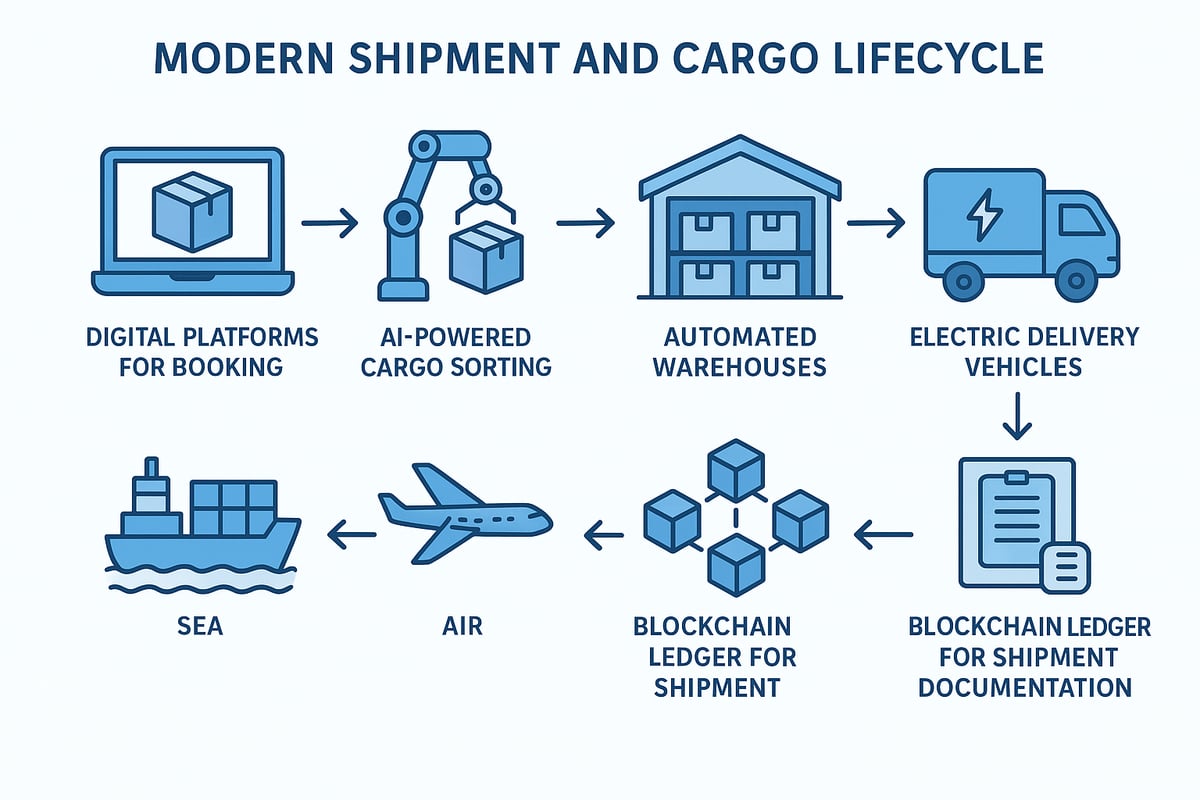
The digital revolution in shipment and cargo management is well underway. Automated booking systems, real-time tracking dashboards, and smart logistics platforms are now standard tools for freight forwarders and shippers.
For example, AI-powered platforms can match available cargo space with urgent shipment requirements in seconds. These innovations reduce manual errors, speed up documentation, and offer transparent pricing. To see how technology is transforming air freight, explore Air cargo charter technology trends for deeper insight into the future of shipment and cargo.
Digitalisation also enables greater integration between all parties in the supply chain. This shift means faster response times and improved reliability, helping companies meet evolving customer expectations.
The explosive growth of e-commerce is changing the landscape for shipment and cargo. Online retailers are driving a surge in small parcel shipments, while traditional cargo now covers a wider range of products, from bulk grains to individual electronics.
Global supply chains have become more interconnected, requiring flexible shipment and cargo solutions. Companies like Amazon and Alibaba have set new standards for speed and transparency, influencing logistics providers worldwide.
Data from industry analysts predicts global parcel shipments will surpass 200 billion by 2026. This highlights the ongoing shift from bulk cargo to high-frequency shipments, making accurate shipment and cargo terminology more important than ever.
Sustainability is now a core focus in shipment and cargo operations. Logistics firms are optimising routes, consolidating shipments, and investing in greener transport options to cut emissions.
For instance, ocean carriers are developing more fuel-efficient ships, and many logistics providers are adopting electric vehicles for local deliveries. Cargo consolidation also reduces the number of shipments, helping companies meet environmental goals.
By understanding shipment and cargo distinctions, businesses can make informed choices about transport modes and packaging, directly supporting their sustainability strategies.
Automation is revolutionising both shipment and cargo handling. Automated warehouses use robotics for sorting and packing, while AI algorithms optimise shipment schedules and predict delays.
Smart containers equipped with sensors provide real-time updates on cargo location, temperature, and condition. These advances improve security and reduce loss or damage during transit.
AI-driven analytics are forecast to grow by 20 percent annually in logistics, enhancing decision-making and efficiency. Mastery of shipment and cargo processes will remain essential as automation becomes the industry standard.
Looking ahead to 2026, shipment and cargo management will become even more digital and interconnected. The Internet of Things (IoT) enables precise tracking, while blockchain technology secures shipment documentation and automates payment processes through smart contracts.
Industry leaders are piloting innovations like predictive maintenance for cargo vehicles and digital twins for shipment modelling. Despite these advancements, the distinction between shipment and cargo will remain crucial for compliance, insurance, and operational excellence.
Staying informed about these trends ensures your shipment and cargo strategies are future-ready and resilient.
Understanding the distinction between shipment and cargo is more than a matter of semantics. For businesses and professionals, clarity in these terms underpins successful logistics operations, risk mitigation, and customer satisfaction. Let us explore why getting this right matters at every level.
Precise use of shipment and cargo terminology ensures all parties in the supply chain are on the same page. Misunderstandings can occur if, for example, a contract refers to cargo value when it should specify shipment costs. This distinction affects everything from insurance to payment terms.
Clear language prevents disputes and streamlines collaboration between shippers, carriers, and clients. For more on the importance of correct documentation and process clarity, see Booking and tracking freight shipments.
Selecting the correct shipment type based on cargo characteristics can lead to significant cost savings. For example, consolidating bulk cargo into fewer shipments reduces handling and transport expenses.
Here is a simple comparison:
| Aspect | Cargo Focus | Shipment Focus |
|---|---|---|
| Scope | Physical goods | Movement process |
| Cost Considerations | Value, insurance | Freight, handling |
| Optimisation | Packing, safety | Route, timing |
Efficient management of shipment and cargo ensures faster delivery times and minimises waste.
Compliance relies on accurate identification and documentation of both shipment and cargo. Misdeclared cargo or incomplete shipment paperwork can result in customs delays or fines.
Each element carries specific regulatory requirements, particularly for international trade. Properly distinguishing shipment and cargo reduces exposure to compliance risks and supports seamless cross-border movement.
Customers increasingly expect real-time updates on their orders. By tracking both shipment and cargo status, companies can provide transparent, timely information. This builds trust and drives repeat business.
For e-commerce and retail, clear communication on shipment and cargo progress is now a competitive necessity. According to surveys, over 70 percent of customers expect shipment tracking as standard.
Different industries apply shipment and cargo terminology with unique priorities. Pharmaceuticals require strict temperature controls and detailed tracking, while automotive firms focus on high-value cargo and full-container shipments. High-tech sectors demand careful handling and rapid delivery.
For a deeper look at specialised logistics needs, visit Temperature-controlled freight logistics. In every sector, understanding shipment and cargo supports compliance and operational excellence.
Understanding the differences between shipment and cargo is essential for logistics professionals. Here, we address the most common questions to help you navigate terminology and industry standards with confidence.
Although shipment and cargo are often used together, they are not always interchangeable. Cargo strictly refers to the physical goods or merchandise being transported, such as containers of electronics or bulk minerals. Shipment, on the other hand, refers to the process or act of moving these goods from one place to another.
For example, a shipment might contain several types of cargo, or a cargo plane may carry multiple shipments for different clients. Industry standards highlight this distinction: a “cargo manifest” lists goods, while “shipment tracking” follows the movement. Using the correct term in documentation and contracts is crucial, as confusing shipment and cargo can lead to misunderstandings or compliance issues.
Traditionally, cargo was associated with large-scale, commercial transport by sea or air, and shipment described the process of sending goods. In the modern logistics landscape, shipment and cargo have evolved in meaning due to digitalisation and the rise of e-commerce.
Today, cargo describes any physical product being moved, whether in bulk or as individual items. Shipment covers all movements, from a single parcel to a full container, across any transport mode. This shift is driven by trends such as increased parcel deliveries and advanced tracking, blurring the old lines between the terms. Despite these changes, shipment and cargo still serve distinct roles in logistics language and practice.
The industry recognises several types of shipment and cargo, each suited to different needs. Shipments can be classified as parcels (small packages), Less Than Truckload (LTL), Full Container Load (FCL), courier, or express. Cargo may be bulk (such as grain or coal), containerised, perishable, or hazardous.
Here is a summary table:
| Type | Shipment Example | Cargo Example |
|---|---|---|
| Parcel | E-commerce delivery | Box of electronics |
| LTL | Shared truck load | Pallets of clothing |
| FCL | Dedicated container | Automotive parts |
| Express | Overnight delivery | Medical samples |
Recent data, such as the BTS Freight Transportation Services Index October 2025, shows a steady rise in both shipment and cargo volumes, especially in parcel and LTL segments. This reflects the dynamic nature of global supply chains.
Accurately distinguishing between shipment and cargo is vital for avoiding costly mistakes. For example, insurance policies may cover cargo against damage, while shipment terms define delivery responsibilities. Using the wrong term in contracts can result in disputes or delays at customs.
Clarity also supports compliance, as regulatory authorities require correct cargo descriptions and complete shipment documentation. Improved understanding of shipment and cargo can streamline your operations, enhance risk management, and speed up claims or clearance processes. Industry resources like the Colliers Supply Chain Solutions Report March 2025 provide further insights into how these distinctions impact logistics performance and business outcomes.
Now that you understand exactly how “shipment” and “cargo” differ—and why that distinction matters for your logistics strategy in 2026—you might be wondering how to put this knowledge into action. If you want to streamline your operations, improve compliance, and make smarter decisions for your freight forwarding business, the right technology makes all the difference. With CharterSync’s automated air cargo charter platform, you can instantly match the right aircraft to your needs, access accurate quoting, and enjoy seamless bookings backed by expert support. If you’re ready to see how this works for your team, you can request a demo.

.png)