.png)

In 2026, the pressure on logistics to move goods quickly and safely is greater than ever. Supply chains are more complex, and the right cargo handle can make all the difference in keeping operations efficient and adaptable.
This guide will give you practical insights into the latest cargo handle technologies, strategies, and best practices. Discover how to streamline your workflow, reduce costs, and increase productivity. Whether you are seeking to modernise equipment or stay ahead of industry trends, our expert advice will help you meet the evolving demands of today’s logistics landscape.
Cargo handles are essential tools in logistics, warehousing, and transport. A cargo handle acts as the physical interface between workers or machines and the items being moved. Its primary role is to ensure goods can be safely and efficiently lifted, shifted, or secured during the supply chain journey. The importance of a reliable cargo handle cannot be overstated, as it directly affects the speed and safety of cargo operations.
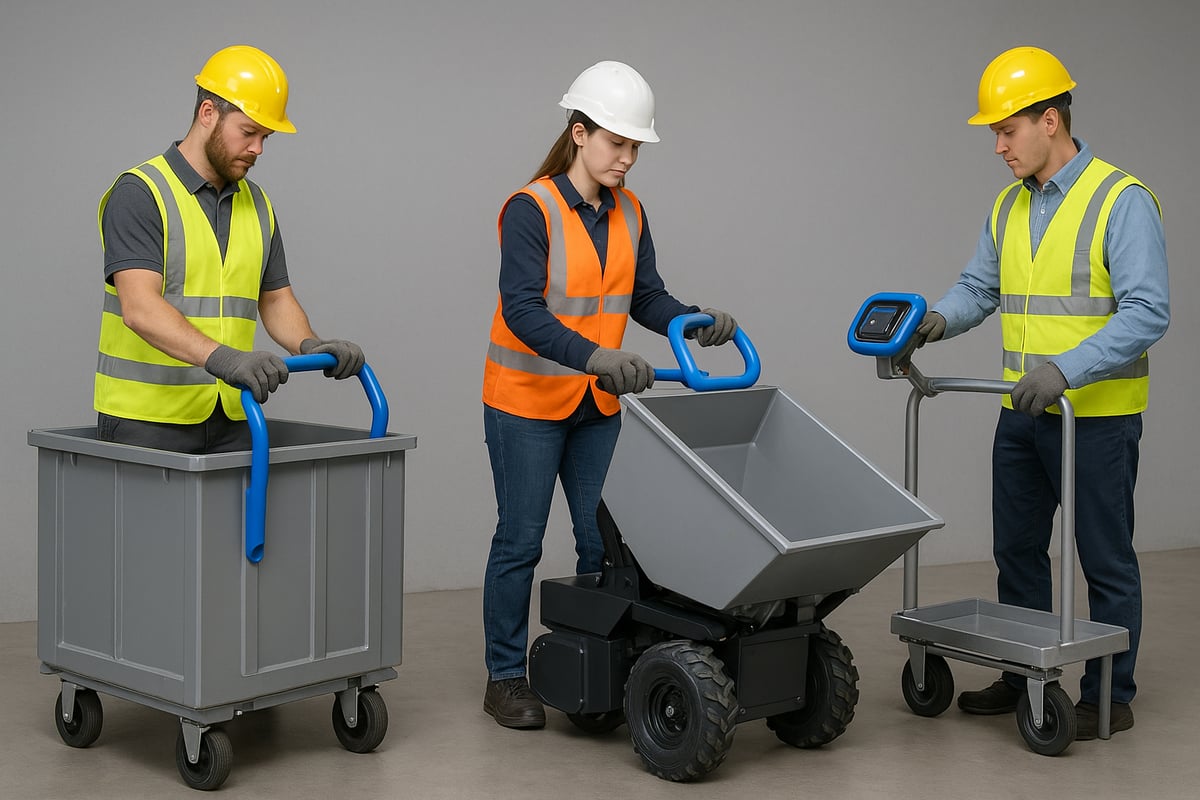
Types of Cargo Handles
There are three main types of cargo handle commonly used today: manual handles, automated grips, and smart handles.
Each cargo handle type serves distinct operational needs, and selecting the right style is crucial for efficiency.
Applications Across Industries
Cargo handles are used in a wide variety of settings. In shipping, strong handles on containers and crates ensure safe loading and unloading. Electric dumpers, such as those used on construction sites, require robust cargo handle systems for manoeuvring heavy loads. Roof tents and outdoor equipment benefit from weather-resistant, easy-to-use handles, while industrial trolleys rely on ergonomic grips for frequent movement in warehouses.
The right cargo handle can streamline workflows, whether it is supporting rapid e-commerce fulfilment or managing heavy machinery in agriculture.
Key Features to Consider
Choosing an effective cargo handle involves evaluating several critical features:
These features are essential in reducing injury risks and improving operational speed.
Real-World Example and Industry Trends
A notable example is the Mule TPM250E tracked dumper, which uses a specially designed cargo handle and grip. This handle offers compatibility with heavy loads, robust construction, and ergonomic shaping, enhancing user safety and control.
The industry is shifting towards ergonomic and automated cargo handle solutions. Recent data shows increased adoption of smart and user-friendly handles, reflecting a broader focus on safety and efficiency. Outdated or poorly matched handles can lead to higher injury rates and slower operations, making modernisation a priority.
Selecting the appropriate cargo handle not only boosts productivity but also ensures compliance with evolving safety standards. For a broader perspective on how handle choices fit into overall supply chain effectiveness, see supply chain intelligence and efficiency.
The cargo handle industry in 2026 is undergoing a remarkable transformation. Innovations are driving major improvements in efficiency, safety, and sustainability. Whether in warehouses, on construction sites, or with outdoor gear, today’s cargo handle solutions are smarter, safer, and greener than ever before.
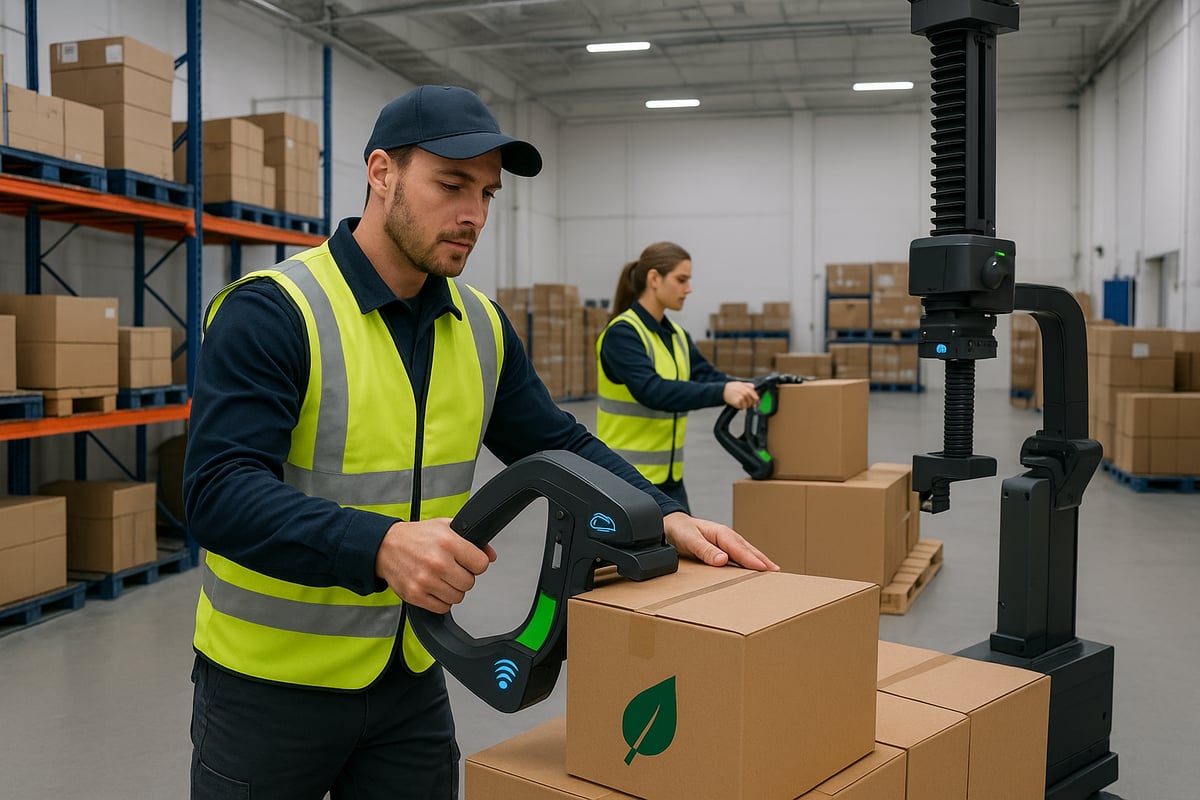
Smart technology is revolutionising the cargo handle. IoT-enabled handles now offer real-time tracking, allowing logistics teams to monitor cargo location, load status, and environmental conditions instantly. Integrated sensors detect weight, movement, temperature, and even shock, providing valuable data that minimises damage and loss.
In modern warehouses, automated cargo handle systems connect seamlessly with digital management platforms. This integration streamlines workflow, reduces manual errors, and enhances overall productivity. According to industry trends, the adoption rate of smart handles in logistics is increasing rapidly, as companies see the benefits of traceability and operational transparency.
A key example is the use of automated grips that communicate with warehouse management software, alerting staff to any irregularities or maintenance needs. The result is optimised workflow and reduced downtime. For a closer look at how AI and IoT are shaping the future of cargo handle solutions, explore the latest AI and IoT in Cargo Management research.
With these advancements, the cargo handle is no longer just a basic tool, but a critical component of a connected, data-driven supply chain.
Ergonomics is a top priority for cargo handle design in 2026. Manufacturers are investing in handle shapes that naturally fit the human hand, reducing strain and fatigue for operators. New cargo handle models use lightweight, high-strength materials such as carbon composites and reinforced polymers, making them easier to use over long shifts.
One standout example is the TentBox cargo handle, engineered for comfort and ease of use in outdoor settings. Its contoured grip and weather-resistant build demonstrate how modern design can support both safety and practicality. Industry statistics show a marked reduction in workplace injuries, thanks to ergonomic improvements and better training.
Compliance with updated health and safety standards is crucial. The right cargo handle not only minimises risk but also helps companies meet regulatory requirements. Regular assessment of handle condition, paired with ongoing staff education, ensures that safety remains at the forefront of cargo handling operations.
Sustainability is shaping the future of the cargo handle. Leading manufacturers are turning to recyclable and eco-friendly materials, reducing the environmental impact of cargo handle production. Modular and repairable handle systems are now available, extending product life and decreasing waste.
Some brands have introduced cargo handles made with recycled plastics or metals, boasting a significantly lower carbon footprint. Industry reports indicate that a growing percentage of manufacturers are adopting sustainable practices, recognising that environmental responsibility is a strong selling point for clients.
The shift to sustainable cargo handle solutions is not just about compliance, but also about gaining a competitive edge. Companies that invest in eco-friendly equipment demonstrate their commitment to the planet and appeal to a new generation of environmentally conscious clients. Choosing the right cargo handle means considering not only performance, but also its impact on people and the planet.
Efficient cargo handling is essential for maintaining a seamless logistics operation in 2026. By following a structured process, logistics teams can boost productivity, minimise risk, and ensure compliance with evolving industry standards. The following step-by-step guide outlines the best practices for using a cargo handle safely and effectively, supporting both operational goals and workforce wellbeing.
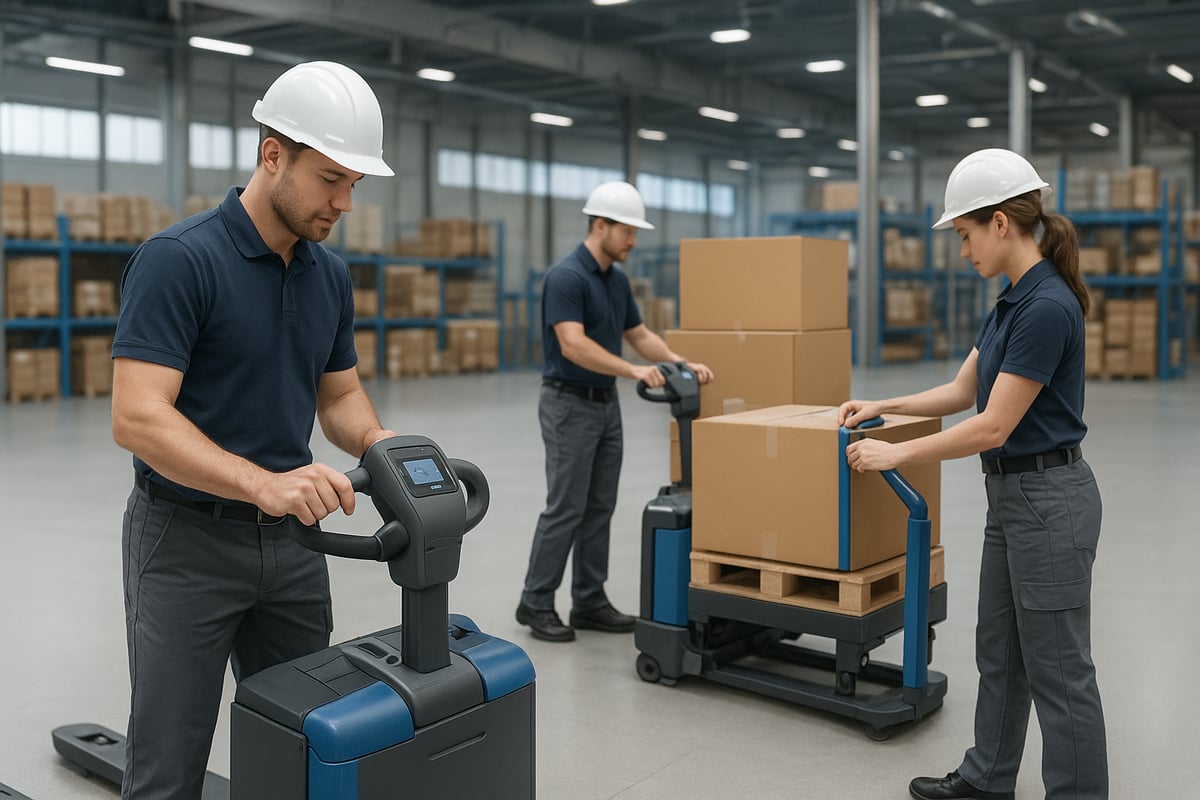
Preparation is the cornerstone of efficient cargo handling. Always start by assessing the type, weight, and dimensions of your cargo. Understanding these factors ensures the correct cargo handle is selected for the task.
Before any operation, conduct a thorough inspection of all handles, grips, and associated equipment. Look for visible signs of wear, cracks, or loose fittings. A pre-use checklist is invaluable, especially for equipment like electric dumper handles.
Pre-use Checklist Example:
By identifying potential issues early, you reduce the risk of accidents and delays. Investing time in preparation pays dividends in safety and efficiency.
Selecting the appropriate cargo handle is vital for smooth and safe operations. The choice should be based on cargo characteristics, operational environment, and the required level of automation.
Start by matching the handle type to the cargo. For lighter loads or compact spaces, manual handles may suffice. For heavy or repetitive tasks, automated or smart handles offer better ergonomics and efficiency.
Factors to Consider:
For example, choosing between a manual and a smart cargo handle in a warehouse depends on the frequency of use and the type of goods being moved. The right selection minimises strain and supports compliance with safety standards.
Proper lifting and moving are central to safe cargo handling. Always use a firm grip on the cargo handle and maintain a straight back, bending at the knees to prevent strain. For heavy or awkward loads, team lifts or mechanical aids are essential.
Demonstrating safe use is key. When handling a TentBox or tracked dumper, ensure both hands are positioned securely on the cargo handle before lifting. Move smoothly and avoid sudden movements.
Refer to Ergonomic Do's and Don'ts in Cargo Handling for practical guidelines to reduce injury risk. Adopting these practices not only protects workers but also improves operational consistency.
By prioritising correct technique, you reduce fatigue and enhance long-term productivity.
Securing cargo before transport is crucial to prevent shifting or loss during movement. Always check that the cargo handle is locked or fixed in place prior to moving the load.
Use supplementary safety measures such as straps, locks, or automated securing systems, especially for mobile or outdoor operations. For example, when transporting equipment in a roof tent or on an electric dumper, ensure all handles and fastenings are engaged.
Securing Procedures:
Consistent application of these steps protects both cargo and personnel during transit.
After each use, conduct a post-handling inspection of the cargo handle and associated equipment. Look for signs of wear, such as cracks, deformation, or reduced grip effectiveness.
Routine maintenance, including cleaning and lubricating moving parts, extends the lifespan of your cargo handle. For high-usage items like handles on tracked dumpers, set a regular maintenance schedule.
Maintenance Checklist:
A proactive approach to maintenance reduces downtime and supports optimal performance.
Accurate documentation is a vital part of efficient cargo handling. Recording each handling activity ensures traceability and compliance with safety standards.
Use digital solutions or warehouse management systems to log cargo handle usage, incidents, and maintenance needs. This creates a transparent record that can be referenced for audits or future planning.
Documentation Tips:
By maintaining thorough records, you support operational excellence and continuous improvement in cargo handling.
Ensuring the longevity and reliability of every cargo handle is crucial for operational efficiency in 2026. Regular inspections and a proactive maintenance schedule can significantly reduce unexpected downtime and costly repairs. Every logistics professional knows that a well-maintained cargo handle not only boosts productivity but also enhances workplace safety.

Conducting regular inspections is the first step to maximising the lifespan of any cargo handle. Look for visible signs such as cracks, deformation, worn grips, or reduced functionality. If a cargo handle exhibits any of these issues, immediate attention is required to prevent injury or further equipment damage.
A simple checklist can be invaluable:
Routine inspections should be scheduled based on usage intensity. High-usage handles, such as those on electric dumpers, may require daily checks, while less frequently used equipment can be inspected weekly.
Proper cleaning is essential for preserving the structural integrity of each cargo handle. Use appropriate cleaning agents for the handle material, whether metal, polymer, or composite. For metal handles, remove debris and apply a light lubricant to moving parts. Polymer and composite handles should be wiped down with non-abrasive cleaners to prevent surface degradation.
Cleaning protocols:
Preventative maintenance not only extends the life of the cargo handle but also ensures compliance with workplace safety standards.
Determining whether to repair or replace a cargo handle depends on the severity of wear. Minor issues, such as a loose grip, can often be repaired. However, structural cracks or persistent malfunctions usually necessitate a full replacement.
For electric tracked dumpers, using genuine replacement handles ensures compatibility and performance. Aftermarket options may be cost-effective but can pose risks if not properly vetted for quality and fit.
Comparison Table: Genuine vs Aftermarket Handles
| Criteria | Genuine Handles | Aftermarket Handles |
|---|---|---|
| Compatibility | Guaranteed | Variable |
| Durability | High | Varies |
| Warranty | Manufacturer supported | Limited or none |
| Cost | Higher | Lower |
Investing in preventive maintenance for every cargo handle delivers measurable cost savings. Emergency repairs often incur higher expenses due to urgent labour, expedited shipping for parts, and operational downtime. According to industry insights, companies prioritising preventive care see up to 30% less unplanned downtime compared to those relying on reactive repairs. For a broader view of how such strategies can impact logistics efficiency, review the Nine Supply Chain Trends for 2026.
A reliable supply of compatible spares is vital for uninterrupted operations. Partner with trusted suppliers and maintain a modest inventory of essential cargo handle components. Verify part numbers and compatibility with your specific equipment models to avoid delays.
Tips for sourcing spares:
Well-maintained cargo handles are the backbone of efficient logistics operations. By adopting regular inspection routines, robust cleaning practices, and timely replacements, businesses can maximise operational uptime. This approach not only supports current productivity but also positions organisations to adapt swiftly to future industry demands.
Efficient cargo handle solutions play a pivotal role in diverse industries, each with its own unique operational demands. From construction sites to distribution centres, and from recreational vehicles to agricultural machinery, the right cargo handle design can mean the difference between seamless logistics and costly delays. Let us explore how cargo handle innovations are transforming five key sectors.
Construction environments demand robust cargo handle solutions that can withstand harsh conditions and heavy use. Handles on wheelbarrows, tracked dumpers, and site trolleys must offer exceptional durability, load capacity, and grip security.
For example, the Mule TPM250E tracked dumper features a reinforced cargo handle engineered for reliable performance on uneven terrain. Such handles support safe manoeuvring of heavy loads, reducing the risk of accidents and equipment damage.
Strict safety protocols necessitate regular inspection and maintenance of every cargo handle to prevent failures during critical operations. Selecting the right handle is essential for compliance with construction industry standards and maintaining site productivity.
The outdoor and recreational sector relies on cargo handle designs tailored for portability, weather resistance, and user comfort. Roof tents, awnings, and campervan accessories all utilise handles to facilitate easy installation, adjustment, and transport.
A standout example is the TentBox cargo handle, which prioritises ergonomic grip and robust construction to withstand exposure to the elements. Its intuitive design makes setting up and packing away roof tents straightforward, even in challenging conditions.
Recent trends indicate a surge in recreational cargo equipment since 2020, prompting manufacturers to innovate with lightweight, corrosion-resistant materials for every cargo handle. This ensures reliability and safety for adventurers and outdoor enthusiasts.
In warehousing and distribution, the cargo handle is integral to efficient material movement and workflow. High-volume distribution centres are increasingly adopting automated and ergonomic handles for trolleys, pallets, and conveyor systems.
Smart handle integration supports seamless coordination with robotic and conveyor technologies, optimising picking and packing speeds. According to industry data, such innovations have led to measurable efficiency gains in warehouse operations.
Digital transformation is at the forefront of this sector, with solutions like IoT-enabled handles and real-time tracking. For more on how technology is reshaping air cargo environments and warehousing, see the Digital transformation in air cargo overview.
E-commerce and retail logistics require adaptable cargo handle systems to manage rapid order fulfilment and fluctuating parcel volumes. Modular cargo handle designs allow for quick reconfiguration of warehouse layouts and support efficient last-mile delivery.
Teams benefit from handles engineered for comfort and speed, reducing fatigue during repetitive picking and packing tasks. For instance, flexible handle attachments can be swapped between different trolleys or containers depending on daily requirements.
With the e-commerce boom, logistics providers increasingly depend on advanced cargo handle technology to keep up with demand and maintain accuracy. For an operational perspective on air cargo logistics, visit the Air cargo charter services overview.
Agricultural and industrial applications call for rugged cargo handle solutions designed to endure intensive use and challenging environments. Handles on farm equipment, storage bins, and trailers must deliver long-term reliability and ease of maintenance.
Replacement handles for wheelbarrows and trailers are often constructed from reinforced polymers or treated metals to resist corrosion and mechanical stress. This ensures uninterrupted operation during planting, harvesting, or industrial transport tasks.
In these sectors, investing in high-quality cargo handle options safeguards productivity and minimises downtime. The right handle selection is a key factor in meeting the tough demands of agriculture and industry.
As we approach 2030, the cargo handle landscape is rapidly transforming. Driven by automation, artificial intelligence, and shifting supply chain demands, these changes are redefining efficiency and safety in logistics. Staying ahead requires understanding the technologies and trends shaping the future of the cargo handle.
The next generation of cargo handle solutions is being shaped by automation and AI. Automated systems, from robotic arms to smart conveyor integrations, are becoming the norm in both large distribution centres and smaller warehouses.
These advances mean cargo handle devices can now adapt in real-time to load size, shape, and weight. Machine learning algorithms also help predict equipment wear and optimise maintenance schedules. Research like the Automated Ergonomic Risk Assessment Study highlights how wearable sensors and AI-driven analytics are already being used to monitor operator safety and improve cargo handle ergonomics.
Emerging cargo handle technologies now include self-adjusting grips that automatically conform to various cargo profiles, reducing the risk of slippage and damage. Adaptive materials, such as shape-memory alloys and responsive polymers, enable handles to change form or rigidity based on environmental conditions or cargo type.
Smart sensors embedded in each cargo handle provide real-time feedback to operators and warehouse management systems. This level of intelligence ensures every cargo handle is used at optimal efficiency, supporting both productivity and safety.
Industry data suggests a strong upward trend in the adoption of smart cargo handle solutions. By 2030, experts forecast that over 60% of logistics providers will have integrated some form of IoT-enabled cargo handle technology into their operations.
| Year | Smart Cargo Handle Adoption (%) |
|---|---|
| 2024 | 25 |
| 2026 | 40 |
| 2030 | 60+ |
These projections underline the shift towards digital, data-driven cargo handle management as a standard practice.
Regulatory bodies are updating health, safety, and sustainability standards for cargo handle equipment. In response, manufacturers are designing handles that meet stricter ergonomic benchmarks and use recyclable or low-impact materials.
Compliance is no longer optional. Adhering to these evolving standards ensures that each cargo handle reduces workplace injuries and supports environmental responsibility. This regulatory momentum is pushing the industry towards greener, safer solutions.
Recent disruptions in global trade have forced logistics firms to rethink their approach to cargo handle design and deployment. Flexibility and resilience are now key priorities.
For example, modular cargo handle systems allow for rapid reconfiguration as supply chains evolve. According to The future of air cargo charters, adaptability in equipment and process is becoming a vital competitive advantage, especially as air cargo and last-mile logistics continue to grow.
Staying ahead in the cargo handle sector means investing in both technology and workforce skills. Operators must be trained to use smart handles, interpret sensor data, and perform predictive maintenance.
Businesses should allocate resources for upgrading legacy cargo handle systems, adopting IoT solutions, and ensuring seamless integration with broader warehouse management platforms. Early adopters of these technologies will likely see measurable gains in efficiency, safety, and cost savings.
Industry leaders agree that the future of the cargo handle is about more than just hardware. It is a convergence of intelligent design, data-driven management, and human expertise.
As innovation accelerates, those who embrace these trends will set the pace for the sector. The cargo handle is evolving from a simple tool to an essential, smart component of the modern logistics ecosystem.
If you're ready to put these cutting edge cargo handling strategies into practice and see how seamless automation can transform your logistics, you don't have to navigate it alone. At CharterSync, we've combined smart technology with hands on expertise to help you streamline bookings, boost efficiency, and stay ahead of 2026's evolving demands. Whether you're moving automotive parts, pharmaceuticals, or high tech equipment, our intelligent platform makes finding the right air cargo solutions easy and reliable. If you want to experience how this can work for you, why not request a demo and explore the possibilities firsthand?
Article written using RankPill.

.png)