.png)
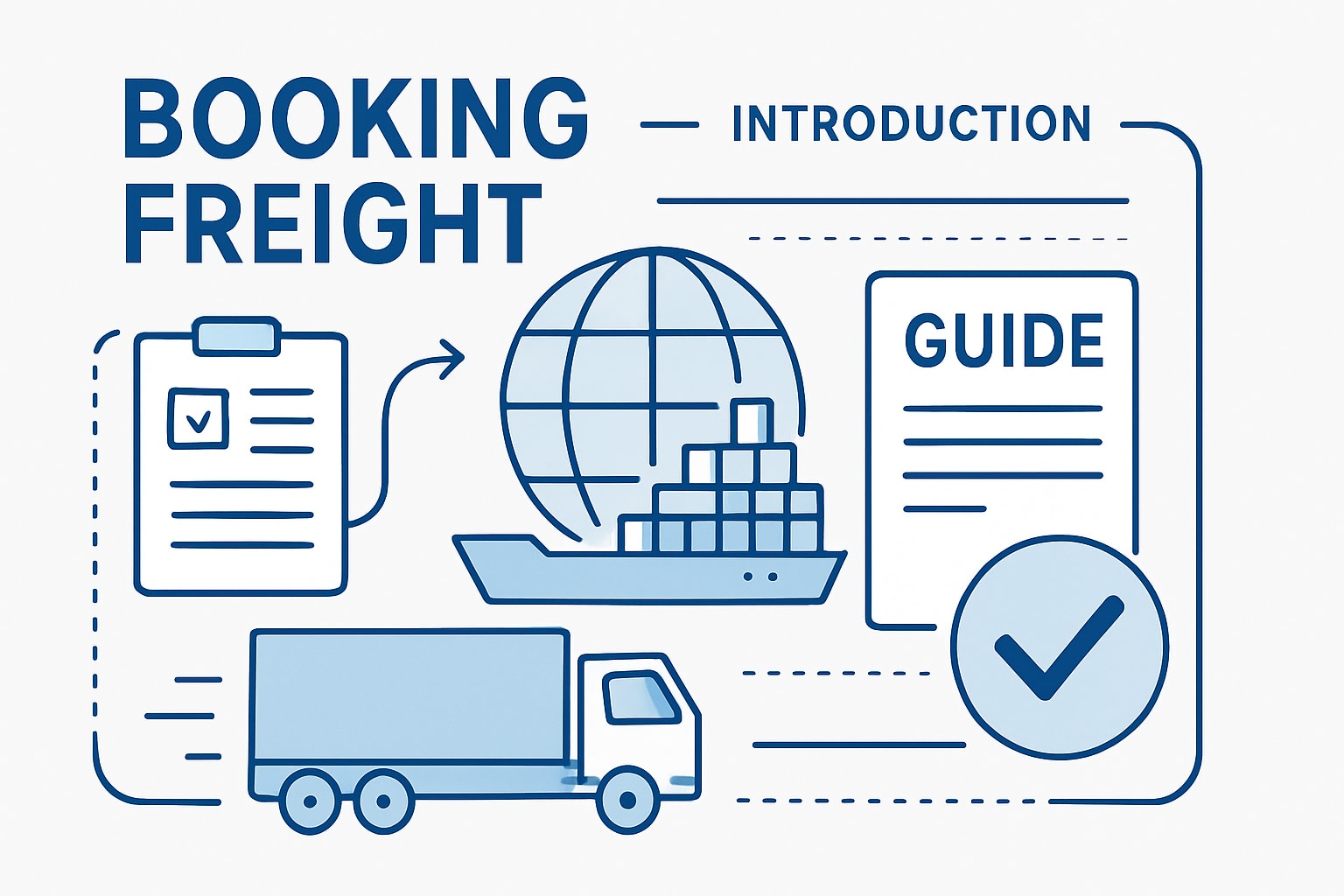
The world of booking freight is changing fast as new technology, regulations, and global trends reshape the way businesses manage their supply chains. In 2026, staying ahead means understanding these shifts and making smart choices for your shipping needs.
This guide gives you expert-backed tips to help you master the booking process, save costs, and manage risks. Discover the latest trends, digital tools, step-by-step booking advice, and proven strategies for supply chain success. Are you ready to turn industry change into your competitive advantage? Start your journey to smoother, more profitable shipping today.
The world of booking freight is changing rapidly, and 2026 will present new challenges and opportunities for shippers. To succeed, businesses must understand the global trends, regulatory shifts, and technological advancements shaping the industry. Let us explore what lies ahead for booking freight and how companies can adapt for long-term success.

Global economic changes are significantly affecting booking freight strategies. New trade agreements are opening routes, while emerging markets are shifting demand patterns. Businesses are now exploring fresh trade corridors in Asia, Africa, and Latin America, which is reshaping traditional logistics flows.
Environmental regulations are also influencing decisions. Companies must now consider green logistics initiatives, such as carbon reduction targets and eco-friendly packaging. Many are adapting to these new standards by investing in cleaner fleets and sustainable supply chains.
Recent examples include major retailers switching to greener carriers to meet customer expectations. By understanding these global trends, businesses can future-proof their booking freight operations.
Digitalisation and automation are at the heart of booking freight in 2026. Integrated logistics platforms connect shippers, carriers, and partners, creating seamless booking experiences. Automation reduces manual work and minimises errors, making freight management more efficient.
Customers now expect speed, transparency, and flexibility. Leading companies like Maersk are offering end-to-end digital solutions. These platforms enable real-time updates and quicker responses to market changes.
For a deeper dive into the biggest shifts, see the Top Five Freight Industry Trends in 2026, which highlights regulatory updates, AI integration, and enhanced carrier collaboration. Embracing these trends is essential for competitive booking freight.
Choosing the right mode is crucial for booking freight. Each option presents unique advantages and drawbacks, and multi-modal solutions are increasingly popular.
| Mode | Strengths | Drawbacks |
|---|---|---|
| Ocean | Cost-effective, high capacity | Slower transit, port delays |
| Air | Fast, reliable for urgent goods | Expensive, limited volume |
| Rail | Sustainable, good for long-haul | Network limitations |
| Road | Flexible, door-to-door | Vulnerable to congestion |
Hybrid models combine these modes for optimal speed and cost. Data shows a shift toward integrated solutions, with capacity balancing across networks. By assessing all options, companies can make smarter booking freight decisions.
The regulatory landscape for booking freight is more complex than ever. New customs rules, safety standards, and environmental policies are being implemented worldwide. Compliance is no longer optional, as authorities increase scrutiny and penalties.
Carbon-neutral shipping and emissions tracking are becoming standard. Many booking freight platforms now provide carbon calculators and green service options. Companies are selecting partners who can help them meet sustainability goals while maintaining compliance.
Understanding these developments is vital. Non-compliance can delay shipments and add costs, while proactive adaptation supports smoother operations and strengthens brand reputation.
Technology is transforming how businesses approach booking freight. Artificial intelligence, IoT devices, and blockchain are now central to logistics planning. These tools enable real-time tracking, predictive analytics, and secure data sharing.
Platforms like Maersk’s digital management tools offer a single interface for booking, tracking, and managing documentation. This streamlines processes and provides actionable insights for shippers.
With technology driving smarter decisions, companies gain greater visibility and control over their booking freight activities. Investing in digital solutions is key to staying ahead in 2026.
Navigating booking freight in 2026 requires a clear, methodical approach. The landscape is increasingly digital, but fundamentals remain essential. Follow this step-by-step process to ensure your shipments are booked efficiently, cost-effectively, and with full compliance.

The first step in booking freight is to clarify your requirements. Identify the type of cargo, its dimensions, and the urgency of delivery. This information determines the most suitable transport mode and route.
Consider whether your shipment is best suited for Less than Container Load (LCL) or Full Container Load (FCL) based on cost and speed. For urgent or high-value goods, air freight may be preferable, while ocean freight suits large volumes and cost-sensitive deliveries.
| Factor | LCL | FCL |
|---|---|---|
| Cost | Lower for small loads | Lower per unit for large loads |
| Speed | Moderate | Faster direct routes |
| Flexibility | High | Fixed schedule |
By matching your needs with the right options, booking freight becomes a more strategic, informed process.
With your needs defined, compare available providers and digital booking platforms. Evaluate service reliability, pricing transparency, and platform features. Digital platforms offer real-time quotes and instant bookings, while traditional brokers may provide personalised guidance for complex shipments.
Look for online tools that streamline booking freight, such as Maersk Spot and similar services. These platforms reduce manual errors and accelerate the booking process. To understand how digital innovations are reshaping the industry, see How technology is transforming freight booking.
Choosing the right provider sets the foundation for a smooth shipping experience.
Proper documentation is critical when booking freight. Prepare all necessary paperwork, such as the commercial invoice, packing list, and Verified Gross Mass (VGM) certificate. Digital documentation tools simplify this process, reducing the risk of errors and delays.
Stay updated on customs requirements for your destination. Many providers, including Maersk, now offer digital document management, allowing you to upload and track all compliance records in one place.
Accurate paperwork ensures shipments move seamlessly through checkpoints.
Once documentation is ready, proceed with booking freight through your chosen channel. Secure space by confirming the shipment details and locking in rates. Review service agreements to understand included services and any additional fees.
Instant booking options are invaluable for urgent shipments, providing immediate confirmation and guaranteed capacity. Always double-check booking confirmations and service terms for accuracy.
Prompt confirmation means your cargo is scheduled and protected from unexpected changes.
After booking freight, leverage digital tools for real-time tracking and communication. Set up shipment alerts to receive updates on key milestones and potential delays.
Integrated management platforms centralise information, offering full visibility across the shipment lifecycle. Proactive communication with all parties helps address issues promptly and maintain control over delivery schedules.
Effective tracking reduces uncertainty and supports responsive supply chain management.
Once your shipment is on its way, focus on post-booking freight tasks. Manage invoices, payments, and update documentation as required. If you need to amend bookings or add services, such as inland transport or extra free time, use your provider’s digital platform for quick modifications.
Features offered by major providers, like Maersk, allow for easy post-booking management, ensuring flexibility and transparency as circumstances evolve.
By staying engaged after booking freight, you protect your interests and maintain supply chain efficiency.
Freight is entering a digital-first era, and the way businesses approach booking freight is fundamentally changing. Modern technology is streamlining processes, improving visibility, and delivering data-driven insights that empower shippers to make smarter decisions. Let us explore the key innovations shaping the future of booking freight in 2026.
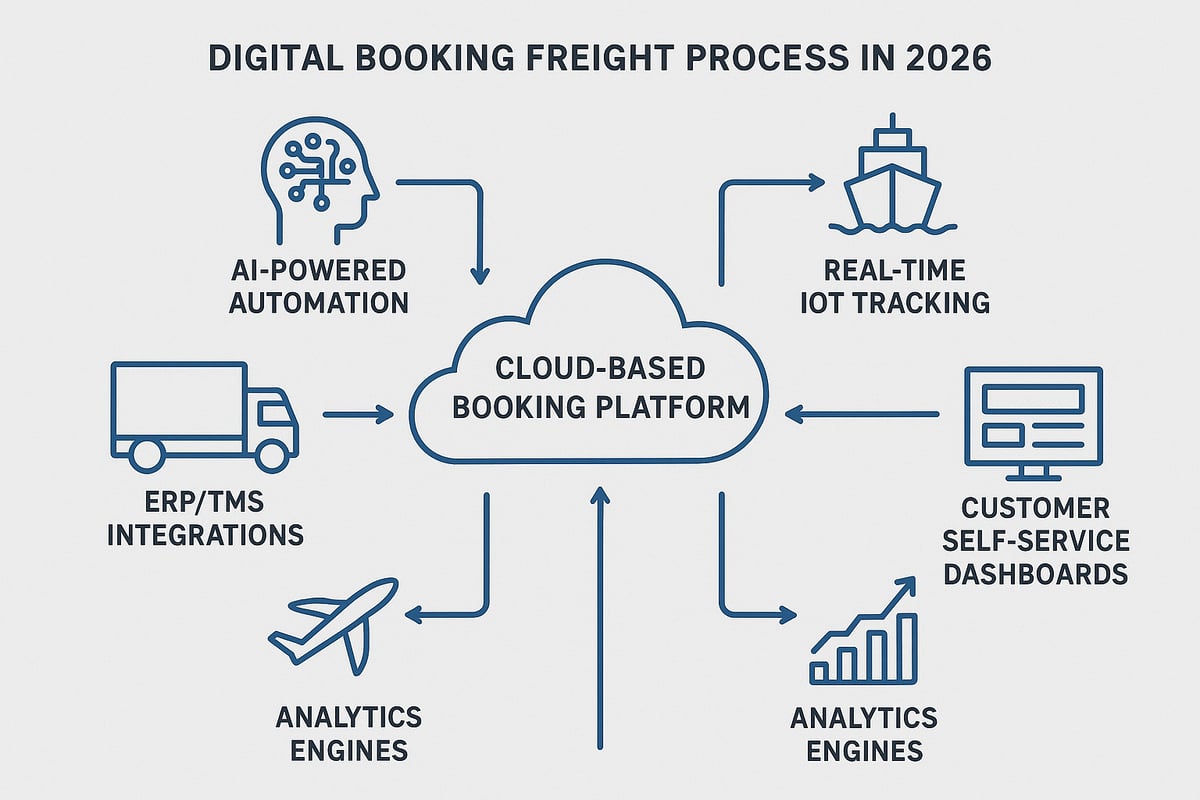
Automation is transforming booking freight by replacing manual processes with intelligent, self-serve systems. AI-powered platforms now handle everything from instant rate calculations to capacity matching, reducing human error and speeding up bookings. Shippers benefit from rapid access to multiple carriers and competitive pricing, all within a single interface.
Automated booking freight tools also enable 24/7 access, allowing users to secure shipments outside traditional business hours. This shift means businesses can respond quickly to market changes, ensuring their cargo moves efficiently and reliably. In 2026, automated platforms are no longer an option—they are essential for keeping pace with global logistics demands.
Visibility is now a non-negotiable expectation in booking freight. Thanks to IoT sensors and advanced tracking dashboards, shippers can monitor cargo location, condition, and status throughout the entire journey. Real-time data empowers proactive responses to disruptions, minimising risks and delays.
For temperature-sensitive shipments, solutions like Maersk’s Captain Peter provide live updates on in-transit conditions, ensuring product integrity. Enhanced tracking not only builds trust with customers but also streamlines operations. Reliable, real-time visibility is quickly becoming the standard for booking freight success.
The integration of booking freight platforms with ERP, TMS, and inventory systems is driving operational excellence. By connecting these tools, businesses eliminate manual data entry, reduce errors, and accelerate decision-making. API and data integrations enable seamless communication between systems, supporting end-to-end logistics management.
When booking freight, integration ensures that shipment details, inventory levels, and financial data are synchronised in real time. This level of coordination improves planning and reduces costly mistakes. For more detail on how intelligence and data are smoothing transitions, see air cargo intelligence for smooth transitions.
Digital tools are redefining customer experience in booking freight. Self-service portals and mobile apps give shippers the power to manage bookings, track shipments, and receive proactive notifications from any device. Personalised dashboards centralise all information, making it easy to handle multiple shipments and tasks.
These innovations reduce friction and empower users to resolve issues independently. As customer expectations evolve, digital solutions are proving critical to satisfaction and loyalty. In the world of booking freight, seamless digital experiences are now a key competitive advantage.
Analytics are revolutionising booking freight by turning raw data into actionable insight. Platforms leverage historical shipment data, market trends, and predictive algorithms to optimise routes, select the best modes, and control costs. Decision-makers can forecast demand, identify potential risks, and plan more effectively.
Predictive analytics helps shippers anticipate disruptions and adjust strategies proactively. By embracing data-driven decision making, companies booking freight in 2026 position themselves for greater efficiency, resilience, and profitability. Informed choices, powered by real-time intelligence, are shaping the future of global logistics.
Optimising costs in booking freight is essential for supply chain resilience and profitability in 2026. Companies must navigate shifting market dynamics, evolving pricing models, and a growing menu of value-added services. By strategically approaching each step, shippers can find the right balance between cost, service, and risk.

Freight pricing in 2026 is increasingly dynamic, with base rates, surcharges, and variable fees all impacting the final invoice. When booking freight, it is vital to understand how factors such as fuel adjustments, peak season charges, and equipment imbalances influence your costs.
A typical breakdown includes:
Market trends, such as global fleet overcapacity and rate volatility, are shifting the landscape. For a deeper look at how these factors influence container shipping, see Container Shipping Trends for 2026. Understanding these components is the first step towards smarter booking freight decisions.
Securing the best rates in booking freight often comes down to timing and consolidation. Early bookings can lock in favourable prices, while spot bookings may offer flexibility but carry a premium.
Consider these strategies:
Digital booking freight tools provide real-time access to rates and capacity, empowering businesses to make informed choices. Companies that combine proactive planning with technology consistently achieve measurable cost savings.
Value-added services are now a standard part of booking freight, allowing shippers to streamline operations and reduce risk. These services can include warehousing, customs clearance, insurance, and inland transport.
Key benefits:
When booking freight, evaluate which services align with your shipment needs and supply chain goals. Selecting the right mix can lead to both cost savings and improved reliability.
Hidden charges are a frequent challenge when booking freight. Demurrage, detention, and accessorial fees can quickly erode profit margins if not managed proactively.
Watch for:
To avoid these pitfalls in booking freight, maintain accurate records, confirm requirements early, and clarify all terms with your provider. Learning from common mistakes helps protect your bottom line.
Total cost of ownership (TCO) in booking freight extends beyond the initial rate. It encompasses transit time, service reliability, and the value of added features.
Consider:
| Factor | Impact on TCO |
|---|---|
| Transit time | Affects inventory and cash flow |
| Reliability | Reduces risk of delays |
| Service quality | Minimises disruptions |
| Ancillary services | Streamlines logistics |
Digital platforms enable comprehensive comparisons of total landed costs when booking freight. By evaluating all cost elements, shippers can make decisions that deliver long-term value, not just short-term savings.
Effectively managing risk and compliance is essential for booking freight in a rapidly changing logistics environment. With regulations tightening and customer expectations rising, businesses must take a proactive approach to protect their cargo, ensure smooth customs clearance, and uphold sustainability standards. The following sections offer actionable guidance for each area of risk and compliance.
Staying ahead of evolving trade regulations is crucial for booking freight in 2026. Customs authorities worldwide are adopting digital documentation, stricter safety protocols, and new environmental compliance measures. To avoid costly delays, businesses should:
Digital platforms now streamline compliance by integrating customs workflows with booking freight processes. Automated document checks help reduce errors and enable faster customs clearance. Proactive compliance not only minimises risk but also builds trust with partners and authorities.
Cargo security is a top priority when booking freight, especially for high-value or sensitive goods. Insuring shipments, using tamper-evident seals, and selecting reputable carriers all help mitigate risk. For temperature-sensitive cargo, it is vital to ensure proper packaging and real-time monitoring.
For perishable or pharmaceutical shipments, following temperature-controlled freight best practices is essential to prevent spoilage and ensure compliance with health standards. Investing in advanced tracking and monitoring solutions can further strengthen your cargo protection strategy.
Unexpected events such as extreme weather, strikes, or geopolitical issues can disrupt booking freight schedules. To build resilience, companies should develop contingency plans, maintain flexible booking options, and leverage real-time alerts.
Key disruption management strategies include:
| Disruption Type | Response Strategy |
|---|---|
| Weather events | Alternate routing, early booking |
| Port congestion | Multi-modal transport options |
| Labour strikes | Flexible contracts, standby carriers |
| Geopolitical events | Dynamic risk assessment |
Digital management platforms can notify stakeholders instantly and facilitate rapid rebooking. By prioritising communication and flexibility, businesses can minimise the impact of disruptions on their supply chain.
Sustainability is now a key factor in booking freight, with regulations requiring emissions tracking and carbon reduction commitments. Choosing eco-friendly carriers and green logistics solutions not only supports compliance but can also enhance brand reputation.
Meeting environmental targets and adhering to ethical standards are now integral to freight strategies. By embedding sustainability in booking freight decisions, companies can future-proof their supply chains and appeal to environmentally conscious clients.
Future-proofing your approach to booking freight is essential if you want to stay competitive in 2026’s dynamic logistics landscape. With rapid digital transformation and shifting market trends, businesses must adopt proactive strategies to ensure resilience, efficiency, and growth. Let’s explore key steps to secure your freight operations for the future.
Customer expectations for booking freight are evolving rapidly. Personalisation and agility now set leading shippers apart. Clients increasingly demand real-time updates, flexible delivery options, and tailored solutions to match their supply chain needs.
The rise of on-demand and just-in-time shipping models means that businesses must be able to respond quickly to fluctuations in demand. Monitoring shifts in global trade flows is also critical, as emerging markets may require new routing strategies or transport modes.
Staying ahead means regularly reviewing your booking freight process and embracing technology that enables faster, more responsive service. For a deeper dive, see the Key Trends in U.S. Freight for 2026.
Strong relationships with logistics providers are vital for future-ready booking freight strategies. Rather than relying solely on transactional, one-off bookings, consider building long-term partnerships that foster innovation and shared risk management.
Collaborating with providers can unlock access to advanced digital tools, integrated visibility, and priority space during peak periods. Many successful shippers work closely with their carriers to co-develop solutions, streamline workflows, and adapt to new regulations.
A strategic partnership approach to booking freight also promotes open communication, helping both parties address challenges more effectively and capitalise on growth opportunities.
To future-proof your booking freight operations, investing in both technology and people is crucial. Today’s digital platforms offer advanced features such as predictive analytics, AI-driven optimisation, and seamless integration with supply chain systems.
However, the benefits of these tools depend on an empowered and skilled workforce. Regularly train your teams on new platforms and encourage continuous learning to keep pace with industry innovation.
Align your IT investments with broader logistics objectives to ensure that technology supports business goals. This combination of digital adoption and talent development will keep your booking freight strategy ahead of the curve.
Continuous improvement is the cornerstone of effective booking freight management. Regularly monitor industry trends, competitor strategies, and regulatory updates to inform your decision-making.
Set clear KPIs for booking freight efficiency, cost control, and service quality. Use benchmarking data to compare your performance against industry standards, identifying areas for optimisation.
Leverage industry insights such as the Key Trends in U.S. Freight for 2026 to anticipate changes and adjust your approach. This proactive mindset ensures your freight booking process remains resilient, agile, and profitable.
As you look ahead to 2026 and consider how evolving technology, shifting regulations, and new booking strategies will shape your freight operations, remember that success comes from blending expertise with the right digital tools. If you’re ready to streamline your air cargo charter bookings, improve visibility, and stay ahead of industry changes, now’s the perfect time to see how CharterSync’s platform can support your goals. Let’s turn these expert tips into real-world results for your business—request a demo and discover how easy and efficient future freight booking can be.

.png)