.png)
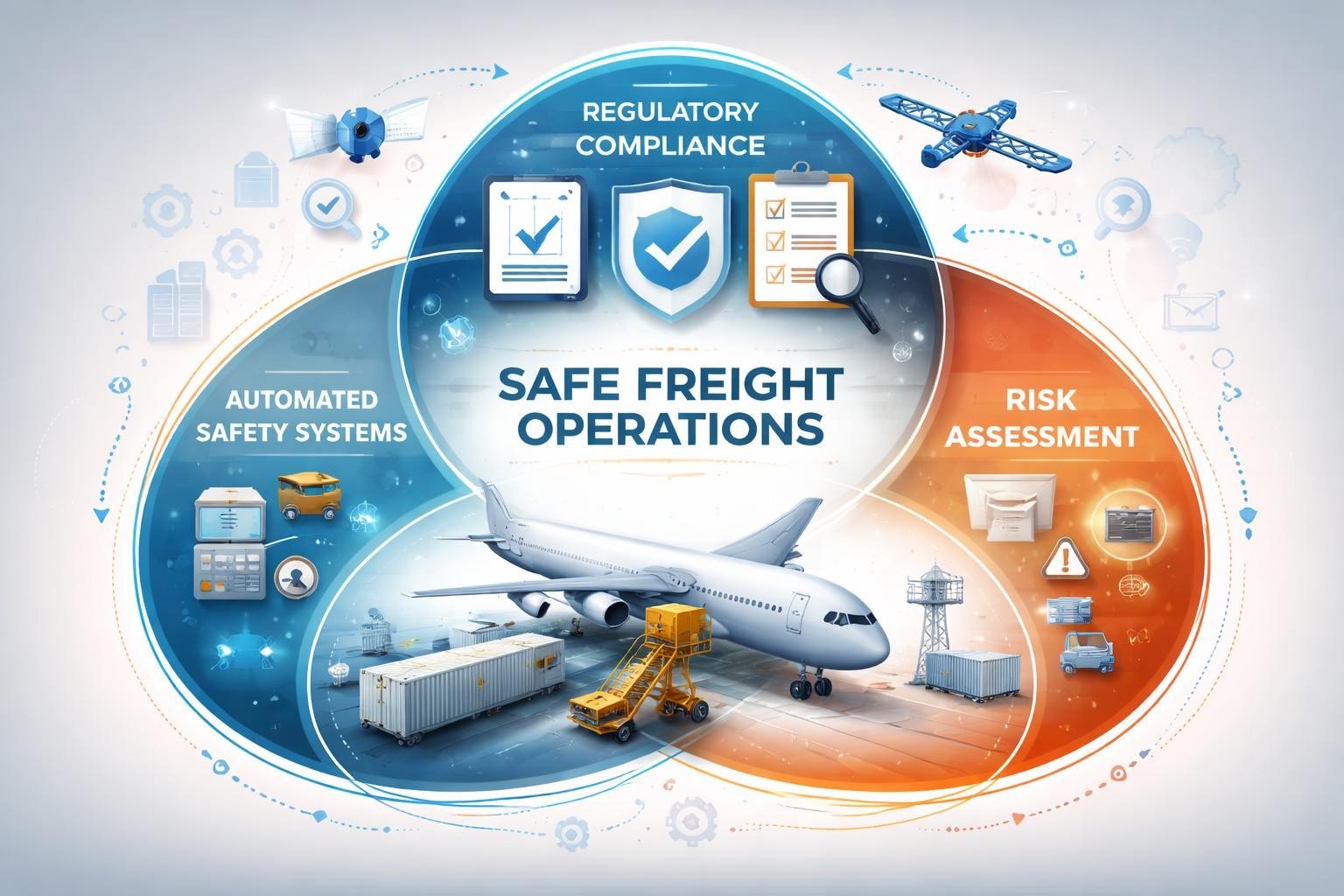
The transportation of goods across global supply chains demands unwavering attention to safety protocols, regulatory compliance, and risk management practices. Safe freight operations form the foundation of successful logistics, protecting valuable cargo whilst safeguarding personnel, equipment, and the environment. For freight forwarders and logistics professionals operating in the air cargo sector, understanding comprehensive safety measures is not merely a regulatory obligation but a competitive advantage that builds trust and reliability in an increasingly complex marketplace.
Safe freight encompasses far more than simply securing packages inside an aircraft hold. It represents a comprehensive approach to cargo handling that addresses every touchpoint from initial booking through final delivery. This multifaceted discipline requires coordination between shippers, carriers, ground handlers, and regulatory authorities to ensure consistent safety standards across the entire transportation chain.
The complexity of safe freight operations increases dramatically when dealing with specialised cargo categories. Pharmaceutical shipments require precise temperature controls and contamination prevention measures, whilst automotive components demand protection from physical damage and environmental exposure. High-tech equipment necessitates electrostatic discharge protection and vibration dampening systems. Each cargo type presents unique safety considerations that must be addressed through tailored protocols and specialised handling procedures.
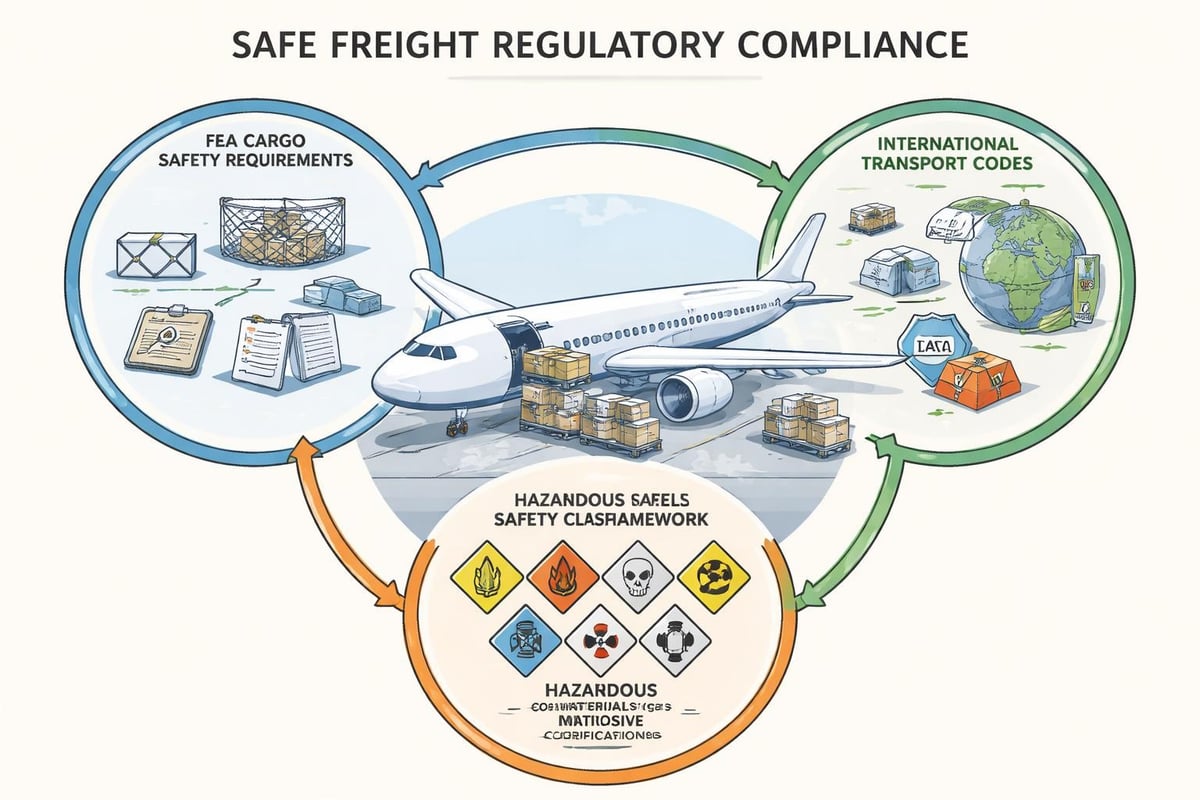
The regulatory landscape governing safe freight operations comprises multiple layers of national and international standards. The Federal Aviation Administration provides comprehensive cargo safety regulations that establish baseline requirements for air transportation, covering everything from packaging specifications to documentation protocols. These regulations form the cornerstone of safe freight practices in the aviation sector, ensuring consistent safety standards across all operators.
For freight forwarders navigating the complexities of air cargo charter, understanding these regulatory requirements is essential. The Hazardous Materials Transportation Act establishes the principal U.S. federal framework for transporting dangerous goods, setting forth detailed requirements for classification, packaging, labelling, and documentation. Compliance with these regulations protects against significant legal and financial liabilities whilst demonstrating professional competence to clients and partners.
International shipments introduce additional regulatory layers that must be seamlessly integrated into operational procedures. The International Maritime Dangerous Goods Code provides guidelines applicable to intermodal shipments, whilst various bilateral and multilateral agreements create specific requirements for cross-border movements. Safe freight operations demand thorough knowledge of these overlapping regulatory frameworks and the ability to navigate their complexities efficiently.
Implementing safe freight protocols begins with comprehensive risk assessment that identifies potential hazards throughout the transportation cycle. This systematic evaluation examines cargo characteristics, route conditions, handling requirements, and environmental factors to develop appropriate mitigation strategies. Advanced platforms like CharterSync's technology integrate risk assessment into the quoting and booking process, ensuring safety considerations inform every operational decision.
Accurate cargo classification represents the first critical step in safe freight operations:
This classification process creates the foundation for all subsequent safety measures, informing packaging selection, aircraft compatibility, loading procedures, and emergency response protocols. Incomplete or inaccurate classification undermines the entire safe freight framework, potentially exposing cargo, personnel, and equipment to unacceptable risks.
Proper packaging forms a critical barrier between cargo and potential damage sources during transportation. Safe freight standards specify packaging requirements based on cargo classification, transportation mode, and anticipated handling conditions. These standards address structural integrity, cushioning materials, closure mechanisms, and labelling requirements to ensure packages maintain their protective function throughout the journey.
| Packaging Type | Applications | Key Safety Features | Regulatory Standards |
|---|---|---|---|
| UN-certified containers | Hazardous materials | Pressure testing, leak prevention | DOT/IATA specifications |
| Temperature-controlled units | Pharmaceuticals, biologics | Active monitoring, backup systems | GDP/GxP compliance |
| Custom crating | Heavy machinery | Load distribution, securing points | Engineering certification |
| Anti-static packaging | Electronics | ESD protection, moisture barriers | IEC standards |
The selection of appropriate packaging directly impacts safe freight outcomes, with underspecified solutions creating damage risks and overengineered approaches generating unnecessary costs. Temperature controlled freight operations particularly demand precision packaging selection to maintain product integrity throughout varying environmental conditions.
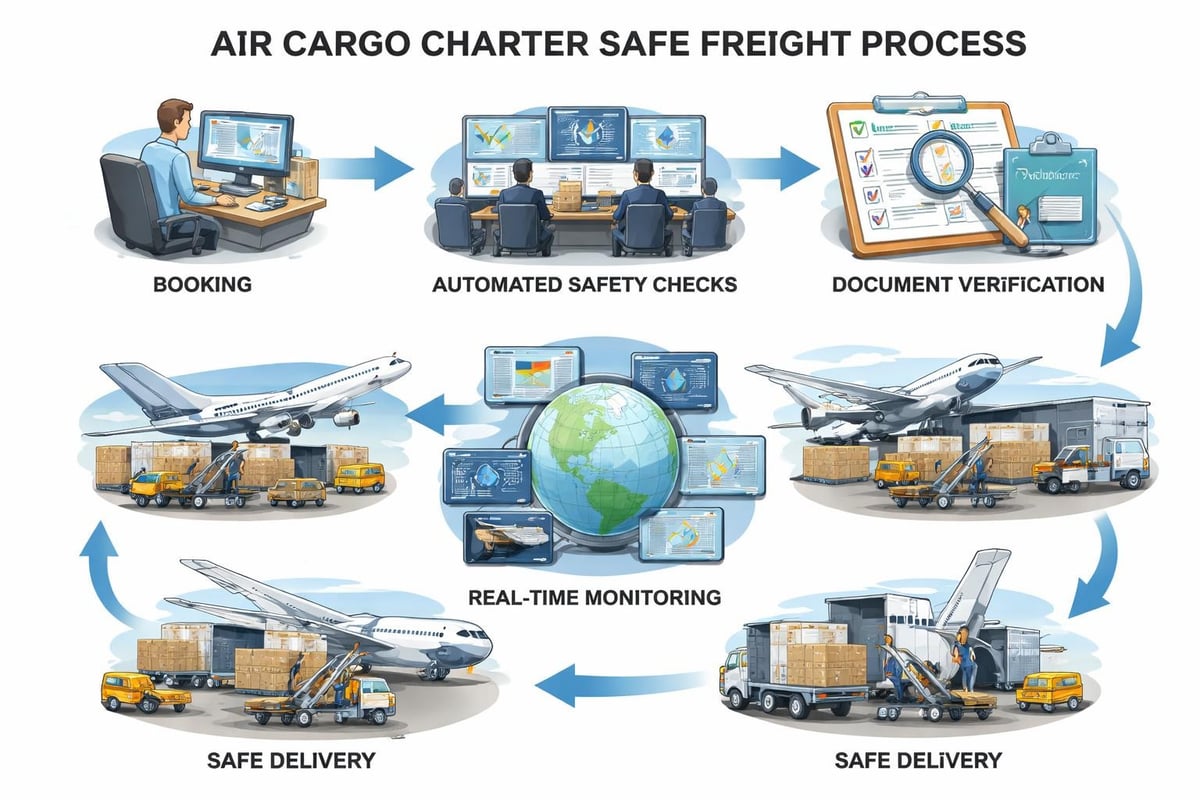
Translating regulatory requirements and risk assessments into practical operational procedures requires disciplined execution and continuous monitoring. Safe freight operations depend on standardised processes that create consistency across different shipments, routes, and personnel whilst maintaining flexibility to address unique circumstances.
Comprehensive documentation underpins every aspect of safe freight operations:
Modern freight forwarding operations leverage digital documentation systems that improve accuracy whilst enabling real-time information sharing between stakeholders. These platforms reduce transcription errors, accelerate customs clearance, and provide audit trails that demonstrate regulatory compliance.
Aircraft loading represents a critical phase where safe freight principles directly impact operational safety. Improper loading can shift the aircraft's centre of gravity, create collision hazards during turbulence, or obstruct emergency equipment access. Professional ground handling teams follow detailed loading plans that specify cargo placement, securing methods, and weight distribution to maintain aircraft stability and cargo integrity.
The complexity of loading procedures varies significantly based on cargo characteristics and aircraft configuration. Standard palletised freight follows established patterns that optimise space utilisation whilst maintaining accessibility, whereas oversized shipments may require custom securing solutions and special loading equipment. Air cargo packing expertise ensures that diverse cargo types receive appropriate treatment throughout the loading process.
Digital transformation has revolutionised safe freight operations, introducing automation and intelligence that supplement human expertise with data-driven insights. Advanced platforms analyse vast datasets to identify patterns, predict risks, and optimise safety protocols in ways that manual processes cannot match. These technological capabilities enhance safety whilst improving operational efficiency and cost-effectiveness.
Modern cargo charter platforms incorporate automated safety checks that verify compliance before confirming bookings. These systems cross-reference cargo specifications against aircraft capabilities, route restrictions, and regulatory requirements to identify potential issues before they impact operations. By catching discrepancies early in the booking process, automated verification prevents costly delays and safety incidents.
Key automated safety features include:
CharterSync's intelligent automation exemplifies this approach, combining comprehensive safety checks with expert human oversight to ensure that every shipment meets stringent safe freight standards. This hybrid model leverages technology's speed and consistency whilst maintaining the judgement and flexibility that experienced professionals provide.
Visibility throughout the transportation cycle has become a fundamental component of safe freight operations. Real-time monitoring systems track cargo location, environmental conditions, and handling events to provide early warning of potential issues. Temperature-sensitive shipments particularly benefit from continuous monitoring that alerts stakeholders to deviations before product integrity is compromised.
Advanced tracking capabilities extend beyond simple location updates to encompass comprehensive condition monitoring. Sensors measure temperature, humidity, shock, tilt, and light exposure, creating detailed records that document cargo treatment throughout its journey. This data supports regulatory compliance, enables rapid incident response, and provides evidence for insurance claims when necessary.
Different industry sectors impose unique safe freight requirements that demand specialised knowledge and capabilities. Understanding these sector-specific considerations enables freight forwarders to provide appropriate solutions whilst maintaining the highest safety standards.
Pharmaceutical cargo represents one of the most demanding safe freight categories, combining strict regulatory requirements with unforgiving environmental tolerances. Temperature excursions of even a few degrees can render medications ineffective or dangerous, creating significant patient safety risks and financial losses. Safe freight protocols for pharmaceuticals require validated temperature-controlled solutions, continuous monitoring, and comprehensive documentation that demonstrates Good Distribution Practice compliance.
The complexity increases substantially for biological materials, vaccines, and clinical trial supplies that may require ultra-low temperatures, specific orientation, or time-critical delivery. These shipments demand specialised equipment, trained personnel, and robust contingency plans that address potential disruptions throughout the transportation cycle.
Automotive logistics encompasses diverse cargo types ranging from small electronic components to complete vehicle assemblies. Each category presents distinct safe freight challenges that must be addressed through appropriate handling procedures. Delicate sensors require protection from electrostatic discharge and physical shock, whilst heavy engine blocks demand robust securing systems that prevent movement during transport.
Just-in-time manufacturing models have intensified the importance of safe freight operations in automotive logistics. Production line disruptions resulting from damaged or delayed components generate substantial costs, making reliable safe freight services essential for automotive manufacturers and their suppliers. Air cargo charter solutions provide the speed and flexibility that automotive supply chains require whilst maintaining rigorous safety standards.
High-tech equipment combines significant value with extreme fragility, creating safe freight challenges that demand meticulous attention throughout the transportation process. Semiconductor manufacturing equipment, medical imaging systems, and aerospace components may cost millions whilst remaining vulnerable to contamination, vibration, or electrostatic discharge. Safe freight protocols for these shipments specify cleanroom-level handling, custom packaging, and environmental monitoring that protects against even minor handling errors.
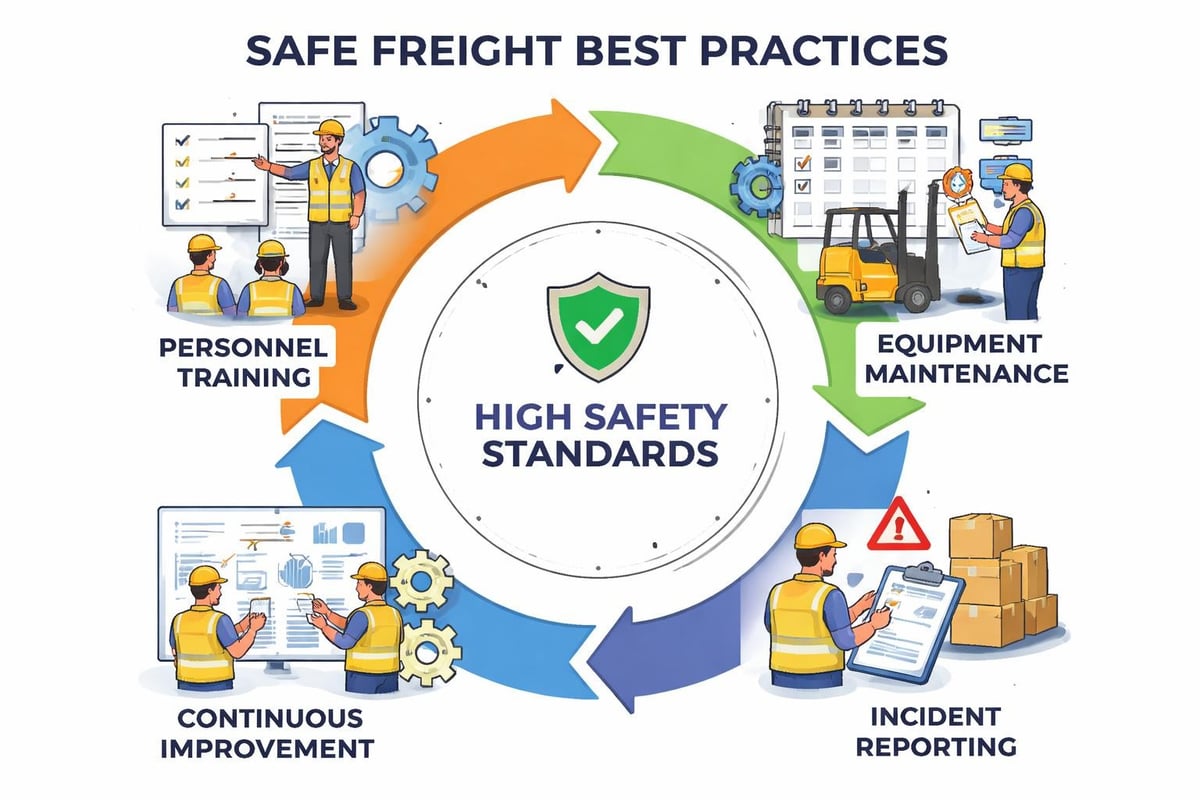
Technology and procedures provide essential tools for safe freight operations, but sustained excellence requires a safety-focused organisational culture that permeates every level of operations. This culture treats safety not as a compliance obligation but as a core value that guides decision-making and shapes operational priorities.
Comprehensive training programmes ensure personnel possess the knowledge and skills necessary for safe freight handling:
Regular refresher training maintains competency whilst introducing updated regulations and best practices. Certification programmes provide objective verification of personnel qualifications, building customer confidence and ensuring consistent safety standards across the organisation.
Even the most robust safe freight systems occasionally experience incidents that threaten cargo integrity or operational safety. Effective incident reporting mechanisms capture these events, enabling analysis that identifies root causes and informs corrective actions. A non-punitive reporting culture encourages personnel to document near-misses and minor incidents that might otherwise go unreported, providing early warning of systemic issues before they escalate into serious problems.
Analysis of incident data reveals patterns that guide continuous improvement initiatives. Recurring issues may indicate inadequate procedures, insufficient training, or equipment limitations that require systematic solutions. This data-driven approach to safety management transforms reactive incident response into proactive risk reduction that steadily enhances safe freight performance.
The safe freight landscape continues to evolve as new technologies, regulations, and customer expectations reshape industry practices. Staying ahead of these trends enables freight forwarders to maintain competitive advantages whilst ensuring continued safety excellence.
Artificial intelligence and machine learning applications are expanding beyond basic automation to provide predictive capabilities that anticipate safety risks before they materialise. These systems analyse historical data, weather patterns, route conditions, and cargo characteristics to identify elevated risk scenarios that merit additional precautions. Predictive analytics enable proactive intervention rather than reactive problem-solving, fundamentally changing the safe freight paradigm.
Blockchain technology promises to enhance safe freight documentation through immutable records that provide complete transparency throughout the transportation chain. This distributed ledger approach eliminates documentation discrepancies, reduces fraud risks, and accelerates regulatory compliance verification. Smart contracts could automate compliance checks and trigger alerts when safety parameters are exceeded, creating self-enforcing safe freight protocols.
Regulatory harmonisation efforts seek to reduce the complexity of international safe freight operations by aligning standards across jurisdictions. However, international maritime regulations remain fragmented, creating ongoing challenges for intermodal shipments. Progress towards unified standards will simplify compliance whilst maintaining the safety protections that current regulations provide.
Environmental sustainability increasingly intersects with safe freight considerations as organisations seek to reduce carbon emissions whilst maintaining safety standards. Electric ground support equipment, sustainable packaging materials, and optimised routing algorithms demonstrate that environmental and safety objectives can advance simultaneously rather than competing for resources.
Safe freight operations represent a complex discipline that combines regulatory compliance, risk management, technological capabilities, and operational excellence to protect valuable cargo throughout the transportation cycle. Success requires comprehensive understanding of diverse requirements, investment in appropriate systems and training, and unwavering commitment to safety as a fundamental organisational value. CharterSync combines intelligent automation with dedicated human expertise to deliver safe freight solutions that meet the most demanding requirements, providing freight forwarders with the tools and support necessary to excel in today's competitive air cargo marketplace.

.png)