.png)
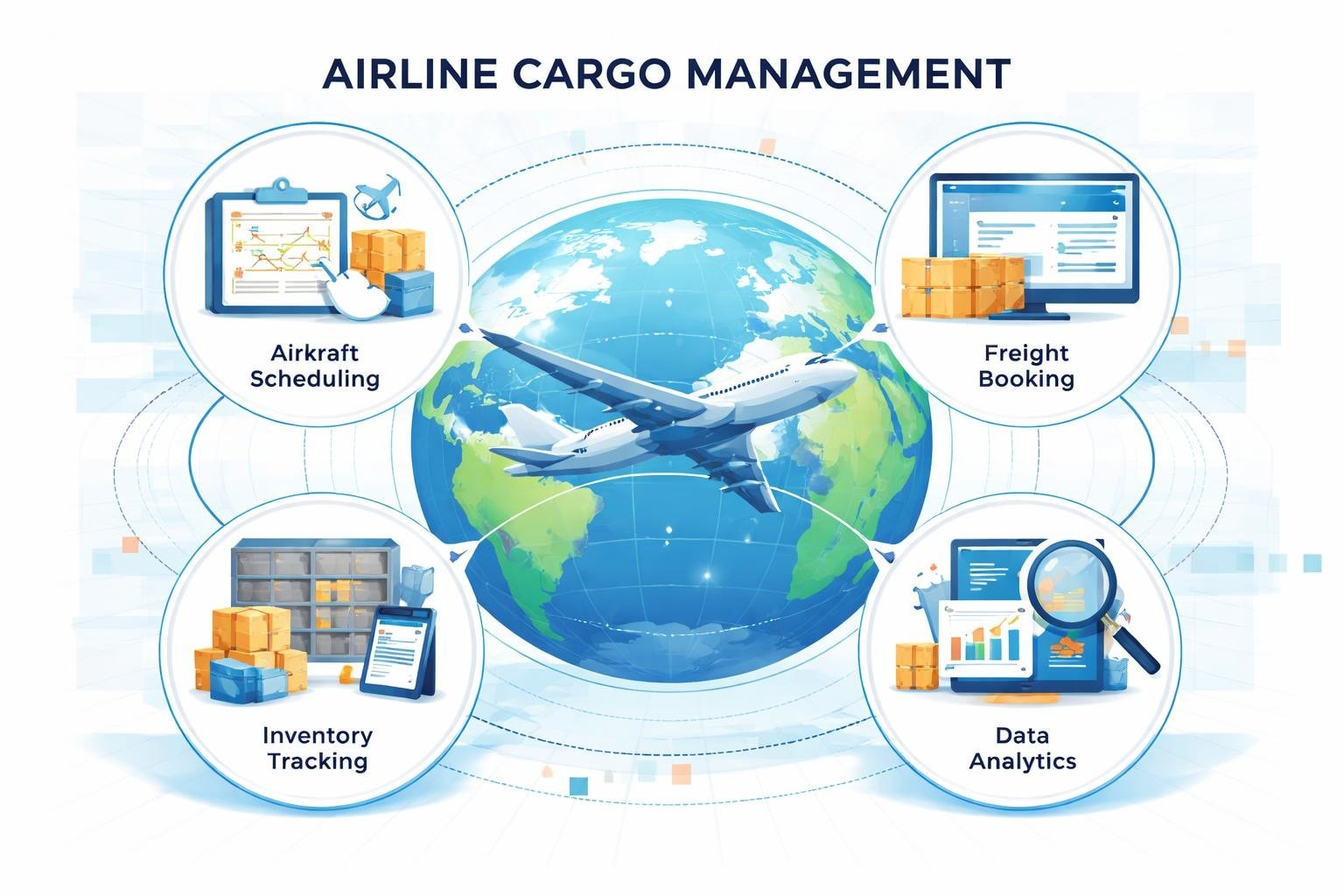
The global air cargo industry manages billions of pounds of freight annually, demanding sophisticated systems that coordinate aircraft capacity, shipment tracking, customs documentation, and real-time decision-making across continents. As supply chains become increasingly complex and customer expectations for speed intensify, airline cargo management has evolved from manual spreadsheets and phone calls into intelligent platforms that leverage automation, data analytics, and machine learning. For freight forwarders and logistics providers, understanding these management systems isn't merely advantageous but essential to remaining competitive in a rapidly transforming industry where efficiency directly impacts profitability and customer satisfaction.
Modern airline cargo management encompasses multiple interconnected processes that must function seamlessly to deliver cargo safely, efficiently, and profitably. At its foundation lies inventory management, which tracks available aircraft capacity across fleets, routes, and time periods. This capacity management directly influences revenue optimization, as carriers must balance load factors against pricing strategies.
Key operational components include:
The shift towards data-centric airline cargo management represents one of the industry's most significant transformations. Research into AI-powered revenue management systems demonstrates how machine learning predictions combined with mathematical optimization can substantially enhance revenue whilst reducing costly offloading scenarios.
Traditional approaches relied heavily on historical averages and human intuition. Contemporary systems process vast datasets including booking patterns, seasonal trends, route performance metrics, and external factors like economic indicators. This analytical depth enables carriers to make informed decisions about capacity allocation, pricing adjustments, and route planning.
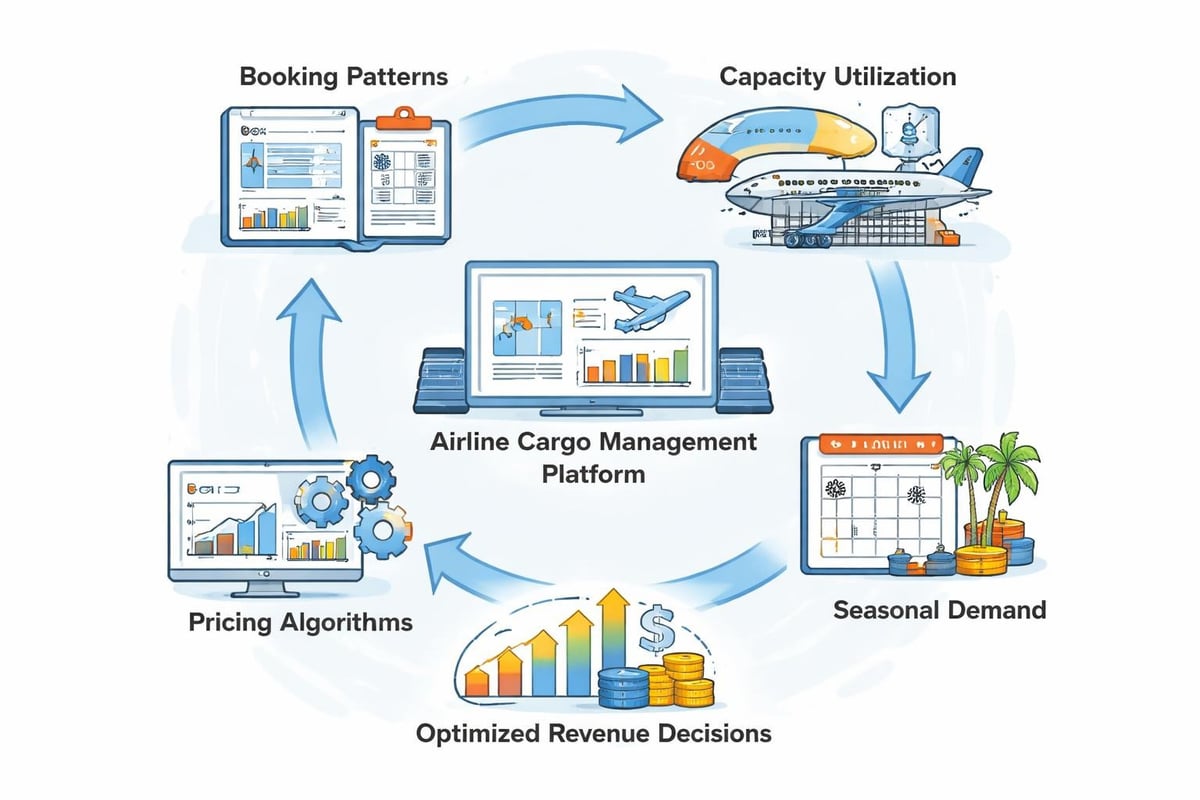
Automation has revolutionised how airline cargo management functions, eliminating manual bottlenecks and reducing human error across critical workflows. Intelligent platforms now handle tasks that previously required hours of staff time, from initial quote generation to final documentation processing.
The global aviation cargo management systems market reflects this technological evolution, with significant growth projected as more operators adopt integrated solutions. These platforms connect disparate systems-from warehouse management to customs clearance-creating unified operational views.
One of the most valuable automation features involves matching shipment requirements with appropriate aircraft capacity. This process considers multiple variables simultaneously:
| Matching Criteria | Traditional Approach | Automated Approach |
|---|---|---|
| Aircraft availability | Manual phone calls | Real-time database queries |
| Capacity verification | Spreadsheet calculations | Instant algorithmic matching |
| Route optimization | Experience-based decisions | AI-powered route analysis |
| Quote generation | 2-4 hours typical | Seconds to minutes |
| Booking confirmation | Multiple email exchanges | Single-click processing |
For specialized cargo requiring temperature-controlled freight capabilities, automated systems immediately filter aircraft equipped with appropriate environmental controls, dramatically accelerating the matching process whilst ensuring compliance with pharmaceutical and perishable goods requirements.
Despite technological advances, airline cargo management faces persistent challenges that demand strategic thinking and adaptive solutions. Capacity constraints during peak seasons, unexpected disruptions, and fluctuating demand create operational complexity requiring sophisticated management approaches.
When flights are delayed, cancelled, or redirected, the ripple effects impact dozens or hundreds of shipments. Machine learning approaches to integrated air cargo recovery address these disruptions by simultaneously optimizing aircraft and cargo recovery decisions, minimizing delays and costs.
Effective disruption management requires:
The air cargo charter industry has particularly benefited from these resilience-focused approaches, as charter operations often serve time-sensitive shipments where delays carry substantial financial consequences.
Effective airline cargo management balances the competing priorities of maximizing revenue, maintaining service quality, and optimizing capacity utilization. This equilibrium requires sophisticated forecasting models and dynamic pricing strategies.
Accurate forecasting forms the foundation of profitable operations. Time series forecasting studies in air cargo demonstrate how advanced machine learning models significantly improve demand predictions, enabling better strategic decision-making around capacity investments and route development.
Airlines must forecast across multiple dimensions-seasonal patterns, route-specific trends, industry-specific demands, and macroeconomic factors. High-tech electronics shipments, for instance, often spike before product launches, whilst automotive components follow manufacturing schedules and seasonal production cycles.
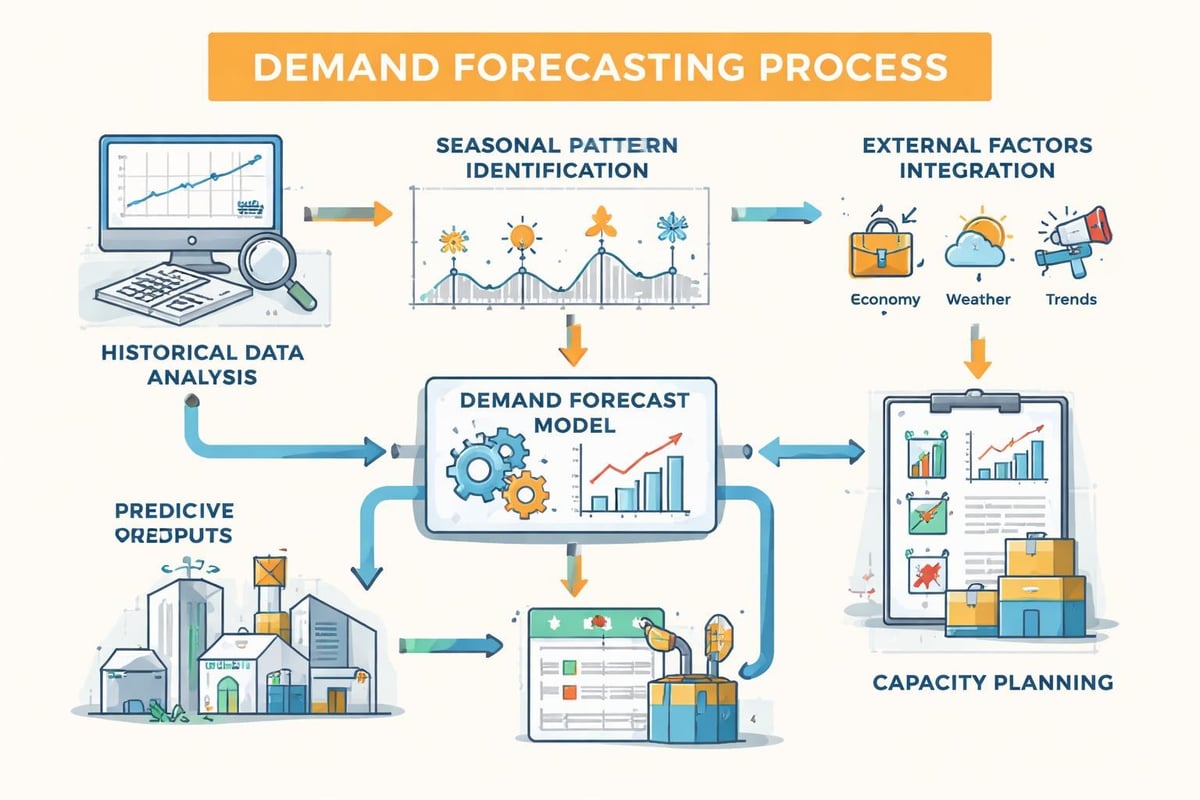
Modern freight forwarding operations increasingly rely on these forecasting capabilities to advise clients on optimal shipping windows and pricing expectations, adding strategic value beyond mere logistics coordination.
The regulatory complexity surrounding international air cargo creates substantial administrative burden. Each shipment typically requires multiple documents-airway bills, customs declarations, dangerous goods certifications, and export licences-with variations across jurisdictions.
Airline cargo management systems streamline this documentation through:
Specialized cargo categories demand particular attention within management systems. Dangerous goods shipping requires strict adherence to International Air Transport Association regulations, with detailed documentation of classifications, packaging specifications, and handling requirements.
| Document Type | Manual Processing Time | Automated Processing Time | Error Rate Reduction |
|---|---|---|---|
| Standard airway bill | 15-20 minutes | 2-3 minutes | 85% fewer errors |
| Dangerous goods declaration | 30-45 minutes | 5-7 minutes | 92% fewer errors |
| Customs documentation | 20-30 minutes | 3-5 minutes | 78% fewer errors |
| Temperature control certificates | 10-15 minutes | 1-2 minutes | 88% fewer errors |
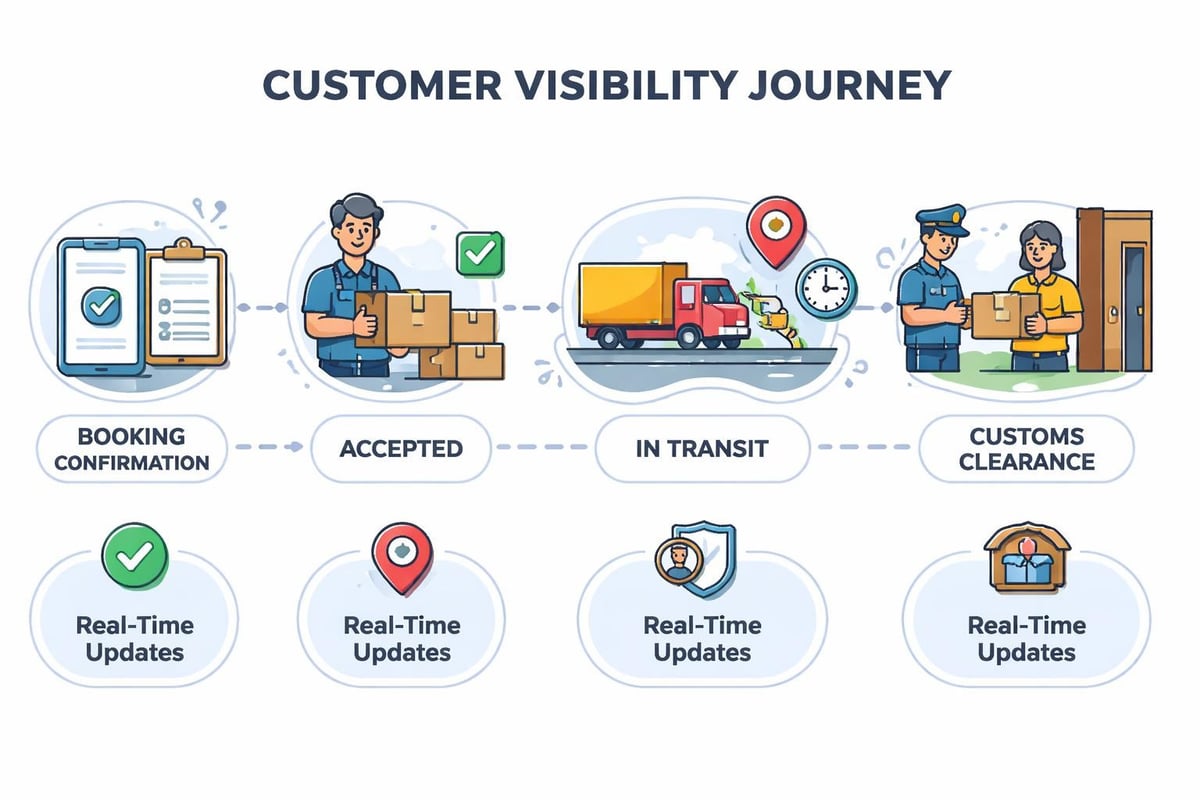
Modern airline cargo management extends beyond internal operations to customer-facing capabilities that transform the service experience. Freight forwarders and shippers increasingly expect real-time visibility, self-service booking options, and proactive communication throughout the shipping journey.
Comprehensive IATA data services provide market intelligence that informs tracking system development, ensuring alignment with industry standards and customer expectations. Effective tracking systems update shipment status at key milestones-acceptance, loading, departure, arrival, and delivery-whilst also capturing exception events.
Beyond basic location updates, advanced systems provide contextual information like customs clearance status, connection times at hub airports, and estimated delivery windows adjusted for real-time operational conditions. This transparency reduces customer service inquiries whilst building trust through proactive communication.
Airline cargo management cannot function in isolation-it must integrate seamlessly with warehouse management systems, ground transportation networks, customs platforms, and enterprise resource planning systems. These integrations eliminate data silos and enable end-to-end supply chain visibility.
The theoretical versus practical aspects of air cargo operations often diverge significantly, with integration challenges representing a primary gap between idealized models and operational reality. Successful implementations require standardized data formats, robust application programming interfaces, and careful change management.
Many shipments combine air transport with road or ocean freight, requiring coordination across multiple carriers and modes. Effective airline cargo management systems facilitate this coordination through:
For operations involving airport cargo handling and ground transportation, these integrations prove particularly critical to maintaining schedule integrity and preventing gaps in cargo custody.
Measuring airline cargo management effectiveness requires comprehensive metrics spanning operational efficiency, financial performance, and customer satisfaction. Leading operators establish key performance indicators across these dimensions, using data analytics to identify improvement opportunities.
Essential performance metrics include:
Comparing performance against industry benchmarks provides context for internal metrics. Market research on cargo management technology solutions reveals how leading operators leverage technology to achieve superior performance across operational and financial dimensions.
Regular performance reviews should examine trends over time, identify seasonal patterns, and highlight areas requiring corrective action. This continuous improvement mindset separates industry leaders from competitors struggling with stagnant processes.
Different cargo types demand tailored management approaches within broader airline cargo management frameworks. Pharmaceuticals require temperature monitoring and validation, automotive components need specialized securing equipment, and high-value electronics demand enhanced security protocols.
The automotive sector presents unique challenges with large, irregularly shaped components requiring careful loading planning. Just-in-time manufacturing models mean delayed shipments can halt production lines, making reliability paramount. Management systems supporting automotive logistics must prioritize schedule adherence and provide granular tracking.
Pharmaceutical cargo management demands environmental monitoring throughout the cold chain, with temperature excursion alerts and validation documentation. Systems must integrate with monitoring devices, generate compliance certificates, and maintain audit trails satisfying regulatory requirements.
High-tech electronics shipments often combine high value with time sensitivity, particularly during product launches. Enhanced security measures, expedited processing, and premium service levels characterize management approaches for this sector.
The evolution of airline cargo management continues accelerating, driven by emerging technologies and changing market dynamics. Artificial intelligence, blockchain, Internet of Things sensors, and autonomous systems promise further transformation over coming years.
Machine learning algorithms will increasingly handle complex optimization problems-from dynamic pricing to real-time route adjustments responding to weather patterns and airspace congestion. These systems will process exponentially more variables than human operators could consider, identifying optimal solutions that maximize efficiency whilst maintaining service quality.
Blockchain technology offers potential for secure, transparent documentation management, with immutable records reducing fraud risks and streamlining customs processes. Smart contracts could automate payment releases upon verified delivery, accelerating cash flow for all supply chain participants.
Emerging capabilities on the horizon:
The comprehensive industry analysis from Airports Council International provides historical context showing how technological advancement has consistently driven industry transformation, suggesting this trend will continue reshaping operations.
For freight forwarding businesses, effective airline cargo management directly impacts competitive positioning and profitability. The ability to quickly source appropriate capacity, generate accurate quotes, and provide superior customer service differentiates market leaders from followers struggling with outdated processes.
Platforms offering instant access to global aircraft inventories, automated booking workflows, and expert support transform operational capabilities. Rather than spending hours contacting multiple carriers and manually comparing options, forwarders using advanced management platforms complete these tasks in minutes, responding faster to customer requests whilst reducing administrative overhead.
This efficiency gain allows forwarders to handle higher shipment volumes without proportional staff increases, improving margins whilst maintaining or enhancing service quality. The combination of intelligent automation with human expertise-particularly for complex or unusual shipments-delivers optimal outcomes balancing speed with customization.
Mastering airline cargo management requires combining technological capabilities with operational expertise and strategic thinking across multiple dimensions from capacity planning to customer service. Modern platforms transform these complex processes through automation, data analytics, and integrated workflows that eliminate inefficiencies whilst enhancing visibility and control. CharterSync delivers exactly this combination, providing freight forwarders with intelligent automation for instant aircraft access and streamlined bookings, backed by dedicated human expertise ensuring optimal solutions for every shipment requirement.

.png)