.png)
Air cargo packing has never been more critical or complex than in 2026. With evolving regulations and a rapidly shifting global trade environment, getting air cargo packing right is essential to avoid costly delays, damages, and compliance pitfalls. Mistakes can lead to shipment setbacks and lost revenue. This guide brings you expert, actionable strategies to master air cargo packing, ensuring your shipments are safe, efficient, and compliant. Whether you are a freight forwarder, logistics manager, or shipper, these proven approaches will help you stay ahead. Explore fundamentals, regulations, step-by-step processes, materials, common pitfalls, and advanced tips for success.
Air cargo packing is the foundation of safe, efficient, and compliant air freight operations. Mastering the fundamentals ensures cargo arrives intact, meets regulatory demands, and avoids unnecessary costs. Let us explore the key elements that define effective air cargo packing.
Proper air cargo packing directly influences cargo safety and minimises damage during transit. Securely packed goods withstand turbulence, stacking, and handling at airports. This attention to detail reduces insurance claims and liability exposure.
A 2023 IATA report revealed that 30% of air cargo claims stemmed from poor packing practices. For time-sensitive and high-value shipments, reliable air cargo packing is even more critical, as delays or damages can be extremely costly.
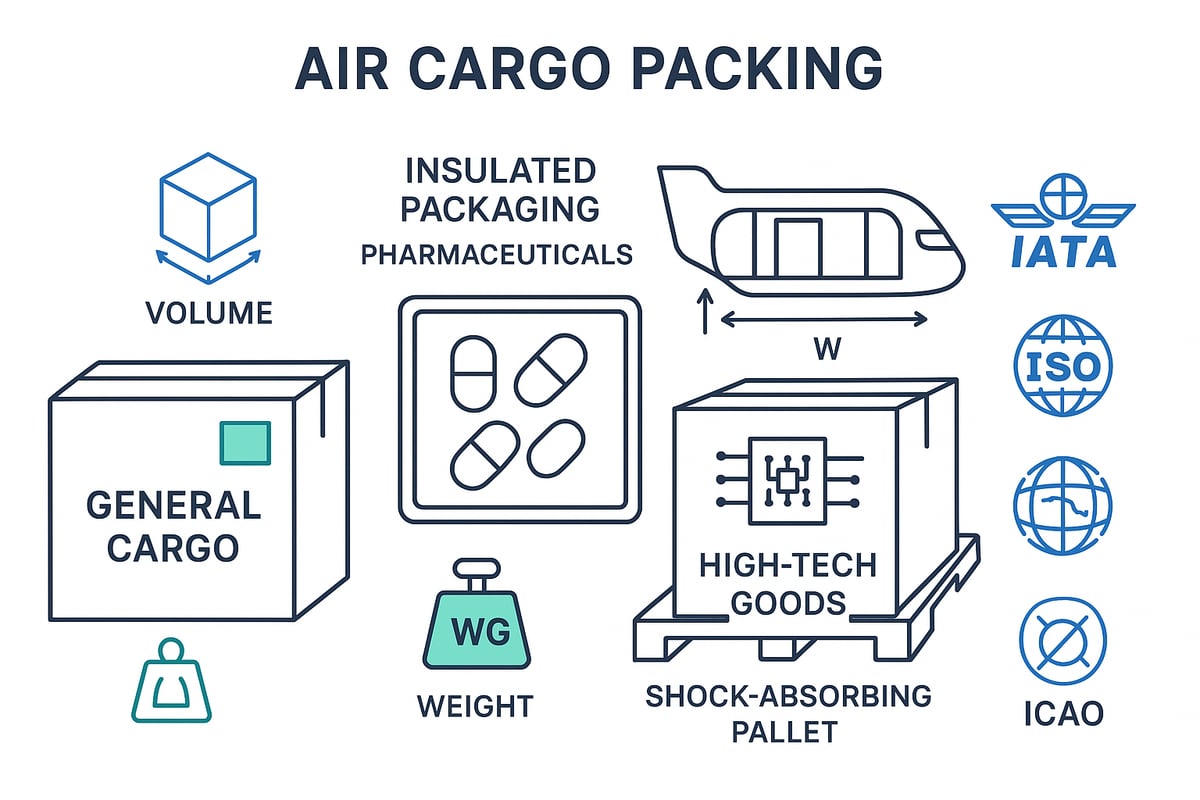
Different cargo types demand tailored air cargo packing solutions. General cargo, such as textiles or machinery, may need basic protection, but special cargo categories have unique needs:
For example, pharmaceuticals must be shipped in temperature-controlled containers with data loggers to ensure compliance.
Calculating chargeable weight is a cornerstone of air cargo packing. Airlines use either actual or volumetric weight (whichever is higher) to determine freight costs. Improper packing, such as using oversized boxes or excessive padding, inflates volumetric weight and increases charges.
Overpacking can also lead to shipment rejection if cargo exceeds space or weight limits. Efficient air cargo packing minimises wasted space and controls costs while safeguarding the goods.
Aircraft type and route are crucial in air cargo packing decisions. Cargo must fit through aircraft doors and within cargo holds, so dimensions and packaging shape matter.
Long-haul routes or those with multiple handling points require extra attention to packing durability and security. Selecting materials and methods that withstand extended journeys and frequent transfers is vital for shipment integrity.
Adhering to industry standards ensures air cargo packing meets both safety and regulatory requirements. The IATA packing guidelines, ISO, and ICAO standards provide a framework for best practices.
Freight forwarders play a vital role in ensuring compliance and proper documentation. For more in-depth information on handling and packing essentials, see Air cargo handling essentials.
Navigating the evolving landscape of air cargo packing in 2026 demands a clear understanding of new rules and compliance measures. Regulatory bodies worldwide have introduced significant updates, aiming to enhance safety, traceability, and sustainability across the supply chain. Staying ahead of these changes is essential for logistics managers, shippers, and freight forwarders seeking to avoid costly disruptions.
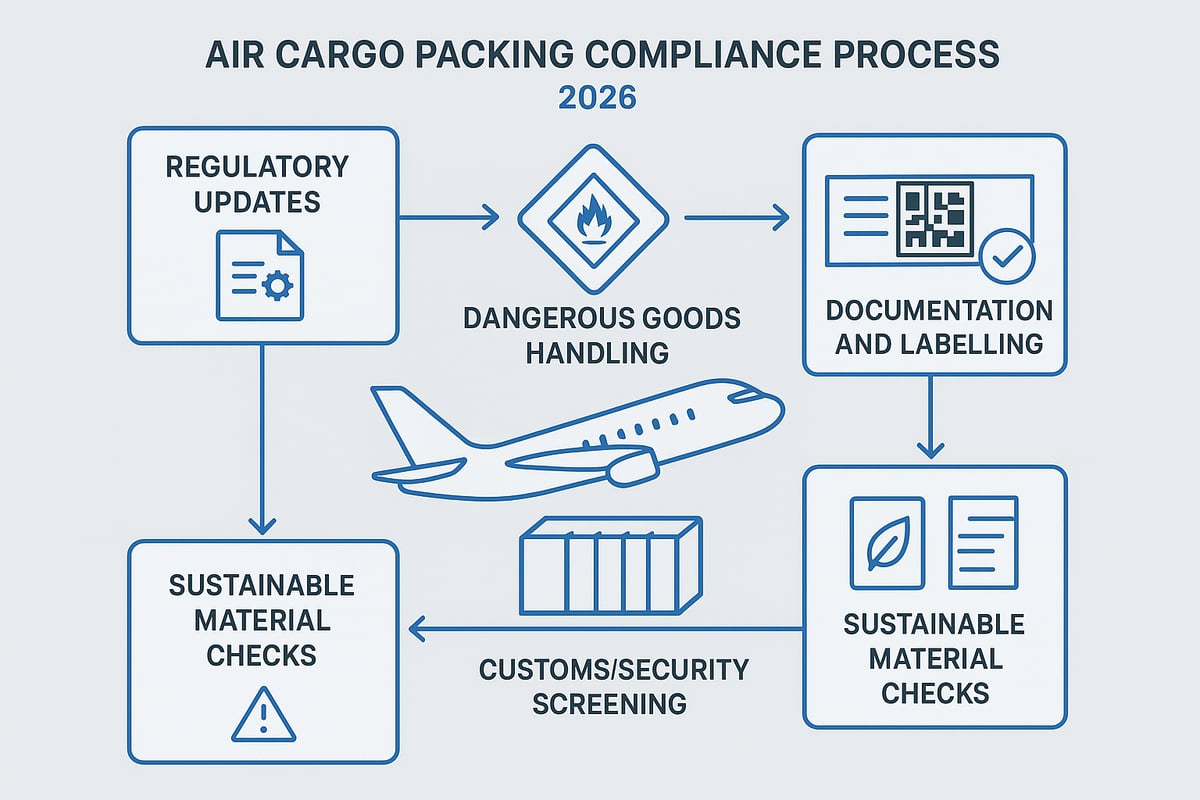
The year 2026 brings a range of new air cargo packing regulations from global authorities such as IATA and ICAO. These updates focus on standardising packing requirements to reduce transit risks and improve shipment traceability. For instance, stricter rules for lithium battery shipments came into effect in 2025, reflecting growing safety concerns. Regional authorities have also harmonised standards to streamline cross-border movements. Adhering to these changes is vital for efficient air cargo packing processes.
Compliance for dangerous goods has intensified, particularly for lithium batteries and other high-risk items. Recent enforcement actions highlight the consequences of non-compliance, including shipment rejection and severe penalties. In 2026, reliance on the IATA's 2026 Dangerous Goods Regulations is essential to ensure air cargo packing meets all safety and handling criteria. Sensitive cargo, such as pharmaceuticals, now requires even more rigorous checks and validated packaging solutions.
Proper documentation is integral to air cargo packing compliance. Updated regulations mandate accurate packing lists, Dangerous Goods Declarations, and the use of enhanced labelling systems. New QR code labels enable real-time tracking and faster data verification at each transit point. Missing or incorrect documentation can result in costly delays or fines. Ensuring every shipment is accurately documented and labelled is now a non-negotiable requirement for all air cargo packing operations.
Effective air cargo packing directly impacts customs clearance and security screening. Regulatory updates now require that packing methods facilitate rapid inspection and verification at multiple handling points. Security screening protocols have become more rigorous for special cargo types, such as high-value or dangerous goods. Packing strategies that anticipate these requirements can help accelerate clearance times and minimise the risk of shipment holds, ensuring a smoother logistics flow.
Sustainability is a core focus of 2026 air cargo packing regulations. Authorities like the EU have mandated the use of recyclable and reusable packing materials for most shipments. These changes are designed to reduce environmental impact and align with broader industry sustainability goals. Shippers must now source eco-friendly materials and document their use to remain compliant with both local and international standards.
Failing to follow 2026 air cargo packing regulations exposes companies to significant risks. Penalties include substantial fines, shipment delays, and reputational damage. According to 2024 data, 18% of air cargo delays were linked to packing or documentation errors. Proactive compliance, regular training, and robust audit processes are essential to reduce exposure and maintain smooth, uninterrupted supply chain operations.
Packing air cargo in 2026 requires precision, compliance, and adaptability. The following step-by-step guide breaks down the process into manageable stages. By following these steps, you will ensure every air cargo packing operation is safe, efficient, and compliant with the latest industry standards.
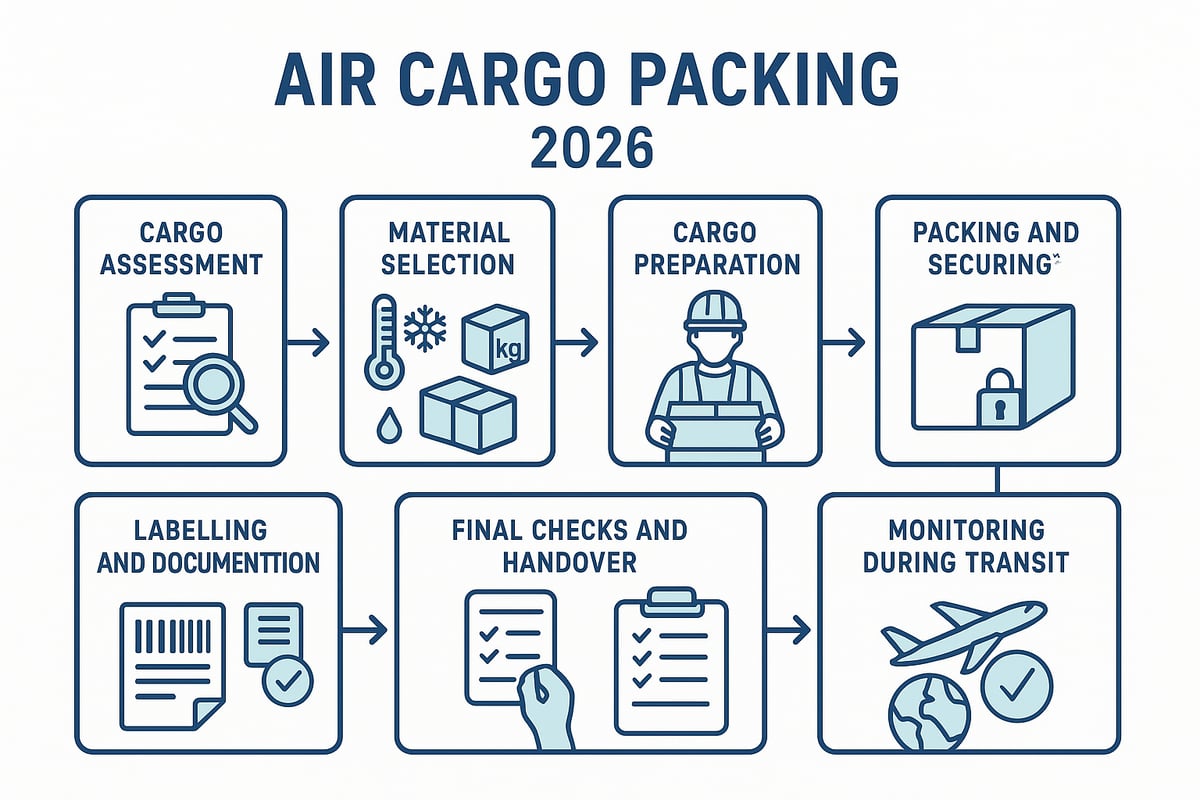
The first step in air cargo packing is to accurately assess the type of cargo and its handling requirements. Determine if your shipment is general cargo, perishables, pharmaceuticals, dangerous goods, or high-tech equipment. Each category demands different handling protocols.
For example, temperature-sensitive pharmaceuticals require strict temperature control throughout the journey. To explore best practices for these sensitive shipments, see Temperature-controlled freight best practices. Automotive parts may need robust protection against vibration, while high-value electronics demand anti-static shielding.
Ask yourself:
By understanding these factors, you can tailor your air cargo packing approach to minimise risk and ensure regulatory compliance.
Once you have assessed your cargo, focus on choosing the correct packing materials. The choice directly impacts cargo safety, cost, and compliance.
Options include:
Consider strength, insulation, and weight. For pharmaceuticals, use insulated containers with gel packs or dry ice. High-tech shipments may need anti-static foam and tamper-evident seals. Choosing the right materials for air cargo packing reduces the risk of damage and can lower overall shipping costs.
Proper preparation is crucial before any air cargo packing begins. Start by cleaning and inspecting each item to prevent contamination and ensure quality.
Prepare all necessary documentation, such as packing lists, certificates, and compliance forms, before packing. Use moisture barriers or desiccants for goods sensitive to humidity.
Checklist for preparation:
Effective preparation minimises the risk of shipment rejection or customs delays and enhances the reliability of your air cargo packing process.
Packing and securing cargo is central to safe air cargo packing. Use layering techniques, cushioning materials, and bracing to prevent movement during transit.
For fragile items, add shock-absorbing padding. Use desiccants for moisture-sensitive shipments. Palletise high-tech products to distribute weight and absorb shocks.
Best practices include:
Securing cargo correctly helps prevent in-flight damage and ensures your shipment arrives intact and compliant with regulations.
Accurate labelling and documentation are vital in air cargo packing. Apply all required labels, including barcodes, handling instructions, and hazard warnings, in visible locations.
For 2026, ensure compliance with updated documentation standards. Include a detailed packing list, Dangerous Goods Declarations (if required), and tracking information.
Documentation tips:
Proper labelling and documentation reduce the risk of customs issues and enable efficient cargo handling throughout the supply chain.
Before handing over your shipment, conduct thorough final checks. Inspect the cargo for damage, verify label accuracy, and ensure all documentation is in order.
Use a checklist to confirm:
Activate digital handover protocols if available, allowing real-time tracking from the moment the cargo leaves your facility. This step in air cargo packing ensures nothing is overlooked and maintains shipment integrity.
The final step in air cargo packing is ongoing monitoring and response. Use IoT sensors to track temperature, humidity, and shock events in real time.
Set up alerts for any deviations, such as temperature excursions in pharmaceutical shipments. Respond quickly to notifications to prevent spoilage or damage.
Benefits of monitoring:
Continuous monitoring ensures your air cargo packing process delivers not just compliance, but also peace of mind for all parties involved.
Selecting the right materials and technology for air cargo packing is crucial for safe, compliant, and cost-effective shipments. As 2026 approaches, the landscape is evolving rapidly. Companies must weigh traditional options, modern innovations, and sustainability pressures to stay ahead.
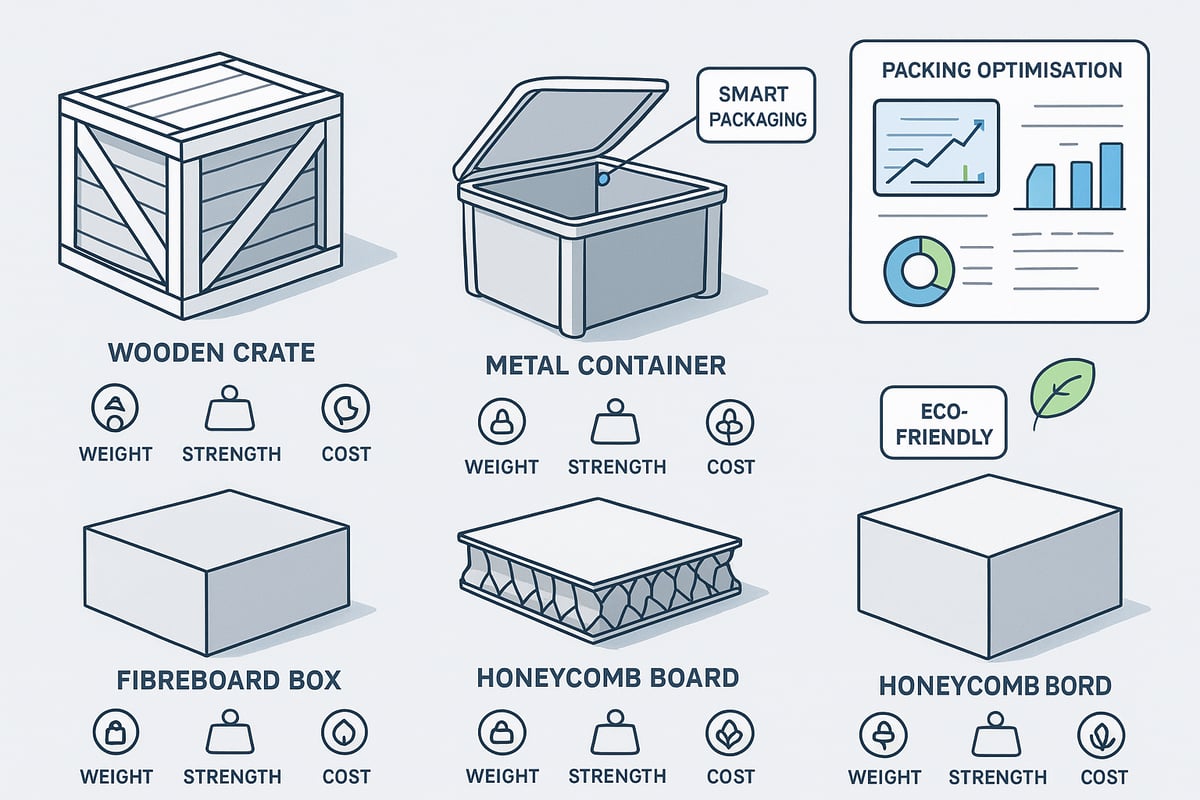
The choice of packing material directly impacts the safety and efficiency of air cargo packing. Wood, metal, plastic, and fibreboard each offer distinct advantages.
| Material | Strength | Weight | Cost | Suitability |
|---|---|---|---|---|
| Wood | High | Heavy | Mid | Bulky, heavy machinery, robust requirements |
| Metal | Very High | Heavy | High | High-value, security-sensitive shipments |
| Plastic | Moderate | Light | Mid | Moisture-sensitive, reusable applications |
| Fibreboard | Moderate | Very Light | Low | General cargo, light items |
| Honeycomb Board | High | Very Light | Mid | Durable, lightweight, innovative applications |
For example, honeycomb board is gaining traction for its balance of durability and low weight. Choosing the right combination is vital for optimal air cargo packing.
The demands of modern air cargo packing go beyond basic protection. Advanced solutions such as shock-absorbing foams and temperature-controlled packaging are now standard for sensitive goods.
RFID-enabled seals and smart packaging with embedded sensors offer real-time tracking and condition monitoring. This technology is especially valuable for pharmaceuticals and high-tech cargo, where even minor deviations can result in loss. As air cargo packing evolves, expect more shipments to use these intelligent solutions.
Sustainability is now a core requirement in air cargo packing. Regulatory bodies and airlines increasingly favour biodegradable and recyclable materials.
Reusable containers, once niche, are now incentivised by many carriers, helping reduce waste and lower long-term costs. When selecting materials, consider their lifecycle impact and compliance with emerging environmental standards. This not only meets regulations, but also enhances your brand's reputation in air cargo packing.
Digital transformation is reshaping air cargo packing. Packing design software can optimise every cubic centimetre, while integration with warehouse management systems ensures seamless data flow and inventory control.
AI-driven packing algorithms can reduce wasted space by up to 20 percent. To stay ahead, explore air cargo charter technology trends for insights on the latest digital tools and innovations. Embracing automation will yield efficiency, accuracy, and cost savings in air cargo packing.
Effective air cargo packing is a balancing act. Protection, compliance, and cost efficiency must align to achieve optimal outcomes.
A 2025 survey found that 74 percent of logistics managers prioritise packing cost savings, but not at the expense of shipment integrity. Assess your needs carefully: investing in quality materials may reduce insurance claims and delays, ultimately saving money. Always factor in the total cost of ownership when making air cargo packing decisions.
Reliable sourcing is essential for air cargo packing success. Vet suppliers for quality certifications, regulatory compliance, and proven performance.
Traceability is increasingly important, especially for high-value and regulated cargo. Partner with vendors who provide transparent supply chains and documentation. By prioritising supplier quality, you ensure that your air cargo packing consistently meets the highest standards.
Mistakes in air cargo packing can quickly turn a straightforward shipment into a logistical headache. Proactively identifying and addressing these errors is essential for seamless, cost-effective, and compliant operations. Below, we explore the most frequent pitfalls and how to avoid them.
Overpacking and underpacking are two sides of the same coin, each carrying significant consequences for air cargo packing. Overpacking increases the shipment’s weight and volume, leading to higher freight charges and, in some cases, outright rejection at the airport. Underpacking, on the other hand, exposes goods to possible damage due to insufficient protection.
For example, overpacked pallets have been rejected at major EU airports, causing delays and extra costs. Underpacked shipments are susceptible to shifting or crushing during transit. To avoid both extremes, always match the packing density to cargo fragility and handling requirements.
Accurate labelling and correct documentation are non-negotiable in air cargo packing. Missing or incorrect labels can result in customs delays, misrouted shipments, or even regulatory penalties.
In 2024, a shipment was delayed by 48 hours simply due to a missing Dangerous Goods Declaration. Ensure all required documents are completed and attached, including packing lists, barcodes, and compliance labels. Regularly update your team on changing documentation requirements to prevent costly oversights.
Every cargo type demands unique handling. Ignoring these requirements in air cargo packing increases the risk of spoilage, damage, or regulatory breaches.
For instance, high-tech goods need anti-static protection, while perishables require temperature control. Failing to use moisture barriers or insulated containers can compromise sensitive cargo. Refer to the latest IATA's 2026 Perishable Cargo Regulations for updated standards on handling temperature-sensitive goods.
Securing and bracing cargo correctly is essential for safe air cargo packing. Inadequate bracing allows items to shift during flight, increasing the chance of in-air incidents and product loss.
According to IATA, 12% of in-air incidents are linked to improper securing. Use appropriate bracing materials, such as straps, nets, or custom supports, and always follow best practices for the specific cargo type. A checklist for securing can help maintain consistency and safety.
Air cargo packing regulations are constantly evolving. Failing to keep up with new rules, especially for dangerous goods, can result in severe penalties, shipment delays, and reputational harm.
Recent changes, such as the new state-of-charge limits for lithium batteries, highlight the importance of staying compliant. Review the 2026 Lithium Battery Shipping Updates to ensure your procedures reflect the latest requirements. Regular training and regulatory reviews help maintain compliance.
The world of air cargo packing is advancing rapidly, with new materials and technologies delivering better protection and efficiency. Sticking to outdated methods can put your cargo at risk and leave you lagging behind competitors.
Modern packing solutions, such as smart sensors and AI-driven design tools, offer measurable benefits. By embracing innovation and updating your packing protocols, you improve shipment safety, reduce waste, and stay ahead in a competitive market.
Mastering air cargo packing in 2026 requires more than just following the basics. Companies that excel use data, technology, and collaboration to turn packing into a strategic advantage. The following advanced tips will help you future-proof your air cargo packing strategy and keep your operations ahead of the curve.
In 2026, data-driven decision-making is central to air cargo packing success. Analytics tools allow logistics teams to track shipment performance, identify damage patterns, and monitor delays. By analysing data from past shipments, you can refine packing methods and materials, lowering risk and cost.
For example:
Integrating these insights into your air cargo packing process ensures each shipment is optimised for safety and efficiency.
Different industries require tailored air cargo packing strategies. Automotive shipments often benefit from modular crates and anti-corrosion packaging. Pharmaceuticals depend on real-time temperature logging and validated insulation. High-tech cargo needs anti-static wraps, shock-absorbing layers, and tamper-evident seals.
Considerations for customisation:
Customisation minimises damage, ensures compliance, and supports seamless air cargo packing for specialised goods.
Modern air cargo packing leverages IoT and sensor technology to monitor shipments in real time. Sensors track temperature, humidity, and shock exposure, sending alerts if conditions deviate from safe ranges.
Benefits include:
Integrating IoT into your air cargo packing workflow provides an extra layer of security and accountability, especially for high-value or sensitive cargo.
Air cargo packing is no longer a solo effort. Collaboration with freight forwarders, charter platforms, and material suppliers is key. Digital platforms streamline communication, share packing requirements, and coordinate documentation.
Best practices for collaboration:
By working together, all parties ensure air cargo packing meets evolving standards and avoids costly mistakes.
Staying compliant in 2026 means ongoing investment in training and audits. Regulatory changes and new technologies require staff to learn and adapt quickly.
Key steps include:
A culture of continuous improvement keeps air cargo packing teams prepared for regulatory changes and operational challenges.
Looking ahead, air cargo packing will be shaped by automation, sustainability, and evolving regulations. Companies must adapt to trends such as AI-driven packing lines and stricter environmental mandates.
To stay ahead:
Proactive planning ensures your air cargo packing operations remain competitive and compliant, no matter what the future brings.
As you look to master air cargo packing for 2026, it’s clear that the right approach can save you time, money, and stress—especially with regulations and technologies evolving so quickly. We’ve explored how crucial proper packing is for compliance and efficiency, and how smart tools can really make a difference. If you want to see how intelligent automation and expert guidance can transform your packing and shipping processes, I encourage you to request a demo of CharterSync’s platform. You’ll discover first hand how to streamline bookings, reduce manual errors, and ensure every shipment is ready for the future.

.png)