.png)

The world of delivery and freight is transforming rapidly in 2026, driven by new technologies, stricter sustainability standards, and the demands of global trade. Businesses are facing greater pressure to optimise their delivery and freight operations, making strategic planning more important than ever.
This comprehensive guide is designed to help you navigate the evolving delivery and freight landscape. Discover the latest industry trends, practical logistics steps, innovative technologies, regulatory updates, and proven solutions for shippers and freight forwarders.
Stay ahead by understanding the urgent changes shaping logistics, learn how to overcome new challenges, and unlock actionable insights. Let this step-by-step guide be your roadmap to success in delivery and freight for 2026.
The delivery and freight sector in 2026 is experiencing rapid transformation. E-commerce growth, digital innovation, and evolving consumer demands are reshaping how goods move worldwide. Businesses must adapt to a landscape that is more complex, fast-paced, and sustainability-focused than ever before.
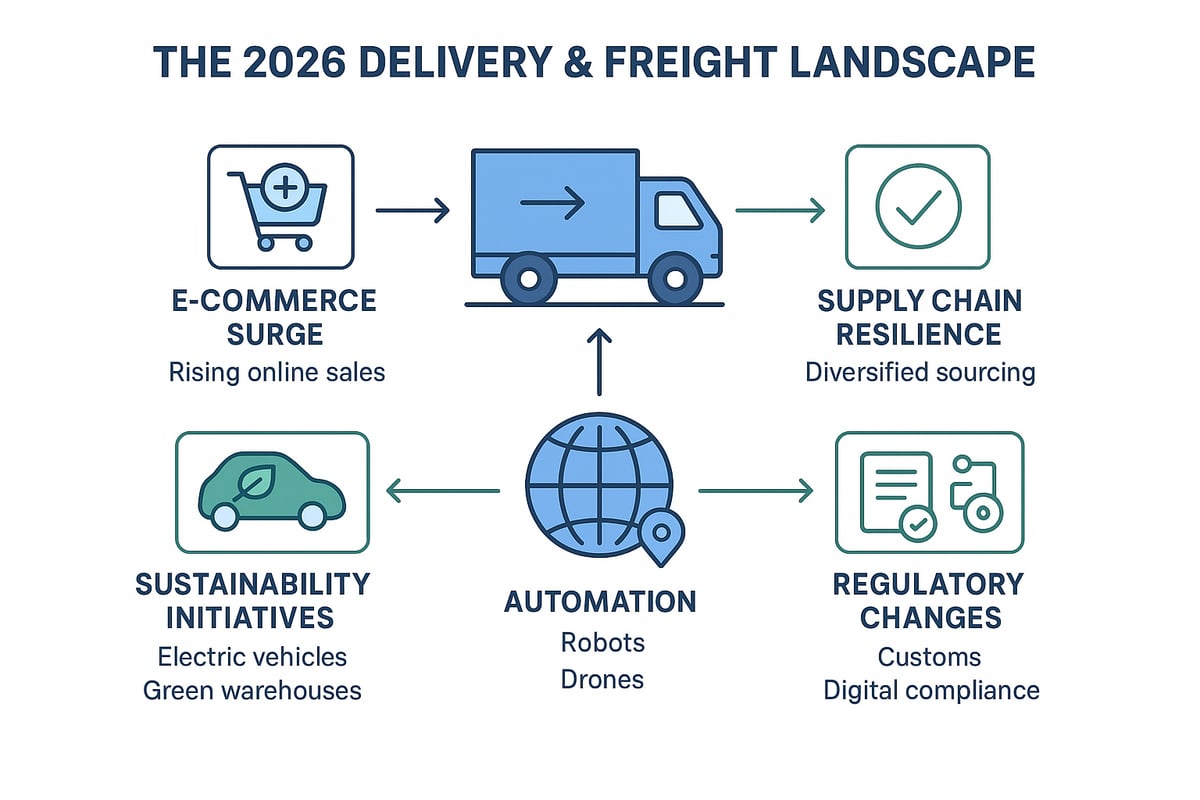
E-commerce volumes continue to surge globally, driving unprecedented demand for rapid delivery and freight solutions. Consumers now expect same-day or next-day options as standard, pushing logistics providers to reimagine last-mile networks. Major players, such as Amazon, are heavily investing in ultra-fast fulfilment centres and advanced routing technology.
This shift is not confined to retail. Sectors like healthcare and electronics are also raising expectations for speed and reliability. The result is a focus on flexible, scalable infrastructure that can handle fluctuating demand and deliver consistent service levels. For a deeper look at these changes, explore DHL Logistics Industry Trends 2026.
Recent global disruptions, including pandemics and geopolitical tension, have highlighted the need for resilient delivery and freight strategies. Companies are diversifying sourcing, creating agile delivery networks, and investing in scenario planning.
According to Gartner, 72% of supply chain leaders have increased investment in resilience since 2025. This includes building redundancy, developing backup suppliers, and leveraging technology for real-time visibility. Being prepared for unexpected events is now a core component of logistics planning.
Sustainability is a defining theme for delivery and freight in 2026. Stricter emissions regulations and ambitious carbon-neutral targets are prompting major shifts in fleet management and warehousing.
Logistics operators are adopting electric vehicles, alternative fuels, and green warehousing practices. For example, DHL is expanding its electric delivery fleet, while many businesses are implementing solar-powered facilities. These initiatives are not only regulatory requirements but also competitive differentiators in a market where environmental credentials matter.
Balancing global reach with local resilience is a top priority for delivery and freight providers. While international supply chains remain essential, nearshoring and reshoring are gaining traction among manufacturers seeking to reduce risk and improve responsiveness.
Regional hubs and localised inventory strategies are helping businesses respond faster to market changes. The ability to pivot between global and regional operations is now a critical success factor.
Labour shortages, particularly among drivers and warehouse staff, are pushing the sector to embrace automation. Robotics, drones, and automated sorting systems are becoming standard in sorting centres and fulfilment operations.
These technologies address rising labour costs and help maintain service quality during peak periods. Automation is also making delivery and freight operations safer and more efficient, freeing up human workers for higher-value tasks.
The regulatory environment for delivery and freight is evolving rapidly. New customs rules, trade agreements, and digital compliance requirements are increasing the complexity of cross-border shipments.
A notable example is the EU’s implementation of a digital customs platform, streamlining documentation and improving transparency. Businesses must stay informed and agile to navigate these changes and avoid costly delays.
Key Takeaway:
The 2026 delivery and freight landscape is dynamic and multifaceted. Success demands agility, innovation, and a proactive approach to new technologies, sustainability goals, and regulatory requirements. Companies that adapt on multiple fronts will be best positioned to thrive.
Modern logistics demands precision, adaptability, and a keen understanding of the delivery and freight landscape. This step-by-step guide breaks down each critical phase, helping you build a resilient and future-ready operation.
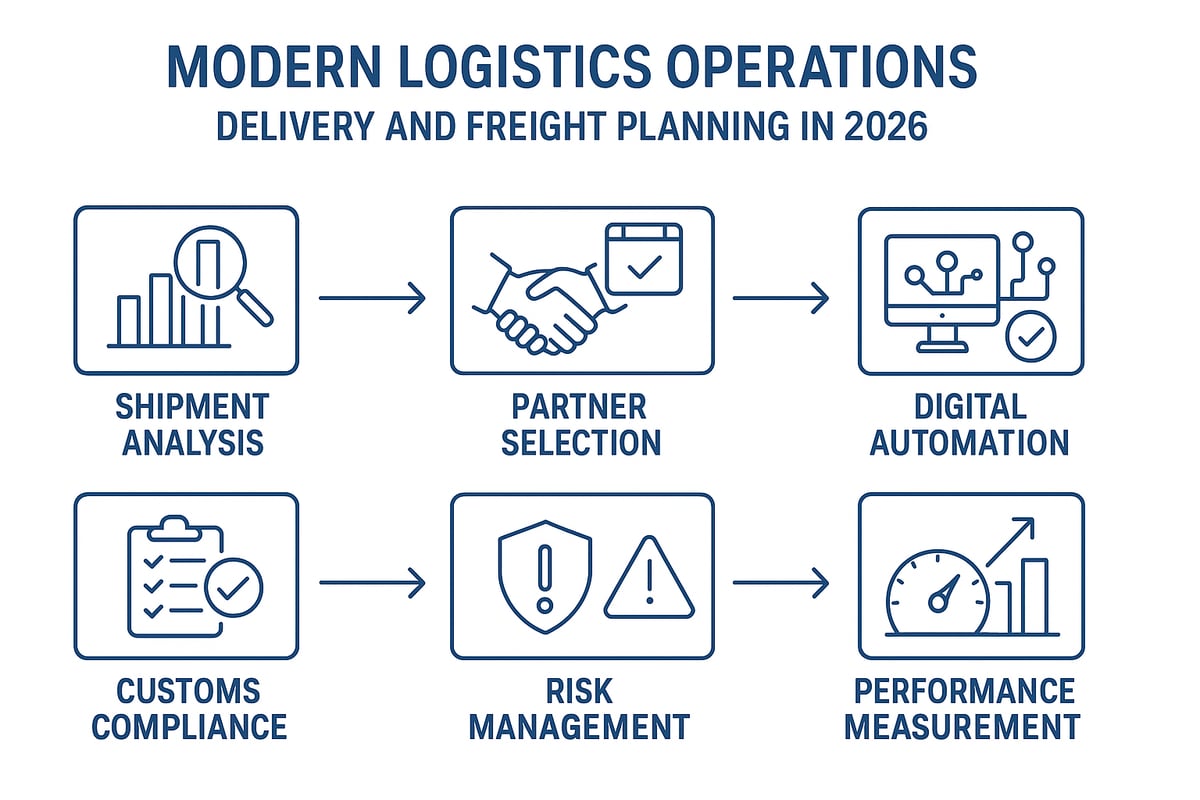
Begin by evaluating your current and projected delivery and freight requirements. Analyse shipment volumes, frequency, and any special handling needs. Consider whether goods are temperature-sensitive, oversized, or time-critical.
Compare transport modes to find the most efficient fit:
| Mode | Speed | Cost | Best For |
|---|---|---|---|
| Road | Medium | Low | Regional deliveries |
| Rail | Medium | Low | Bulk, long distances |
| Sea | Slow | Lowest | Large international |
| Air | Fastest | High | Urgent, global, fragile |
In the automotive sector, multi-modal delivery and freight solutions have become the norm to optimise speed, cost, and flexibility. Regularly revisiting these assessments ensures your strategy evolves with changing market demands.
Choosing the right partners is essential for successful delivery and freight operations. Start by vetting freight forwarders, third-party logistics providers (3PLs), and carriers for their track record, compliance, and technological capabilities.
Prioritise partners offering digital transparency and real-time tracking. This enables swift responses to disruptions and keeps customers informed. According to industry data, 80% of shippers now require visibility as a top selection criterion.
For practical advice on evaluating partners and optimising your freight bookings, review these freight booking best practices. Taking time to build relationships with reliable carriers can prevent costly delays and improve overall service quality.
Digital transformation is a cornerstone of modern delivery and freight management. Automated booking tools, route optimisation, and load management software reduce manual errors and save time.
Integrating these tools with your ERP or Transport Management System (TMS) streamlines data flows. AI-powered freight matching platforms enhance efficiency by pairing shipments with the best available capacity.
Embrace automation for repetitive tasks, such as billing or document generation. This not only increases accuracy but also frees your team to focus on strategic improvements within your delivery and freight operation.
Staying ahead of customs and compliance requirements is vital for uninterrupted delivery and freight movement. Prepare for digital customs clearance by familiarising yourself with new electronic documentation standards.
Manage all shipment paperwork electronically to reduce errors, speed up processing, and ensure compliance with the latest regulations. Keep abreast of international trade agreement changes that may affect your routes or tariffs.
Proactive document management minimises the risk of costly delays or fines, supporting a smoother delivery and freight process from origin to destination.
Unforeseen disruptions can impact even the best-planned delivery and freight operations. Develop robust risk management strategies to address weather events, labour strikes, and cyber threats.
Consider insurance options for high-value or sensitive shipments. Use real-time monitoring systems to track cargo and receive alerts for any irregularities.
Create contingency plans that outline alternative routes, backup partners, and rapid response protocols. Regularly review and test these plans to ensure your delivery and freight network remains resilient under pressure.
Continuous improvement is key to staying competitive in delivery and freight. Track metrics such as on-time delivery rate, cost per shipment, and carbon emissions to identify trends and areas for optimisation.
Leverage analytics to uncover inefficiencies and set benchmarks for future performance. Conduct regular reviews with your logistics partners to discuss results and implement changes.
By embedding a culture of measurement and improvement, you ensure your delivery and freight strategy adapts to evolving business and regulatory landscapes, positioning your operation for long-term success.
Technology is rapidly reshaping the delivery and freight industry, driving efficiency, resilience, and sustainability. As we approach 2026, businesses must harness cutting-edge innovations to stay ahead in a competitive landscape. The following advances are set to define success in delivery and freight operations.

Artificial intelligence is at the heart of the digital revolution in delivery and freight. Machine learning algorithms analyse vast datasets to forecast demand and plan capacity, helping shippers reduce costs and improve service levels.
AI-driven route optimisation tools adapt to real-time traffic and weather, ensuring goods arrive on time. Dynamic pricing models powered by AI enable carriers to adjust rates flexibly, maximising profitability while maintaining customer satisfaction.
In delivery and freight, predictive analytics help businesses anticipate disruptions, allocate resources efficiently, and streamline their supply chain. These technologies not only increase speed but also support smarter, more sustainable logistics decisions.
The Internet of Things is transforming visibility in delivery and freight. Smart sensors and GPS devices provide end-to-end tracking for every shipment, allowing real-time monitoring of location and condition.
Cold chain logistics, particularly in pharmaceuticals, benefit from IoT by ensuring temperature-sensitive goods remain within safe limits. Alerts are triggered if thresholds are breached, reducing spoilage and risk.
IoT-enabled platforms also allow for proactive maintenance of fleet and equipment, minimising downtime. This high level of transparency in delivery and freight builds trust with customers and partners.
Automation is revolutionising warehouses and the delivery and freight sector. Robotic picking and automated sorting systems speed up fulfilment, reduce labour costs, and increase accuracy.
Drones are increasingly used for rural and last-mile deliveries, bypassing traffic and reaching remote areas quickly. By 2026, 25% of urban deliveries are expected to use autonomous vehicles, transforming the way goods move in cities.
For a deeper look at how technology is transforming air cargo and delivery and freight, see Air cargo charter technology. These innovations allow logistics providers to offer faster, more flexible, and reliable services.
Blockchain technology is enhancing security and trust across delivery and freight operations. Distributed ledgers ensure that all parties have access to accurate, real-time shipment data, reducing disputes and errors.
Smart contracts automate payments and enforce compliance, streamlining multi-party transactions. This level of transparency is especially valuable in international delivery and freight, where documentation and verification are complex.
By reducing fraud and enabling secure data exchange, blockchain supports efficient, trustworthy logistics processes that benefit all stakeholders.
Cloud platforms are centralising management in delivery and freight, offering scalable solutions for businesses of all sizes. These platforms integrate booking, documentation, and communication, simplifying workflows.
Real-time data sharing across supply chain partners improves coordination and decision-making. Cloud-based systems also support analytics, helping companies identify trends and optimise operations.
The adoption of cloud technology in delivery and freight ensures flexibility, resilience, and the ability to scale as markets evolve. It empowers teams to respond rapidly to changes and customer demands.
Staying compliant in the delivery and freight industry is more complex than ever in 2026. As global trade, sustainability, and digital transformation accelerate, regulations are evolving at pace. Businesses must proactively adapt to thrive in this dynamic environment.
International trade agreements are seeing major updates, affecting customs procedures and cross-border logistics. The UK’s post-Brexit digital customs requirements are now fully in effect, demanding electronic declarations and real-time data sharing. Across the EU and Asia, digital customs platforms are streamlining clearance, but require careful compliance management.
Tariff changes and new trade policies are forcing supply chains to adapt rapidly. According to the McKinsey Supply Chain Risk Survey, many organisations are restructuring operations to keep delivery and freight competitive. Staying informed on policy updates is essential for seamless international movement.
Sustainability is moving from voluntary to mandatory. In 2026, new carbon reporting standards and emissions limits are in force across major markets. Delivery and freight operators must track, report, and reduce emissions to comply with government targets. Fleet upgrades, such as electric and hydrogen vehicles, are encouraged through incentives. Supply chain design now factors in green logistics as a core requirement.
Warehousing and distribution centres must adopt energy-efficient systems and renewable energy sources. Businesses face penalties for non-compliance, making proactive investment critical for future-proof operations.
Data protection is a top priority for delivery and freight companies handling sensitive shipment and customer information. Regulations like GDPR, CCPA, and new international data privacy laws require secure storage, transfer, and processing of logistics data.
Organisations must implement robust cybersecurity measures and staff training to avoid costly breaches. Transparent data practices are now a baseline expectation for customers and partners. Adhering to these requirements builds trust and enables smoother cross-border operations.
Labour laws are evolving to address automation, driver safety, and workplace wellbeing. In 2026, stricter rules on driver hours and rest periods are enforced to reduce fatigue and accidents. Automation oversight regulations govern the use of robotics and AI in warehousing and delivery and freight operations.
Employers must provide comprehensive training and maintain safe working conditions. Compliance with these laws not only avoids penalties but also improves employee retention and operational efficiency.
The shift to digital documentation is accelerating. E-invoicing and electronic customs documents are now mandatory in key trade corridors. This transformation reduces paperwork, minimises manual errors, and speeds up customs clearance for delivery and freight.
Businesses must integrate digital document management systems and ensure data accuracy. Adopting these tools delivers operational efficiency and compliance with international trade standards.
Sustainable delivery and freight strategies are now essential, not optional. Environmental regulations and consumer demand for transparency are pushing the logistics industry towards greener practices. To remain competitive and compliant in 2026, businesses must adopt a holistic approach, integrating sustainability throughout every stage of the supply chain.
Effective carbon footprint measurement is the foundation of sustainable delivery and freight. Companies increasingly use digital tools and frameworks, such as the GLEC Framework, to standardise emissions reporting across all transport modes. This not only helps meet regulatory requirements but also enables transparent communication with stakeholders. According to the Gartner Survey on Supply Chain Capabilities, organisations investing in robust measurement systems are better prepared for evolving sustainability mandates.
Transitioning to low-emission vehicles is rapidly transforming delivery and freight operations. Electric and hydrogen-powered trucks, as well as cleaner rail and shipping alternatives, are becoming mainstream. Government incentives and evolving infrastructure are making it easier for companies to adopt these fleets. By integrating low-emission transport, businesses can reduce both their carbon footprint and long-term operating costs, while meeting rising customer expectations.
Packaging is a critical focus for sustainable delivery and freight. More companies are switching to reusable, recyclable, or biodegradable materials, cutting waste and costs alike. The impact is significant, with 60% of shippers planning investment in sustainable packaging by 2025. Incorporating these solutions into final mile delivery strategies is essential, as packaging choices directly affect efficiency and environmental outcomes at the consumer end.
| Packaging Type | Reusable | Recyclable | Biodegradable |
|---|---|---|---|
| Plastic Crates | ✓ | ||
| Cardboard Boxes | ✓ | ||
| Compostable Bags | ✓ |
Greener warehousing is an integral part of delivery and freight sustainability. Solar-powered facilities, energy-efficient lighting, and automation are now standard features in modern logistics centres. These upgrades not only reduce energy consumption, but also lower operational costs and support broader corporate environmental goals.
Collaboration is key to advancing sustainable delivery and freight. Businesses are increasingly partnering with eco-certified carriers and logistics providers to expand their green networks. Participation in industry-wide initiatives further accelerates progress, ensuring that sustainability is woven into every link of the supply chain. By working together, organisations can achieve greater impact than by acting alone.
Air cargo charter is transforming how businesses tackle urgent delivery and freight challenges in 2026. With growing global trade complexity and increasing demand for rapid solutions, organisations are turning to charter services for flexibility and speed. Whether you need to move critical manufacturing parts or life-saving medicines, air cargo charter ensures your supply chain keeps moving, even when traditional schedules fall short.
Air cargo charter is ideal for situations where standard delivery and freight options cannot meet strict timelines or unique cargo requirements. Common scenarios include:
Industries like automotive, pharmaceutical, high-tech, and humanitarian aid frequently rely on air cargo charter to maintain operational continuity and respond to crises. As delivery and freight demands intensify, having access to flexible charter options gives businesses a competitive edge.
Digital transformation has revolutionised the delivery and freight sector, especially in air cargo charter. Modern platforms provide instant access to a global network of aircraft, eliminating the delays and uncertainty of manual broker processes.
Key benefits include:
These features enable logistics teams to optimise delivery and freight workflows, reduce administrative burdens, and ensure time-critical shipments reach their destination without delay.
CharterSync’s AI-driven platform exemplifies innovation in delivery and freight. It streamlines the charter process with real-time aircraft matching, transparent pricing, and digital booking. Freight forwarders benefit from live tracking and digital document management, ensuring control and visibility at every stage.
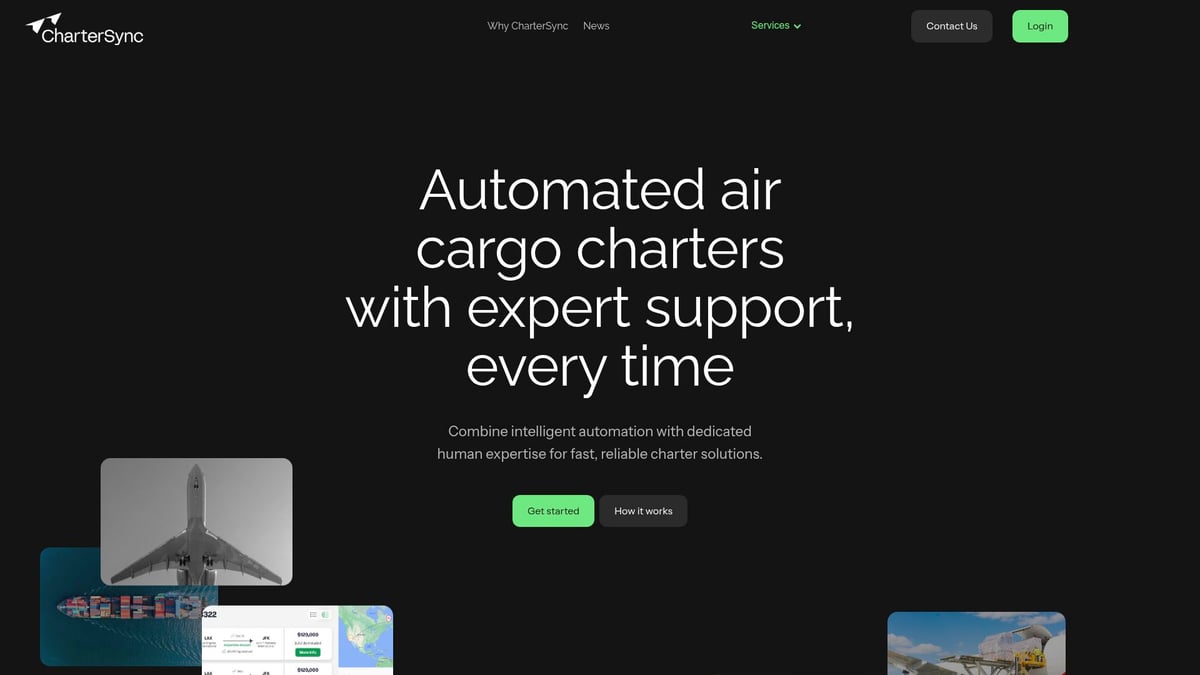
For temperature-sensitive or special cargo, CharterSync offers tailored solutions. Learn more about temperature-controlled freight solutions that safeguard critical shipments, including pharmaceuticals and high-tech goods. A recent case involved rapid delivery of essential automotive components, highlighting the platform’s ability to solve complex logistics challenges swiftly.
When building a delivery and freight strategy, it is crucial to determine when air charter outperforms scheduled services. Charter is often the best choice for high-value, urgent, or highly specialised shipments where scheduled flights are unavailable or too slow.
To maximise ROI, assess the cost-benefit of charter versus scheduled air freight. Consider factors like transit time, cargo sensitivity, and potential supply chain disruption costs. Integrating charter into your logistics toolkit provides agility and resilience, helping your business adapt to the unpredictable demands of global delivery and freight.
Looking ahead, digital platforms will continue to reshape delivery and freight by making air cargo charter more accessible and efficient. Sustainability initiatives are gaining traction, with a growing focus on greener aircraft and carbon reporting.
The demand for flexible, on-demand air logistics is set to increase as businesses seek rapid, reliable solutions for evolving supply chain needs. Innovations in automation, tracking, and data-driven decision-making will further enhance the value proposition of air cargo charter for time-critical and specialised delivery and freight.
As you’ve seen, navigating delivery and freight in 2026 means staying ahead of rapid changes in technology, regulations, and sustainability expectations. If you’re ready to take your logistics strategy to the next level—streamlining operations, improving visibility, and accessing expert support—why not see how automation and real-time solutions can work for you? With CharterSync’s intelligent platform, you can simplify complex air cargo needs and respond faster to market demands. If you’re curious about how this could fit into your operations, I encourage you to request a demo and see the benefits for yourself.

.png)