.png)
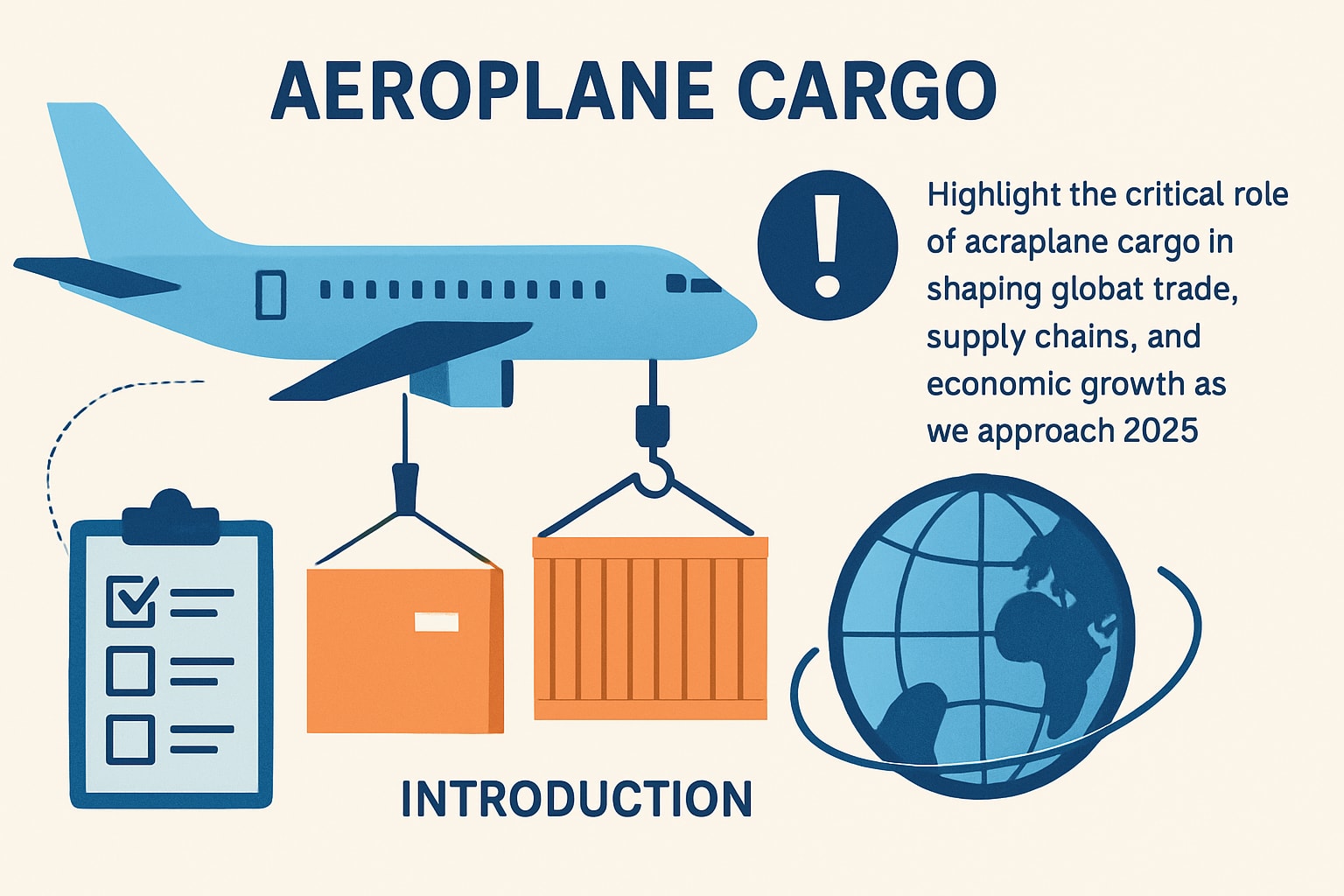
Aeroplane cargo is a driving force behind global trade, connecting markets and unlocking new economic opportunities as 2026 approaches. The world’s supply chains rely on efficient aeroplane cargo to move goods swiftly and securely, making it vital to understand the latest logistics challenges and innovations.
With technology advancing, regulations shifting, and industry demands evolving, mastering aeroplane cargo operations is more important than ever. This guide offers freight forwarders, shippers, and logistics professionals an essential resource, covering everything from cargo types and booking processes to regulatory changes, technology trends, and cost optimisation strategies.
Aeroplane cargo is a dynamic and essential part of modern logistics, driving the movement of goods across continents in record time. To master this field, it is crucial to understand the different cargo types, key global markets, emerging trends, ongoing challenges, and real-world lessons that shape the landscape in 2026.

Aeroplane cargo falls into two main categories: general cargo and specialised cargo. General cargo includes items like textiles, automotive parts, and consumer goods, requiring standard handling and packaging. Specialised cargo covers perishables, pharmaceuticals, and high-value electronics, each with strict transport, temperature, and security requirements.
For instance, pharmaceutical shipments often need temperature-controlled containers and real-time monitoring. High-value electronics may require extra security protocols. The handling and packaging standards for each type of aeroplane cargo directly influence cost, risk, and transit times.
The global aeroplane cargo market is forecast to grow steadily as 2026 approaches. Leading regions include Asia-Europe and Transpacific trade lanes, which account for a significant share of cargo volumes. According to IATA's Global Outlook for Air Transport – December 2025, global air cargo demand is projected to rise by 4.5% annually up to 2026.
Key industry players comprise major airlines, integrators, and freight forwarders. These organisations shape the competitive landscape, providing aeroplane cargo solutions for a variety of industries.
E-commerce is driving higher volumes and faster delivery expectations for aeroplane cargo. Online retail growth has led to more frequent, smaller shipments that require rapid turnaround. Sustainability is also a growing focus, with operators investing in alternative fuels, carbon offset programmes, and green corridors.
Temperature-controlled and time-critical shipments are on the rise, especially for pharmaceuticals and perishables. These trends push the industry to innovate and adopt new technologies to meet customer needs.
Aeroplane cargo operators face ongoing capacity constraints and fluctuating aircraft availability. Geopolitical tensions and supply chain disruptions can impact trade lanes and delivery schedules. However, there are opportunities in niche markets, such as pharmaceuticals and automotive, where specialised handling and compliance create barriers to entry.
Companies that can adapt quickly and offer tailored solutions for challenging cargo types are well positioned for growth in the aeroplane cargo sector.
A notable example is the global airlift of COVID-19 vaccines, which required coordinated efforts and temperature-controlled logistics on an unprecedented scale. In 2023, more than 65 million tonnes of cargo were transported by air worldwide, reflecting the increasing reliance on aeroplane cargo for critical supply chains.
These real-world cases highlight the adaptability and resilience of the sector as it faces new challenges and opportunities.
Navigating the aeroplane cargo process in 2026 demands precision, compliance, and adaptability. Each step, from initial assessment to final delivery, plays a critical role in ensuring shipments arrive safely, on time, and in optimal condition. Below, we break down the process into five essential stages, highlighting practical tips and examples throughout.

The first step in any aeroplane cargo journey is a thorough assessment of the shipment. This involves identifying the type of cargo, its weight, dimensions, and any special requirements, such as temperature control or hazardous classification. For example, lithium batteries require specific packaging and labelling to comply with international safety standards.
Proper packaging is essential for both protection and regulatory compliance. Industry standards, such as those set by IATA and ICAO, dictate how goods must be packed, labelled, and documented. For detailed best practices, consult the Air Cargo Packing Guidelines. This ensures the aeroplane cargo is ready for safe and efficient transport.
Once prepared, aeroplane cargo must be booked with a suitable carrier. Shippers can choose between direct airline bookings, working with freight forwarders, or using digital platforms. Each option offers distinct advantages in terms of route flexibility, speed, and cost.
Key factors influencing carrier selection include the required transit time, destination, reliability, and pricing. Technology now enables instant quoting and smart matching, helping forwarders select the optimal carrier for their aeroplane cargo. For sensitive or high-value goods, specialist carriers may be necessary to ensure secure and timely delivery.
Accurate documentation is vital for all aeroplane cargo shipments. Essential documents include the Air Waybill (AWB), commercial invoice, packing list, and any export or import permits. These documents ensure traceability, facilitate customs clearance, and prove compliance with international regulations.
Customs authorities require advanced information for security and risk assessment. Security screening is mandatory, particularly for dangerous goods. For instance, a shipment containing chemicals or batteries must meet strict compliance rules to be accepted as aeroplane cargo. Proper paperwork and adherence to legal standards help avoid costly delays.
At the airport, aeroplane cargo undergoes acceptance checks, security screening, and is loaded into Unit Load Devices (ULDs) or directly onto pallets. The type of aircraft—dedicated freighter or passenger plane—determines the loading method and space allocation.
Real-time tracking and monitoring are now standard, enabling shippers to follow their aeroplane cargo throughout the journey. Temperature sensors and IoT devices provide additional assurance for sensitive shipments. Efficient handling and careful loading minimise the risk of damage or delay, supporting reliability across global supply chains.
Upon arrival, aeroplane cargo is unloaded, inspected, and passed through customs at the destination airport. Customs clearance involves document verification, duty assessment, and potential inspections, which can vary by country and cargo type.
After clearance, the cargo is handed over for last-mile delivery. Options range from express courier services to scheduled deliveries or on-board couriers for urgent shipments. For example, time-critical automotive parts often require immediate transfer to manufacturing sites, ensuring production lines continue without interruption. Each link in the chain is vital to the overall success of the aeroplane cargo process.
Navigating the regulatory landscape is essential for successful aeroplane cargo operations. As industry demands grow, understanding compliance requirements ensures smooth, safe, and efficient cargo movement across borders. Regulatory standards evolve rapidly, making it vital for logistics professionals to stay informed and proactive.

Two major organisations, IATA and ICAO, set the global framework for aeroplane cargo regulation. IATA develops operational standards, while ICAO issues international guidelines for safety and security. Adhering to these standards is essential for legal and efficient cargo movement.
Dangerous Goods Regulations (DGR) are updated annually, reflecting new risks and transport technologies. By 2026, updates will address lithium batteries, infectious substances, and new packaging protocols. For deeper operational insight, refer to Airplane Cargo Insights for industry-specific guidance.
Security remains a top priority in aeroplane cargo. Screening protocols include x-ray scanning, explosive trace detection (ETD), and canine teams. These measures reduce the risk of illicit items entering the supply chain.
The known consignor and regulated agent schemes help streamline security by verifying trusted shippers and handlers. Adhering to these schemes protects both cargo and reputation, making compliance a key competitive advantage in aeroplane cargo logistics.
Efficient customs clearance is crucial for timely aeroplane cargo delivery. Essential documents include the Air Waybill (AWB), commercial invoice, and export or import permits. Each shipment must comply with destination country requirements.
Advance cargo information (ACI) is increasingly mandatory, allowing customs authorities to pre-screen shipments. Electronic systems like the e-AWB are projected to reach 95 percent adoption by 2026, speeding up the clearance process and minimising paperwork for aeroplane cargo operators.
Sustainability is reshaping aeroplane cargo compliance. CORSIA, the global carbon offsetting scheme, requires operators to monitor and offset emissions. National and regional emissions targets demand ongoing investment in greener fuels and operational efficiency.
Meeting these standards is not just about avoiding penalties. It demonstrates environmental responsibility, which is increasingly important to customers and partners seeking sustainable aeroplane cargo solutions.
Compliance failures can have serious consequences. In the pharmaceutical sector, strict temperature control and documentation are mandatory. Non-compliance often leads to shipment delays or even product loss.
According to the IATA Safety Report 2023, over 80 percent of aeroplane cargo incidents are linked to non-compliance. This statistic highlights the need for rigorous adherence to global standards and ongoing staff training for all cargo professionals.
Technology is rapidly reshaping the landscape of aeroplane cargo. In 2026, digital transformation is not just a competitive edge but a necessity for survival. From AI-driven booking to sustainable innovations, every stage of the air freight process is evolving. Let’s explore the key technological advancements driving efficiency, transparency, and resilience in aeroplane cargo operations.

Digital booking systems are revolutionising how aeroplane cargo is managed. Smart platforms use artificial intelligence to match shipments with available flights instantly, streamlining the booking process for freight forwarders and shippers. These solutions offer benefits such as:
The shift to digital platforms is accelerating. As highlighted in Air Cargo Charter Technology, these tools enable more efficient bookings and support the growing complexity of modern cargo demands. This digital evolution empowers logistics professionals to optimise aeroplane cargo operations with greater flexibility and speed.
IoT technology is now integral to aeroplane cargo shipments. Smart sensors monitor temperature, humidity, and shock during transit, protecting sensitive goods such as pharmaceuticals or electronics. Real-time data feeds allow operators and customers to track shipments minute by minute, providing peace of mind and proactive problem-solving.
Blockchain integration further enhances end-to-end transparency. By recording every handoff and condition change, blockchain helps prevent disputes and ensures compliance with regulatory requirements. The result is a more secure and reliable aeroplane cargo supply chain.
Automation is transforming airport cargo terminals and warehouses. Robotic systems handle tasks like sorting, palletising, and loading, reducing human error and speeding up operations. Automated Unit Load Device (ULD) loaders, for example, have cut turnaround times significantly.
Key benefits of automation in aeroplane cargo include:
These advances allow logistics providers to handle larger volumes and more specialised shipments with precision.
Advanced analytics and AI are now essential tools for aeroplane cargo management. By analysing historical data and market trends, AI systems forecast demand, optimise routes, and identify bottlenecks before they impact operations.
Big data also enables dynamic pricing and capacity management. Carriers can adjust rates in real time based on demand, helping shippers secure the best value. Predictive analytics supports better planning, reducing delays and improving the overall reliability of aeroplane cargo services.
Sustainability is a core focus for aeroplane cargo operators in 2026. Electric and hybrid aircraft are being developed to reduce emissions, while alternative fuels are increasingly used on commercial routes. Digital tools now track carbon footprints for every shipment, enabling companies to offset emissions and meet regulatory targets.
Green corridors and energy-efficient ground handling systems are also emerging. These innovations help the industry meet environmental goals and appeal to eco-conscious customers, ensuring that aeroplane cargo can grow responsibly.
CharterSync’s AI-powered platform epitomises the future of aeroplane cargo chartering. By combining intelligent automation with expert support, CharterSync enables instant aircraft matching, accurate quoting, and real-time tracking for freight forwarders.
Industry-specific solutions ensure compliance and security for sectors such as automotive, pharmaceutical, and high-tech. CharterSync’s digital-first approach aligns with the demand for rapid, reliable, and sustainable aeroplane cargo operations in 2026. The result is streamlined processes, optimised costs, and enhanced transparency for every shipment.
Effectively managing costs in aeroplane cargo is essential for remaining competitive and profitable in 2026. With rising demand and industry shifts, shippers and forwarders must understand the key pricing mechanisms, cost-saving tactics, and digital solutions shaping the market.
Aeroplane cargo pricing is influenced by several variables, such as weight, volume, route, and urgency. Airlines typically offer two main pricing options: spot rates and contract rates. Spot rates are dynamic, reflecting real-time market demand, while contract rates provide price stability over a fixed period.
Recent industry data, such as IATA's Press Release on Airline Profitability Stabilizing with 3.9% Net Margin Expected in 2026, highlights how profitability pressures and capacity shifts are impacting rate structures. Understanding these factors helps shippers anticipate fluctuations and plan budgets more effectively.
| Pricing Type | Features | When to Use |
|---|---|---|
| Spot Rate | Market-driven, flexible | Urgent or irregular loads |
| Contract Rate | Fixed, volume-based discounts | Regular, predictable cargo |
Reducing expenses in aeroplane cargo starts with consolidation and flexible scheduling. Grouping shipments enables better use of available space, often resulting in lower rates. Shipping during off-peak periods can also yield significant savings.
Other strategies include:
By regularly reviewing carrier performance and market trends, companies can identify new opportunities for efficiency.
Digital platforms have revolutionised the way aeroplane cargo rates are sourced and validated. These systems provide instant price comparisons, real-time capacity updates, and automated quote validation. This transparency empowers shippers to make informed choices, avoiding hidden fees and last-minute surprises.
According to IATA's Global Outlook for Air Transport – June 2025, the adoption of digital tools is helping businesses adapt to changing capacity and demand. Automated booking and analytics platforms also streamline negotiations and reporting.
Surcharges can significantly impact the total cost of aeroplane cargo. The most common surcharges include fuel, security, and handling fees. These are often adjusted based on global fuel prices, security regulations, and operational costs.
To minimise unexpected charges:
Understanding surcharge structures allows for accurate budgeting and better rate negotiation.
Assessing the total cost of ownership requires a balance between speed, reliability, and price. For high-value or time-critical shipments, paying a premium may be justified by reduced risk and faster delivery. In contrast, general cargo may benefit from slower, more economical options.
Comparing different service levels and factoring in all associated costs ensures optimal decision-making. The key is to match aeroplane cargo solutions to the specific needs of each shipment, optimising both budget and performance.
The future of aeroplane cargo is being shaped by rapid change and innovation. As we move towards 2026, logistics professionals must stay ahead of industry shifts, adopt best practices, and leverage data-driven insights to remain competitive. This section explores the most important trends and actionable strategies for success.
The aeroplane cargo landscape is being transformed by the explosive growth of cross-border e-commerce and express shipments. Trade lanes are busier, and delivery timelines are shrinking. Green corridors and sustainable freight initiatives are expanding, pushing operators to adopt cleaner fuels and eco-friendly practices.
According to IATA's Press Release on Global Air Cargo Demand Achieving Record Growth in 2024, global demand is rising sharply, highlighting the need for agile responses. Staying informed on these shifts is essential for anyone invested in aeroplane cargo.
To thrive in aeroplane cargo, shippers and forwarders should prioritise robust carrier relationships and proactive contingency planning. Embracing digital transformation is critical, as automated platforms streamline booking, tracking, and compliance.
Ongoing staff training ensures teams are ready for new technologies and regulations. For specialist shipments, such as temperature-sensitive goods, utilising Temperature-Controlled Freight Solutions can safeguard quality and compliance.
Adapting to evolving regulations is a cornerstone of aeroplane cargo success. Global compliance standards are frequently updated, and digital customs systems are becoming the norm. Investing in technology, such as automated document management and real-time tracking, enhances resilience.
Proactive monitoring of regulatory changes allows businesses to avoid costly delays and maintain uninterrupted operations. Forwarders equipped with the latest digital tools will be best positioned for the future.
Building collaborative networks is key to unlocking efficiency in aeroplane cargo. Integrating operations with digital platforms and logistics partners streamlines workflows, reduces manual errors, and accelerates shipments.
Multi-modal solutions, combining air cargo with road or rail, offer flexible end-to-end delivery options. These partnerships enable shippers to navigate disruptions and capitalise on new market opportunities.
Data analytics is revolutionising aeroplane cargo management. Companies using advanced analytics can optimise routes, carriers, and costs, achieving up to 15% reductions in logistics expenses, according to McKinsey.
Innovative shippers are leveraging technology and sustainability practices to gain a competitive edge. Success stories include those who have implemented predictive analytics, digital booking, and green initiatives to deliver superior results.
As we look ahead to 2026, staying ahead in air cargo means embracing both innovation and expertise. You’ve seen how technology, compliance, and smart cost strategies can transform your operations, especially with the growing demands of sectors like automotive and pharmaceuticals. If you’re ready to see how intelligent automation can streamline your air cargo charters—making bookings faster, quotes more accurate, and support more reliable—why not see it in action? You can request a demo to experience how CharterSync brings together cutting edge automation and dedicated human support for your freight forwarding needs.

.png)