.png)
Each year, poor packing cargo causes over $6 billion in damages and costly delays across global supply chains. As we enter 2026, the complexity of shipping logistics continues to rise, with stricter regulations and higher expectations for safety and efficiency.
Mastering packing cargo is now more critical than ever. Doing so reduces risks of damage, ensures compliance with international standards, and keeps shipments moving smoothly—by air, sea, and land.
This expert guide will share essential tips, detailed steps, and practical insights. Whether you manage daily shipments or oversee large-scale logistics, you will find the tools needed to secure, streamline, and optimise your cargo packing process.
Efficient packing cargo is now more critical than ever for businesses involved in global logistics. With the supply chain landscape in constant flux, even minor packing mistakes can lead to significant financial loss, operational delays, and reputational harm. Understanding the challenges shaping modern packing cargo practices is the first step toward building resilient, future-ready operations.
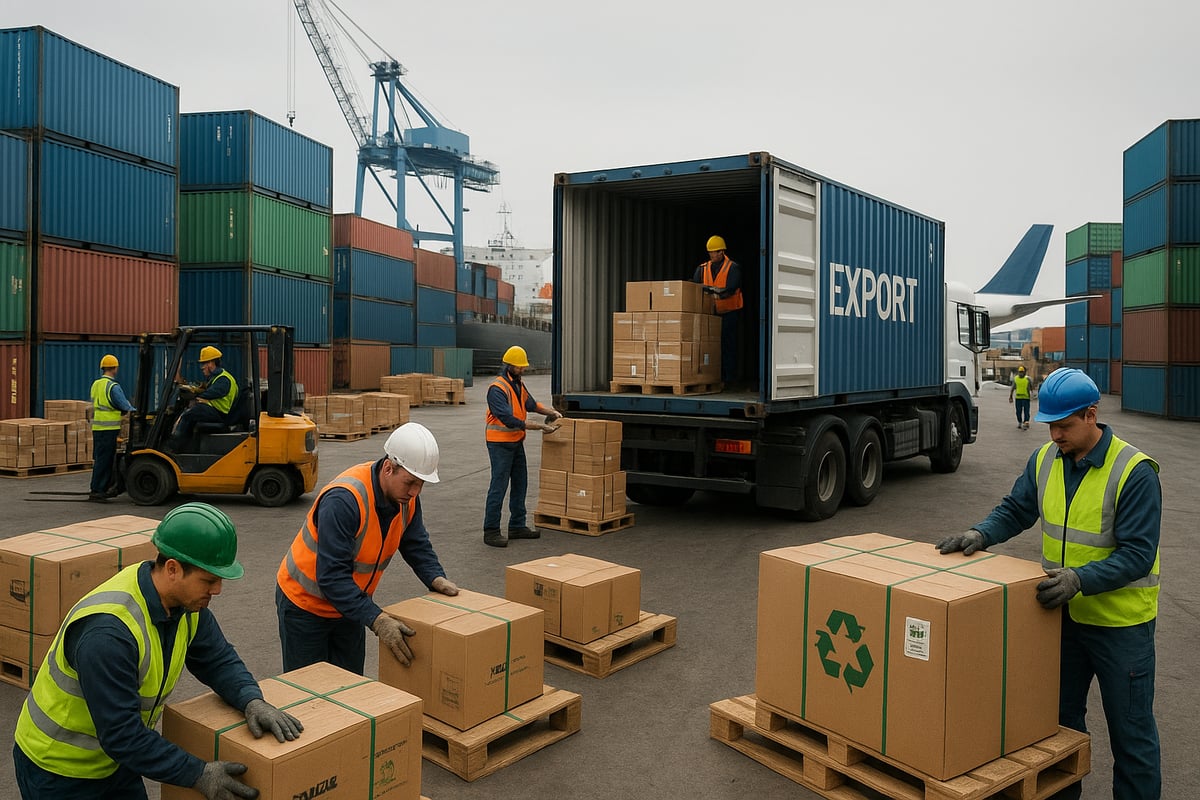
Today’s cargo logistics environment is marked by unprecedented complexity and rapid change. Growing global trade volumes mean more goods are moving across borders than ever before. According to the Colliers Supply Chain Report, container traffic and port activity continue to rise, putting pressure on companies to enhance their packing cargo strategies.
Stricter international regulations, such as IATA standards for air freight and IMO rules for sea shipments, require meticulous compliance. Businesses must adapt packing cargo methods to meet the demands of multi-modal transport, ensuring goods remain secure whether shipped by air, sea, or land.
E-commerce has accelerated expectations for speed and reliability, with customers demanding faster, damage-free deliveries. This places additional emphasis on packing cargo efficiently to withstand frequent handling and long journeys. The shift toward sustainability is also driving the adoption of eco-friendly materials and reusable packaging, aligning with environmental regulations and brand values.
A notable example is the surge in air freight following the pandemic, which exposed the need for robust, secure packing cargo solutions to prevent damage and loss during rapid, high-volume shipments. Industry data shows that poor packing cargo practices contribute to over $6 billion in damages annually, highlighting the urgent need for continual improvement.
When packing cargo is overlooked or mishandled, the risks multiply quickly. Improper packing cargo can result in:
For instance, fragile goods without adequate internal cushioning often arrive broken, leading to costly disputes and dissatisfied customers. Packing cargo incorrectly can also cause shipments to be held at borders or returned, disrupting supply chain timelines.
Additional consequences include higher operational costs and strained relationships with logistics partners. The insurance industry has noted a rise in claims directly linked to poor packing cargo, further underlining its significance. Businesses that prioritise precise, compliant packing cargo not only protect their goods but also enhance their reliability and reputation in the market.
Efficiently packing cargo begins with a systematic approach. Each step in the process plays a vital role in protecting goods, ensuring compliance, and minimising risks during transit. Here is a clear, actionable guide to preparing your cargo for packing in 2026.

Start by identifying the nature of your goods. Are they fragile, hazardous, or temperature-sensitive? Each type demands a specific approach to packing cargo. For example, pharmaceuticals often require temperature control and special labelling to maintain compliance and product integrity.
Next, consider the mode of transport. Air, sea, and land each have unique packing cargo requirements. Air freight, for instance, imposes strict limits on packaging and labelling.
Check destination country regulations and restrictions. Import rules, labelling standards, and prohibited materials can impact how you prepare your shipment. For temperature-sensitive items, consult guides on Temperature-controlled freight essentials to ensure safe and compliant delivery.
Accurate measurement is crucial for packing cargo. Measure length, width, height, and weight using reliable tools. Incorrect dimensions can lead to shipment rejection or costly repacking.
Consider if palletisation or containerisation is required. Some carriers and destinations have strict size and weight limits. For example, air cargo often restricts pallet dimensions to 1.20m x 1.20m x 1.53m, with a maximum weight of 1000kg per pallet.
Documentation is essential. Record all measurements and weights clearly. This information supports customs clearance and carrier acceptance, reducing the risk of delays.
Choosing suitable materials is key to packing cargo safely. Use double-walled boxes, wooden crates, or drums for strength and protection. For sea and air freight, opt for moisture and impact-resistant materials to shield goods from harsh conditions.
Where possible, select eco-friendly options like corrugated cardboard or recycled materials. For international shipments, ensure any wood packaging meets ISPM-15 standards to avoid customs issues.
Match packaging to the goods. Corrugated cardboard works well for air freight, while ISPM-15 treated wood is necessary for many exports. Select materials based on your cargo’s size, weight, and vulnerability.
Effective internal protection prevents movement and damage. Use bubble wrap, foam inserts, or airbags to cushion items. Spacing between goods is vital to avoid collision during transit.
Arrange items so they do not shift. Secure each piece within the box or crate. For fragile electronics, wrap each item individually and separate them with corrugated inserts.
Review the arrangement before sealing. The goal is to keep all items stable and protected throughout the journey, reducing the risk of costly claims or delays.
Customs and security inspections are routine in global logistics. Packing cargo for easy inspection helps avoid delays. Use non-metallic pallets, such as plastic or cardboard, which are compatible with X-ray screening required for air freight.
Ensure all documentation is accessible. Prepare for piece-level examination by customs or security officers. Clearly label cargo and keep paperwork organised for swift processing.
Meeting these requirements streamlines the shipping process, reduces risks, and ensures your cargo arrives on time and in perfect condition.
Mastering essential techniques for packing cargo is a cornerstone of effective logistics in 2026. Selecting the right materials, securing goods, and meeting compliance standards all contribute to safer, more efficient shipments. Below, we outline proven methods and best practices that ensure your packing cargo processes meet modern demands.

The foundation of packing cargo is selecting containers and pallets that match your goods’ needs. Standard boxes, wooden crates, and custom containers each offer distinct advantages. For example, odd-sized items may require bespoke solutions, while uniform products benefit from standardised palletisation.
Consider the following comparison:
| Container Type | Best For | Notes |
|---|---|---|
| Double-walled Box | General goods | Lightweight, cost-effective |
| Wooden Crate | Heavy/fragile items | Strong, reusable, ISPM-15 compliant |
| Custom Container | Oversized/unique cargo | Tailored fit, higher cost |
Proper palletisation involves stacking loads evenly, shrink-wrapping, and ensuring stability throughout transit. Remember, packing cargo for air freight requires attention to maximum height and weight limits.
High-quality sealing is vital when packing cargo. Use robust tape, such as reinforced paper tape, for tamper evidence. Strapping and banding provide additional stability, particularly for dense or heavy shipments.
For moisture and dust protection, liners or desiccants are essential, especially for sea or air routes. Tamper-evident seals add a layer of security for high-value goods. For a comprehensive overview of safe handling methods, see Handling cargo best practices.
Always double-check that your packing cargo methods reduce the risk of accidental opening or exposure during transit.
Accurate labelling is a non-negotiable aspect of packing cargo. Labels must be legible, weatherproof, and display all essential details, including consignee, destination, and handling instructions.
International regulations often require special markings for hazardous materials, such as UN numbers or hazard classes. For example, batteries, chemicals, and flammable items must have specific labels to ensure legal compliance.
Incorrect labelling can result in shipment rejection, so always verify your packing cargo aligns with both carrier and legal standards.
No matter the strength of your outer packaging, internal protection is a must when packing cargo. Bubble wrap, foam inserts, and airbags help absorb shocks and prevent movement. Choose a void fill material that matches your product’s fragility and value.
For example, glassware benefits from bubble wrap, while electronics often require custom foam inserts. The goal is to ensure no movement within the box, balancing protection with weight and cost.
Careful planning of internal arrangements is an essential part of packing cargo, especially for fragile shipments.
Security is a growing concern when packing cargo, particularly for high-value or sensitive items. Use plain, unbranded boxes to avoid drawing attention. Tamper-evident seals and real-time tracking solutions add further protection.
Marine insurance and thorough documentation provide an extra safety net against theft or loss. Packing cargo with these measures in mind also helps reduce risk and insurance premiums.
For particularly valuable goods, always review security protocols before dispatch.
Sustainability is now central to packing cargo. Opt for recyclable or biodegradable materials, such as paper-based tapes and recycled cardboard. Minimising excess packaging not only reduces environmental impact but also cuts costs and supports compliance with green regulations.
Major logistics firms are shifting towards zero-waste goals, making eco-friendly packing cargo practices a competitive advantage in 2026.
Stay updated on evolving sustainability standards to keep your operations ahead.
Navigating the complex world of packing cargo for global transit requires a detailed understanding of regulations across air, sea, and land. Each mode imposes unique challenges and compliance standards. By mastering these, businesses can prevent costly errors, ensure smooth customs clearance, and reduce the risk of damage or rejection.

Packing cargo for air transport involves strict adherence to IATA and local aviation authority standards. Air freight is subject to tight size and weight limits, with passenger aircraft typically allowing a maximum height of 1.6 metres and cargo aircraft up to 3 metres. Each pallet or container must not exceed specified weight restrictions, such as 1000kg per pallet for many carriers.
Security is paramount in air freight. All shipments must undergo screening, which can include X-ray, metal detectors, or manual inspections. Using non-metallic pallets, such as plastic or reinforced cardboard, speeds up screening and avoids delays. Piece-level screening is often required, especially for consolidated shipments.
Documentation is equally critical. Ensure all paperwork, including packing lists and declarations, is accurate and accessible. Failing to meet these requirements can result in rejected or delayed shipments, significantly impacting supply chains and increasing costs for those packing cargo.
Packing cargo for sea freight demands extra attention to moisture, salt, and the unique stresses of long ocean journeys. Robust packaging is essential, often utilising ISPM-15 treated wooden crates or pallets for international shipments to prevent pest contamination. Electronics and sensitive goods benefit from moisture-absorbing liners and desiccants, protecting contents from humidity and saltwater exposure.
Container load planning is crucial. Cargo must be tightly secured using lashing, blocking, and bracing techniques to prevent shifting during transit. Overpacking or underutilising container space can lead to instability and damage. Professionals increasingly adopt digital tools, such as the FIATA Container Packing App, to follow best practices and improve safety.
Labelling is another key factor. Ensure all containers are clearly marked with destination, handling instructions, and any regulatory symbols. Proper labelling reduces the risk of customs holds and supports efficient packing cargo operations for international shipping.
When packing cargo for road and rail, vibration, stacking, and road shock protection are top priorities. Heavy machinery often requires custom crating, shock absorbers, and secure tie-downs to withstand overland movement. Standard trailer and container sizes dictate the maximum dimensions, so always confirm compatibility before packing.
For hazardous goods, strict adherence to ADR (European Agreement concerning the International Carriage of Dangerous Goods by Road) and local regulations is mandatory. This includes using approved packaging materials, correct labelling, and documented emergency instructions.
Palletisation should be optimised for stability and easy handling. Use stretch wrapping, banding, and corner protectors to prevent movement and damage. Efficient packing cargo methods not only protect shipments but also maximise space utilisation and reduce transport costs.
Accurate documentation is the backbone of successful packing cargo operations. Every shipment must be accompanied by a precise packing list, commercial invoice, and any required certificates. Customs authorities rely on this paperwork to verify contents and ensure regulatory compliance.
Labelling must be clear, weatherproof, and include all necessary information, such as consignee details, destination, and special handling instructions. Non-compliance, like missing or incorrect dangerous goods declarations, can result in shipment rejection or lengthy delays.
Regularly review changes in international regulations to avoid costly errors. Training staff in documentation and customs procedures is vital for maintaining seamless packing cargo workflows. This proactive approach safeguards your business from avoidable penalties and disruptions.
Mistakes in packing cargo are more common than many realise, and even small errors can lead to significant setbacks. Overloading boxes or pallets beyond their rated capacity is a frequent issue, often resulting in collapsed loads or damaged goods. Insufficient internal cushioning or void fill leaves cargo vulnerable to shocks and impacts during transit. Other pitfalls include inadequate sealing, using low-quality tape, or incorrect and missing labelling. Non-compliant materials, such as untreated wood for export, can also cause serious complications. For example, a shipment of hazardous goods was recently rejected due to a missing declaration, highlighting how minor oversights can have major consequences.
Every stage of packing cargo requires diligence and attention to detail. Common mistakes include:
These errors can easily go unnoticed in busy operations, but their impact is often costly and disruptive.
Packing cargo incorrectly does not just affect a single shipment, it can disrupt entire supply chains. Damaged goods lead to increased insurance claims and higher premiums. Delays from repacking or rebooking can result in missed deadlines and dissatisfied customers. When customs or carriers reject shipments due to errors, businesses face extra costs and potential reputational damage. Data shows that improper packing cargo is responsible for billions in annual losses globally, underlining the importance of getting it right the first time.
Implementing robust quality control measures is essential for preventing packing cargo errors. Using comprehensive packing checklists and double-check procedures can help catch issues before shipments leave the warehouse. Regular staff training ensures everyone stays updated on current standards and best practices. Many companies now leverage technology, such as digital checklists and automation, to enhance accuracy. Innovative solutions like Deep Learning in Cargo Packing are transforming how errors are identified and prevented, optimising processes for greater efficiency and reliability.
For complex or regulated shipments, such as hazardous materials or pharmaceuticals, seeking expert help is often the best course of action. Specialist freight forwarders and packing consultants bring valuable experience in navigating regulations, documentation, and specialised packing cargo techniques. Their expertise minimises the risk of costly errors and ensures shipments are compliant and protected throughout their journey. Engaging professionals is especially important when handling high-value, oversized, or strictly regulated goods, where mistakes can have severe financial and legal implications.
The future of packing cargo is rapidly evolving, bringing transformative innovations to the logistics industry. In 2026, businesses must stay ahead by embracing new technologies, sustainable solutions, and global standards. These trends are set to redefine how packing cargo is managed, ensuring safety, compliance, and efficiency for every shipment.
Smart packaging is at the forefront of packing cargo advancements. With the integration of RFID tags, IoT sensors, and real-time tracking, logistics teams gain unprecedented visibility and control. These technologies monitor shipment conditions, such as temperature and shock, in transit.
This level of intelligence in packing cargo provides actionable insights, driving efficiency and reducing risk.
Automation is revolutionising packing cargo, making operations faster and more reliable. Robotics and AI handle repetitive tasks like dimensioning, weighing, and labelling, minimising human error.
For an in-depth look at how technology is transforming air freight, explore Air cargo charter innovations. Automation ensures packing cargo meets the demands of higher volumes and tighter deadlines.
Sustainability is now a core focus in packing cargo. Companies are adopting biodegradable and recycled materials, reducing excess packaging, and investing in reusable containers. Major logistics firms are setting zero-waste packaging goals to meet stricter environmental regulations.
Sustainable packing cargo practices not only support the environment but also appeal to eco-conscious customers.
Keeping pace with evolving regulations is vital for packing cargo in 2026. International bodies like IATA and IMO are updating requirements for labelling, documentation, and materials. Enforcement of safety and environmental compliance is becoming more rigorous.
Staying informed about regulatory changes ensures packing cargo remains compliant and avoids costly delays.
As packing cargo becomes more complex, ongoing training is essential. Logistics professionals must keep up with new technologies, updated standards, and best practices through regular upskilling.
Continuous learning equips teams to meet the challenges of modern packing cargo.
Packing cargo correctly is vital for minimising risk and maintaining efficiency in global supply chains. Below, we address the most frequently asked questions to help you avoid costly mistakes and ensure your shipments meet all industry standards.
Cargo damage frequently results from inadequate internal cushioning, overloading of containers, and poor sealing techniques. Incorrect packing cargo can lead to insufficient moisture or impact protection, especially for sensitive goods. Additionally, not following size or weight restrictions often causes problems during transit. For example, electronics are commonly damaged when desiccants are omitted, resulting in moisture exposure. Careful assessment and adherence to guidelines significantly reduce these risks.
Selecting the correct packaging starts with evaluating the fragility, value, and transport mode of your goods. Packing cargo for air, sea, or land may require different materials and strength. Consult industry standards and carrier requirements for your specific shipment. For regulated or high-value items, professional advice is recommended. Pharmaceuticals, for instance, need temperature-controlled packaging and precise labelling to maintain safety and compliance throughout the journey.
Dangerous goods must be clearly labelled with UN numbers, hazard class, and detailed handling instructions. Compliance with regulations such as IATA, IMO, or ADR is mandatory when packing cargo that includes batteries, chemicals, or flammable items. Labels should be weatherproof and legible, ensuring they remain intact during transit. Failure to provide accurate labelling can result in shipment rejection and significant delays, especially at international borders.
Reusing boxes or pallets is only advisable if they meet current strength and compliance standards. Using old or damaged materials when packing cargo increases the risk of rejection or damage. For example, reused boxes lacking structural integrity can collapse, leading to losses. Always inspect for wear, and ensure all reused items are suitable for the mode of transport and type of goods being shipped. Compliance is essential to avoid costly setbacks.
To ensure your cargo passes security screening, use approved materials and accessible packing methods. Prepare all necessary documentation and declarations in advance. When packing cargo for air freight, opt for non-metallic pallets, which are compatible with X-ray screening. For more insight into optimising security and efficiency, see Air cargo intelligence for supply chains. Proper preparation streamlines the inspection process and prevents unnecessary delays.
If your cargo is rejected or damaged, notify your carrier and insurance provider immediately. Document all issues with photos and written reports. Packing cargo correctly from the start reduces the likelihood of these situations, but if repacking is required, ensure all compliance standards are met before resubmission. For shipments held at customs, follow official guidance and provide any requested information promptly to facilitate release and minimise disruption.
To stay current with regulations and best practices for packing cargo, consult industry associations such as IATA, IMO, and local authorities. Professional freight forwarders and packing consultants also offer valuable guidance. For the latest updates on air cargo demand and its impact on packing requirements, refer to IATA Air Cargo Demand Growth. Downloadable guides from OEUK or government websites are excellent resources for ongoing compliance.
If you’re ready to put these essential cargo packing tips into practice and want to simplify your entire air freight process, why not see how technology and expert support can work for you? With CharterSync, you gain access to intelligent automation, real time aircraft matching, and the backing of dedicated professionals—all designed to help you avoid costly mistakes and keep your shipments safe and compliant. If you’re curious about how this could transform your cargo operations in 2026, I invite you to request a demo and experience the difference for yourself.

.png)