November 20, 2025
Boosting Supply Chain Efficiency with Air Cargo Intelligence
News
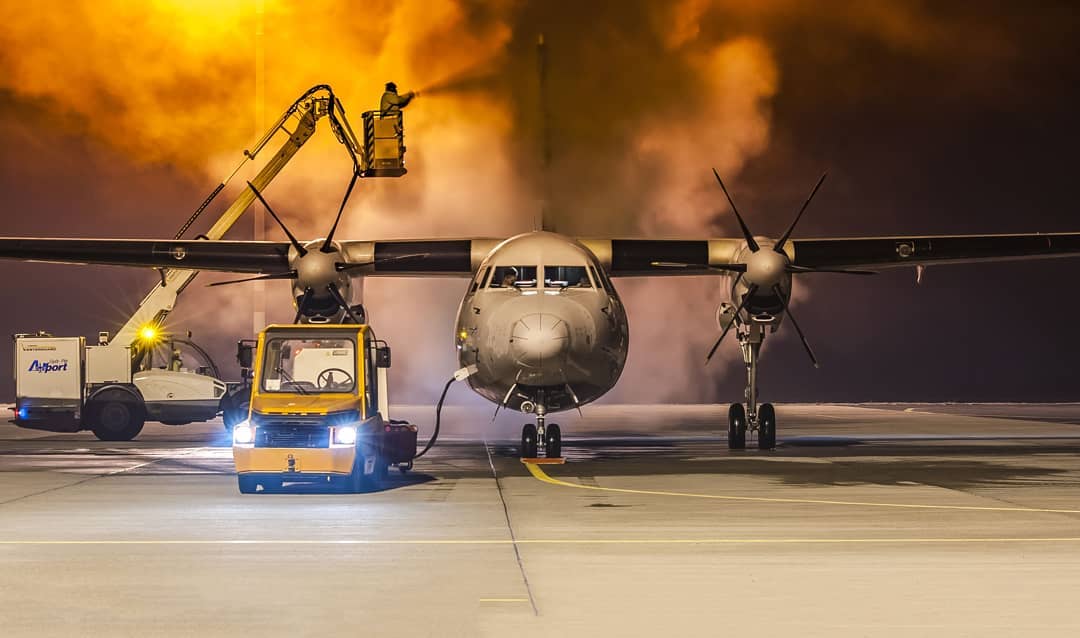
Boosting Supply Chain Efficiency with Air Cargo Intelligence
In today’s era of heightened geopolitical risk and shifting trade policy, the idea of relocating or restructuring supply chains is no longer theoretical, it’s an active conversation at boardroom level. Whether spurred by tariffs, trade wars, currency fluctuation, or the desire to shorten or re-shore logistics networks, companies face enormous challenges when shifting production and sourcing across regions.
But with the right logistics partner and digital visibility tools, this transformation can be far less fraught. CharterSync’s air cargo charter and cargo intelligence capabilities can help mitigate risk and relieve the pressures around supply-chain migration.
The pressures behind supply-chain relocation
Governments around the world have ramped up their use of trade controls, tariffs and import/export restrictions as leverage in diplomatic, economic, or industrial policy. For certain industries, the cumulative tariff burden on inputs or finished goods becomes intolerable, prompting firms to consider relocating production to friendlier or lower-cost geographies.
The disruptions of the pandemic, port blockages, labour strikes, extreme weather and infrastructure failures have also exposed the fragility of “lean” global supply networks. Many firms are now thinking in terms of redundancy, dual sourcing, or more distributed manufacturing footprints, all of which may require re-routing flows, reassigning transport modes, or even establishing new logistics hubs.
Even without tariffs, overland transport costs such as fuel, labour and tolls have seen upward pressure.Meanwhile, congestion at ports and border crossings, and customs delays, have amplified lead times unpredictably. This unpredictability is driving some firms to favour air transport for strategic lanes or parts of their supply chain.
Companies will often chase favourable tax regimes, incentives or free trade zones. But when currency volatility erodes cost advantages, firms may shift sourcing or manufacturing bases accordingly.
In sectors like automotive, high tech and fast fashion, agility and speed matter more than ever. As consumer expectations shift to rapid delivery, companies must balance cost with responsiveness. That often means integrating air freight or charter options into their plans, especially when supply chains are being restructured.
The logistical realities and risks of moving supply chains
Relocating or reconfiguring supply chains is easier said than done. Some common pitfalls and stresses include
- Route requalification and network redesign: You may need to explore new port, airport and ground-haul combinations, often in geographies where your team is unfamiliar.
- Carrier relationships and capacity constraints: Established relationships in your original geography may not transfer, and new routes may be thinly served.
- Customs, permits, overflight rights, regulatory compliance: Every new region introduces new regulatory hoops, duty regimes and permit requirements, all of which can cause delays or rework.
- Increased touch points: New shipment points increase handling, risk of damage, and coordination complexity.
- Visibility blind spots: In transit, tracking, exception management and coordination become more complex when flows traverse unfamiliar geographies or intermediaries.
These risks can spiral quickly.Without real-time visibility, a delayed permit or customs hold in a foreign jurisdiction or an oversize cargo misrouted can cause cascading delays across the chain.
How CharterSync can help in supply-chain transition
At CharterSync, we believe that relocating supply chains doesn't have to be chaotic or opaque. Here’s how our platform and services can act as stabilising forces during transition:
1. On-demand air charter for interim and strategic capacity
When a supply chain transition is underway, you often need interim bridging capacity or emergency options for high-value or time-critical parts. CharterSync offers full or part cargo charters, enabling you to bypass congested hubs or slow sea lanes and move critical components swiftly. We handle aircraft on ground and urgent requests 24/7, ensuring grounded lines don’t stay idle.
2. Visibility and real-time tracking
One of the greatest fears during transitions is losing sight of goods in flight.CharterSync’s active flight dashboard and real-time tracking integrations allow you and your stakeholders to monitor aircraft position, delays, permit statuses and scheduling changes from a single view.
3. Data-driven market intelligence and optimisation
BecauseCharterSync aggregates booking requests, aircraft availability, routing options and permit lead times, we can provide clients with cargo intelligence and trade-lane insights. This empowers planning teams to identify cost-effective corridors, avoid capacity bottlenecks, or pre-position inventory intelligently.
4. Permit & regulatory coordination
We actively work with carriers to expedite overflight, landing and customs permits, reducing delays associated with red tape. For unusual or heavy/oversized cargo, we handle special routings, permit packaging and liaising with local agencies.
5. Scalability and flexibility
BecauseCharterSync’s platform taps into a pool of 5,000+ aircraft globally, we can scale rapidly across geographies, aircraft types and capacity bands. We also support part-charter solutions, enabling cost sharing when demand is only partial – so you’re not forced into full aircraft charters if it’s not needed.
6. Digital efficiency and reduced friction
Our fully integrated booking and management system aggregates all documents, contracts, correspondence and routing in one centralised workflow, eliminating miscommunication, lost paperwork and coordination overhead.
Now is the time to embed air chartering in supply-chain strategy
Rather than waiting until a bottleneck collapses your supply chain, embedding air charter and cargo intelligence provides proactive resilience instead of reactive scrambling. This forward-thinking approach gives companies valuable breathing room when the unexpected happens.
Another key advantage is the ability to shorten decision cycles. With actionable route data and clear permit timelines, planning teams can evaluate location decisions far more quickly and with greater certainty, enabling businesses to adapt in fast-moving geopolitical and economic environments.
Cost control is also improved during transition phases. While air rates can be high, strategically deploying charter capacity only for mission-critical lanes, supported by detailed cost intelligence, ensures better margin protection and reduces unnecessary overheads.
In addition, embedding air charter capacity makes companies more adaptable to unexpected shocks such as port closures, labour strikes, or geopolitical flare-ups that might otherwise halt operations.
Finally, greater visibility and data-driven decision-making build confidence across stakeholders. Leadership, investors and partners all benefit from knowing that supply-chain relocation or restructuring is supported by clear intelligence, real-time monitoring and a contingency plan.
Enabling smooth cargo flows
Supply-chain reconfiguration, whether motivated by tariffs, regionalisation or resilience, is becoming a strategic imperative for many firms. But the execution risk is high. Logistics friction, visibility blind spots, capacity constraints and regulatory complexity all threaten to derail a well-intended move.
That’s where CharterSync aims to be a strategic enabler. Combining on-demand air charter, real-time visibility, regulatory coordination and cargo intelligence to smooth the transition and reduce operational risk.
If your company is evaluating a supply-chain shift, reach out to us at CharterSync to explore how we can support your relocation or resilience plan. The difference between a seamless transition and protracted disruption can often come down to whether you had real-time control and visibility over your cargo flows.
Continue Reading

Air Cargo Charter: Key Takeaways from Air Cargo China 2026
June 28, 2026
Read Blog.png)
CharterSync is heading to Shanghai for air cargo China 2026
June 17, 2026
Read Blog.png)