.png)

In 2026, international delivery is transforming how businesses and individuals connect across borders. As cross-border e-commerce grows at record speed, reliable shipping options have become vital for staying competitive and maintaining personal ties.
This guide is designed to break down the complexities of international delivery. It equips you with expert strategies, updated rules, and proven best practices so your global shipments arrive smoothly and on time.
Explore the latest delivery options, pricing models, customs regulations, packaging standards, and technology-driven solutions that are shaping the future of global shipping. Whether you want faster delivery, clear pricing, or a hassle-free booking process, this guide provides the insights you need. Ready to master international delivery? Let’s get started.
The landscape of international delivery in 2026 has evolved rapidly, shaped by innovation, global trade shifts, and the demands of e-commerce. Whether you are a business scaling cross-border operations or an individual sending parcels abroad, understanding the latest trends and best practices is essential for success.

In 2026, the global shipping ecosystem is thriving, driven by the ongoing surge in cross-border e-commerce. Businesses and consumers now routinely send goods across more than 160 countries, with parcel volumes reaching unprecedented levels. Major carriers like DHL, FedEx, UPS, and DPD, alongside efficient local postal services, play a crucial role in connecting markets worldwide.
Digitalisation and automation have transformed logistics, making international delivery faster, more reliable, and highly transparent. Popular shipping corridors include routes from the UK to the US, EU, and Asia-Pacific. According to global e-commerce logistics market growth projections, the sector is expected to expand significantly through 2035, reflecting increased demand for seamless global shipping solutions. Thousands of parcels now move daily, powered by agile supply chains and smart technology.
International delivery services in 2026 cater to a wide range of needs, from urgent documents to heavy freight. The main categories include economy, express, and premium air, road, and sea options. For instance, European Road services are ideal for non-urgent shipments within the continent, while International Economy and Worldwide Air provide faster solutions for time-sensitive deliveries.
Delivery speed is a key differentiator, with options ranging from as quick as 2 days for express air to over 10 days for economy sea freight. Choosing the right service depends on urgency, destination, and budget. Integration with e-commerce platforms allows businesses to offer real-time international delivery quotes and tracking to customers. Insurance options, often extending up to £5,000, provide peace of mind for valuable shipments. Tracking and proof of delivery features are now standard, ensuring transparency at every stage.
| Service Type | Delivery Speed | Coverage | Ideal For | Insurance Available |
|---|---|---|---|---|
| Economy Road | 5–10 days | Europe | Non-urgent parcels | Yes |
| Express Air | 2–5 days | Worldwide | Urgent shipments | Yes |
| Premium Air/Sea | 3–10+ days | Worldwide | Large or high-value goods | Yes |
Several core factors affect international delivery outcomes. Parcel weight, dimensions, and volumetric weight calculations all play a part in determining shipping costs. The destination country also matters, as remote area surcharges can apply. Service selection and value-added options, such as extended insurance or Saturday delivery, influence both pricing and service quality.
Seasonal demand introduces peak period surcharges, making it vital to plan ahead. Regulatory and customs requirements vary by country, so understanding each market’s rules is crucial for avoiding delays. Transparent pricing tools, like DHL and Transglobal Express quick quote calculators, help shippers compare rates and avoid hidden fees. Using these tools ensures a smooth international delivery experience and better cost control.
Navigating the complexities of international delivery in 2026 means addressing both persistent challenges and emerging opportunities. Post-Brexit and ongoing EU trade changes require businesses to stay agile and compliant with new customs regimes. Global disruptions, from supply chain shocks to regulatory updates, add further complexity.
At the same time, automation, AI, and digital booking platforms present significant opportunities for efficiency and growth. Sustainability is increasingly at the forefront, with green logistics practices now a competitive necessity. Customers expect faster deliveries and real-time visibility, driving adoption of live service updates and advanced tracking. By embracing these developments, shippers can turn challenges into a strategic advantage within the international delivery landscape.
Understanding how international delivery pricing works is crucial for managing costs and ensuring a smooth shipping experience. Multiple factors come into play, from parcel size and weight to service selection and destination. Transparent pricing models and accessible quote tools now empower both businesses and individuals to make informed decisions when shipping worldwide.

International delivery pricing typically relies on three main models: weight-based, dimension-based, and volumetric pricing. Couriers calculate the cost using the greater of actual weight or volumetric weight, ensuring fair pricing for lightweight but bulky parcels.
Volumetric weight is calculated using the formula: Length x Width x Height (cm) / 4,000. For example, a 50 x 40 x 30 cm parcel would have a volumetric weight of 15 kg. If this exceeds the actual weight, the higher figure is used for pricing.
Modern quote tools make it easy to enter your parcel details and instantly view available services. The destination country, parcel type, and chosen service level all influence the final cost. Express services command a premium for faster transit, while economy options are more budget-friendly but slower.
Consider the following example:
| Service Type | Small Parcel (2kg) | Large Parcel (20kg) |
|---|---|---|
| Economy (US) | £28 | £95 |
| Express (EU) | £35 | £110 |
| Economy (Asia) | £32 | £105 |
Service limits such as maximum weight (often up to 25kg for parcels) and size restrictions also affect eligibility and pricing. Comparing quotes across providers is now easier than ever, thanks to platforms that aggregate rates and service features. For a deeper dive into how to compare rates and select the best option, see this guide on comparing cargo shipping quotes.
Beyond base rates, international delivery often includes additional surcharges and optional extras. Common fees cover fuel costs, remote area deliveries, and Saturday or timed delivery slots. Remote area surcharges can significantly increase shipping costs, particularly for hard-to-reach destinations.
Insurance is another key consideration. Many services include basic cover, but high-value shipments may require extended insurance up to £5,000. Handling restricted or prohibited items can trigger extra fees or even result in returns, so always check courier guidelines before booking.
Be mindful of returns and redelivery charges, which can add up if parcels are undeliverable. To avoid unexpected costs, review all included and optional fees carefully before confirming your shipment. Transparent pricing is now standard, making it easier to identify and manage total spend on international delivery.
Choosing the right courier for international delivery involves more than just comparing rates. Key factors include transit times, service reliability, network coverage, and customer support. Many shippers use aggregator platforms to view multiple options side by side.
Below is a summary table of typical service features:
| Courier | Tracking | Proof of Delivery | Insurance Cover | Delivery Speed |
|---|---|---|---|---|
| DHL | Yes | Yes | Up to £5,000 | 2–7 days |
| FedEx | Yes | Yes | Up to £2,000 | 2–10 days |
| UPS | Yes | Yes | Up to £5,000 | 2–8 days |
| DPD | Yes | Yes | Up to £1,000 | 3–6 days |
Reliability and customer service ratings, often found on review sites, are equally important. Transparent quotes and no hidden fees are now industry standards, making it easier to balance cost with delivery speed and peace of mind. Always assess the value each service offers for your specific international delivery needs.
Booking international delivery has never been more streamlined or accessible. By following a structured process, businesses and individuals can ensure their parcels reach destinations worldwide securely and efficiently. This step-by-step guide breaks down each essential stage, providing practical advice and best practices for successful international delivery.

The foundation of every successful international delivery is proper preparation. Start by weighing and measuring your parcel accurately using reliable kitchen or bathroom scales and a tape measure. Record both the actual weight and the parcel's dimensions, as these details directly influence shipping costs and service eligibility.
Choose packaging that suits the contents and the journey ahead. Sturdy cardboard boxes are ideal for most items, while flyer bags work for lighter, non-fragile goods. For large or multiple items, consider palletising shipments. Reinforce your package with cushioning materials and secure tape to protect contents during transit.
Adhering to courier packaging guidelines is crucial. Each provider sets standards for weight, size, and packaging type. Incorrect packaging can result in delays or refusals. Always label your parcel clearly with the sender and recipient details, including a contact number and full address. For multiple parcels, consolidate where possible to save on costs and reduce handling errors.
For expert tips on packaging best practices, consult resources such as Packing cargo for international transit, which covers how to prepare parcels for international delivery. Taking these steps ensures your shipment is ready for its journey and reduces the risk of issues arising later in the process.
Once your parcel is ready, the next step in international delivery is obtaining an accurate quote and selecting the most suitable service. Use online quote tools provided by major couriers or aggregator platforms. Enter the precise weight, dimensions, origin, and destination country to receive tailored service options.
Review available choices, such as economy, express, air, road, or sea services. Consider the urgency of your shipment and balance delivery speed with cost. Economy services are cost-effective for non-urgent parcels, while express delivery ensures faster transit for time-sensitive shipments.
Check for additional features, such as insurance cover, tracking, and proof of delivery. Some destinations incur remote area surcharges or have limited drop-off options, so factor these into your decision. Transparent, comprehensive quotes help avoid unexpected charges and make it easier to compare services.
Popular destinations often have competitive rates and frequent departures. By carefully reviewing service options and understanding pricing structures, you can optimise your international delivery experience, ensuring both value and reliability.
With your service selected, proceed to book your international delivery online. Complete the booking form with detailed information about the sender, recipient, and parcel contents. Accurate addresses and contact details are essential for smooth processing and successful delivery.
Choose whether you prefer courier collection from your location or dropping the parcel off at a local depot or service point. Many platforms offer flexible payment methods, including credit or debit cards, prepay credit accounts, or business invoicing for regular shippers.
The booking process is designed for efficiency. Bulk upload tools and account dashboards simplify managing multiple shipments. Once payment is made, you will receive a confirmation and instructions for the next steps. These measures help streamline international delivery and reduce the risk of errors or delays.
Customs requirements are a critical aspect of international delivery. Completing accurate customs declarations prevents delays, fines, and potential returns. Begin by providing a clear, detailed description of each item, its value, and the correct Harmonised System (HS) code. This information is used by customs authorities to assess duties, taxes, and admissibility.
Prepare the required paperwork, which typically includes:
Be aware of destination-specific regulations and restrictions. Some countries require additional documentation or have strict import conditions for certain goods. Failing to comply may result in confiscation or extended clearance times.
Common mistakes include incomplete forms, vague item descriptions, or missing values. Double-check all documentation before submitting it with your parcel. Many international delivery providers, such as DHL and Transglobal Express, offer customs support and resources to guide you through the process.
Accessing customs advice ensures that your shipment meets all legal and regulatory requirements. Efficient customs clearance is vital for timely international delivery and minimises the risk of parcels being returned or held at the border.
After preparing customs documentation, arrange for the handover of your parcel to the courier. You can schedule a collection from your address or drop the shipment at a designated service point or depot. Attach all shipping labels securely, ensuring barcodes and addresses are clearly visible.
International delivery services now provide real-time tracking through online platforms and mobile apps. You can monitor your parcel's journey from collection to final delivery, with notifications at key milestones. Proof of delivery is often available, giving you peace of mind and accountability.
If delays or exceptions occur during transit, contact customer support promptly. Providers offer solutions for redelivery or collection from a local depot if the recipient is unavailable. Staying informed and responsive helps ensure a smooth international delivery experience for both sender and recipient.
Even with careful planning, returns and customer issues can arise during international delivery. Understanding the return policy of your chosen courier is essential. Most providers allow you to initiate returns online or through customer service, specifying the reason and arranging collection or drop-off.
Track the status of returned parcels using the same platforms as outbound shipments. If a parcel is lost or delayed, contact the courier's support team immediately. They will guide you through the claims process for compensation in cases of damage or loss.
Clear communication is key to resolving issues efficiently. Provide all relevant shipment details, documentation, and evidence when making a claim. By following best practices and maintaining open dialogue, you can manage returns and customer support effectively, safeguarding your international delivery reputation.
International delivery in 2026 requires a thorough understanding of customs, regulations, and compliance rules. As the global landscape evolves, businesses and individuals must adapt to new systems, documentation requirements, and regulatory expectations. This section will guide you through the latest customs processes, restricted items, duties and taxes, and anticipated regulatory changes, ensuring your international delivery experience is seamless and compliant.
The customs clearance process for international delivery has undergone significant transformation by 2026. Automation and digital customs platforms now play a central role, streamlining checks and reducing manual paperwork. When shipping parcels or freight, accurate declarations and detailed documentation are essential for swift processing.
Global trade agreements, such as post-Brexit arrangements and updated EU rules, have changed the way shipments are assessed and cleared. Couriers like DHL, FedEx, and Transglobal Express offer extended customs support, helping shippers navigate new requirements. Digital systems match declared goods with harmonised codes, improving transparency and reducing errors.
To ensure success in international delivery, always provide precise item descriptions, values, and supporting documents. Automated customs tools can flag inconsistencies, so double-checking your paperwork is crucial. As compliance becomes more data-driven, staying up to date with the latest digital customs processes is a must for all international delivery bookings.
When planning international delivery, it is vital to check prohibited and restricted item lists for each destination country. Commonly restricted items include lithium batteries, perishables, aerosols, and certain chemicals. Each country and courier may have unique regulations, so always refer to official courier and government resources before shipping.
Shipping prohibited items can result in delays, confiscation, or significant fines. For example, DHL and Transglobal Express publish up-to-date lists of restricted goods and provide guidance on what can and cannot be sent. Attempting to bypass these restrictions can jeopardise your shipment and lead to compliance penalties.
To avoid issues in international delivery, create a checklist of items you plan to send, then cross-reference with courier and governmental restrictions. If in doubt, consult the courier’s support team or use online eligibility tools. Proactive compliance will save time and prevent costly setbacks in your international delivery process.
Understanding duties, VAT, and import taxes is essential for anyone managing international delivery. Duties and taxes depend on the destination country, parcel value, and product type. These fees are typically calculated using harmonised codes and declared values provided in customs documentation.
There are two main delivery models: DDU (Delivered Duty Unpaid), where the recipient pays duties on arrival, and DDP (Delivered Duty Paid), where the sender covers all costs upfront. Many businesses now prefer DDP for smoother customer experiences and fewer delivery delays. Use online calculators and country-specific resources to estimate duties and include them in your quotes.
For shipments to the EU, VAT rates and duty thresholds vary by country. Ensuring transparency with end customers about all charges is best practice in international delivery. For a deeper dive into duty changes and how importers are preparing for 2026, see International freight trends and importer preparations.
The international delivery sector is rapidly adapting to new regulations and technologies. Digital customs systems, such as automated clearance platforms, are becoming mandatory in many regions. Sustainability regulations are on the rise, requiring recyclable packaging, emissions tracking, and compliance with environmental standards.
Data protection is also a growing focus, with cross-border data sharing now governed by stricter rules. Anticipate ongoing shifts in packaging requirements, such as ISPM 15 for wood materials, and be prepared to update processes quickly as new laws take effect.
Staying compliant in international delivery means monitoring updates from couriers, trade bodies, and regulatory agencies. Best practices include regular staff training, using compliance checklists, and leveraging digital tools to track regulatory changes. By remaining agile, your international delivery operations will remain efficient and compliant with evolving global standards.
Ensuring your parcel arrives safely during international delivery starts with careful preparation. Every step, from packaging to labelling and insurance, plays a critical role in protecting goods as they cross borders. Following best practices reduces delays, damage, and costly returns.
Proper packaging forms the backbone of safe international delivery. Choose sturdy materials like double-walled cardboard boxes or durable flyer bags to protect against impacts. When sending pallets, ensure they are stackable if possible, and reinforce with straps or shrink wrap to prevent shifting during transit.
Follow the packaging guidelines provided by your courier, as these are designed for international delivery standards. Take care to cushion fragile items with bubble wrap or foam. Always seal all openings securely with strong tape.
Sustainable packaging is increasingly important. Opt for recyclable or biodegradable materials to meet modern green logistics expectations. For detailed advice on preparing goods for air transport, consult resources such as Understanding air freight shipping, which outlines specific requirements for international delivery by air.
Accurate labelling is essential for smooth international delivery. Always print shipping labels clearly, ensuring barcodes and QR codes are unobstructed for easy scanning. Attach labels to the largest, flattest surface of your parcel.
Include all required customs and regulatory documentation, such as commercial invoices and packing lists, inside a plastic wallet on the parcel exterior. Double-check all recipient and sender details for accuracy.
Common labelling mistakes, like missing customs forms or unclear addresses, frequently cause delays in international delivery. For bulk shipments, use courier tools to print multiple labels with thermal printers, reducing manual errors and improving efficiency.
Every international delivery is subject to security checks and customs inspections. Make parcels easy to open, avoiding excessive tape or materials that hinder access. Do not use prohibited packaging items like wood shavings or straw, which may be restricted in some countries.
Provide a detailed packing list with item descriptions, values, and quantities. This speeds up inspection and helps customs officials verify your shipment. For high-value or sensitive goods, follow special security requirements as advised by your courier.
Careful preparation ensures your international delivery passes through security smoothly, reducing the risk of delays or returns due to non-compliance with inspection protocols.
Managing risk is vital for any international delivery. Most couriers offer a standard level of insurance cover, but it is wise to review whether this meets your needs. For valuable shipments, consider purchasing extended insurance up to the maximum available limit.
Declare high-value items accurately on your customs documentation and booking forms. This ensures the correct cover is applied in case of loss or damage during transit. Keep all supporting documents, such as invoices and photos, to facilitate a smooth claims process if needed.
High-value insurance options are available for items such as electronics or artwork. By understanding your insurance and liability, you gain peace of mind for your international delivery, knowing your goods are protected every step of the way.
The international delivery landscape in 2026 is being transformed by rapid advances in technology and digitalisation. Businesses and individuals now enjoy unprecedented convenience, visibility, and efficiency when sending parcels and freight worldwide. Let us explore the most significant innovations shaping this sector and what they mean for your international delivery strategy.
Digital platforms are the backbone of modern international delivery. Automated booking tools allow users to compare services, generate instant quotes, and streamline the entire shipping process. Integration with e-commerce platforms enables seamless order fulfilment, reducing manual data entry and minimising errors.
AI-driven systems are now used to optimise routing, match shipments with the most suitable aircraft or vehicles, and forecast delivery times with impressive accuracy. For example, some aggregator platforms use smart algorithms to analyse thousands of routes, ensuring the fastest and most cost-effective service for every international delivery.
Key benefits include:
As automation grows, expect international delivery to become even more accessible, accurate, and scalable for businesses of all sizes.
Customers now expect complete transparency throughout the international delivery journey. Advances in real-time tracking technology mean you can monitor your parcel or freight from collection to final delivery, with updates provided at every stage.
Leading couriers offer user-friendly mobile apps and online dashboards. These tools provide:
Enhanced visibility helps businesses manage customer expectations, respond quickly to delays, and improve overall satisfaction with international delivery services.
Sustainability is no longer optional in international delivery. In 2026, logistics providers are investing heavily in eco-friendly packaging, optimised shipping routes to reduce emissions, and the adoption of electric or hybrid vehicles. Many couriers now offer carbon offset options and are committed to net-zero targets.
Air freight is also evolving, with significant investments in sustainable aviation fuel and green technologies. For a deeper look at these developments, see Sustainability initiatives in air freight, which highlights the industry's journey towards net-zero carbon emissions and the role of innovative solutions in greener international delivery.
By choosing providers with strong environmental commitments, shippers can align their international delivery practices with modern sustainability goals.
The future of international delivery is shaped by emerging technologies that promise faster, more reliable, and more secure shipments. Drones and autonomous vehicles are increasingly being used for last-mile delivery, especially in remote or high-demand urban areas. Blockchain technology is gaining traction for secure, tamper-proof shipping records, while predictive analytics help couriers anticipate demand and optimise routes.
A quick comparison of emerging solutions:
| Innovation | Benefit |
|---|---|
| Drones | Ultra-fast last-mile delivery |
| Autonomous vans | Reduced human error |
| Blockchain | Secure shipment records |
| Predictive AI | Accurate demand forecasting |
To explore these developments further, see Emerging trends in global logistics for 2026, which covers how automation, robotics, and data are redefining international delivery.
Staying informed on these trends is essential for anyone involved in international delivery, helping you stay ahead of the competition.
When standard courier services cannot meet urgent or specialised needs, air cargo charter solutions provide a flexible answer. Platforms like CharterSync give instant access to a global fleet of aircraft, AI-powered quoting, and expert support for complex international delivery requirements.
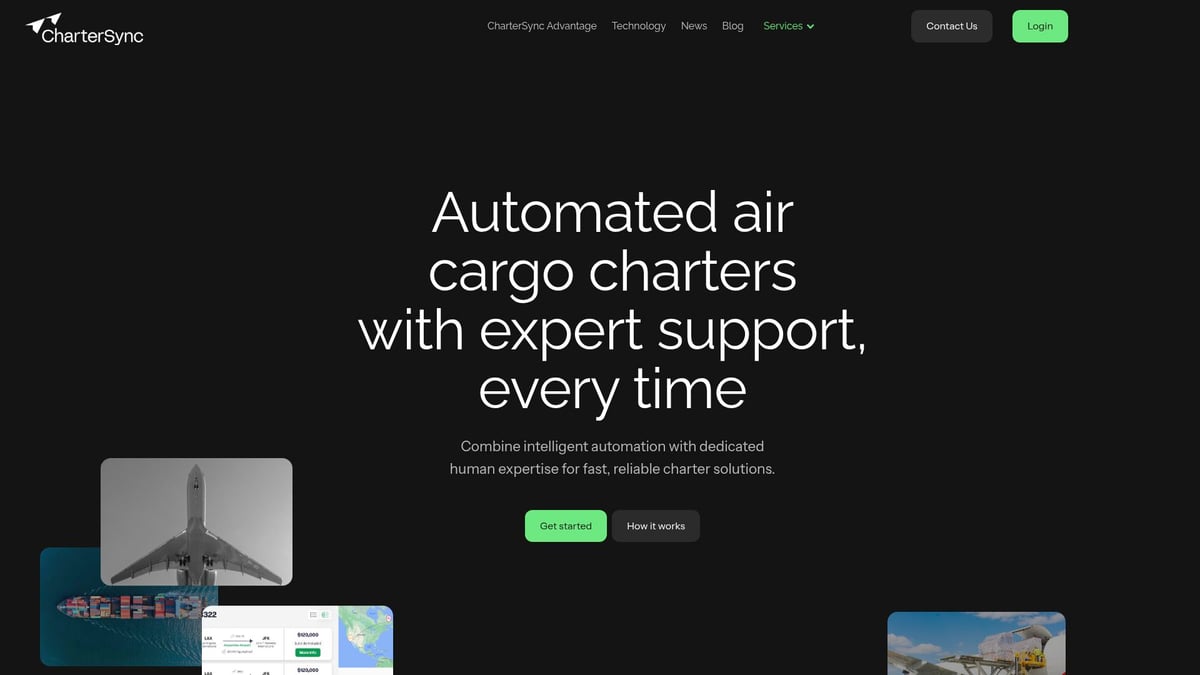
Industries such as automotive, pharmaceutical, and high-tech rely on air charter for time-critical or high-value shipments. These bespoke solutions ensure reliability and speed when every minute counts.
Selecting the right international delivery partner is crucial for ensuring your parcels arrive safely, on time, and at the right cost. With the sheer range of options available, making an informed choice can streamline your global shipping experience and help avoid common pitfalls.
When comparing international delivery providers, focus on these essential criteria:
Direct couriers like DHL, FedEx, UPS, and DPD offer broad service networks and established reputations. Aggregator platforms, such as Transglobal Express, allow you to compare rates and services from multiple couriers in one place, often providing extra flexibility and cost savings. For more complex or urgent freight, you might consider booking freight for global delivery through a dedicated platform.
Customer reviews and independent ratings, such as Trustpilot scores, offer valuable insight into real-world performance. Pay close attention to feedback on communication, claims resolution, and delivery reliability.
Technology is also a key differentiator. Leading international delivery partners provide instant quotes, live tracking, and seamless integration with e-commerce platforms. This not only enhances user experience but also supports business growth by improving efficiency and transparency.
| Courier | Coverage | Trustpilot Rating | Tech Integration | Customer Support | Price Transparency |
|---|---|---|---|---|---|
| DHL | 220+ countries | Excellent | Advanced | 24/7 | High |
| FedEx | 220+ countries | Very Good | Advanced | 24/7 | High |
| UPS | 220+ countries | Good | Advanced | 24/7 | High |
| DPD | 50+ countries | Good | Good | Office hours | High |
| Transglobal Express | Aggregator | Excellent | Advanced | Extended hours | Very High |
Ultimately, the best international delivery partner aligns with your shipping needs, offers reliable support, and delivers value for money. Whether you are a business scaling up or an individual sending a one-off parcel, taking these factors into account will help you achieve smooth, successful global shipments.
As you navigate the ever-evolving world of international delivery in 2026, it’s clear that technology and expert support are essential for keeping shipments reliable and on time. If you’re ready to experience the benefits of intelligent automation and dedicated human assistance—whether you’re managing urgent, high-value, or complex shipments—why not see firsthand how seamless global air cargo can be? Discover how CharterSync’s platform streamlines every step, from quoting to booking and tracking, so you can focus on what matters most.
request a demo

.png)