.png)
Imagine a world where your flight schedule adapts to you, not the other way around. That is the promise of private and business air travel in 2026.
This guide is here to demystify every aspect of flying by charter planes, helping you make informed, efficient, and cost-effective travel decisions. Whether you are a business leader or a leisure traveller, understanding your options is key.
You will discover the types of charter planes available, the steps to book, how pricing works, and the regulations that keep you safe. We will also highlight emerging trends shaping the future of private aviation.
Let this handbook inspire you to embrace the flexibility, privacy, and tailored experience that only charter planes can provide.
Charter planes are transforming the way individuals and businesses travel, offering tailored solutions beyond the limits of traditional airlines. Whether you need privacy, efficiency, or flexibility, understanding the full landscape of charter planes is vital for making informed decisions in 2026.

Charter planes are aircraft hired for exclusive use, departing on your schedule instead of a fixed airline timetable. Unlike commercial flights, which run regular routes with ticketed passengers, charter planes operate on-demand for both passengers and cargo.
There are passenger charters for private groups and air cargo charters for freight, each offering a different set of benefits. Options range from private jets and turboprops to helicopters, ensuring solutions for various travel needs. Popularity is rising, especially as more people seek control and privacy post-pandemic. For a deeper dive into distinctions and options, see this Charter flights overview.
The charter planes market in 2026 features a growing fleet of light jets, midsize jets, heavy jets, and turboprops. Light jets seat up to eight and suit short-haul trips, while midsize jets serve regional journeys with more comfort. Heavy jets offer transcontinental range and spacious cabins for larger parties. Turboprops are cost-effective for short sectors and remote airports.
| Type | Seats | Range (miles) | Speed (mph) | Best for |
|---|---|---|---|---|
| Light Jet | 4-8 | 1,500-2,000 | 400-500 | Short-haul |
| Midsize Jet | 7-10 | 2,000-3,000 | 450-500 | Regional |
| Heavy Jet | 10-18 | 4,000-7,000 | 500-600 | Long-haul |
| Turboprop | 4-8 | 1,000-1,800 | 300-350 | Remote/short |
Choosing among charter planes depends on distance, passenger count, and comfort preferences.
Charter planes fulfil a diverse range of needs. Corporate travellers book them for confidential meetings and rapid city hops. Leisure users enjoy luxury holidays, direct access to ski resorts, or remote islands. Medical charters provide urgent evacuation or organ transport, where speed is crucial.
Cargo charters move valuable or time-sensitive goods, such as pharmaceuticals or automotive parts. Sports teams and entertainment groups use charter planes to coordinate complex schedules. Every sector benefits from the unique flexibility and reach that charter planes provide.
The primary advantage of charter planes is flexibility. You set the schedule and choose the airport, often bypassing crowded terminals. Privacy is another key benefit, with exclusive cabins and discreet service.
Post-pandemic, enhanced safety protocols make charter planes even more attractive. Direct routes reduce travel time, and you can customise in-flight experiences, from gourmet catering to business facilities. These advantages make charter planes the preferred choice for those seeking efficiency and comfort.
The charter planes sector is expanding rapidly. Allied Market Research predicts an 8% compound annual growth rate, with global market value reaching record highs by 2026. Demand is driven by shifting business travel, growing luxury tourism, and increased use of air cargo.
Key regions include Europe, North America, and the Middle East, where infrastructure and wealth support charter growth. The post-COVID-19 landscape has accelerated adoption, as more travellers value control, health, and direct access. Charter planes are poised to shape the future of air travel worldwide.
Booking charter planes in 2026 is more streamlined than ever, but understanding the process is essential for a seamless travel experience. This step-by-step guide empowers you to navigate the booking journey confidently, helping you make the most of charter planes for business or leisure.

The first crucial step in booking charter planes is to outline your exact travel needs. Start by determining the number of passengers and estimating baggage requirements, as these factors influence aircraft selection.
Consider your preferred dates and whether you have flexibility, which can affect both availability and pricing. Clearly identify your departure and arrival locations, including any intermediate stops. Remember to list any special requests, such as catering preferences, pet travel, or accessibility needs. By thoroughly defining your requirements, you set a solid foundation for the rest of the charter planes booking process.
Once your requirements are clear, begin researching reputable charter planes providers. Look for operators with strong safety records, a diverse fleet, and transparent operating policies.
Review customer testimonials and ratings on independent platforms to gauge reliability. Check for industry accreditations, such as ARGUS or Wyvern, which indicate high safety and service standards. Shortlist a few providers who best match your needs, ensuring they offer the types of charter planes suitable for your journey.
With your shortlist in hand, request detailed quotes from each provider. Accurate quoting for charter planes requires you to supply all relevant journey details, including passenger count, route, and special requirements.
Review what is included in each quote, such as fuel, crew, and landing fees. Watch for hidden fees or surcharges that may not be obvious at first glance. For instance, a typical charter flight from London to Nice might range between £6,000 and £10,000 in 2026, depending on the aircraft. Use a comparison table to ensure you are evaluating equivalent offerings from each charter planes operator.
| Quote Element | Provider A | Provider B | Provider C |
|---|---|---|---|
| Aircraft Type | Light Jet | Turboprop | Midsize Jet |
| Included Fees | Yes | No | Yes |
| Hidden Charges | No | Yes | No |
Safety is paramount when booking charter planes. Before making any commitment, verify operator certifications, ongoing maintenance standards, and pilot training levels.
Request proof of insurance coverage for both passengers and cargo. During this stage, it is wise to consult authoritative resources, such as the FAA's Guidance on Charter Flights, which explains how to assess operator legitimacy and ensure compliance with current regulations. Confirm adherence to the latest health protocols to safeguard your journey.
After selecting the best charter planes provider, carefully review the contract terms. Clarify cancellation policies, payment schedules, and deposit requirements before signing.
Ensure all details, from flight timings to special requests, are accurately reflected in your final itinerary. Use secure payment methods and obtain written confirmation of your booking. This step guarantees that both you and the charter planes operator are clear on expectations and obligations.
Final preparations ensure a smooth experience with charter planes. Gather all required documentation, such as identification and any travel permits.
Familiarise yourself with security screening processes and Fixed Base Operator (FBO) procedures at your departure airport. Plan to arrive at the recommended time, often just 20–30 minutes before departure. Stay in contact with your provider’s customer support to manage any last-minute changes, ensuring a stress-free journey with charter planes.
Understanding how pricing works for charter planes is essential for making informed travel decisions in 2026. Costs can vary widely based on aircraft type, route, and additional services. Whether booking for business or leisure, knowing the factors that influence price can help you plan and budget effectively.

Charter planes are typically priced by the hour, with rates in 2026 ranging from £2,000 for a turboprop to over £10,000 for a heavy jet per hour. The total cost usually includes minimum flight hours, repositioning fees for moving the aircraft to your departure airport, and standard services. Some operators offer empty leg flights at reduced rates when a plane would otherwise fly empty, providing significant savings.
The pricing structure for charter planes is designed to reflect the flexibility and exclusivity of private air travel. According to the Private Jet Charter Services Market Report 2026, the market is set for consistent growth, driven by demand for on-demand flights and premium experiences.
Several variables affect the final price of charter planes. The size and model of the aircraft play a major role, as larger jets cost more to operate. The distance and complexity of your chosen route can increase fees, especially if landing at busy or remote airports. Seasonal demand, such as during summer holidays or major events, often leads to higher prices.
Additional factors include airport landing and handling charges, as well as any specific requests like gourmet catering or pet travel. For charter planes, flexibility in travel dates and routes can sometimes help you avoid peak pricing periods.
When booking charter planes, understanding the typical costs for common routes helps set realistic expectations. Here is a table summarising estimated prices for 2026:
| Route | Estimated Price Range |
|---|---|
| London to Paris | £5,000 – £8,000 |
| New York to Miami | $12,000 – $18,000 |
These prices for charter planes include standard services but may vary depending on aircraft size, departure flexibility, and add-ons. Always request a detailed quote to ensure clarity on what is included.
There are several strategies to reduce the cost of charter planes without sacrificing comfort or convenience:
By considering these approaches, travellers can enjoy the benefits of charter planes while maximising value for money.
While charter planes offer transparent pricing, it is important to be aware of potential extra charges. These can include:
Understanding these possible add-ons ensures there are no surprises when booking charter planes. Always review your contract and ask your provider for a complete breakdown of costs before finalising your reservation.
Safety and legal compliance are the cornerstones of modern charter planes. As the industry evolves, understanding the regulatory landscape and your rights as a passenger is essential for a secure, confident travel experience.
Charter planes in 2026 must comply with strict regulations set by authorities such as EASA in Europe, the FAA in the US, and other regional bodies. These organisations issue operator licences, mandate safety audits, and regularly update compliance requirements.
Recent years have seen legislative efforts to address any regulatory gaps in charter planes. For instance, ALPA's Support for Safer Skies Act highlights bipartisan initiatives to enhance safety standards and security, ensuring charter planes meet the highest benchmarks. Operators must also adhere to new rules on pilot training, aircraft maintenance, and operational transparency introduced for 2026.
When comparing charter planes to commercial aviation, the safety record is a major consideration. Leading operators invest in third-party safety audits and maintain industry accreditations, such as ARGUS or Wyvern, to demonstrate their commitment.
Best practices for charter planes include:
Passengers should always request operator safety documentation. Choosing accredited providers ensures your journey on charter planes is as safe as possible.
Insurance is a non-negotiable aspect of charter planes. Operators are required to hold comprehensive cover for both passengers and cargo, protecting you from unforeseen incidents.
Key areas insurance should cover include:
Understand the distinction between operator and passenger responsibilities. Before booking, request a copy of the insurance certificate to confirm adequate coverage for your charter planes journey.
As a passenger on charter planes, you are entitled to specific rights and protections under your contract. These obligations include clear compensation policies, cancellation terms, and guaranteed standards of service.
Key protections include:
If your charter planes flight is delayed or cancelled, review your agreement for compensation options. Reputable operators will detail these policies upfront, ensuring peace of mind.
Environmental responsibility is becoming a priority for charter planes operators worldwide. In 2026, emissions standards are stricter, requiring operators to invest in cleaner technology and sustainable aviation fuel (SAF).
Sustainable initiatives for charter planes:
Passengers can now request sustainability credentials when booking charter planes, supporting a cleaner future for air travel.
As the aviation landscape evolves, charter planes are at the forefront of innovation, sustainability, and shifting passenger expectations. In 2026, new technologies, greener practices, and disruptive business models are shaping how individuals and organisations choose private air travel. Let us explore the trends redefining charter planes and what they mean for your journeys in the years ahead.
Digital transformation is revolutionising charter planes. In 2026, booking a private jet or cargo flight is as simple as a few taps on a mobile device. AI-powered platforms match passengers and cargo with optimal aircraft, ensuring efficiency and reducing empty legs.
Enhanced in-flight connectivity allows travellers to work, stream, or video conference seamlessly at altitude. Dynamic pricing models, powered by real-time data, offer transparent and competitive rates. For a deeper dive into these developments, visit Air cargo charter technology trends.
Digital advances are not only making charter planes more accessible but also more responsive to changing travel needs.
Sustainability is now central to the future of charter planes. Operators are investing in electric and hybrid aircraft, aiming to reduce emissions and noise pollution. Sustainable aviation fuel (SAF) adoption is rising, with many providers committing to carbon offset programmes.
Green certifications are becoming a benchmark for charter companies, reassuring clients of their environmental commitments. These changes reflect a growing demand for responsible travel and align with global climate targets.
By 2026, charter planes are set to offer greener solutions without compromising on performance or comfort.
The expectations of charter planes passengers have shifted dramatically. Bespoke in-flight experiences, from gourmet dining to tailored entertainment, are now standard. Health, privacy, and security remain top priorities, especially as clients seek safer alternatives to commercial travel.
On-demand booking and fractional ownership models are gaining traction, providing flexibility and cost-efficiency. Passengers want a seamless, personalised journey that meets their unique requirements.
Charter planes providers are responding by elevating service standards and offering more customisation than ever before.
New business models are shaking up the charter planes sector. Seat-sharing platforms, often described as the "Uber for jets," enable travellers to book individual seats rather than entire aircraft, making private flying more accessible.
Urban air mobility (UAM) and electric vertical take-off and landing (eVTOL) vehicles are emerging, promising fast, city-to-city connections. Industry consolidation, through mergers and acquisitions, is creating larger, more competitive operators.
These disruptors are expanding the reach and appeal of charter planes to a broader audience.
Charter planes have proven their value in high-stakes scenarios. During the 2025 wildfires, air ambulance charters enabled rapid medical evacuations, saving countless lives. Corporate teams used charter planes for urgent global event relocation, bypassing commercial delays.
In the high-tech and pharmaceutical sectors, reliable cargo charters ensured critical supply chains remained uninterrupted. These stories highlight the versatility and reliability of charter planes across diverse industries.
As innovation continues, expect more success stories where charter planes play a pivotal role.
Selecting the right provider for charter planes is crucial for a safe, efficient, and satisfying journey. With a growing number of options in 2026, understanding what sets a reputable operator apart is essential. Whether you are chartering for business, private, or cargo needs, careful evaluation ensures you get the best value and experience.
When evaluating providers of charter planes, prioritise safety records and accreditations. Look for operators with certifications from respected authorities such as EASA or FAA. A diverse and modern fleet ensures you have access to aircraft that match your requirements, whether for short-haul or long-haul routes.
Customer service quality is equally important. A responsive support team, transparent booking process, and clear communication set top providers apart. Use the table below to compare essential criteria:
| Criteria | Why It Matters |
|---|---|
| Safety Certifications | Confirms adherence to standards |
| Fleet Diversity | Matches trip requirements |
| Service Quality | Ensures smooth experience |
Selecting charter planes with these criteria in mind leads to better outcomes.
Before finalising your charter planes booking, ask specific questions to avoid surprises. What is included in the quoted price? Does the provider outline all fees, including landing, crew, and catering? Understanding the cancellation policy and refund terms is vital for flexibility.
Safety maintenance is non-negotiable. Inquire about how safety is monitored and audited, and request details on pilot training and aircraft inspections. Ask for recent customer testimonials to gauge satisfaction levels.
Clear answers to these questions will help you confidently navigate the charter planes market and make informed decisions tailored to your needs.
CharterSync leverages automation and human expertise to transform air cargo charter. Their platform provides instant access to a global aircraft network, transparent pricing, and seamless booking management. For freight forwarders and businesses, this means reliable solutions for time-sensitive shipments.
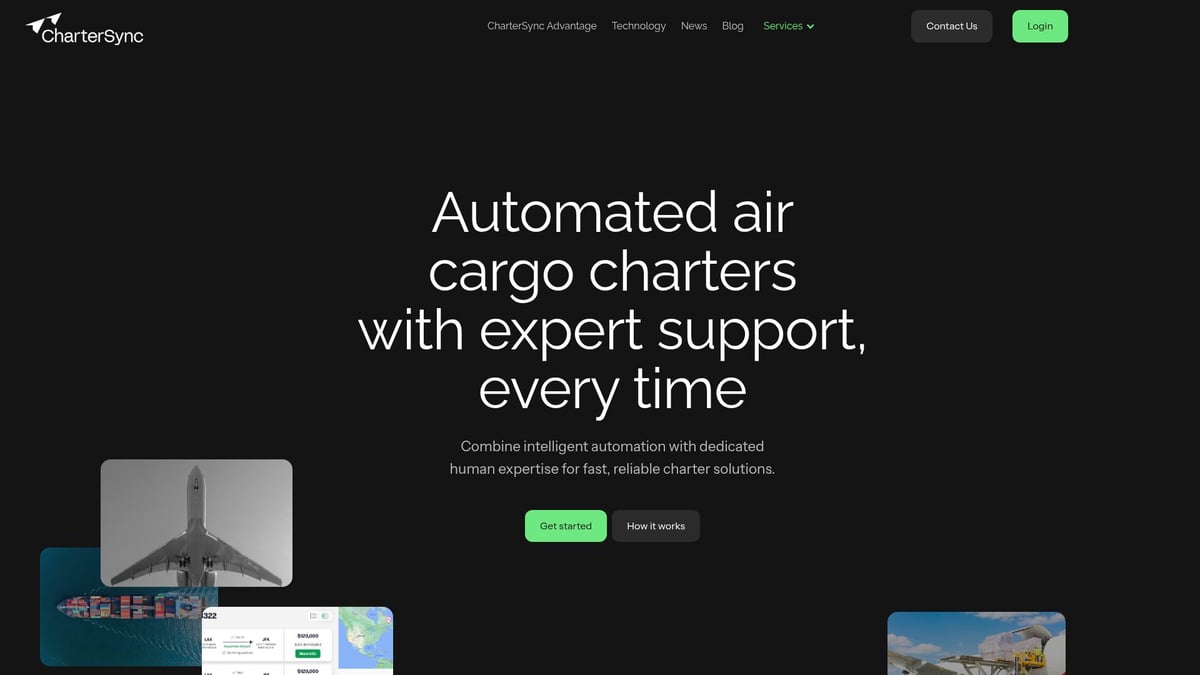
Features like smart aircraft matching, real-time tracking, and expert support streamline the process. To understand the unique advantages of air cargo charters, explore Why choose air cargo charter for a comprehensive overview.
CharterSync stands out for those seeking efficiency, reliability, and tailored service in the world of charter planes.
As you explore the essentials of charter planes for 2026, it's clear that staying ahead means having the right tools and expertise at your fingertips. Whether you're managing complex air cargo needs or seeking efficient, reliable solutions for your business, leveraging innovative platforms can make all the difference. If you're ready to see how intelligent automation and dedicated support can transform your air cargo operations, you can request a demo and discover first-hand how CharterSync streamlines every step—from smart aircraft matching to seamless booking and expert guidance. Take the next step towards a smarter, more responsive charter experience.

.png)