.png)
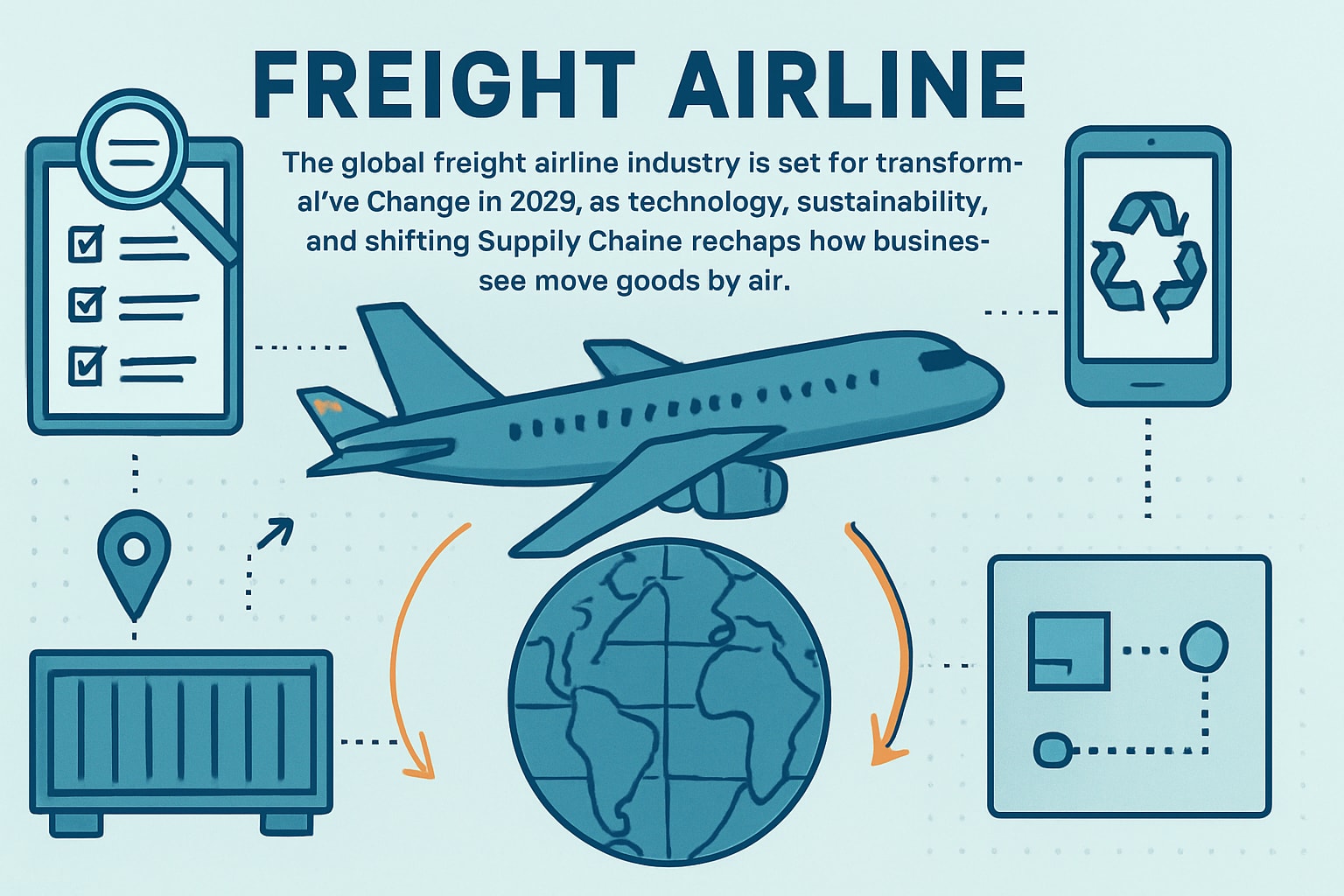
The freight airline industry is experiencing unprecedented growth, with global air cargo demand expected to surge by 4% in 2026. Businesses face new opportunities and challenges as technology, sustainability goals, and shifting supply chains reshape how goods move by air.
This guide will help logistics professionals, shippers, and supply chain managers navigate the future of freight airline operations.
Explore key trends, step-by-step booking advice, technology updates, regulatory changes, and proven strategies to optimise your air cargo success in 2026.
The freight airline sector in 2026 stands at a pivotal crossroads. Rapid technological advancements, evolving supply chain demands, and global economic shifts are reshaping how air cargo is moved. For logistics professionals, understanding these changes is crucial to staying competitive and resilient.

Global air cargo volumes are projected to reach record highs in 2026, with IATA forecasting robust growth rates as supply chains recover and adapt. The freight airline market is expected to expand by over 4 percent annually, outpacing many other transport sectors. This surge is driven by increased cross-border trade, inventory restocking, and the ongoing globalisation of e-commerce. For a detailed breakdown of these projections, refer to IATA's 2026 Air Cargo Forecast.
E-commerce remains a dominant force, fuelling demand for faster and more reliable freight airline services. Online retailers and manufacturers are embracing just-in-time production, which requires agile air cargo networks to meet tight delivery windows. This trend is driving innovation and investment in digital booking platforms, route optimisation, and real-time tracking for shippers.
Emerging markets are playing an increasingly vital role in the freight airline landscape. Airlines are expanding their cargo networks into Asia, Africa, and South America, capitalising on rising consumer demand and new manufacturing hubs. These regions offer significant growth potential for both scheduled and chartered air cargo operations.
A key strategic shift is the move towards dedicated freighter aircraft as opposed to relying solely on the belly cargo space of passenger planes. Airlines are investing in modern, fuel-efficient freighters to provide greater flexibility, capacity, and control over schedules. The table below highlights core differences:
| Feature | Dedicated Freighter | Belly Cargo (Passenger) |
|---|---|---|
| Capacity | High | Limited |
| Schedule Flexibility | High | Tied to passenger ops |
| Suitable for Special Cargo | Yes | Limited |
| Network Reach | Customisable | Fixed routes |
The demand for temperature-controlled and time-critical shipments is surging, particularly in sectors such as pharmaceuticals, perishables, and high-tech electronics. Freight airline operators are deploying advanced containers, IoT sensors, and specialised handling processes to ensure product integrity and compliance with strict regulations.
In response to ongoing global supply chain disruptions, major carriers are expanding their freight airline fleets and launching new cargo routes. For example, several European and Asian airlines have converted passenger aircraft to freighters and added direct services to underserved markets, helping shippers bypass congested ports.
Environmental sustainability is now central to the freight airline industry. Carriers are setting ambitious targets for carbon neutrality, investing in sustainable aviation fuels, and adopting greener ground handling practices. Regulatory pressure and customer expectations are accelerating the shift towards lower emissions and transparent reporting.
Labour shortages present a persistent challenge for freight airline operations. To address this, companies are increasing automation in cargo handling, documentation, and warehouse management. Robotics, AI-powered sorting, and digital training tools are helping to bridge workforce gaps and boost operational efficiency.
In summary, the freight airline industry in 2026 is defined by dynamic growth, digital transformation, and a renewed focus on resilience and sustainability. Staying informed on these trends is essential for all stakeholders navigating the future of air cargo.
Booking a freight airline service in 2026 is more streamlined and digital than ever. Whether you are new to air cargo or an experienced logistics professional, understanding each step ensures your shipments arrive efficiently and securely. This guide walks you through the process, helping you make the most of modern technology and best practices in the freight airline industry.

Start by evaluating your shipment’s size, weight, and any special requirements. Is your cargo hazardous, oversized, or temperature sensitive? Identifying these factors early determines the best freight airline solution.
Next, gather all required documents. Typically, this includes:
In 2026, most freight airline operators prefer or require digital documentation. E-freight systems speed up processing and reduce errors. Always verify your documents are complete and compliant with international regulations to avoid delays.
Selecting the ideal freight airline or charter service depends on your shipment’s urgency, route, and budget. Scheduled cargo airlines offer regular flights on established routes, which is cost-effective for standard shipments. Air cargo charters provide flexibility and speed for time-critical or unusual cargo.
Compare options based on:
Use express freight when delivery times are tight, full charter for large or sensitive shipments, and part charter for smaller loads needing priority. Evaluate each freight airline’s track record and customer support before making your choice.
Request quotes from several freight airline providers to ensure competitive rates. In 2026, dynamic pricing is standard, factoring in fuel surcharges, real-time demand, and capacity constraints.
Look for platforms offering:
AI-powered systems help you identify the best value and avoid hidden fees. Review all charges carefully, including security, handling, and customs clearance, before selecting your freight airline partner.
Once you have selected your freight airline, proceed with booking via online platforms. Instant booking confirmation and digital payment options are now the norm, making the process fast and secure.
Modern platforms offer:
For a detailed walkthrough of this process, see this Booking freight step-by-step resource. Keeping all information centralised ensures you stay updated and in control of your shipment at every stage.
After booking, coordinate the pickup and ensure your cargo is ready for transit. Confirm airport handling arrangements, security screening procedures, and customs clearance requirements with your freight airline provider.
Best practices include:
Choose the delivery option that suits your needs, whether airport-to-airport, door-to-door, or integrated last-mile solutions. Stay proactive and communicate with your freight airline to ensure smooth transit and timely delivery.
The freight airline sector is experiencing a rapid technology revolution that is reshaping every stage of air cargo movement. From booking to delivery, digital innovation is changing the way freight airline operators, shippers, and logistics providers interact. These shifts are not just improving efficiency, but also creating new opportunities for resilience and sustainability.

Digital platforms are now central to freight airline operations. AI-powered booking engines match shipments with optimal aircraft, considering size, weight, and urgency in real time. This not only reduces manual work but ensures shipments are allocated efficiently.
Automation extends to document handling. Platforms extract and process documents, minimising errors and cutting down processing times. For instance, Lufthansa Cargo's AI-Powered Booking System demonstrates how AI can process booking requests faster, setting new performance standards in the freight airline industry.
Key benefits include:
These advances are transforming the customer experience and driving new levels of reliability across the sector.
Visibility is critical for every freight airline. IoT sensors embedded in containers now provide live data on temperature, location, and security status for sensitive and high-value shipments.
Blockchain technology is also gaining traction. By creating tamper-proof records, it builds trust and transparency throughout the freight airline supply chain. Pharmaceutical shipments, in particular, benefit from these tools, as real-time compliance monitoring is essential.
Key improvements:
This level of insight empowers shippers to act quickly and maintain control over their cargo.
Freight airline fleets in 2026 are rapidly evolving. Next-generation freighter aircraft offer improved fuel efficiency and, in some cases, hybrid or electric propulsion. These advances directly reduce operational costs and environmental impact.
Sustainable aviation fuels (SAF) are being adopted by many freight airline operators. SAF, combined with carbon offsetting programmes, is helping airlines meet stricter regulatory requirements and customer sustainability goals.
Key developments include:
These steps are positioning freight airline companies as leaders in responsible logistics.
Predictive analytics is transforming freight airline capacity planning. AI models forecast demand, helping airlines allocate resources, plan schedules, and avoid empty return legs.
Dynamic route optimisation tools analyse weather, airspace congestion, and cargo priorities in real time. This minimises delays, reduces emissions, and maximises aircraft utilisation.
For example, airlines using predictive analytics have reported significant reductions in both costs and empty mileage, while maintaining on-time performance. These strategies are now essential for freight airline operators aiming to remain competitive.
Staying compliant in the fast-evolving freight airline industry is no longer optional, it is essential for global trade. As regulations grow more complex, logistics professionals must adapt quickly to ensure smooth, secure, and environmentally responsible operations.

The regulatory landscape for freight airline operators is constantly shifting. In 2026, updates from IATA and ICAO have introduced tighter protocols on safety, security, and documentation. New standards specifically address the transport of dangerous goods, including lithium batteries, and enforce stricter packaging and labelling requirements.
For freight airline stakeholders, digital documentation is now the norm. The Air Waybill, commercial invoices, and certificates are increasingly processed electronically, reducing errors and delays. Compliance with customs and security measures is critical, especially as authorities integrate AI-driven screening and risk assessment tools.
For more detail on how these changes influence freight air cargo operations, see Freight air cargo operations.
Failure to meet these standards can result in shipment delays or penalties, making regulatory awareness a core competence for every freight airline.
Environmental compliance is a top priority for every freight airline in 2026. Governments in the EU, US, and Asia now require robust emissions reporting, with airlines needing to demonstrate reductions or offset their carbon footprint.
Sustainable aviation fuel adoption is accelerating, and new packaging rules promote recyclability and waste minimisation. To remain competitive, freight airline operators must track their carbon output and publish transparent reports for customers and regulators.
Technology is playing a central role in this transition. For a comprehensive look at how innovation is reshaping compliance, explore IATA's Vision for Future Air Cargo Facilities.
Environmental regulations are not just a box-ticking exercise, they are now a key driver of reputation and customer loyalty in the freight airline sector.
As freight airline operations rely more on digital platforms, data security has become a major concern. The risk of cyberattacks targeting shipment data, booking systems, and customer information has grown significantly.
Compliance in 2026 means more than physical safety. It extends to robust cybersecurity measures, including:
A single breach can compromise not only a freight airline’s operations but also its reputation and trust with partners. Proactive cyber risk management is now a regulatory expectation, not just a best practice.
Leading freight airline companies are responding to these changes by updating their internal processes and training. Teams are regularly briefed on new IATA and ICAO rules, while digital compliance tools help track documentation, security, and environmental targets.
For instance, when new lithium battery transport rules came into effect, several major airlines immediately retrained staff, upgraded packaging protocols, and invested in real-time tracking for hazardous shipments. These proactive steps ensured uninterrupted service and maintained regulatory compliance.
In 2026, success in the freight airline space belongs to those who see regulation as an opportunity for innovation, not just an obligation.
In 2026, the freight airline industry faces new complexities and opportunities. To remain competitive, logistics professionals must adopt forward-thinking strategies. Optimising air freight requires a blend of resilience, efficiency, customer focus, sustainability, and continuous development.
Resilience is key for any freight airline strategy. The global landscape is unpredictable, with disruptions from geopolitical shifts, natural disasters, and fluctuating demand.
To prepare, logistics managers should:
For example, some shippers have successfully rerouted cargo through alternative airports during major port closures. By working with multiple freight airline partners, businesses can quickly adapt and keep goods moving, even when faced with unexpected events.
Reducing costs while maintaining reliability is crucial for freight airline users. Consolidating shipments and using part charters can unlock savings, especially when market rates fluctuate.
Modern predictive analytics tools help forecast demand and optimise inventory. Long-term contracts with flexible capacity allow companies to manage costs while adapting to changing needs. Technology now plays a central role, with platforms like those highlighted in air cargo charter technology streamlining bookings and matching the right aircraft efficiently.
A comparison table makes it easy to see cost-saving strategies:
| Strategy | Benefit |
|---|---|
| Consolidated Shipments | Lower per-unit costs |
| Predictive Analytics | Accurate demand forecasting |
| Flexible Contracts | Adapt to market changes |
Shippers expect transparency and tailored service from their freight airline providers. Real-time tracking is now standard, offering proactive notifications and quick responses to exceptions.
Enhanced communication, such as regular updates and digital customer portals, builds trust. Personalised solutions for industries like pharmaceuticals or perishables add further value. Specialist offerings, including temperature-controlled freight solutions, ensure that critical shipments arrive safely and on time, meeting strict industry regulations.
By focusing on these areas, freight airline operators can differentiate themselves in a competitive market.
Sustainability is no longer optional for any freight airline. Green logistics strategies, such as carbon-neutral shipping and sustainable packaging, are increasingly demanded by customers and regulators alike.
Companies that proactively reduce emissions and adopt eco-friendly practices position themselves as industry leaders. Marketing these efforts can attract eco-conscious clients and open new business opportunities. Collaboration with partners and investment in sustainable technology further solidifies a freight airline’s reputation and market share.
As technology and regulations evolve, freight airline teams must stay ahead. Continuous training on compliance, digital platforms, and industry innovations is vital.
Fostering a culture of adaptability and innovation helps businesses respond to new challenges. Cross-functional teams, regular workshops, and knowledge sharing ensure everyone is equipped to handle state-of-the-art tools and processes.
Ultimately, the most successful freight airline operations in 2026 will be those that combine skilled people, advanced technology, and a proactive approach to market changes.
As we look ahead to the future of freight airlines in 2026, it is clear that innovation, efficiency, and adaptability will define success in air cargo. You have seen how technology, automation, and expert support are transforming the way we move goods across the globe. If you are ready to streamline your air cargo operations, boost reliability, and gain a real competitive edge, now is the perfect time to see how CharterSync’s platform can help. Let us show you how easy it is to optimise your bookings and stay ahead of industry changes—simply request a demo.

.png)