.png)
Innovation in cargo transport aircraft is reshaping the way goods move across the globe. As supply chains grow more complex, these aircraft are becoming vital for meeting rising expectations in speed, reliability, and efficiency.
This article explores how cargo transport aircraft are set to transform by 2026. We will uncover the nine most essential innovations, from advanced propulsion and AI-driven automation to sustainability, digitalisation, and flexible aircraft designs.
Curious about the future of global logistics? Discover how the latest breakthroughs in cargo transport aircraft will drive greater efficiency and a greener tomorrow.
The world of cargo transport aircraft is undergoing a dramatic transformation. Global economic shifts, technological breakthroughs, and mounting environmental pressures are reshaping how goods move by air. To remain competitive, operators must adapt quickly and embrace innovation at every level of the air cargo ecosystem.

The surge in global e-commerce and the widespread adoption of just-in-time manufacturing have fuelled an unprecedented need for efficient cargo transport aircraft. According to IATA's 2026 air cargo forecast, global air cargo demand is projected to reach record highs by 2026.
A prime example of the critical role played by modern cargo transport aircraft was seen during the COVID-19 pandemic, where rapid vaccine distribution relied on air freight for speed and reliability. As supply chains tighten and customer expectations rise, speed, reliability, and efficiency are more important than ever.
Operators must ensure their cargo transport aircraft fleets can meet these market demands, driving the need for constant innovation.
Increasingly stringent emissions regulations from the International Civil Aviation Organization (ICAO) and the European Union are pushing the cargo transport aircraft sector to adapt. Airlines and logistics providers now face mounting pressure to decarbonise their operations.
Initiatives like CORSIA and the EU Emissions Trading System (EU ETS) are not only influencing operational practices but are also shaping the design and selection of cargo transport aircraft. These requirements are accelerating the adoption of greener propulsion technologies and more efficient flight operations.
Adapting to this evolving regulatory landscape is essential for long-term competitiveness and environmental stewardship within the industry.
Rapid advances in materials science, artificial intelligence, and connectivity are transforming the capabilities of cargo transport aircraft. Original equipment manufacturers (OEMs) and start-ups alike are investing heavily in research and development to create smarter, more efficient aircraft.
Companies such as Airbus and Boeing have published ambitious innovation roadmaps, highlighting the integration of lightweight composites, enhanced avionics, and digital technologies into their next-generation cargo transport aircraft. These developments promise to deliver significant gains in payload, range, and operational efficiency.
The pace of technological change is opening new opportunities for operators to differentiate and future-proof their fleets.
Digitalisation is sweeping across the cargo transport aircraft sector, fundamentally altering how operations are managed. Technologies such as digital twins, predictive maintenance, and AI-driven logistics are now at the forefront of modern air cargo management.
By leveraging these tools, operators can cut costs and maximise operational uptime. For example, DHL has pioneered digital cargo operations, using real-time data to optimise scheduling and minimise disruptions.
Adopting digitalisation and automation is rapidly becoming a necessity for those aiming to maintain a competitive edge in cargo transport aircraft operations.
Market dynamics are shifting towards increased freighter conversions and the development of purpose-built cargo transport aircraft. There is also a notable rise in autonomous and remotely piloted cargo planes, reflecting a broader trend towards automation.
Industry forecasts suggest the global cargo transport aircraft market will surpass $18 billion by 2026. This growth is driven by escalating demand, advancements in technology, and evolving business models.
Operators who embrace these trends will be well positioned to thrive in the rapidly changing world of air cargo.
The cargo transport aircraft sector is on the cusp of monumental change. Driven by the relentless demands of global commerce, sustainability mandates, and digital transformation, new technologies are being rapidly adopted. Let us explore the nine essential innovations that will redefine cargo transport aircraft by 2026.

The future of cargo transport aircraft is being shaped by cutting-edge propulsion systems. Hybrid-electric and hydrogen-powered engines are at the forefront, offering the promise of significantly lower emissions and improved operational efficiency. These technologies are not only quieter but also cut fuel burn, making them highly attractive for operators seeking to future-proof their fleets.
For example, the Airbus ZEROe demonstrator and Universal Hydrogen’s Dash 8 project are pushing the boundaries of what is possible. Hybrid-electric aircraft, such as the Electra's hybrid-electric eSTOL aircraft, are also gaining traction, particularly for short and regional routes.
Industry data suggests these propulsion systems could reduce CO2 emissions by up to 50 percent compared to traditional engines. The benefits for cargo transport aircraft are clear: lower costs, compliance with tightening regulations, and an enhanced environmental profile.
However, the path to adoption is not without challenges. Infrastructure for hydrogen refuelling and electric charging is still developing, and certification processes remain complex. Yet, as investment accelerates, these hurdles are expected to diminish, making advanced propulsion a cornerstone of cargo transport aircraft innovation.
Artificial intelligence is revolutionising the way cargo transport aircraft are loaded and managed. Modern AI algorithms can analyse cargo type, weight, and dimensions in real time, optimising load plans for safety, efficiency, and maximum payload.
Lufthansa Cargo’s AI-based load planning system has already demonstrated remarkable results. By dynamically adjusting load distribution, cargo transport aircraft can minimise empty space, reduce the number of flights needed, and cut operational costs.
The benefits of AI-driven optimisation include:
While the advantages are compelling, there are challenges. Integrating AI systems requires upfront investment and changes to workflow. However, the long-term gains for cargo transport aircraft operations far outweigh these initial barriers.
For airlines, freight forwarders, and logistics platforms, adopting AI-driven optimisation is rapidly becoming a competitive necessity. As AI continues to evolve, its role in cargo transport aircraft management will only deepen, delivering higher efficiency and reliability across the supply chain.
Autonomous and remotely piloted cargo transport aircraft are set to redefine logistics by 2026. These platforms, ranging from large unmanned aerial systems (UAS) to smaller drones, offer significant operational advantages. Key players such as Natilus, Dronamics, and Reliable Robotics are actively developing and testing next-generation solutions.
Features of autonomous cargo transport aircraft include:
Regulatory agencies like the FAA and EASA are piloting new frameworks to support these technologies. While regulatory hurdles and public acceptance remain, progress is steady. Notably, the Grid Aero's Lifter-Lite cargo drone exemplifies how innovation is advancing rapidly in this space.
Use cases for autonomous cargo transport aircraft include humanitarian relief, e-commerce fulfilment, and defence logistics. The ability to deliver goods efficiently, especially in crisis situations, marks a major step forward for the sector.
Proactive maintenance is becoming the new norm for cargo transport aircraft, thanks to IoT sensors and real-time analytics. Smart health monitoring systems continuously track the status of key components, enabling predictive maintenance that reduces downtime and unscheduled repairs.
Boeing’s AnalytX and Airbus Skywise platforms are prime examples of how digital analytics can transform maintenance. Predictive maintenance has the potential to cut costs by up to 20 percent, a substantial saving for operators managing large or ageing fleets of cargo transport aircraft.
Key benefits include:
However, integrating these systems introduces complexity and requires robust data security protocols. The investment is justified by the significant reduction in costly disruptions and the ability to plan maintenance schedules more effectively.
Cargo transport aircraft operators who embrace these technologies are well-positioned to maximise fleet performance and maintain a competitive edge.
Flexibility is becoming a defining feature of modern cargo transport aircraft. Modular cargo hold designs allow for rapid conversion between cargo-only, passenger, and mixed-use configurations. Lufthansa Technik’s “Cargo-in-Cabin” kits exemplify this trend, offering palletised modules for quick reconfiguration.
Benefits of modular designs for cargo transport aircraft include:
Innovations such as the Radia WindRunner cargo aircraft demonstrate the growing need for adaptable interiors, especially for transporting large components like wind turbine blades.
While certification and upfront investment remain challenges, the operational advantages are clear. Airlines, integrators, and charter operators can swiftly adapt their cargo transport aircraft to market needs, unlocking new revenue streams and operational agility.
The use of advanced materials is transforming the design and performance of cargo transport aircraft. Carbon fibre, advanced alloys, and 3D-printed structures are now integral to new builds and freighter conversions. These materials deliver significant weight savings, allowing cargo transport aircraft to carry larger payloads or fly further on the same fuel.
For example, the Boeing 777F features composite cargo doors, reducing airframe weight by up to 20 percent. This weight reduction translates directly into improved fuel efficiency and lower emissions for cargo transport aircraft.
Advantages of lightweight composites include:
However, repairing composite components can be complex and may require specialised skills. Despite this, the long-term benefits for cargo transport aircraft operators are substantial, especially as sustainability and cost pressures intensify across the aviation industry.
End-to-end visibility is now a standard expectation in cargo transport aircraft operations. Enhanced digital tracking uses IoT, RFID, and blockchain to provide real-time updates and tamper-proof records. Platforms like Maersk and IBM’s TradeLens are leading the way, automating documentation and improving compliance.
Key features for cargo transport aircraft include:
Blockchain integration ensures data integrity, making it easier to resolve disputes and verify shipments. While integration challenges exist, the transparency offered by these systems is invaluable.
Shippers, forwarders, and regulators are increasingly demanding these capabilities from cargo transport aircraft operators. As technology matures, adoption will accelerate, making digital tracking and blockchain essential components of modern air freight.
Aerodynamic innovation is delivering measurable gains for cargo transport aircraft. Technologies such as winglets, laminar flow surfaces, and morphing wing components are being tested and deployed to minimise drag and boost fuel efficiency.
Boeing’s ecoDemonstrator and Airbus “Sharklets” are notable examples of aerodynamic advancement. Winglets alone can improve fuel efficiency by up to 5 percent, extending range and reducing emissions for cargo transport aircraft.
Benefits of aerodynamic enhancements include:
Certification of new aerodynamic features can be time-consuming, but the retrofit potential makes these upgrades attractive to operators looking to modernise their cargo transport aircraft fleets without significant capital expenditure.
Digital twin technology is poised to transform cargo transport aircraft operations by 2026. By creating virtual replicas of aircraft and processes, operators can simulate scenarios, forecast maintenance needs, and optimise scheduling with unprecedented accuracy.
GE Digital’s aviation digital twin solutions provide real-time data for informed decision-making. These tools help cargo transport aircraft operators reduce risk, prevent costly disruptions, and drive efficiency across their operations.
Key benefits include:
While initial investment can be significant, the long-term gains for cargo transport aircraft are compelling. Airlines, MROs, and logistics providers adopting digital twin technology will gain a strategic edge in an increasingly competitive market.
Automation platforms are rapidly transforming the way cargo transport aircraft are managed and utilised for charter operations. As the demand for faster, more reliable air cargo solutions increases, traditional manual processes are struggling to keep pace. Automation is now at the heart of the industry’s evolution, promising greater efficiency, transparency, and responsiveness for operators and clients alike.
Coordinating cargo transport aircraft for charter involves a complex puzzle. Operators must balance cargo type, aircraft availability, routing, and timing, often in real time. Manual quoting, fragmented communications, and limited visibility create bottlenecks that slow down decision-making and reduce operational efficiency.
As global supply chains become more dynamic, the pressure to deliver rapid, reliable solutions mounts. Automation platforms are stepping in to bridge the gap, streamlining processes for cargo transport aircraft charters and reducing the risk of human error. The industry is witnessing a shift towards digital booking platforms that simplify these intricate operations.
CharterSync stands at the forefront of the automation revolution in cargo transport aircraft charter. Its AI-powered platform transforms how operators, freight forwarders, and supply chain managers book and manage air cargo charters.
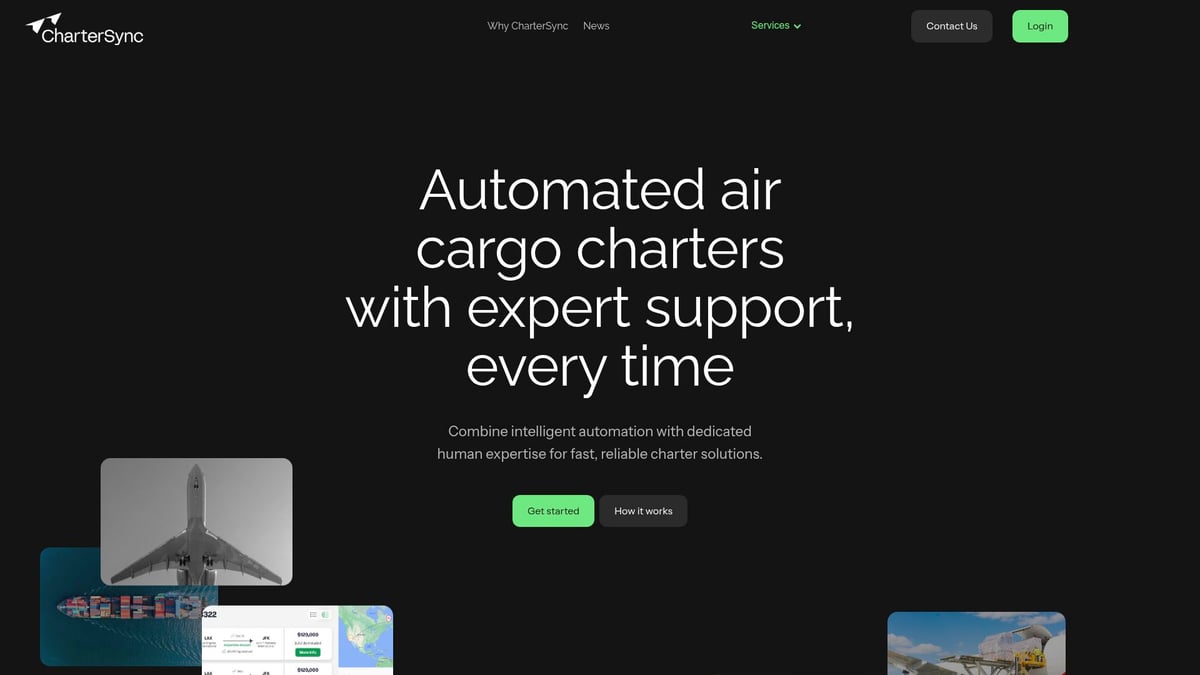
Key features of CharterSync include:
The benefits are significant. Users enjoy faster response times, transparent pricing, and optimised utilisation of cargo transport aircraft. For industries with time-critical needs, such as automotive and pharmaceuticals, CharterSync delivers a reliable solution that adapts to last-minute changes and urgent requests.
CharterSync’s intelligent automation reduces the workload on operations teams and minimises errors, while providing a global reach and comprehensive visibility. For a broader look at how technology is shaping this sector, see Air cargo charter technology trends, which details the ongoing transformation in air cargo operations.
Looking ahead, the integration of automation platforms with next-generation cargo transport aircraft technologies is set to deepen. Platforms like CharterSync are poised to connect seamlessly with digital twin systems, predictive maintenance tools, and blockchain-based cargo tracking.
This convergence will enable end-to-end digital management of cargo transport aircraft, offering real-time scenario modelling, proactive maintenance, and secure documentation. As these innovations mature, the future of air cargo charter will be defined by agility, data-driven decision-making, and unprecedented operational visibility.
Successfully integrating innovation into the cargo transport aircraft sector requires overcoming a range of practical challenges. Each advancement, from propulsion systems to digital platforms, brings unique hurdles for operators, regulators, and technology providers. Below, we explore the key barriers and what it takes to achieve industry-wide adoption.

Introducing new technologies to cargo transport aircraft means navigating complex regulatory frameworks. Agencies such as EASA, FAA, and ICAO set strict standards for safety, emissions, and airworthiness. Certification can take years, often requiring extensive documentation and rigorous testing.
Key certification challenges include:
For a deeper dive into how these standards influence the industry, see Advancements in transportation aircraft, which explores the impact of regulatory shifts on aircraft design and adoption.
Widespread adoption of advanced cargo transport aircraft depends heavily on infrastructure readiness. Airports may need significant upgrades, such as charging stations for electric aircraft or facilities to handle hydrogen fuel. These changes require major capital investment.
Operators face high upfront costs when transitioning fleets or retrofitting equipment. Evaluating return on investment is crucial, especially as new technologies may not deliver immediate savings. Collaboration with airports and governments is often necessary to share the financial burden and accelerate deployment.
A phased approach to infrastructure upgrades can help mitigate risk and maximise benefits as the sector evolves.
The rise of digitalisation and automation in cargo transport aircraft means a changing skills landscape. Maintenance crews, pilots, and IT staff need training in AI-driven systems, predictive analytics, and digital platforms.
Key workforce challenges:
Proactive investment in people ensures that operational teams are ready to support and maintain next-generation aircraft efficiently and safely.
No single company or organisation can drive transformation in cargo transport aircraft alone. Industry progress depends on strong partnerships between OEMs, technology firms, airlines, and regulators.
Examples of effective collaboration include:
This collaborative ecosystem accelerates innovation by sharing knowledge, resources, and risk, making it easier to bring advanced solutions to market.
Market adoption of new cargo transport aircraft technologies hinges on several factors. Operators consider the cost, reliability, and compliance of new solutions before making investments. Early adopters, such as private cargo airlines, often lead the way, demonstrating value and building confidence in new approaches.
For more on adoption trends, see The role of private cargo airlines, which highlights how these operators are pioneering innovations in the field.
Case studies from early adopters show that measurable benefits, such as fuel savings and improved reliability, can drive wider uptake. Understanding customer needs and addressing operational pain points is crucial for successful market penetration.
As we look ahead to 2026, it’s clear that the future of air cargo will be shaped by powerful innovations—advanced propulsion systems, AI-driven optimisation, and seamless automation are just the beginning. If you’re eager to see how these trends can directly impact your own charter operations, I encourage you to see CharterSync in action. With its intelligent automation and real-time booking capabilities, you can experience first-hand how leading-edge technology streamlines air cargo movements for freight forwarders and logistics professionals. Ready to explore the possibilities for your business? Simply request a demo and discover what’s next in efficient, reliable air cargo charter.

.png)