.png)
In 2026, the tempo of global trade is faster than ever. Businesses face mounting pressure to move goods swiftly and securely across continents.
Private cargo airlines are now at the heart of this transformation, providing tailored, rapid solutions for urgent, high-value, and time-sensitive shipments.
This article reveals seven essential private cargo airlines that are redefining express logistics. Discover their unique capabilities, pricing models, and why they are the top choices for businesses that cannot afford delays. Prepare to gain actionable insights for your fastest shipping needs.
The relentless pace of global commerce in 2026 has placed fast shipping at the heart of supply chain strategy. Businesses now demand speed and reliability that only agile air freight options can deliver. As a result, private cargo airlines have emerged as the preferred solution for urgent, high-value, and time-sensitive deliveries.
The air cargo sector has shifted from relying on traditional scheduled carriers to embracing flexible, on-demand private cargo airlines. This change is fuelled by the rapid expansion of e-commerce, pharmaceuticals, and high-tech industries, all of which require faster, more responsive shipping solutions.
Private cargo airlines can reroute and respond to changing business needs with unmatched speed. They satisfy the growing demand for same-day and next-day delivery across both B2B and B2C markets, making them essential in today’s competitive logistics landscape.
Private cargo airlines offer clear advantages over commercial carriers:
These strengths allow private cargo airlines to provide tailored services for specialised cargo and ensure peace of mind for shippers. The combination of flexibility and reliability sets them apart in fast shipping.
The private cargo airlines sector is projected to grow by 18 percent in 2026, reflecting a surge in demand for express logistics. Investment in specialised aircraft and digital platforms is on the rise, supporting rapid response and improved tracking.
According to IATA's 2026 Air Cargo Forecast, private cargo airlines are driving growth in time-sensitive shipments and e-commerce volumes worldwide. During recent supply chain disruptions, private charters have proven their value by delivering essential goods when scheduled services could not.
Private cargo airlines serve diverse industries, including automotive, manufacturing, pharmaceuticals, technology, and fashion. They are ideal for freight forwarders and supply chain managers managing high-value or urgent cargo.
A real-world example is a pharmaceutical company using private cargo airlines to maintain strict cold chain requirements for vaccine transport. Such tailored solutions are often the only way to guarantee product integrity and delivery speed.
Despite the clear benefits, private cargo airlines come with higher costs compared to scheduled services. Businesses must weigh the premium against the critical need for speed and reliability.
Regulatory compliance and international logistics can add complexity. Companies must consider how to balance cost, urgency, and sustainability when choosing private cargo airlines for their supply chain in 2026.
When rapid, reliable delivery is non-negotiable, businesses are turning to private cargo airlines for tailored solutions. In 2026, speed and flexibility are critical for supply chains worldwide. Below, discover seven essential private cargo airlines redefining fast shipping, each excelling in unique aspects of express logistics.
CharterSync leads the new generation of private cargo airlines by merging digital innovation with industry expertise. Their AI-powered platform instantly matches shipments with suitable aircraft, providing real-time quoting and transparent pricing. This approach streamlines urgent and complex cargo movements across Europe and beyond.

Clients benefit from rapid response times, tailored logistics, and full end-to-end visibility. CharterSync’s system supports next-flight-out services and onboard courier options, making them ideal for sectors where seconds matter. Their digital interface ensures control, while expert human support is always available for mission-critical shipments.
What sets CharterSync apart is its seamless blend of automation and personal touch. The platform’s global reach and ability to accommodate specialised needs—such as temperature-controlled pharmaceuticals or automotive parts—make them a go-to among private cargo airlines. For more on how technology is transforming this sector, see How Technology Is Transforming Freight Forwarding.
Pros and Cons Table:
| Pros | Cons |
|---|---|
| Speed and accuracy | No fixed rates |
| Transparency and control | Not suited for bulk or low-cost shipments |
| Industry expertise |
CharterSync’s solutions are best suited for freight forwarders and industries managing urgent, high-value, or temperature-sensitive cargo. Among private cargo airlines, their commitment to transparency and speed is unmatched.
Cargolux is Europe’s largest all-cargo carrier, renowned among private cargo airlines for its dedicated Boeing 747-8F fleet and global reach. Their pricing is market-based and particularly competitive for high-volume or regular shipments, making them a top choice for multinational corporations and demanding industries.
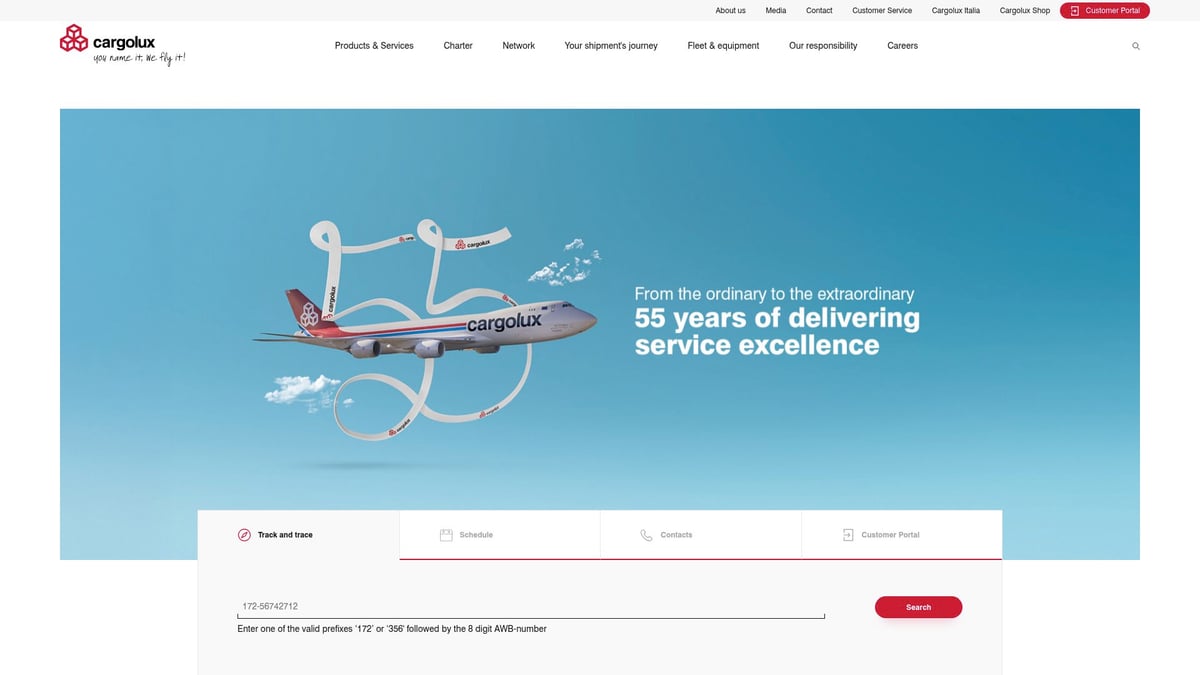
Key features include temperature-controlled solutions, live animal transport, and specialist handling for oversized or hazardous cargo. Cargolux’s robust compliance with international standards ensures peace of mind for clients shipping pharmaceuticals, heavy machinery, or perishables.
The airline’s unique selling point lies in its expertise with complex, sensitive, and oversized freight. Their extensive network enables reliable delivery to major hubs worldwide, although last-minute charters may incur premium rates due to high demand.
Pros and Cons Table:
| Pros | Cons |
|---|---|
| Extensive global network | Less flexible for last-minute charters |
| Specialist handling | Premium pricing for urgent shipments |
| High payload capacity |
Private cargo airlines like Cargolux are invaluable for automotive, aerospace, and pharma sectors, where reliability and specialist handling are paramount.
Amerijet International stands out among private cargo airlines for its strong presence in the Americas. They offer both scheduled and charter services, with flexible pricing structures—contract rates for frequent clients and spot rates for urgent shipments.
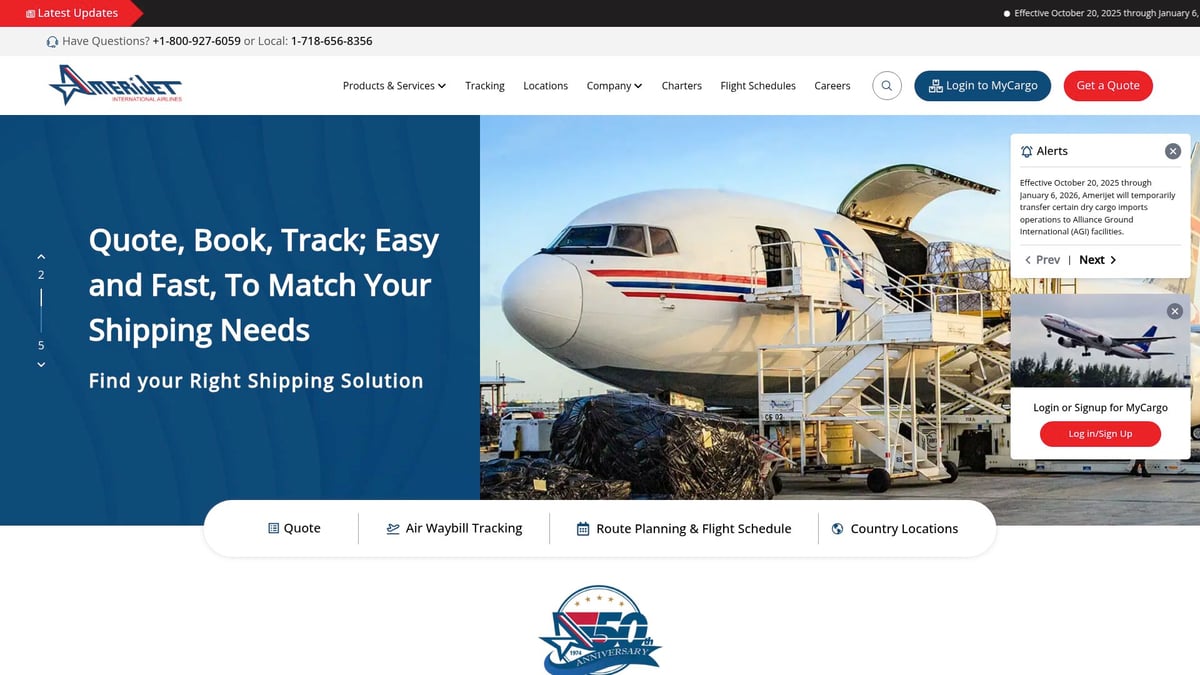
Amerijet’s widebody freighters connect key US, Caribbean, and Latin American markets, making them ideal for time-sensitive deliveries in these regions. Their expertise in handling temperature-controlled cargo and hazardous materials is especially valued by pharmaceutical and perishable goods shippers.
Clients benefit from 24/7 customer support and seamless multi-modal integration, ensuring that cargo arrives swiftly and safely. While Amerijet’s global coverage is more limited than some competitors, their regional expertise is unrivalled.
Pros and Cons Table:
| Pros | Cons |
|---|---|
| Regional expertise | Limited global coverage |
| Flexible capacity | Some routes less frequent |
| Regulatory compliance |
For businesses operating within the Americas, private cargo airlines like Amerijet bring tailored, compliant, and responsive solutions for urgent and regulated shipments.
DHL Aviation is a powerhouse among private cargo airlines, delivering ultra-fast transit through its global express network. Their tiered pricing reflects service speed, route, and cargo type, with premium rates for express deliveries and dedicated charters.
Key features include door-to-door solutions, advanced tracking, and seamless customs clearance. DHL’s integration with the Deutsche Post DHL Group ensures reliability and reach, serving industries from e-commerce to healthcare.
What sets DHL Aviation apart is its ability to deliver same-day or next-day shipments across continents, making it indispensable for businesses needing rapid cross-border logistics. Their strong IT infrastructure and integrated logistics streamline even the most urgent supply chain challenges.
Pros and Cons Table:
| Pros | Cons |
|---|---|
| Speed and reliability | Premium costs for fastest services |
| Integrated services | Not ideal for bulk shipments |
| Worldwide coverage |
Among private cargo airlines, DHL Aviation is often the first choice for enterprises that value speed, technology, and comprehensive service.
AirBridgeCargo Airlines is a leader in specialist logistics, particularly for temperature-sensitive and high-value shipments. Their dynamic pricing adapts to cargo type, urgency, and route, with volume discounts available for regular contracts.
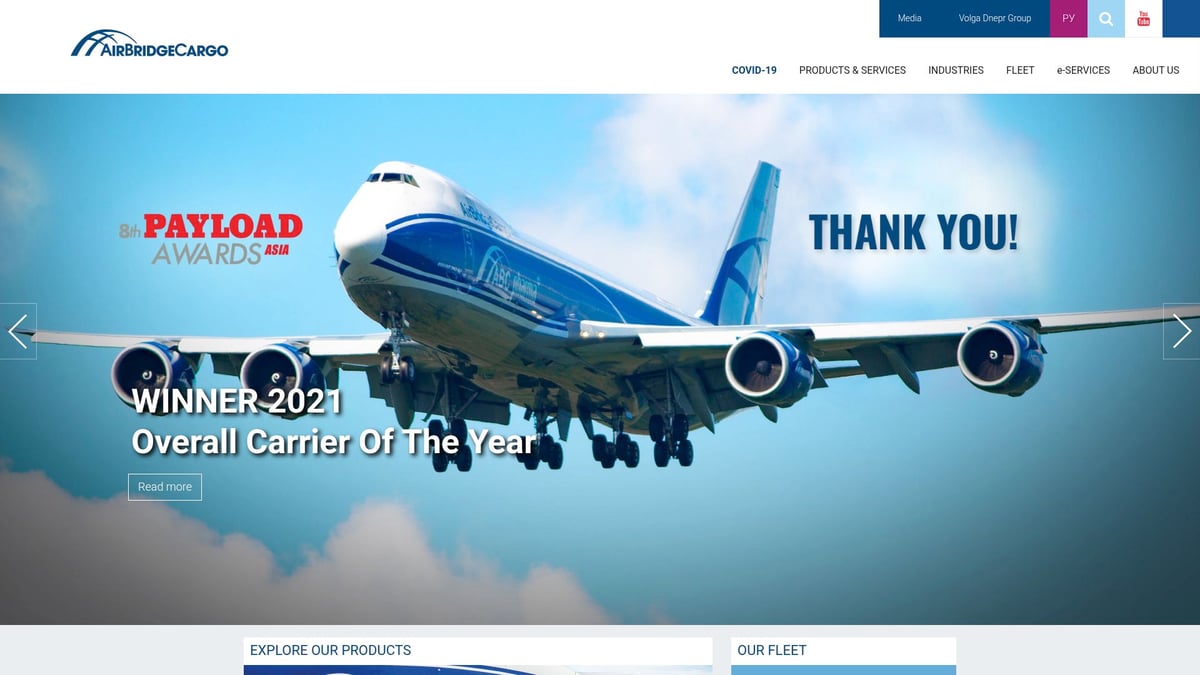
The airline operates a modern fleet of Boeing 747-8F aircraft, focusing on pharma corridors and oversized freight. Clients in pharmaceuticals, automotive, and aerospace sectors rely on AirBridgeCargo for strict regulatory compliance and dedicated customer service.
Their unique selling point is deep expertise in pharma logistics, ensuring temperature control and cold chain integrity. While their network is concentrated along primary trade corridors, their service quality and reliability are highly regarded among private cargo airlines.
Pros and Cons Table:
| Pros | Cons |
|---|---|
| Industry-specific expertise | Limited network outside main corridors |
| Modern fleet | Regulatory changes may impact operations |
| Reliable schedules |
For shippers requiring stringent handling and oversight, private cargo airlines like AirBridgeCargo are a trusted partner.
FedEx Express operates the world’s largest express air cargo fleet, a benchmark among private cargo airlines for mission-critical international deliveries. Their published rates suit scheduled services, while custom quotes are available for charters and urgent shipments.
FedEx offers extensive global coverage, priority and standard cargo options, and advanced tracking. Their robust IT systems and customs brokerage ensure consistent on-time performance and regulatory compliance.
The airline excels at overnight and next-day shipping for high-value items, documents, and electronics. While urgent or charter services command premium prices, FedEx’s reliability and reach are unmatched in the private cargo airlines sector.
Pros and Cons Table:
| Pros | Cons |
|---|---|
| Speed and reliability | Higher pricing for urgent/charter services |
| Worldwide reach | Limited flexibility for non-standard cargo |
| Trusted brand |
FedEx Express is the go-to for SMEs and large enterprises needing fast, dependable delivery through private cargo airlines.
Atlas Air Worldwide is renowned for versatility and scale among private cargo airlines. Their custom pricing covers ACMI (Aircraft, Crew, Maintenance, Insurance), full and part charters, and tailored cargo solutions, with cost efficiencies for regular clients.
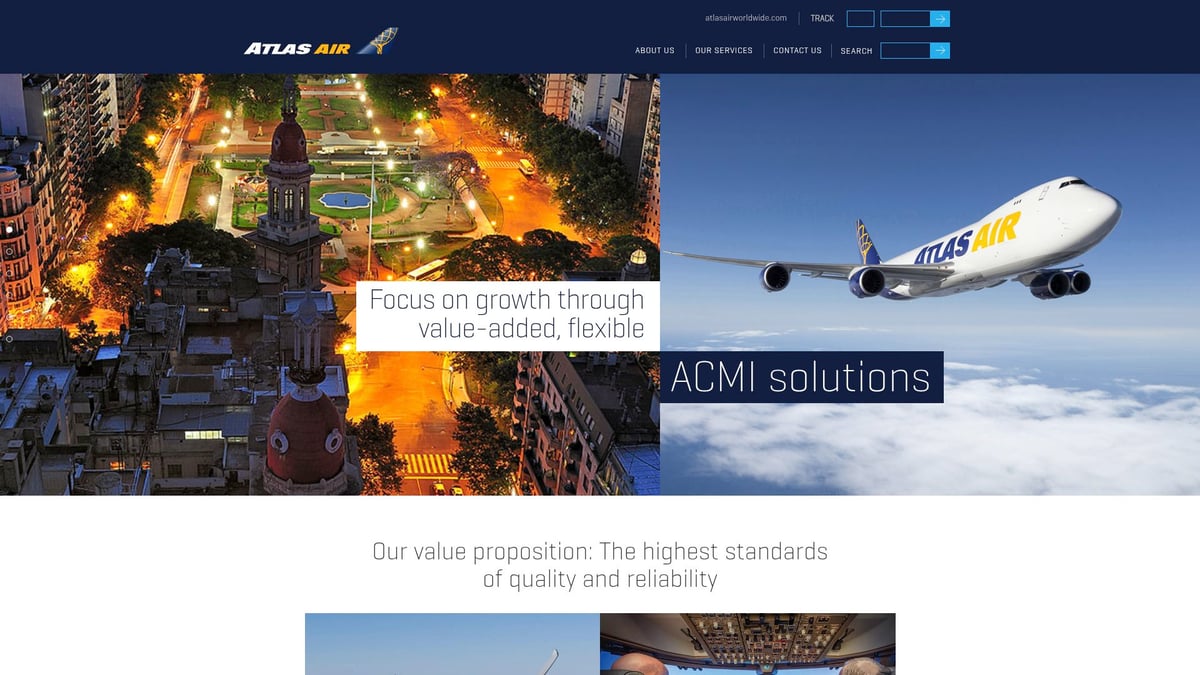
Atlas Air’s global fleet supports complex logistics, from project cargo to humanitarian relief. Their expertise in scaling solutions for large supply chain operations makes them a preferred partner for freight forwarders, logistics providers, and government agencies.
Unique selling points include one of the largest cargo fleets and deep experience managing challenging charters. While primarily B2B, with limited direct-to-consumer options, Atlas Air’s flexibility and capacity are unmatched among private cargo airlines.
Pros and Cons Table:
| Pros | Cons |
|---|---|
| Versatility | Primarily serves B2B |
| Large fleet | Limited direct-to-consumer services |
| Global reach |
Atlas Air Worldwide’s tailored approach ensures that even the most complex logistics needs are met efficiently, setting a high standard in the private cargo airlines market.
Selecting the right private cargo airlines is a strategic decision that can directly impact your supply chain’s speed and reliability. With market demands growing and shipping windows shrinking, understanding how to navigate this choice is crucial for any business seeking express logistics.
Begin by identifying the core requirements of your shipment. Consider urgency, cargo size, value, and any special handling needs. For example, pharmaceuticals may require strict temperature control, whereas automotive parts may involve oversized loads.
List out your must-haves:
Matching these needs to the right provider ensures you leverage the full strengths of private cargo airlines. For temperature-sensitive goods, review the Temperature-Controlled Freight Solutions available from leading operators.
Understanding how pricing works is essential when selecting private cargo airlines. Rates may be based on contract agreements, spot pricing, or volume discounts. Some airlines offer transparent breakdowns, while others may add surcharges for urgent or specialised services.
Evaluate:
Weigh the premium for speed against your budget and shipment criticality. For a deeper understanding, explore the Benefits of Air Cargo Charter to see when express services justify the investment.
Not all private cargo airlines offer the same reach or service specialisation. Assess the global versus regional coverage, paying attention to fleet diversity and available aircraft types.
Key considerations:
Choosing a provider with the right network and equipment maximises delivery efficiency.
In 2026, digital platforms and real-time tracking are standard among private cargo airlines. Evaluate each airline’s technology stack, focusing on shipment visibility and customer support responsiveness.
Look for:
These features ensure you remain informed and in control throughout the shipping process.
Regulatory compliance and security protocols are vital when shipping with private cargo airlines, especially for hazardous or high-value goods. Confirm that your chosen airline adheres to international standards and has a strong track record for on-time, safe deliveries.
Checklist:
Consider a pharmaceutical firm choosing between two private cargo airlines for vaccine transport. One excels in cold chain integrity, while the other offers better global coverage. By aligning shipment needs, budget, and compliance requirements, the firm secures safe, timely delivery.
Similarly, an automotive supplier may prioritise instant quoting and rapid response for urgent parts, selecting an airline with a robust digital platform.
Careful evaluation ensures private cargo airlines deliver the speed, security, and value your business demands.
As the logistics industry looks ahead, private cargo airlines are driving a wave of innovation in fast shipping. Their adaptability and investment in new technologies are reshaping how businesses meet urgent delivery demands. Understanding the future trends in this sector is essential for anyone relying on swift, reliable global logistics.
Digital transformation is at the heart of the evolution within private cargo airlines. Advanced AI-driven platforms are now automating booking, aircraft matching, and instant quoting. This shift enables faster, more accurate responses to urgent shipping requests.
Automation streamlines operations, minimises manual errors, and enhances transparency for shippers. Real-time tracking and digital documentation are becoming the norm, ensuring clients have full visibility at every stage. As a result, private cargo airlines are better equipped to deliver on the promise of rapid, tailored logistics.
Sustainability is fast becoming a priority for private cargo airlines. Operators are investing in fuel-efficient fleets and adopting Sustainable Aviation Fuel (SAF) to cut emissions. Many now offer carbon offset programmes, giving clients the option to ship goods with a reduced environmental footprint.
For example, some airlines have integrated green aircraft into their fleets, supporting both regulatory compliance and corporate responsibility. These efforts align with global goals for cleaner air transport, helping private cargo airlines stand out as forward-thinking partners.
The growth of private cargo airlines is not limited to traditional trade lanes. There is a significant push into emerging markets across Africa, Southeast Asia, and Latin America. By establishing new routes and regional hubs, these airlines connect businesses to previously underserved regions.
This expansion supports local economies and enables faster delivery of essential goods. For a deeper look at upcoming regional opportunities, see the analysis of Air Freight Trends 2026 in APAC, which highlights how private cargo airlines are bridging global supply chain gaps.
Data-driven decision-making is transforming how private cargo airlines manage operations. Predictive analytics tools forecast demand, optimise routing, and provide accurate Estimated Times of Arrival (ETAs). These capabilities allow airlines to proactively manage disruptions and exceed customer expectations.
Enhanced visibility through real-time tracking means shippers can monitor every aspect of their cargo journey. With data at their fingertips, businesses gain confidence in the reliability of private cargo airlines.
Navigating the complex regulatory landscape is a core strength of private cargo airlines. Ongoing changes in international standards require agility and up-to-date compliance systems. Innovations in cargo screening and customs processes are also improving security and reducing delays.
Private cargo airlines invest in specialist teams to ensure shipments meet all legal and safety requirements. This commitment to compliance provides peace of mind for industries dealing with sensitive or high-value freight.
Looking forward, market forecasts predict robust growth for private cargo airlines. According to the Air Cargo Market Analysis April 2025, demand for fast shipping and bespoke solutions will continue to rise.
Emerging technologies, a focus on sustainability, and expanding global networks will define the next era of express logistics. Businesses should stay alert to these trends to maintain a competitive edge in the evolving world of private cargo airlines.
After exploring how private cargo airlines are reshaping fast shipping in 2026, it is clear that staying ahead means having the right partners and technology on your side. If you want to see how intelligent automation and expert support can transform your air cargo charter experience, I invite you to see CharterSync in action. You will discover how smart aircraft matching, instant quoting, and seamless booking can make urgent shipments much simpler. If you are ready to streamline your operations and deliver on tight timelines, request a demo and see the future of air cargo for yourself.

.png)