.png)
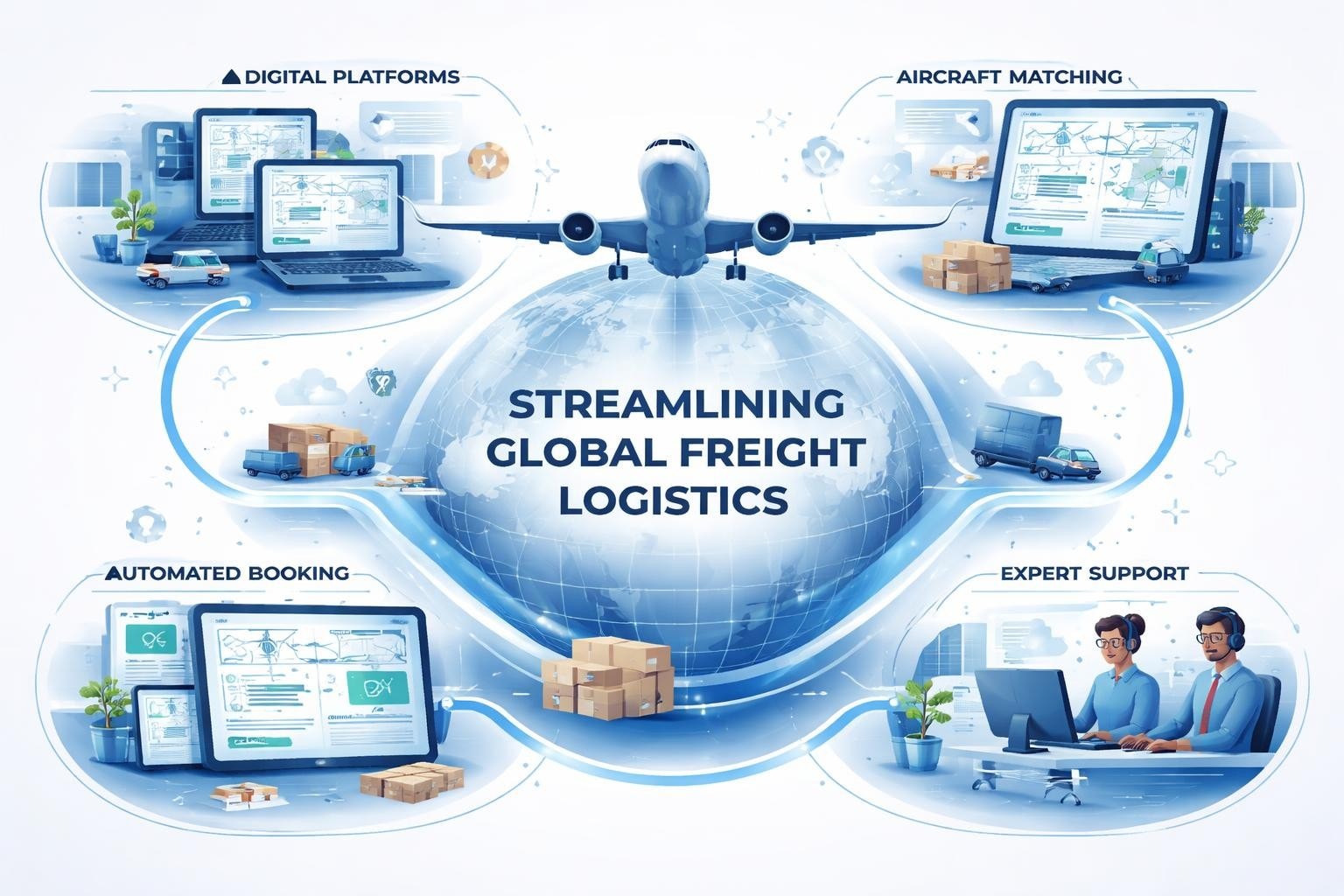
The global logistics landscape continues to evolve rapidly as cargo delivery companies embrace advanced technologies and innovative service models to meet increasing demands for speed, reliability, and transparency. From traditional freight forwarders to cutting-edge digital platforms, these organizations play a critical role in connecting manufacturers, suppliers, and consumers across continents. Understanding the capabilities, technologies, and service offerings of modern cargo delivery companies helps businesses make informed decisions about their shipping strategies and partner selection.
Cargo delivery companies have transformed significantly over the past decade, shifting from paper-based processes to sophisticated digital ecosystems. Traditional logistics providers operated primarily through phone calls, faxes, and manual documentation, creating inefficiencies and limiting visibility throughout the supply chain. Today's leading organizations leverage automation, artificial intelligence, and cloud-based platforms to deliver unprecedented speed and accuracy.
The integration of technology has fundamentally changed how cargo delivery companies operate. Digital platforms now enable instant quoting, real-time tracking, and automated customs documentation, reducing transit times and minimizing errors. Companies like Flexport have pioneered supply chain management solutions that combine technology with traditional freight forwarding expertise, demonstrating the industry's shift toward hybrid models.
Modern cargo delivery companies invest heavily in several core technologies that differentiate their services:
These technological foundations allow cargo delivery companies to respond faster to market demands while maintaining competitive pricing structures. The digital transformation of freight booking platforms exemplifies how technology streamlines international shipping processes, making complex logistics accessible to businesses of all sizes.
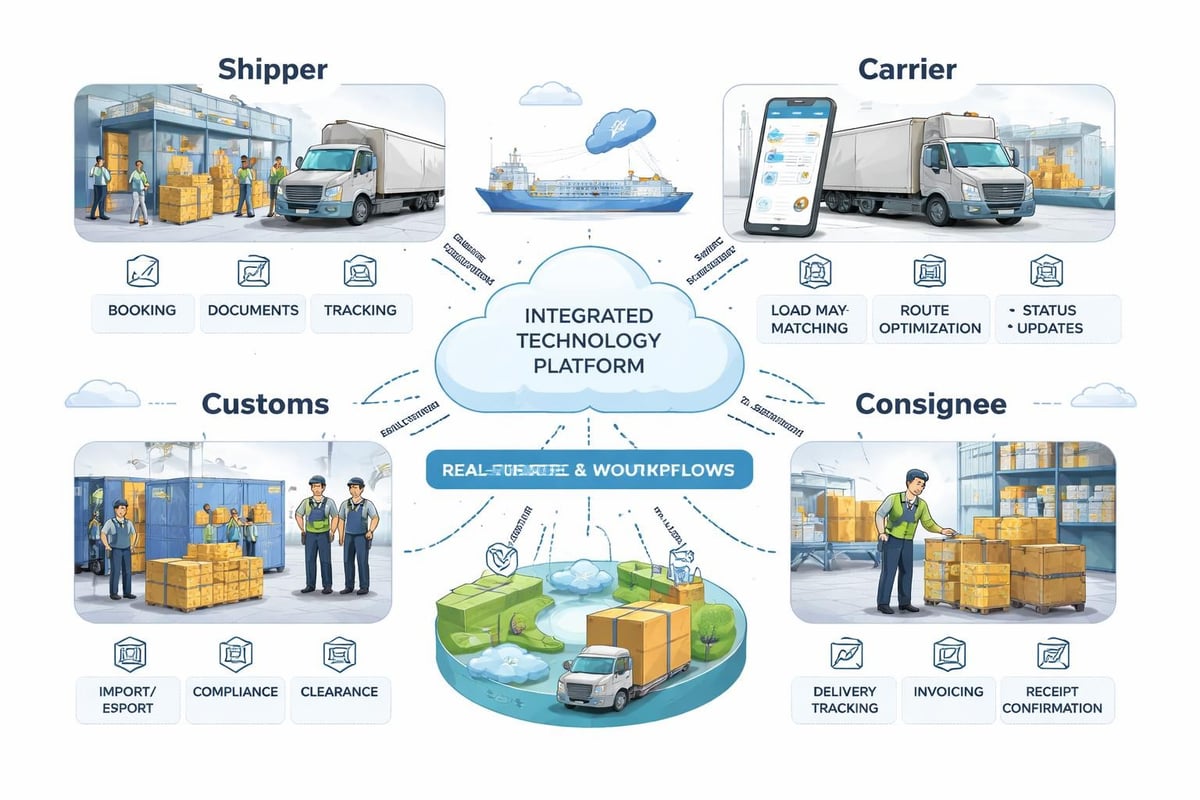
Cargo delivery companies offer diverse service models tailored to specific shipping requirements and urgency levels. Understanding these distinctions helps businesses select appropriate partners for different scenarios.
| Service Type | Transit Time | Best For | Cost Level |
|---|---|---|---|
| Express Air Freight | 1-3 days | Time-sensitive shipments | Premium |
| Standard Air Freight | 3-7 days | Balanced speed and cost | Moderate |
| Sea Freight | 15-45 days | Large volumes, non-urgent | Economy |
| Ground Transportation | 1-10 days | Regional deliveries | Variable |
| Multimodal Solutions | Variable | Complex routing needs | Custom |
Many cargo delivery companies specialize in specific industries or shipment types, developing expertise in handling unique requirements. Pharmaceutical logistics providers maintain temperature-controlled facilities and comply with strict regulatory standards, while automotive specialists manage oversized components and just-in-time delivery schedules. Companies focused on temperature-controlled freight invest in specialized equipment and monitoring systems to protect sensitive cargo throughout transit.
Air cargo charter services represent a specialized segment within the broader cargo delivery landscape, offering dedicated aircraft capacity for urgent or unique shipping needs. Unlike scheduled freight services, charter solutions provide flexibility in routing, timing, and aircraft selection. This model proves invaluable when standard options cannot accommodate specific requirements such as oversized equipment, hazardous materials, or emergency replacement parts.
The air cargo charter industry has experienced significant growth as businesses recognize the value of guaranteed capacity and direct routing. Traditional charter booking processes involved extensive negotiations and opaque pricing, but modern platforms have revolutionized this experience through automation and instant access to global aircraft networks.
Choosing appropriate cargo delivery companies requires careful evaluation of multiple factors beyond simple rate comparisons. Businesses must assess reliability, geographic coverage, technological capabilities, and industry expertise to ensure successful long-term partnerships.
Geographic network coverage determines whether a provider can effectively serve your shipping lanes. Companies with established relationships at key origin and destination points offer smoother customs clearance and last-mile delivery. Global logistics providers like Schenker AG maintain extensive networks across air, land, and sea freight modes, providing comprehensive coverage for multinational operations.
Technology integration capabilities enable seamless connectivity between your systems and the carrier's platform. Modern cargo delivery companies offer API connections, automated tracking updates, and electronic documentation that integrate with enterprise resource planning systems. This technical compatibility reduces manual data entry and improves accuracy across the supply chain.
Financial stability and insurance coverage protect your shipments and business relationships. Established cargo delivery companies maintain comprehensive insurance policies and demonstrate financial strength through transparent reporting and industry certifications. Verify coverage limits and claims processes before committing to significant shipping volumes.
The cargo delivery sector continues to evolve through technological innovation and changing customer expectations. Several significant trends are reshaping how companies operate and compete in 2026.
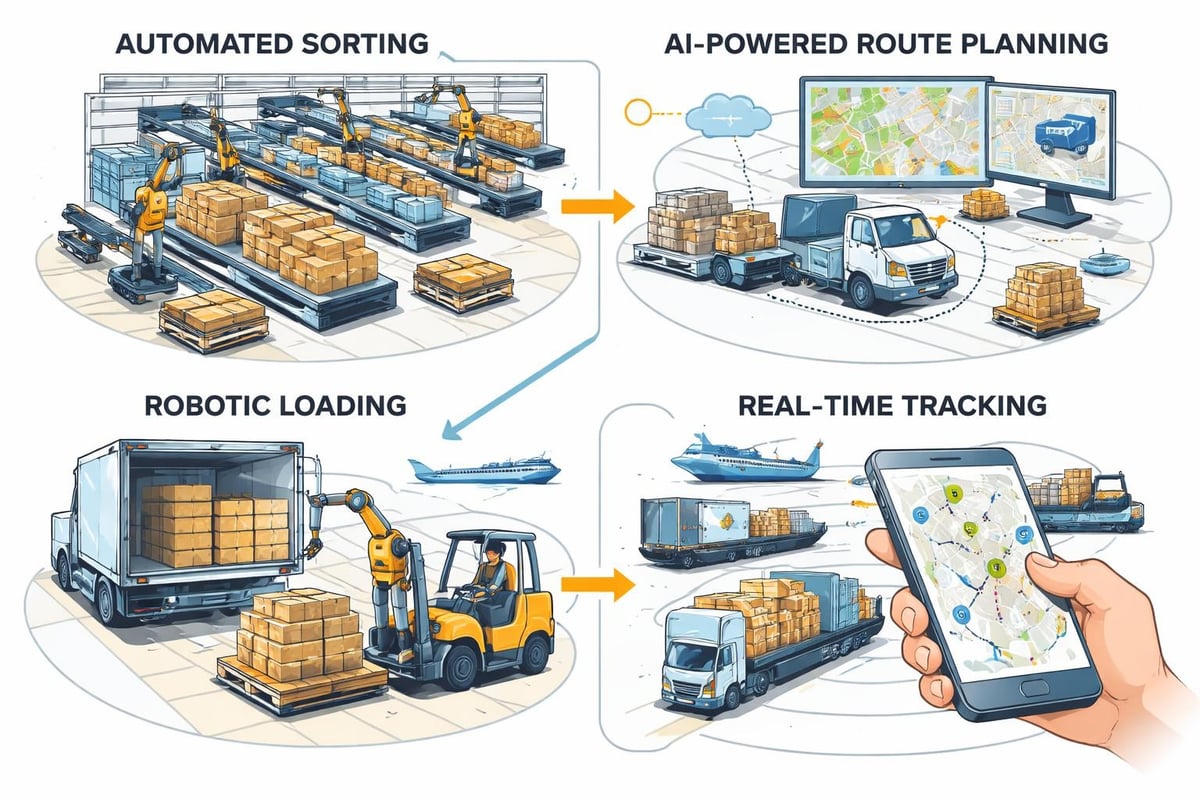
Automation technologies extend beyond administrative processes into physical transportation operations. Autonomous trucking companies are testing middle-mile delivery solutions that reduce labor costs and improve safety records. While fully autonomous long-haul operations remain in development, semi-autonomous features like adaptive cruise control and automatic braking already enhance driver performance.
Cargo delivery companies also implement automation in warehousing and sorting facilities through robotic systems, automated guided vehicles, and AI-powered inventory management. These investments improve throughput while reducing errors and workplace injuries. The integration of AI in delivery operations demonstrates how technology addresses labor shortages while enhancing service quality.
Environmental concerns drive significant changes across cargo delivery companies as customers demand reduced carbon footprints. Electric and hybrid vehicles are increasingly deployed for last-mile deliveries, while airlines invest in sustainable aviation fuel and modern, fuel-efficient aircraft. Companies track and report emissions metrics, offering carbon-neutral shipping options through verified offset programs.
The shift toward sustainable practices affects vehicle selection, routing algorithms, and facility operations. Leading cargo delivery companies set ambitious carbon reduction targets and publish annual sustainability reports demonstrating measurable progress. These initiatives respond to regulatory requirements while appealing to environmentally conscious customers.
Different sectors impose unique demands on cargo delivery companies, requiring specialized knowledge and equipment. Understanding these industry-specific needs helps businesses identify providers with relevant expertise.
Pharmaceutical shipments demand strict temperature control, security protocols, and regulatory compliance. Cargo delivery companies serving this sector maintain GDP-certified facilities, calibrated monitoring equipment, and trained personnel who understand handling requirements for various drug classifications. Time-sensitive medical equipment and biological samples require expedited routing and backup contingency plans.
Automotive manufacturers rely on precise just-in-time delivery schedules to minimize inventory costs while maintaining production continuity. Cargo delivery companies supporting this industry offer predictable transit times, proactive exception management, and specialized handling for oversized components. The ability to quickly deploy charter solutions for production line disruptions proves critical for maintaining manufacturing schedules.
Electronics shipments require protection from electrostatic discharge, vibration, and temperature fluctuations. Cargo delivery companies handling high-value technology products implement enhanced security measures, specialized packaging requirements, and comprehensive insurance coverage. These providers understand customs regulations for various electronics categories and manage complex international compliance requirements.
| Industry | Key Requirements | Specialized Equipment | Compliance Standards |
|---|---|---|---|
| Pharmaceutical | Temperature control, validation | Thermal containers, data loggers | GDP, 21 CFR Part 11 |
| Automotive | JIT delivery, damage prevention | Specialized racks, air-ride trailers | ISO/TS 16949 |
| Electronics | ESD protection, security | Anti-static packaging, secure facilities | TAPA FSR, C-TPAT |
| Fashion | Speed to market, returns handling | Garment racks, cross-docking | None specific |
Modern cargo delivery companies increasingly operate through digital platforms that transform traditional freight forwarding into streamlined, transparent processes. These platforms address longstanding industry pain points through automation and data-driven decision making.
Traditional cargo pricing involved multiple emails and phone calls over hours or days. Digital platforms deliver instant quotes based on real-time capacity, fuel costs, and route availability. Users compare options across multiple carriers, service levels, and routing alternatives within minutes. This transparency empowers shippers to make informed decisions quickly, particularly valuable when managing urgent shipments or evaluating cost-saving opportunities.
The freight forwarding process becomes significantly more efficient when cargo delivery companies offer integrated booking systems that automatically generate documentation, schedule pickups, and confirm capacity in a single workflow.
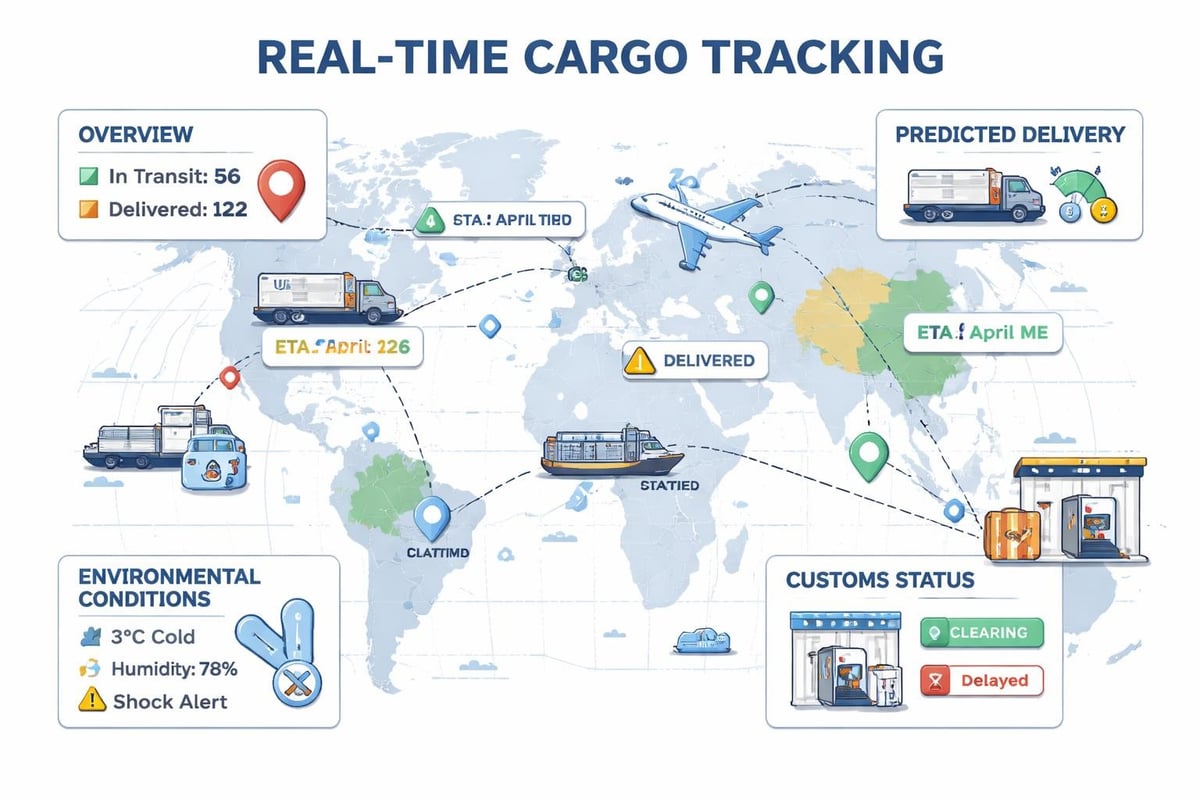
Supply chain visibility has evolved from periodic status updates to continuous tracking through GPS, IoT sensors, and automated milestone notifications. Modern cargo delivery companies provide detailed shipment visibility showing current location, estimated arrival times, and potential delays. This transparency enables proactive exception management and accurate customer communication.
Advanced tracking systems monitor environmental conditions for sensitive cargo, alerting stakeholders immediately when temperature, humidity, or shock thresholds are exceeded. This capability proves essential for pharmaceutical, food, and electronics shipments where product integrity depends on maintaining specific conditions throughout transit.
Businesses working with cargo delivery companies can implement several strategies to optimize shipping costs while maintaining service quality. Smart procurement practices and operational efficiencies deliver significant savings over time.
Combining multiple shipments into larger loads reduces per-unit transportation costs through better space utilization and negotiated volume rates. Cargo delivery companies offer consolidation services that group shipments headed to similar destinations, splitting costs among multiple shippers. This approach works particularly well for regular, less-urgent shipments where flexible timing enables efficient batching.
Each transportation mode offers distinct cost and speed characteristics. Air freight delivers speed at premium prices, while ocean freight provides economy for non-urgent shipments. Cargo delivery companies with multimodal capabilities help businesses select appropriate modes based on urgency, value, and destination. Some providers offer hybrid solutions combining modes to balance speed and cost, such as air freight to a regional hub followed by ground delivery.
Strategic mode selection considers factors beyond basic transit time:
Successful relationships with cargo delivery companies require establishing clear performance metrics and monitoring service quality consistently. Data-driven performance management identifies improvement opportunities and ensures accountability.
Leading organizations track multiple KPIs to assess carrier performance comprehensively. On-time delivery percentage measures reliability, while claims rate indicates cargo handling quality. Transit time variance shows consistency, and documentation accuracy prevents customs delays. Responsive customer service distinguishes exceptional providers from merely adequate ones.
| Metric | Target Range | Measurement Method | Improvement Actions |
|---|---|---|---|
| On-time delivery | 95-98% | Automated tracking systems | Route optimization, capacity planning |
| Damage claims | <0.5% | Claims per 1,000 shipments | Enhanced packaging, carrier training |
| Transit time variance | ±5% | Actual vs. quoted time | Better scheduling, contingency planning |
| Quote accuracy | 98%+ | Final cost vs. quoted price | Algorithm refinement, surcharge transparency |
Regular performance reviews with cargo delivery companies maintain alignment on service expectations and identify emerging issues before they escalate. Quarterly business reviews examine trends, discuss capacity planning, and explore opportunities for process improvements that benefit both parties.
Modern cargo delivery companies provide dashboards and analytics tools that visualize performance metrics in real-time. These systems automatically generate exception reports, highlight trends, and benchmark performance against industry standards. Integrated platforms eliminate manual data compilation, enabling logistics managers to focus on strategic analysis rather than data gathering.
Effective cargo delivery strategies incorporate comprehensive risk management addressing potential disruptions across global supply chains. Cargo delivery companies contribute to resilience through redundant capacity, alternative routing options, and proactive communication during exceptions.
Relying on single cargo delivery companies creates concentration risk that can severely impact operations when disruptions occur. Businesses maintain relationships with multiple providers across different modes and geographic regions, enabling quick pivots when primary options become unavailable. This diversification balances the administrative complexity of managing multiple vendors against the operational security of backup alternatives.
Strategic carrier portfolios typically include a primary partner for volume shipments, secondary options for backup capacity, and specialized providers for unique requirements. The various charter service options demonstrate how different service models address specific scenarios, from full aircraft charters to shared capacity solutions.
Comprehensive insurance coverage protects against cargo loss, damage, and delays. Cargo delivery companies offer various insurance levels, but businesses often maintain separate cargo policies providing broader coverage and higher limits. Understanding coverage gaps between carrier liability and actual shipment value prevents costly surprises when claims arise.
Proper documentation proves essential for insurance claims, customs clearance, and regulatory compliance. Electronic documentation systems offered by modern cargo delivery companies reduce errors while maintaining audit trails. Digital records enable faster claims processing and provide evidence for dispute resolution.
The cargo delivery industry continues evolving rapidly as technology, regulations, and customer expectations drive innovation. Several developments will shape how cargo delivery companies operate over the coming years.
Electrification of delivery fleets accelerates as battery technology improves and charging infrastructure expands. Electric vehicles now handle last-mile deliveries effectively, while long-haul electric trucks enter testing phases. Airlines invest in sustainable aviation fuel and explore electric aircraft for short-range cargo operations. These technological trends reflect industry commitments to reducing environmental impact while improving operational efficiency.
Artificial intelligence applications expand beyond basic automation into predictive analytics, demand forecasting, and autonomous decision-making. Cargo delivery companies deploy AI systems that optimize routing in real-time, predict maintenance requirements, and identify efficiency opportunities humans might overlook. Machine learning algorithms continuously improve through operational data, creating compound performance gains over time.
Blockchain technology promises enhanced transparency and security for cargo documentation, enabling trusted information sharing among multiple parties without centralized control. Smart contracts could automate payments, customs release, and carrier selection based on predefined criteria, further reducing administrative overhead and accelerating shipment processing.
Modern cargo delivery companies have transformed from traditional logistics providers into technology-driven platforms offering unprecedented visibility, speed, and reliability across global supply chains. Success in today's competitive environment requires selecting partners that combine robust infrastructure with innovative digital capabilities and industry-specific expertise. CharterSync delivers exactly this combination through its automated air cargo charter platform, providing instant access to global aircraft, intelligent matching algorithms, and dedicated expert support that transforms how businesses manage time-sensitive freight requirements.

.png)