.png)
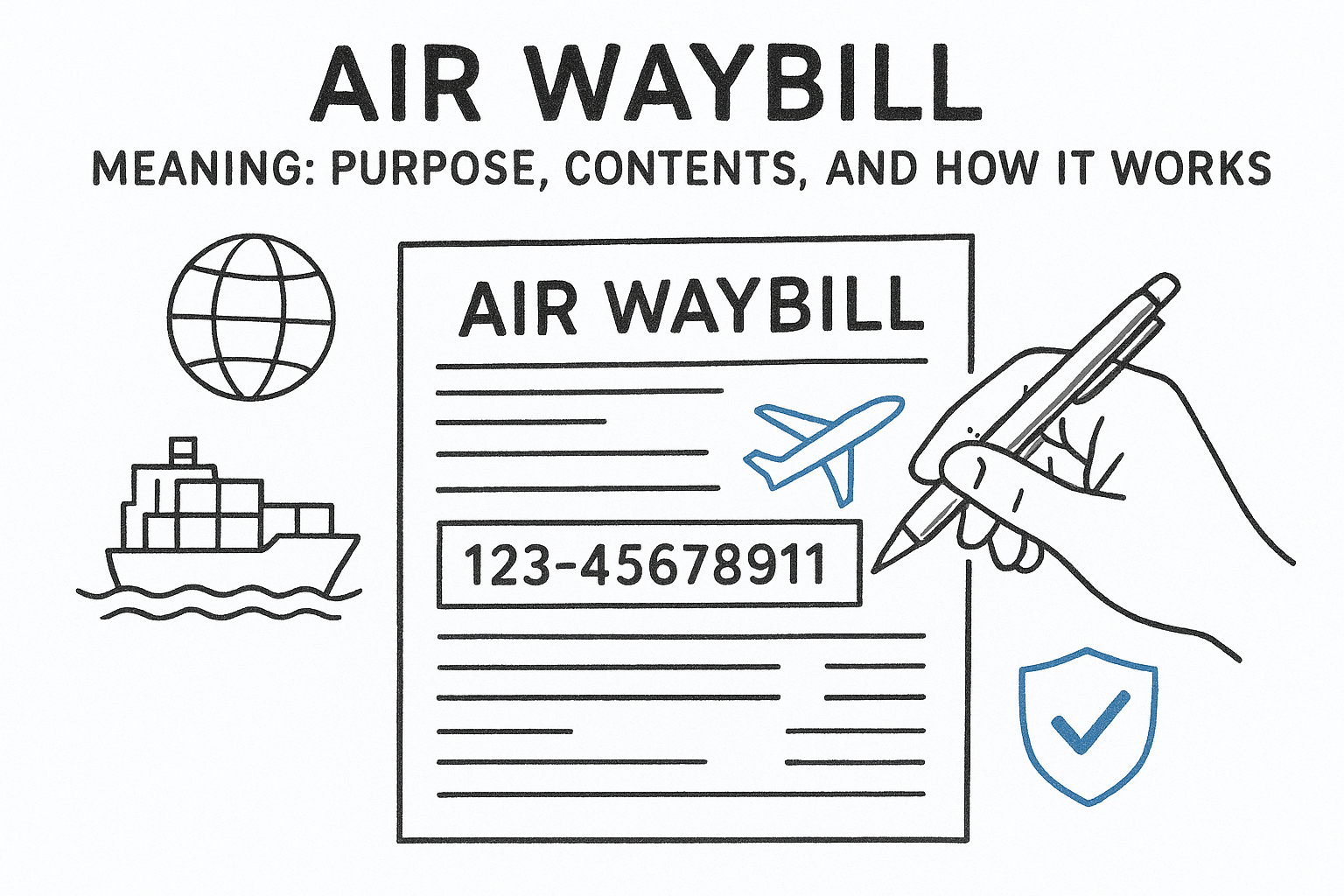
Every piece of cargo that moves by air requires documentation that proves ownership, confirms the terms of transport, and tracks the shipment from origin to destination. Understanding the air waybill meaning is essential for anyone working in freight forwarding or air cargo logistics, it's the single most important document in the process.
An air waybill (AWB) acts as the legal contract of carriage between the shipper and the airline. It specifies exactly what's being transported, where it's going, and under what terms. Unlike a bill of lading used in ocean freight, an AWB is non-negotiable, which means ownership cannot be transferred simply by handing over the document.
At CharterSync, we manage cargo charter operations where proper documentation is fundamental to every flight. This article breaks down what an air waybill is, the specific details it must contain, and how it works within international air freight.
The air waybill serves multiple critical functions that make it mandatory for every commercial air freight shipment. Without this document, your cargo cannot legally move across borders, and you lose the ability to track, claim, or prove ownership of the shipment. The air waybill meaning extends beyond simple paperwork; it forms the legal foundation of the entire transport agreement.
When you book air cargo, the AWB becomes active the moment the carrier accepts your goods. It creates binding obligations between all parties involved, from the shipper through to the final consignee. This matters because air freight often involves high-value, time-sensitive cargo where clarity about responsibility and liability is essential.
Your air waybill establishes the terms and conditions under which the airline agrees to transport your cargo. It specifies who bears responsibility if goods are damaged, delayed, or lost during transit. The document confirms the carrier's liability limits, which are typically governed by international conventions such as the Montreal Convention or the Warsaw Convention.
The AWB creates a legally enforceable contract from the moment the airline accepts your cargo.
This legal status protects both you as the shipper and the airline. If a dispute arises about damaged cargo or missed delivery deadlines, the air waybill provides the evidence needed to resolve claims. Courts and arbitrators rely on the terms stated in the AWB to determine liability and compensation.
Customs authorities at both origin and destination require an air waybill to verify the shipment's contents and value. Without it, your cargo cannot clear customs, which means it sits in a holding facility accumulating storage charges. The AWB provides essential data for import duties, taxes, and security screening.
Regulatory bodies use the information on your air waybill to ensure compliance with export controls, prohibited goods regulations, and international trade agreements. For example, if you're shipping pharmaceuticals or electronics, customs officers check the AWB against declared values and product descriptions to prevent smuggling or misdeclared goods.
Airlines and ground handlers use the air waybill as the master reference document throughout the shipment journey. Every scan, transfer, and storage event is logged against the AWB number, which allows you to track your cargo in real time. This tracking capability is fundamental for managing delivery expectations and responding to any issues that arise.
Freight forwarders rely on the AWB to coordinate multiple transport legs, particularly when cargo moves through transit hubs or requires onward delivery by truck or rail. The document ensures that everyone in the supply chain knows exactly what they're handling, where it needs to go, and under what conditions it must travel.
International standards require every air waybill to contain specific mandatory fields that enable tracking, customs clearance, and delivery. Missing or incorrect information on your AWB can result in shipment delays, rejected cargo, or customs penalties. Understanding the air waybill meaning includes knowing exactly what data must appear on this document.

Your air waybill must display a unique 11-digit AWB number that identifies your specific shipment throughout its journey. This number typically consists of the airline's three-digit prefix followed by eight sequential digits. Airlines use this identifier to track every movement, scan, and status update from acceptance to final delivery.
The AWB must list the exact number of pieces and total weight in your consignment. You need to declare the cargo's nature of goods, which describes what you're shipping in sufficient detail for customs and security screening. For dangerous goods or temperature-sensitive items, you must include special handling codes and regulatory compliance declarations.
The AWB number serves as the primary reference for tracking, claims, and all communication about your shipment.
You must provide complete names and addresses for both the shipper and consignee on your air waybill. This includes contact telephone numbers and email addresses that customs or the carrier can use if questions arise. Many shipments fail customs clearance because of incomplete or inaccurate party information.
Your AWB specifies the airport of departure and destination using standard three-letter IATA codes. If your cargo travels via connecting flights or transit hubs, the document lists these intermediate points in the routing section. You also need to declare the shipment value for insurance and customs purposes, along with any prepaid or collect freight charges that apply to the transport.
Understanding the air waybill meaning includes recognising how this document flows through the entire shipment lifecycle. The AWB activates at the moment you book cargo space and remains the central reference document until your goods reach their final destination. Every party in the transport chain relies on this single document to confirm what they're handling and where it needs to go.
Your freight forwarder or airline generates the air waybill when you confirm your booking. The document captures all shipment details, routing instructions, and commercial terms that you've agreed during the booking process. You receive copies of the AWB, and the airline keeps the master copy that travels with your cargo throughout its journey.
Airlines assign the unique AWB number from their pre-allocated stock of sequential numbers, which becomes the permanent identifier for tracking and communication. Modern systems generate AWBs electronically, though some carriers still issue paper versions depending on the route and destination requirements.
Ground handlers scan your AWB number at every transfer point, loading event, and arrival into their facility. These scans update the tracking system and confirm that your cargo moved from one stage to the next. When your shipment arrives at customs, officers use the AWB to verify contents against your declared information and calculate applicable duties.
Every scan of your AWB number creates a permanent record of your cargo's location and status.
If your cargo requires transhipment through intermediate airports, handlers at each hub reference the AWB routing section to determine which connecting flight should carry your goods. Any discrepancies between the physical cargo and AWB details trigger immediate alerts that prevent misrouting or loss.
Your consignee or their agent signs the air waybill upon receiving the cargo, which confirms successful delivery and transfers legal responsibility. This signature closes the transport contract and starts the clock on any potential damage claims you might need to file. Airlines typically retain AWB records for several years to support audits, claims processing, and regulatory compliance requirements.
The aviation industry has moved away from paper-based air waybills toward fully electronic documentation that streamlines the entire cargo process. Electronic air waybills (e-AWBs) eliminate physical paperwork while maintaining the same legal validity and regulatory compliance as traditional documents. This digital shift reduces processing time, cuts administrative costs, and improves data accuracy across the supply chain.
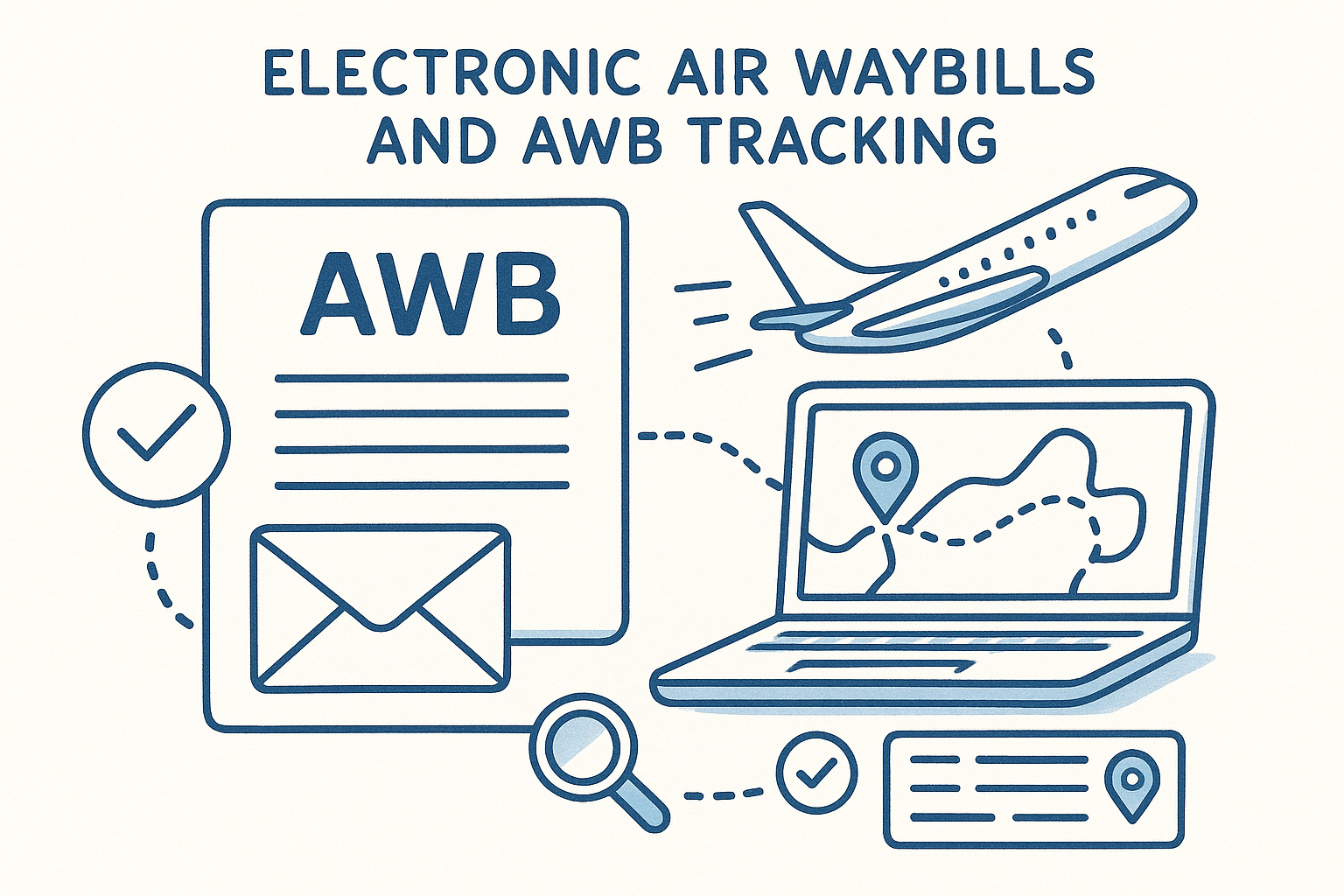
Airlines and freight forwarders now exchange e-AWB data through standardised electronic messages that populate customs systems and tracking platforms automatically. You benefit from faster booking confirmations, immediate visibility of shipment status, and reduced risk of document loss or damage during transit.
Your cargo receives the same legal protections and contractual terms with an e-AWB as it would with paper documentation. International Air Transport Association (IATA) standards govern e-AWB formats, which ensures universal acceptance at airports and customs facilities worldwide. Airlines save significant costs by eliminating printing, storage, and physical handling of thousands of paper documents daily.
Electronic air waybills reduce processing errors by up to 90% compared to manual paper-based systems.
Most major carriers now default to e-AWB for all shipments unless you specifically request paper copies. Understanding the air waybill meaning in this digital context helps you recognise that the legal contract still exists even when no physical document accompanies your cargo.
You can monitor your shipment's exact location and status by entering your AWB number into the airline's tracking portal. Each scan point updates automatically, showing when cargo enters warehouses, loads onto aircraft, clears customs, or reaches the delivery depot. This live visibility allows you to respond immediately to delays or issues that might affect your supply chain.
Modern tracking systems integrate with your warehouse management software and customer notifications, sending automatic alerts when shipment status changes. You gain end-to-end transparency that was impossible with paper-based processes.
Air cargo shipments rely on multiple documents that serve different legal and operational purposes. Understanding the air waybill meaning becomes clearer when you compare it against other shipping documents that travel with your cargo. Each document addresses specific requirements, and you cannot substitute one for another without compromising customs clearance or legal protection.
A bill of lading (BOL) serves ocean freight in the same way an AWB serves air cargo, but critical differences exist between these two transport contracts. The BOL functions as a negotiable document of title, which means you can transfer ownership of the goods by physically endorsing and handing over the document. Your air waybill operates as a non-negotiable receipt that cannot transfer ownership through simple document exchange.
Ocean carriers issue BOLs that allow goods to be traded while still at sea, which supports international commodity trading and letter of credit transactions. Airlines issue AWBs that name a specific consignee who must receive the cargo. You cannot change the receiving party on an AWB without issuing an entirely new document with carrier approval and revised customs declarations.
Air waybills prioritise speed and simplicity, while bills of lading support flexible ownership transfer during transit.
Your commercial invoice documents the transaction value and terms of sale between you and your buyer, which customs authorities use to calculate import duties and taxes. This document sits separate from your AWB because it addresses the commercial relationship rather than the transport contract. You must provide both documents to clear customs successfully.
Packing lists detail the exact contents, dimensions, and weights of each package in your shipment. Handlers use this information to verify physical cargo against AWB descriptions and identify any discrepancies that might indicate damage or theft during transit.
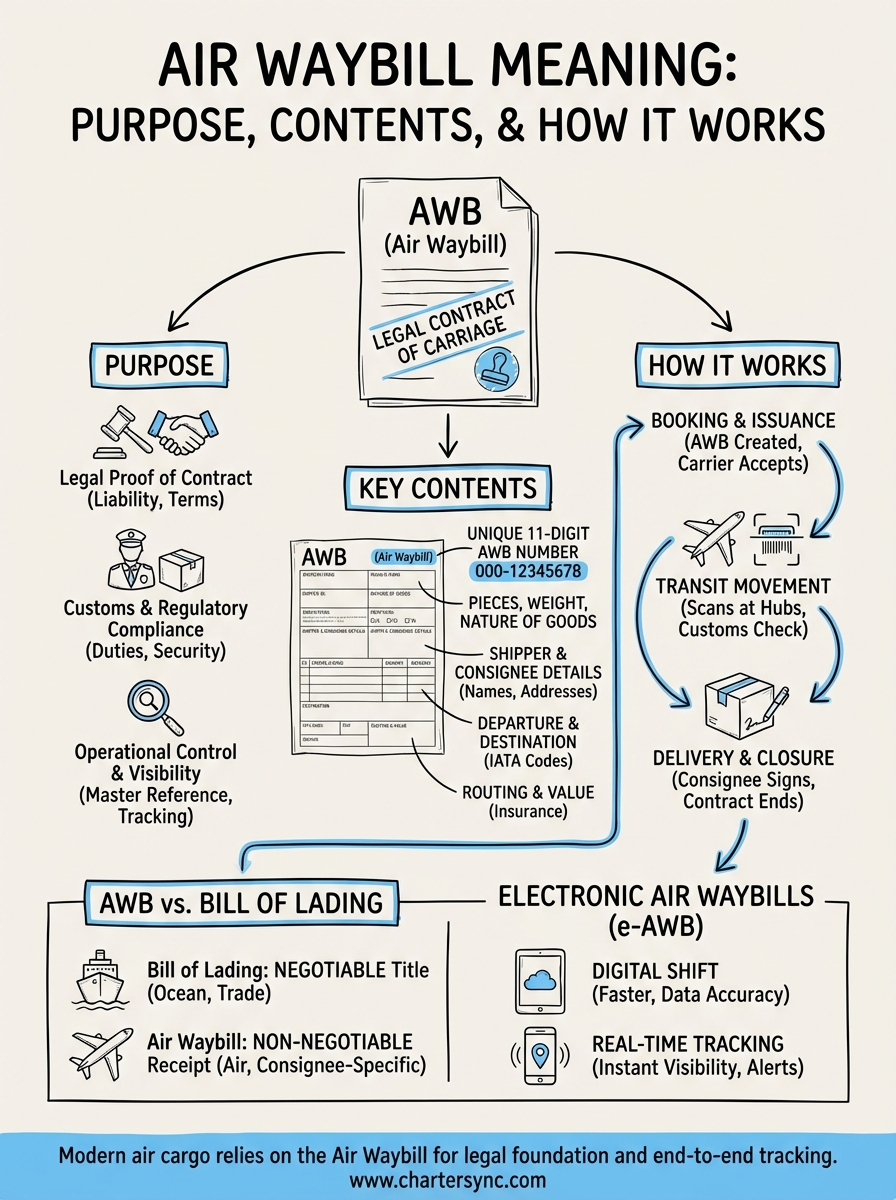
Understanding the air waybill meaning gives you control over every stage of your air cargo shipment. The AWB functions as your legal contract, tracking reference, and customs clearance document rolled into one essential piece of paperwork. You cannot move cargo across borders without it, and any errors in the document cause immediate delays that affect your delivery timeline and customer commitments.
Modern electronic air waybills have transformed how you manage international shipments by providing instant visibility and automatic data exchange with customs systems worldwide. Your AWB number remains the single most important reference throughout the entire journey, from initial booking through final delivery confirmation and signature.
When you're managing complex charter operations that require rapid aircraft matching, technical loadability analysis, and comprehensive shipping documentation, CharterSync provides the digital platform that eliminates manual quoting processes and delivers confirmed availability within minutes rather than hours.

.png)