.png)
In 2026, air freight transportation stands at the forefront of global trade, connecting businesses to new markets at unprecedented speed. Companies now face higher expectations for rapid delivery, full shipment visibility, and dependable international logistics.
Understanding air freight transportation is more than a necessity—it is a strategic advantage. As regulations evolve and new technologies emerge, staying informed is vital for businesses aiming to remain competitive.
This guide will cover the fundamentals of air freight, the latest trends, booking procedures, regulatory shifts, digital innovation, sustainability strategies, and what the future holds. Let’s explore how to navigate air freight transportation successfully in 2026.
Air freight transportation plays a vital role in today’s interconnected supply chains. With its unmatched speed and reliability, it enables businesses to deliver goods worldwide quickly and securely. As global commerce accelerates in 2026, understanding this sector is crucial for anyone involved in logistics, trade, or manufacturing.
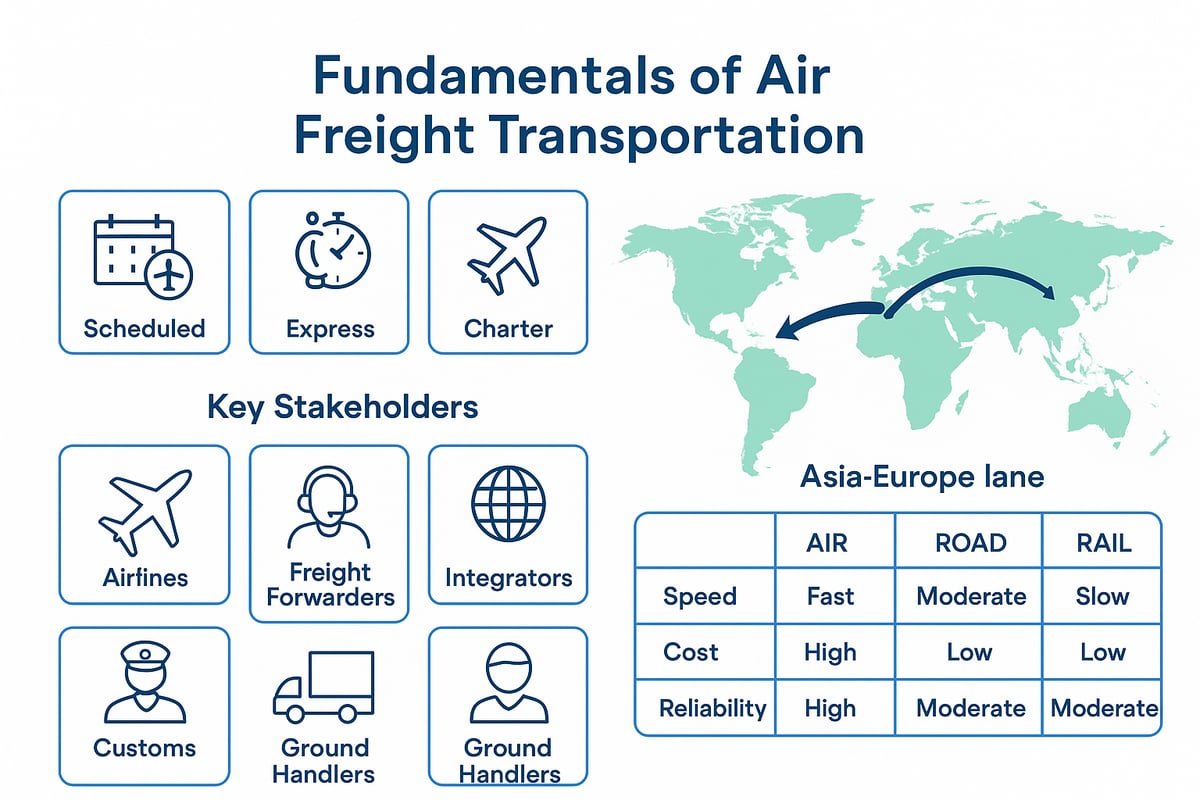
Air freight transportation refers to the movement of goods by aircraft, covering both domestic and international routes. There are several types: general cargo (standard shipments), express (door-to-door, time-critical), charter (dedicated aircraft for specific loads), and onboard courier (OBC, hand-carried items). Compared to sea, road, or rail, air freight transportation stands out for speed and global reach.
| Mode | Speed | Security | Global Reach |
|---|---|---|---|
| Air | Fastest | High | Extensive |
| Sea | Slow | Moderate | Wide |
| Road | Moderate | Varies | Regional |
| Rail | Moderate | Good | Regional |
Key advantages of air freight transportation include reduced transit times, high security, and access to remote or high-value markets.
The air freight transportation market is projected to reach unprecedented volumes by 2026. According to IATA and FIATA, global demand continues to rise, with annual growth driven by e-commerce and supply chain digitalisation. Major trade lanes like Asia-Europe, Transpacific, and the Middle East remain dominant, while new routes are emerging across Africa and South America.
E-commerce is a major driver, fuelling demand for rapid deliveries and expanding air freight transportation’s influence in both B2B and B2C markets. Globalisation and shifting trade patterns are also shaping the market, making agility and adaptability essential.
Several stakeholders collaborate to ensure effective air freight transportation. Airlines provide aircraft capacity and operate scheduled or charter flights. Freight forwarders act as intermediaries, managing bookings, documentation, and coordination. Integrators (such as DHL, FedEx, UPS) offer end-to-end services, combining air transport with ground logistics.
Customs authorities oversee compliance and security at borders, while ground handlers manage cargo loading, unloading, and storage at airports. Each stakeholder plays a distinct role, ensuring smooth and secure movement of goods across the supply chain.
Air freight transportation offers a diverse range of service types to suit different needs:
Typical use cases include pharmaceuticals, electronics, automotive, and high-value items that require secure, rapid delivery.
The cost of air freight transportation is influenced by several factors. Chargeable weight is crucial, calculated using either actual or volumetric weight, whichever is greater. Volumetric calculations account for space occupied, not just physical mass.
Fuel surcharges, security fees, and destination charges add to the base rate. Seasonal demand, market dynamics, and capacity constraints can lead to price fluctuations, especially during peak periods. Understanding these pricing elements helps businesses budget accurately and optimise their air freight transportation strategies.
Navigating the air freight transportation process in 2026 requires a clear understanding of each stage, from cargo assessment to final delivery. This step-by-step guide breaks down the essential phases, giving businesses the tools to streamline operations, minimise errors, and ensure reliable international shipping. By following these steps, you can optimise efficiency and ensure compliance at every point in the air freight transportation journey.
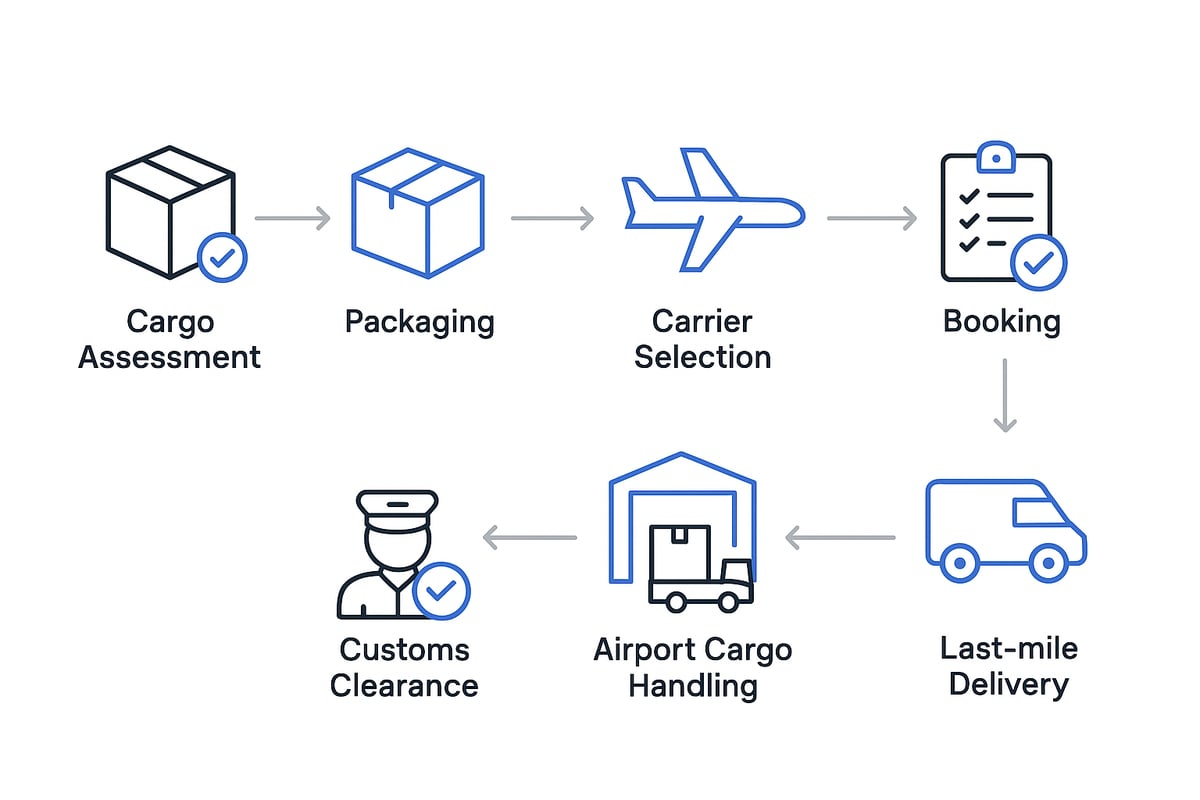
The air freight transportation process begins with a thorough evaluation of your cargo. Identify the nature of your goods—are they general, perishable, dangerous, or high-value? This classification impacts packaging, labelling, and handling requirements.
Proper packaging is crucial for protecting cargo during transit and meeting air freight transportation safety standards. Ensure all packages are clearly labelled with destination, contents, and any special handling instructions. Prepare documentation such as the commercial invoice and packing list in advance. For dangerous goods, follow IATA regulations closely and include the required hazard labels and declarations.
A detailed initial assessment reduces risks, prevents delays, and ensures your air freight transportation shipment is accepted by the carrier and customs authorities.
Choosing the best service type and carrier is a pivotal decision in air freight transportation. Evaluate your priorities: is speed, cost, or reliability most important for your shipment? Service types include scheduled, express, charter, and next flight out options, each with distinct advantages.
When selecting a carrier, consider their network reach, reputation, and expertise in handling your cargo type. Integrators like DHL and FedEx offer end-to-end solutions, while traditional airlines and charter providers may offer flexibility for unique requirements.
Compare quotes, transit times, and customer support. The right match ensures your air freight transportation needs are met, whether you are shipping sensitive pharmaceuticals or urgent automotive components.
Obtaining a quote for air freight transportation involves several factors. Carriers calculate costs based on chargeable weight, which is determined by comparing actual and volumetric weights, as well as the chosen route and urgency of delivery.
Digital platforms have revolutionised quoting, offering instant price comparisons and booking capabilities. However, some complex shipments may still require traditional negotiation or manual booking channels.
Submit accurate shipment details—dimensions, weight, origin, and destination—to receive precise quotes. Once you confirm your booking, you will receive an air waybill number, marking the official start of your air freight transportation journey.
Accurate documentation is essential for smooth air freight transportation. Key documents include the air waybill (AWB), commercial invoice, packing list, and any required export or import permits. Each document must match the cargo details exactly to avoid customs hold-ups.
Customs clearance procedures differ by country but generally involve submitting documents for review, paying duties, and complying with import regulations. Stay updated on the latest requirements, and consider working with a licensed customs broker for complex shipments.
Proactive document preparation and compliance checks help prevent delays, fines, or cargo rejections in the air freight transportation process.
Once your shipment reaches the airport, it enters the cargo handling and security phase of air freight transportation. Ground handlers inspect and process the cargo, ensuring compliance with all safety protocols. Security screening, including x-ray and physical checks, is mandatory for all shipments.
Advanced tracking technologies provide real-time visibility throughout the journey. Many carriers offer online platforms or mobile apps to monitor your cargo’s status, location, and estimated arrival.
Proper handling and robust security measures protect your goods and maintain the integrity of the air freight transportation supply chain.
After customs release, your shipment moves to the delivery and last-mile logistics stage, the final step in air freight transportation. This involves transferring cargo from the airport to its ultimate destination, often via road transport or courier services.
Timely coordination is essential to avoid delays and ensure customer satisfaction. Exceptions, such as damaged goods or missed connections, require prompt action and clear communication.
For a deeper dive into this critical phase, explore final delivery in air freight to understand the unique challenges and solutions that define last-mile success.
Staying ahead in air freight transportation means understanding the latest innovations and market shifts. In 2026, rapid technological progress, regulatory changes, and evolving customer expectations are reshaping the industry. Let’s explore the key trends driving the future of air freight transportation and how businesses can adapt for sustained success.
Digital transformation is at the heart of air freight transportation in 2026. Automated booking platforms, real-time tracking tools, and digital documentation are now standard across the sector. Artificial intelligence powers route optimisation and dynamic pricing, helping carriers and forwarders maximise efficiency.
Autonomous ground handling equipment and robotics are streamlining cargo movement within airports. These advances not only increase productivity but also reduce errors and delays. For businesses, embracing digital transformation in air freight transportation is essential for maintaining competitiveness and meeting customers’ expectations for speed and transparency.
Sustainability is now a core focus for air freight transportation providers. Airlines are investing in sustainable aviation fuels (SAF) to cut carbon emissions, while ground operations are shifting to electric vehicles and renewable energy sources. Emissions tracking and carbon-neutral initiatives are increasingly common, reflecting both regulatory pressures and customer demand.
Industry bodies like IATA and ICAO have set ambitious targets for reducing the environmental impact of air freight transportation. Companies adopting green logistics practices, such as eco-friendly packaging and optimised flight paths, are seeing both reputational and financial benefits.
As global trade volumes expand, air freight transportation faces heightened security and compliance requirements. Enhanced cargo screening technologies, including AI-driven scanners, biometric checks, and blockchain-enabled tracking, are now widely used.
Regulatory authorities are enforcing stricter standards for handling dangerous goods and restricted items. Staying compliant with these evolving rules is critical for avoiding penalties and ensuring smooth cross-border movements. Investing in advanced security solutions helps maintain the integrity and safety of air freight transportation networks.
The surge in cross-border e-commerce continues to transform air freight transportation. Online retailers and marketplaces are demanding faster, more reliable delivery options, driving growth in express and next flight out services.
Omnichannel logistics strategies are now essential, enabling seamless integration of warehousing, fulfilment, and transport. For air freight transportation providers, adapting to the demands of e-commerce means prioritising agility, visibility, and customer-centric solutions.
Volatile market conditions and unpredictable demand patterns require flexible capacity management in air freight transportation. Dynamic allocation tools and part charter solutions allow providers to match available space with urgent shipments in real time.
Managing seasonal peaks, such as holiday surges or sudden supply chain disruptions, is now more data-driven. By leveraging predictive analytics, air freight transportation companies can anticipate bottlenecks and deploy resources proactively to maintain timely deliveries.
Seamless integration with other transport modes is a defining trend in air freight transportation. Multimodal and intermodal solutions combine air, sea, rail, and road to create efficient end-to-end supply chains.
Successful examples include air-sea links for high-value goods and air-road connections for last-mile delivery. This integration enhances flexibility, reduces costs, and improves overall service quality, making air freight transportation more attractive for a wider range of industries.
Automated air cargo charter platforms are revolutionising air freight transportation. AI-powered systems enable instant quoting, smart aircraft matching, and transparent pricing, making it easier for freight forwarders to secure the right solution. These platforms offer enhanced visibility, real-time tracking, and digital documentation, streamlining every stage of the process.
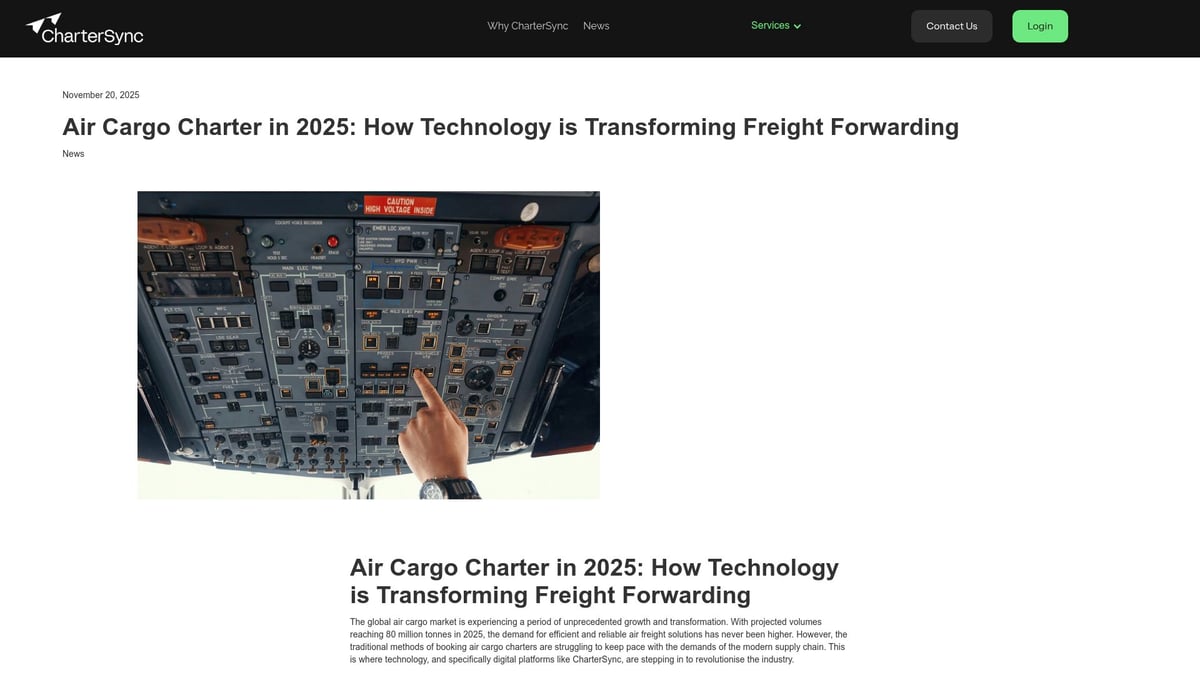
Industries such as automotive, pharmaceuticals, and high-tech benefit from greater reliability and speed. As highlighted in Air cargo charter technology trends, automation and expert support are setting new standards for efficiency and customer service in air freight transportation.
Staying compliant in air freight transportation is more complex than ever. In 2026, evolving global regulations, stricter customs policies, enhanced security, and new data protection rules demand attention from every logistics professional. Understanding these changes is essential for businesses to maintain seamless air freight transportation operations and avoid costly delays or penalties.
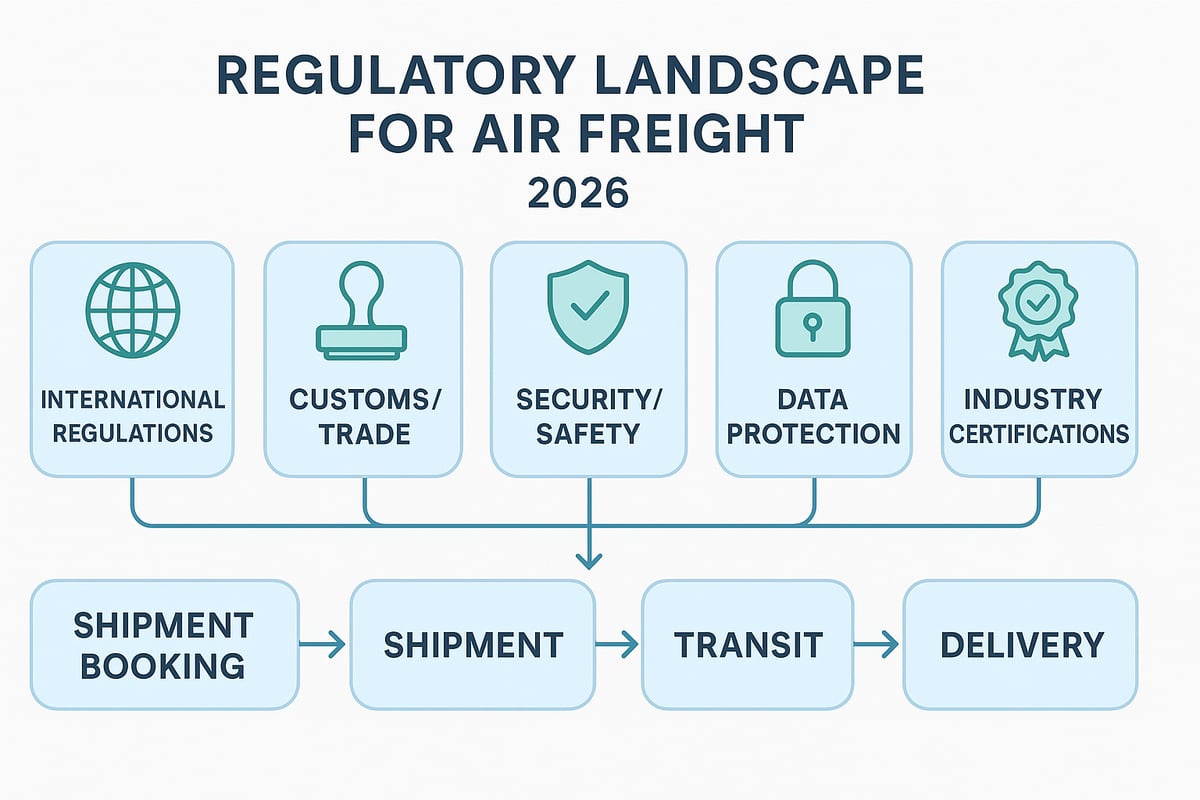
The landscape of international regulations for air freight transportation is constantly shifting. In 2026, IATA and ICAO have introduced updated guidelines for air cargo operations, impacting documentation, labelling, and handling requirements. Regulatory frameworks now emphasise harmonisation across borders, making it crucial for shippers and forwarders to stay informed.
For the latest updates and detailed guidance, refer to IATA's 2026 Air Cargo Regulations. Adhering to these standards ensures smooth cross-border movement and minimises compliance risks in air freight transportation.
Customs and trade policies have become more dynamic, with digital customs clearance and electronic documentation taking centre stage. Air freight transportation now benefits from faster processing times, yet faces increased scrutiny due to shifting trade agreements and geopolitical events.
Shippers must monitor changes in tariffs and sanctions, as these can directly impact routing and costs. Staying proactive with customs compliance is vital to avoid unexpected delays and maintain reliability in air freight transportation.
Security and safety remain top priorities in air freight transportation. 2026 sees the adoption of advanced cargo screening technologies, including computed tomography (CT), explosive trace detection (ETD), and canine inspection teams. These measures enhance threat detection and safeguard global supply chains.
Compliance for dangerous goods, pharmaceuticals, and high-value shipments is under tighter regulation. Businesses must ensure staff are trained and that processes align with the latest security protocols to guarantee uninterrupted air freight transportation.
With the digitalisation of air freight transportation, data protection has become a critical concern. Regulatory frameworks such as GDPR, CCPA, and emerging global standards require companies to safeguard sensitive shipment data and customer information.
Cyber threats targeting air cargo systems are on the rise, making robust cybersecurity strategies essential. Implementing encryption, regular audits, and incident response plans helps maintain trust and operational continuity in air freight transportation.
Industry certifications are now a benchmark for operational excellence in air freight transportation. Programmes such as CEIV Pharma, TAPA, and ISO standards validate compliance with safety, security, and quality requirements.
Continuous staff training and regular process reviews are vital. By fostering a culture of compliance and pursuing recognised certifications, organisations can enhance their reputation and maintain a competitive edge in air freight transportation.
Optimising air freight transportation is essential for businesses seeking to stay ahead in a competitive market. As 2026 approaches, operational excellence relies on a blend of cost management, digital transparency, resilience, sustainability, and collaborative partnerships. The following strategies will help organisations achieve greater efficiency and reliability across their air freight transportation networks.
Reducing costs in air freight transportation is a top priority for shippers and forwarders. Achieving savings requires a combination of strategic planning and technology adoption.
Digital platforms have transformed how quotes are sourced and bookings are managed. For urgent shipments, services like Next flight out air freight offer rapid solutions, enabling businesses to respond quickly to market demands while controlling costs. By integrating these tactics, companies can enhance their air freight transportation efficiency.
Visibility is crucial for managing risk and improving customer satisfaction in air freight transportation. Modern logistics platforms now offer real-time tracking, proactive exception alerts, and seamless data sharing.
Integrated systems connect shippers, carriers, and consignees, creating a unified view of cargo status from origin to destination. These tools help identify bottlenecks, predict disruptions, and enable faster decision-making.
Proactive management of air freight transportation builds trust with partners and clients. Transparency also supports compliance and streamlines documentation, reducing the risk of costly errors.
Resilience in air freight transportation is more important than ever, given recent disruptions from pandemics and geopolitical events. Scenario planning and risk assessments allow businesses to anticipate and respond to potential threats.
Flexible capacity solutions, such as part charters or on-demand services, provide additional security during peak periods. Maintaining strong relationships with multiple carriers ensures alternative options if a preferred route becomes unavailable.
By embedding resilience into air freight transportation strategies, companies can mitigate risks and maintain service continuity, even in unpredictable environments.
Sustainability is a growing concern for all air freight transportation stakeholders. Implementing green initiatives not only meets regulatory requirements but also appeals to environmentally conscious customers.
Key strategies include:
Meeting sustainability demands in air freight transportation requires ongoing innovation and transparent reporting to demonstrate measurable progress.
Strong collaboration is the cornerstone of successful air freight transportation. Strategic alliances between shippers, forwarders, carriers, and technology providers foster innovation and operational excellence.
Examples of effective partnerships include joint capacity planning, shared digital platforms, and coordinated risk management. These collaborations drive efficiencies, improve service quality, and enable access to new markets.
By nurturing trusted partnerships, businesses can unlock greater value from their air freight transportation networks and adapt quickly to changing market conditions.
As we look towards 2026, air freight transportation will be shaped by a wave of innovation and shifting global dynamics. Businesses must anticipate these changes to remain agile and competitive. This section explores the technologies, market shifts, workforce trends, and risks that will define the future of air freight transportation.
Emerging technologies are set to revolutionise air freight transportation. By 2026, UAVs and drones will play a significant role in express and last-mile delivery, drastically reducing transit times for urgent shipments. Autonomous aircraft and IoT-enabled cargo monitoring will provide real-time data, enhancing safety and operational efficiency. These advancements will not only boost the speed of air freight transportation but also improve transparency and reliability across global supply chains. Businesses adopting these innovations early will gain a considerable competitive edge as the sector continues to evolve.
The global outlook for air freight transportation remains robust. According to the Global Air Freight Market Forecast, the market is expected to see strong growth through 2034, driven by pharmaceuticals, e-commerce, electronics, and perishable goods. Regional hotspots such as Asia-Pacific, the Middle East, and Africa will lead expansion due to rising demand and strategic investments.
| Industry | Region | Growth Driver |
|---|---|---|
| Pharmaceuticals | Asia-Pacific | Healthcare demand |
| E-commerce | Middle East | Online retail |
| Electronics | Africa | Tech adoption |
| Perishables | Global | Food supply chain |
Staying informed about these trends is vital for effective air freight transportation planning.
Geopolitical and economic shifts will continue to impact air freight transportation. Trade realignments, tariffs, and regional conflicts can alter key trade lanes and affect capacity. For example, changing trade agreements in Asia-Pacific and Europe may require businesses to rethink their logistics strategies. The sector must remain flexible, using scenario planning to navigate uncertainties and mitigate risks. By monitoring these external factors, companies can better protect their supply chains and sustain growth in the evolving landscape of air freight transportation.
The future of air freight transportation will demand a workforce skilled in digital platforms, automation, and compliance. As technology adoption accelerates, roles will shift towards data analytics, process automation, and regulatory management. Training programmes focused on digital skills and continuous learning will be essential for talent retention. Companies that invest in their workforce will be better positioned to adapt to new technologies and regulatory changes, ensuring smooth and efficient air freight transportation operations.
Customer expectations in air freight transportation are rising rapidly. Businesses and consumers now seek on-demand, personalised solutions, with real-time tracking and proactive communication. According to FedEx on 2026 Air Freight Trends, the growth of e-commerce and omnichannel fulfilment is pushing providers to innovate service offerings. Companies that embrace digital transformation and prioritise customer-centric solutions will strengthen loyalty and stand out in a competitive marketplace.
Despite technological progress, air freight transportation faces notable risks:
To overcome these barriers, businesses must adopt resilient strategies, invest in infrastructure, and stay proactive in compliance. Monitoring these risks helps ensure the long-term stability and sustainability of air freight transportation.
As we look ahead to the evolving world of air freight in 2026, staying ahead means embracing smarter solutions and expert support. If you want to see how intelligent automation and dedicated human expertise can transform your day to day air cargo operations—whether you’re moving pharmaceuticals, automotive parts, or high tech shipments—why not experience it first hand? Discover how seamless booking, accurate quoting, and real time visibility can help you meet the demands of a fast moving global market. If you’re ready to explore these advantages, you can request a demo and see CharterSync in action.

.png)