.png)
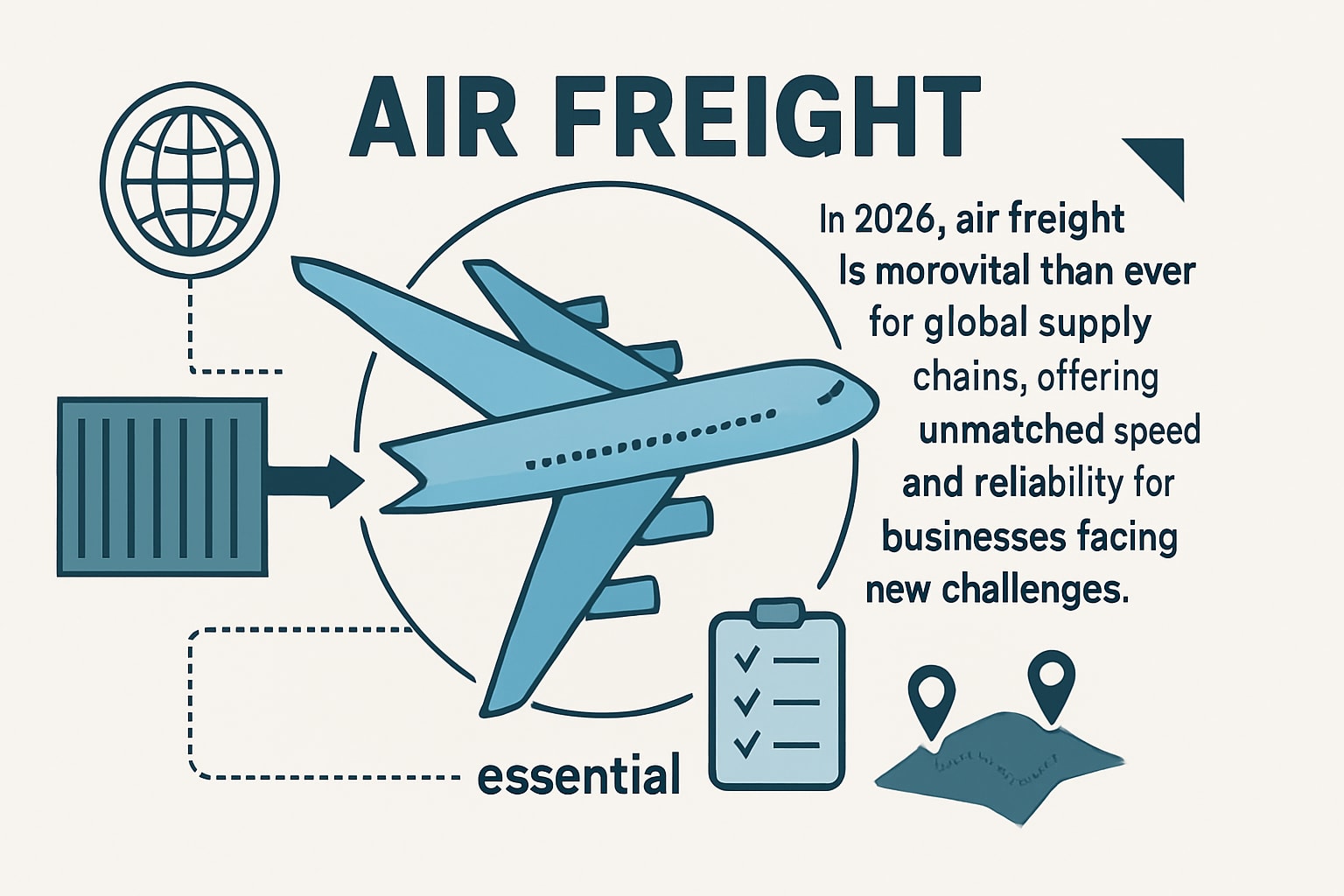
In 2026, global supply chains are evolving rapidly, and businesses face new pressures to stay competitive. The demand for speed, reliability, and adaptability is higher than ever, making air freight a critical solution for shippers and logistics professionals worldwide.
This guide provides the essential insights you need to master air freight in 2026. Whether you are a freight forwarder, logistics manager, or shipper, you will find up-to-date information tailored to today’s dynamic shipping environment.
Explore the latest industry trends, cost structures, regulatory changes, and technology advancements shaping air freight this year. Discover actionable strategies that can help you optimise your operations and achieve shipping success.
Ready to navigate the future of air freight? Let’s dive in and unlock expert recommendations designed for your business needs.
The air freight sector in 2026 stands at a pivotal moment, shaped by economic shifts, evolving customer demands, and rapid technological innovation. For shippers, freight forwarders, and logistics managers, understanding the market landscape is essential to remain competitive and resilient. Let us take a closer look at the trends, dynamics, and digital advancements defining air freight this year.
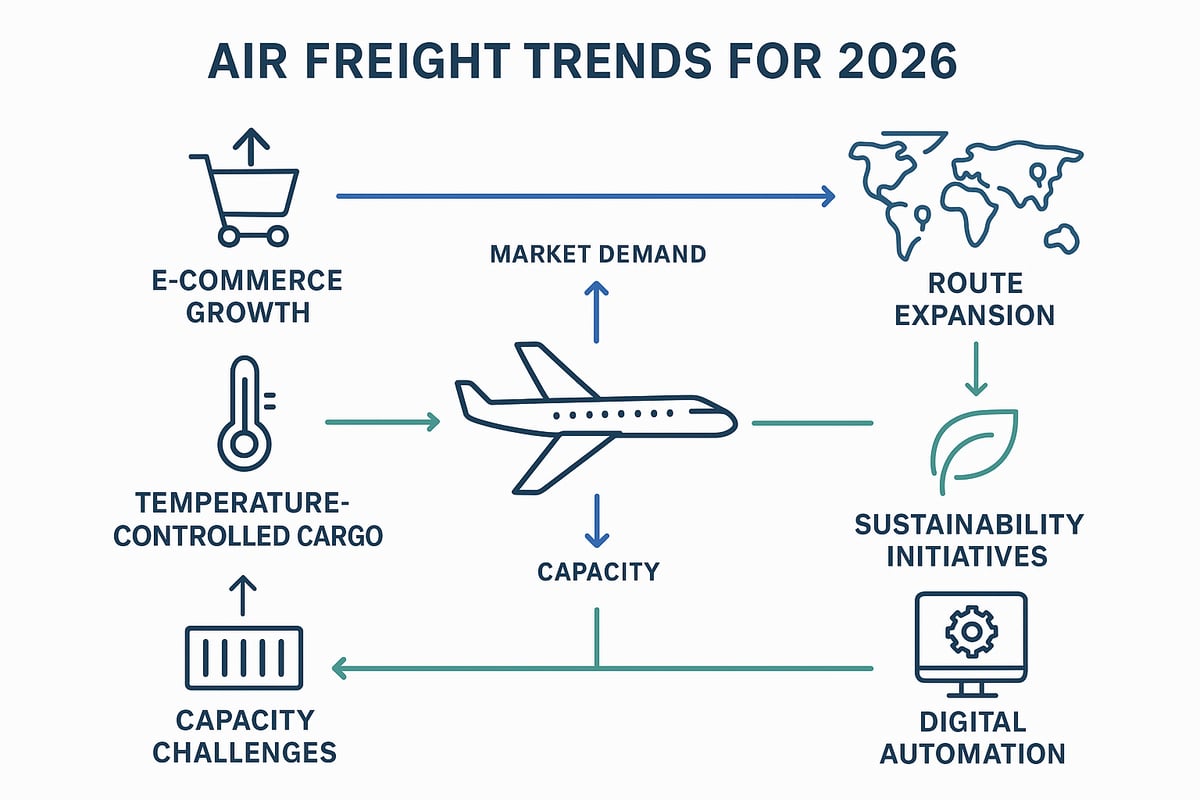
Several powerful trends are influencing air freight in 2026. Global demand for speed and reliability continues to rise, fuelled by booming e-commerce and the movement of high-value goods. Businesses expect rapid transit times for everything from consumer electronics to automotive parts, driving the expansion of air cargo routes and intensifying competition among carriers.
Temperature-controlled and time-sensitive shipments are also on the rise, particularly for pharmaceuticals and perishables. These commodities require precise handling and dedicated infrastructure, adding complexity but also value to air freight services. Sustainability has become a central concern, with providers investing in carbon reduction strategies and greener operations to meet regulatory and customer expectations.
Geopolitical developments and ongoing supply chain reconfigurations have altered traditional air freight patterns. Lane realignments and regional disruptions mean businesses must stay alert and adaptable. According to industry consensus, air freight demand is projected to grow by 4.2% annually through 2026, with a notable surge in automotive and electronics shipments requiring fast, global distribution.
For a comprehensive overview of these developments, see the Air Freight Transportation Trends resource, which explores how these forces are reshaping the market.
Market dynamics in air freight are increasingly complex. Fluctuating capacity is a persistent challenge, as the balance between passenger aircraft belly space and dedicated freighter fleets continues to shift. Seasonal peaks and congestion at major hubs can lead to unpredictable rates and longer lead times, requiring agile planning from shippers.
Regional disparities in air freight infrastructure also contribute to service variability. While some regions invest heavily in modernising airports and cargo terminals, others face bottlenecks and inconsistent reliability. Major lanes, such as Asia-Europe and transatlantic routes, are experiencing higher volatility due to shifting demand patterns and regulatory changes.
Shippers must monitor these factors closely to navigate the market effectively. For example, the Asia-Europe corridor has seen increased rate swings and capacity shortages, making forward planning and flexible routing more important than ever.
Digitalisation and automation are transforming air freight operations in 2026. The adoption of digital booking platforms and real-time tracking tools is now widespread, allowing users to compare rates, book services, and monitor shipments with unprecedented speed and transparency.
Automation extends to quoting, documentation, and even cargo handling, reducing manual errors and streamlining workflows. Leading forwarders now offer instant quotes and end-to-end visibility, empowering customers to make informed decisions quickly. For instance, digital solutions can automate the creation of air waybills and other required documents, significantly reducing turnaround times.
These innovations are not only improving efficiency but also enhancing the customer experience. With technology advancing rapidly, businesses that embrace automation will be best positioned to thrive in the evolving air freight landscape.
Understanding the cost structure of air freight is crucial for shippers and logistics managers aiming to optimise their budgets in 2026. With the global economy demanding ever-greater speed and reliability, knowing what drives air freight pricing can help you make informed, strategic decisions.

Air freight costs typically comprise several core elements. The primary component is the freight rate, which is often quoted per kilogram. Other charges include fuel surcharges, which fluctuate with global oil prices, and security fees that reflect enhanced screening and safety protocols. Handling charges are applied for airport processing, while customs and insurance fees cover regulatory compliance and risk protection.
A critical concept is 'chargeable weight.' Airlines calculate charges based on either the actual weight or the volumetric weight of your shipment, whichever is greater. Volumetric weight is determined using a standard formula, ensuring that bulky but lightweight cargo is priced fairly.
Consider a 500kg pallet travelling from London to New York. If the pallet’s dimensions lead to a higher volumetric weight, that figure sets the base cost. On top of the freight rate, add fuel, security, handling, and insurance. These combined charges can significantly impact your total spend.
Understanding each component allows you to anticipate costs, avoid surprises, and better manage your air freight budgets.
Several dynamic factors shape air freight pricing in 2026. Fuel price volatility remains a major driver, directly affecting fuel surcharges and total shipment costs. Market demand and available capacity also play a significant role. During peak seasons, such as major e-commerce events or holidays, carriers may introduce additional surcharges due to limited space.
Route selection is another key consideration. Direct flights typically reduce transit time but may cost more than indirect routes involving transhipments. For example, a direct Asia–Europe air freight service offers speed and reliability, yet often comes at a premium compared to routes with stopovers.
Regional infrastructure and service reliability can also influence pricing. Certain lanes, like transatlantic or Asia-Europe, experience higher volatility. For more comprehensive details on how these factors shape pricing and operational choices, you can refer to the Air Freight Cargo Shipping Guide.
By monitoring these shifting dynamics, you can anticipate rate changes, negotiate more effectively, and plan your shipping schedules to avoid unnecessary surcharges.
There are several effective ways to optimise air freight costs in 2026. Consolidation is a popular strategy, where smaller shipments are grouped together to achieve better rates. Part-charter and groupage options allow businesses to share space on an aircraft, reducing costs for shipments that do not require a full plane.
Negotiating rates through freight forwarders or digital marketplaces can also yield savings. Technology now enables transparent, instant quoting, letting you compare options and secure competitive rates in real time.
Automated quoting platforms are particularly valuable, offering immediate cost breakdowns and suggesting optimal routes. Many shippers have reported significant savings by leveraging these tools, as they can identify the most cost-effective solutions quickly and efficiently.
By embracing these strategies and integrating technology into your operations, you can maintain cost control while benefiting from the speed and reliability that air freight provides.
Navigating the air freight shipping process in 2026 requires a clear, structured approach. Whether you are a shipper, freight forwarder, or logistics manager, understanding each stage is essential for efficiency, compliance, and cost control. The following guide breaks down the process into five critical steps, each with practical tips and real-world examples.

Successful air freight shipping begins with meticulous planning. Start by assessing the urgency, value, and special requirements of your cargo. Consider factors such as temperature sensitivity, perishability, and security needs.
Selecting the right service level is crucial. Choose between express, standard, deferred, or charter options based on your shipment's time constraints and budget. For temperature-sensitive goods, explore specialist providers offering advanced solutions. For example, Temperature-Controlled Air Freight Solutions can ensure pharmaceuticals and perishables remain in optimal condition throughout transit.
Gather precise shipment details, including dimensions, weight, and commodity type. This information determines cost, handling, and compliance requirements. Early planning reduces delays and unexpected expenses in the air freight process.
The next step involves securing a booking and generating the required documentation. Digital booking platforms have become the norm in air freight, offering rapid service comparisons and instant confirmations.
Essential documents include:
Automation streamlines document creation and submission, reducing manual errors. For instance, instant booking platforms can auto-generate an AWB after you input shipment details, saving valuable time. Ensuring accuracy at this stage is vital for smooth processing and regulatory compliance in air freight.
Proper cargo handling is fundamental to safety and compliance in air freight. Adhere to packaging standards that protect goods from damage and facilitate efficient inspection.
Security screening is mandatory. Common methods include X-ray inspection, explosive trace detection, and canine teams. For high-value goods, such as electronics, use tamper-evident packaging to deter theft and provide peace of mind.
Many airports now use automated cargo handling systems, which speed up processing and minimise human error. These innovations help maintain the integrity and security of air freight shipments from origin to destination.
Clearing customs efficiently is essential for timely air freight delivery. In 2026, electronic declarations and updated customs regulations are standard. Prepare by understanding the latest requirements for your destination.
Challenges often arise with HS codes, restricted goods, and duty calculations. Automated compliance tools can flag potential issues before submission, reducing the risk of costly delays. For example, perishable shipments may qualify for fast-track customs, ensuring they reach their markets while still fresh.
Accurate documentation and proactive compliance checks are key to seamless air freight customs clearance.
Once your air freight is in transit, real-time tracking technologies provide end-to-end visibility. IoT sensors monitor temperature, humidity, and location, while automated platforms send proactive notifications to all stakeholders.
Should exceptions or delays occur, automated alerts allow for rapid response and claims management. For example, if a shipment milestone is missed, the system notifies both shipper and receiver, enabling prompt action.
Post-shipment management includes reviewing performance metrics, handling claims, and gathering feedback to optimise future air freight operations.
The regulatory landscape for air freight in 2026 is evolving rapidly, driven by changing international standards and the need for enhanced safety, transparency, and sustainability. Air freight operators and shippers must remain agile as they navigate new protocols, security expectations, and environmental responsibilities. Understanding these considerations is essential for maintaining compliance and optimising operations in an increasingly complex industry.

Air freight regulations in 2026 reflect the industry's shift toward digitalisation, security, and global harmonisation. The International Air Transport Association (IATA), International Civil Aviation Organization (ICAO), and regional authorities have rolled out significant updates to air cargo regulations. These include stricter security screening processes and the adoption of electronic documentation for customs and shipment tracking.
One notable change is the mandatory use of digital air waybills and electronic declarations for shipments between the EU and UK. This streamlines customs clearance, reduces paperwork, and supports real-time data sharing. Enhanced security protocols, introduced after 2025, require carriers to implement advanced screening technologies and comply with new chain-of-custody standards.
To stay ahead, air freight professionals should regularly review regulatory updates and leverage insights from resources such as IATA's 2025 Vision for Air Cargo Facilities, which outlines the future of air cargo facility innovation and compliance.
Security remains a top priority for air freight in 2026, with advanced technologies and robust processes safeguarding cargo throughout the supply chain. Operators are investing in multi-layered screening methods, including X-ray, explosive trace detection, and canine inspections. These measures help prevent unauthorised access and ensure compliance with international standards.
Chain-of-custody protocols have become more sophisticated, with digital tracking and secure facilities minimising the risk of theft or tampering. For high-value shipments, blockchain technology now provides an immutable record of every handover, enhancing transparency and accountability. By adopting these best practices, air freight providers can maintain trust with clients and regulators while meeting the demands of global trade.
Sustainability is at the forefront of air freight operations in 2026. Shippers and carriers are under increasing pressure to reduce carbon emissions and adopt greener practices. Carbon offset programmes, investment in sustainable aviation fuels (SAF), and emissions tracking are now standard features for many airlines.
Customers can opt for low-carbon air freight solutions, selecting carriers that prioritise fuel efficiency and environmental responsibility. Industry leaders are also collaborating on green initiatives and sharing best practices to accelerate progress. For further insights into how sustainability is shaping the sector, explore FedEx's Air Freight Trends in APAC, which highlights current efforts and future directions.
Navigating the complex web of air freight regulations and sustainability requirements presents ongoing challenges. Rules can vary by region, commodity, and shipment type, making manual compliance checks time-consuming and error-prone. Delays and penalties are common pitfalls for those who fall behind on regulatory changes.
To address these issues, digital compliance tools have become essential. Automated systems monitor regulatory updates, validate shipment documentation, and flag potential compliance risks before cargo moves. Many air freight operators now partner with regulatory experts or leverage AI-driven solutions to ensure seamless customs clearance and reduce the risk of costly delays. Staying proactive is key to maintaining operational excellence in a dynamic regulatory environment.
Digital transformation is reshaping the air freight sector in 2026. New platforms, smarter tracking, predictive analytics, and robotics are setting new standards for speed, transparency, and reliability.
Digital booking platforms have revolutionised the way air freight is managed. Freight forwarders and logistics teams now benefit from instant access to carrier capacity, real-time pricing, and automated documentation. These solutions reduce manual errors, speed up the booking process, and improve overall efficiency.
For example, leading providers are offering instant quoting and digital contracts, eliminating traditional delays. According to Air Cargo Charter Technology Innovations, automated platforms are also integrating with supply chain management systems, enabling seamless end-to-end coordination. As a result, air freight stakeholders can secure space and rates within minutes, directly impacting their bottom line.
Real-time tracking is now a standard expectation in air freight. IoT sensors monitor shipment location, temperature, and humidity, providing continuous updates to all parties involved. These technological advancements ensure that sensitive cargo, such as pharmaceuticals, remains within required parameters throughout transit.
Customer-facing dashboards deliver live notifications and alerts for key milestones or exceptions. This transparency helps shippers respond quickly to disruptions, reducing the risk of costly delays. The combination of advanced tracking tools and data-driven insights is transforming the visibility of air freight from origin to final delivery.
Artificial intelligence is driving smarter decision-making in air freight. AI algorithms analyse historical and real-time data to optimise routes, forecast demand, and benchmark costs. Predictive analytics help shippers avoid congestion and select the most reliable options, especially during peak periods.
For example, data analytics platforms can identify trends in shipment delays or cost fluctuations, allowing businesses to adapt strategies proactively. By leveraging these technologies, air freight operators are achieving higher service levels and operational efficiency.
Automation is streamlining cargo handling processes at major air freight hubs. Robotic loaders, automated warehouses, and even drones are being deployed to move goods faster and more accurately. These innovations reduce labour costs and minimise the risk of human error.
For instance, automated systems can scan, sort, and transfer shipments with precision, ensuring that goods are loaded onto the correct aircraft. As robotics technology matures, air freight facilities are becoming more resilient and responsive to fluctuating demand.
As we've explored, navigating the complexities of air freight in 2026 means leveraging both cutting edge technology and expert guidance to stay ahead. If you want to see how automation and real time visibility can transform your own shipping strategy, let us show you what’s possible. Discover how CharterSync’s intelligent platform helps you streamline bookings, access global capacity, and benefit from smart aircraft matching—so you’re always ready for the next logistics challenge. Ready to take the next step towards faster, more reliable air cargo solutions? Simply request a demo and see the difference for yourself.

.png)