.png)
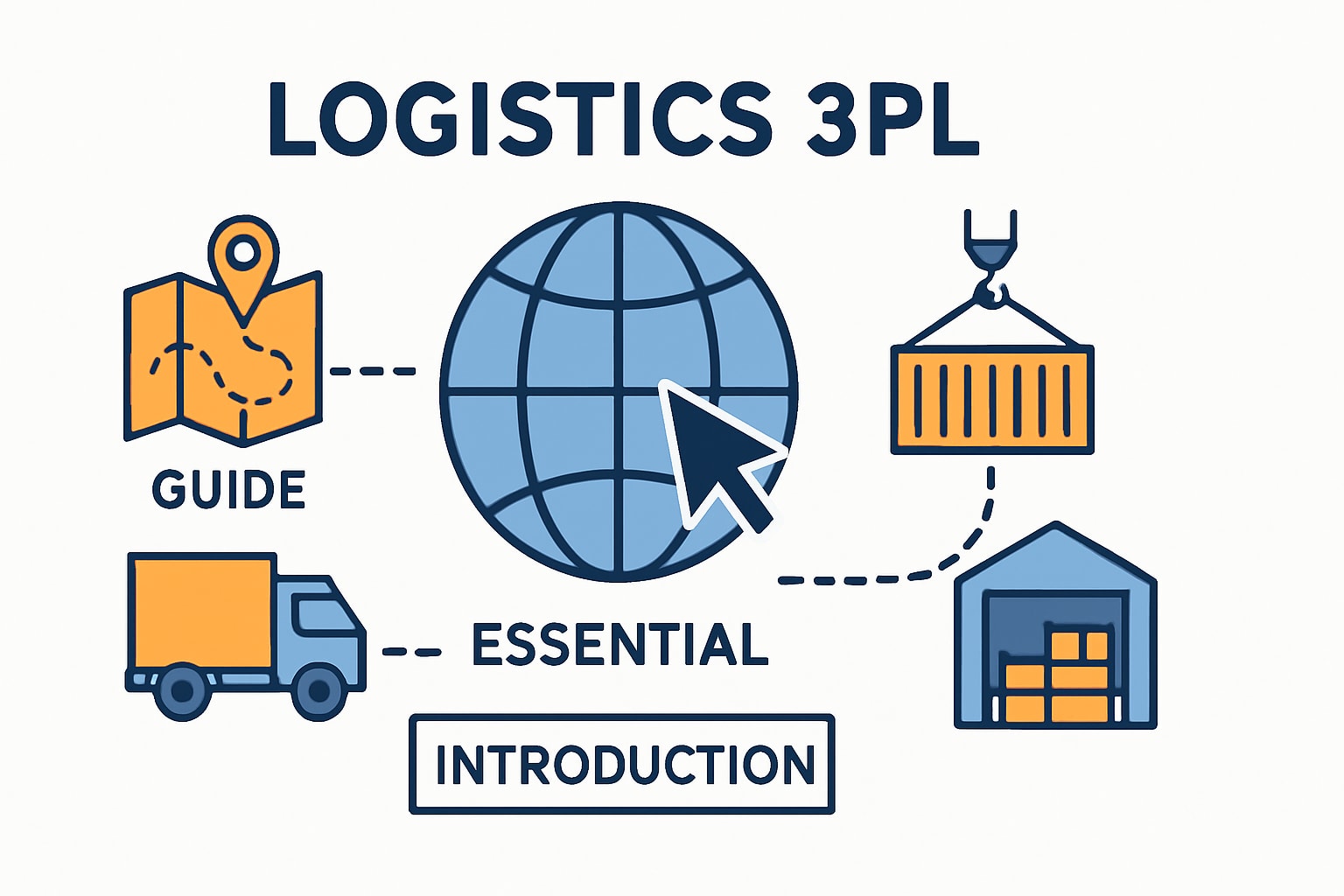
In 2026, the logistics landscape is evolving faster than ever, driven by technology and rising customer expectations. Companies face immense pressure to deliver smarter, faster, and more resilient supply chains.
This guide unpacks the world of logistics 3pl, offering business leaders, supply chain managers, and logistics professionals the insights needed to stay ahead. You will discover definitions, current trends, core services, benefits and challenges, guidance on selecting a partner, and predictions for the future. Ready to turn logistics into your competitive edge? Dive in for expert knowledge to harness the power of 3PL partnerships.
In the rapidly evolving world of logistics 3pl, understanding the fundamentals and future direction of third-party logistics is essential for businesses aiming to thrive in 2026. As supply chains become more intricate, organisations increasingly seek external support to streamline operations and maintain competitiveness.

At its core, logistics 3pl involves outsourcing logistics activities, such as transport, warehousing, and order fulfilment, to external experts. This partnership allows businesses to focus on core competencies while leveraging specialist capabilities.
To clarify the spectrum of logistics providers, consider the following comparison:
| Provider Type | Description | Scope of Service |
|---|---|---|
| 1PL | Direct shipper (manufacturer/retailer) | Own products, own delivery |
| 2PL | Asset-based carrier | Transport only |
| 3PL | Service provider | Warehousing, transport, fulfilment |
| 4PL | Supply chain orchestrator | Manages multiple 3PLs |
| 5PL | E-business integrator | End-to-end, tech-driven |
3PLs typically manage a range of functions, from inventory management and cross-docking to packing and distribution. The growing complexity of global supply chains has driven a surge in organisations outsourcing these services. In fact, a rising number of businesses across retail, manufacturing, and e-commerce are now relying on 3PLs to handle scalable fulfilment. For example, many e-commerce brands use logistics 3pl providers to adapt quickly to fluctuating demand.
The logistics 3pl sector is experiencing significant transformation as automation and intelligent technologies become mainstream. Warehouses are increasingly deploying robotics for faster order picking and inventory movement. AI and machine learning now support precise demand forecasting and inventory optimisation, reducing both overstocking and stockouts.
Another emerging trend is the expansion of logistics 3pl services into specialised industries, such as healthcare, automotive, and high-tech. Providers are also shifting towards integrated, end-to-end solutions that offer seamless visibility from supplier to customer. Sustainability is high on the agenda, with 3PLs investing in green logistics and eco-friendly practices.
For a deeper dive into these trends, including how technology and sustainability are reshaping the industry, see 3PL industry trends for 2026. Consider the example of XXL warehouses, where fleets of robots work alongside staff to speed up fulfilment and increase accuracy.
Today’s logistics 3pl providers act as true business partners, not just external service vendors. By taking on critical supply chain functions, they enable companies to scale, reach new markets, and deliver exceptional customer experiences.
However, outsourcing logistics requires careful consideration. While businesses gain flexibility and efficiency, they must also balance this with the challenge of relinquishing some direct oversight. The key is to establish clear service agreements and maintain strong communication channels.
Strategic use of logistics 3pl can unlock substantial growth, but success depends on selecting a partner who aligns with your goals and can adapt to changing demands. As the landscape continues to evolve, companies that embrace collaborative 3PL relationships will be best positioned for resilience and expansion.
Modern logistics 3pl solutions have become the backbone of resilient and scalable supply chains. As businesses face rising customer expectations and global market pressures, partnering with the right 3PL provider is essential for operational efficiency and growth. Let us explore the core services that define advanced logistics 3pl strategies in 2026.

Warehousing and distribution are foundational elements of logistics 3pl. Leading 3PLs operate multi-location facilities to position inventory closer to customers, reducing delivery times and transportation costs. Cross-docking enables rapid transfer of goods, minimising storage needs and accelerating order fulfilment.
For businesses expanding globally, 3PLs offer extensive warehouse networks, often integrated with freight forwarding solutions for 3PL. This connectivity streamlines international shipping and customs clearance, making logistics 3pl a powerful driver of global reach.
Order fulfilment in logistics 3pl covers every step from receiving products to final delivery. 3PL providers handle picking, packing, and shipping, ensuring accuracy and speed.
Value-added services set modern 3PLs apart. These include kitting, assembly, white-glove delivery, and installation. Many logistics 3pl partners customise solutions for sectors like retail or technology, adapting fulfilment processes to meet unique requirements.
Real-time inventory management is a hallmark of advanced logistics 3pl. Using cloud-based platforms and AI, 3PLs provide up-to-the-minute visibility into stock levels across all locations.
AI-driven demand forecasting helps optimise stock placement, preventing overstocking and stockouts. Businesses benefit from accurate replenishment cycles, supporting both lean operations and customer satisfaction.
Expedited shipping is a key advantage of logistics 3pl providers. Many offer same-day, next-day, or two-day delivery by leveraging partnerships with major carriers and their own fleets.
Flexible carrier selection and volume discounts help control costs. With logistics 3pl, businesses can adapt quickly to demand spikes, seasonal changes, and urgent shipping needs, maintaining fast and reliable service.
Reverse logistics is critical for customer retention in e-commerce and retail. Logistics 3pl partners manage returns, exchanges, and restocking with streamlined processes that reduce costs and complexity.
Efficient returns handling minimises customer friction and supports sustainability by enabling product refurbishment or recycling. The right 3PL ensures the returns experience is as seamless as outbound shipping.
Technology is transforming logistics 3pl operations. Leading providers deploy warehouse robotics, IoT sensors, and AI-powered systems for order picking, inventory tracking, and route optimisation.
Seamless integration with e-commerce platforms, ERP, and WMS ensures data flows smoothly across the supply chain. Automation not only boosts efficiency but also enhances visibility and decision-making for logistics 3pl users.
Industry-specific solutions are increasingly important in logistics 3pl. Providers tailor services for sectors such as automotive, pharmaceuticals, and retail, ensuring compliance with regulations and industry standards.
These specialised offerings might include temperature-controlled storage, hazardous materials handling, or secure chain-of-custody protocols. By aligning with industry needs, logistics 3pl partners help businesses achieve both operational excellence and regulatory compliance.
Navigating the logistics 3pl landscape brings both significant advantages and unique challenges for modern businesses. Understanding these factors is essential for making informed partnership decisions and achieving sustainable supply chain success.

A logistics 3pl partnership can transform business operations by unlocking a range of core benefits. First, companies often see a dramatic reduction in logistics costs, as there is no longer a need to maintain in-house infrastructure or fleets.
Another advantage is enhanced delivery speed and reliability. Many 3PLs achieve on-time delivery rates above 97 percent, helping businesses exceed customer expectations. Access to logistics industry expertise allows companies to tap into proven best practices, leading to more efficient and resilient supply chains.
Scalability is also a major benefit. With logistics 3pl providers, businesses can quickly adjust operations to meet seasonal or unexpected spikes in demand. As a result, customer satisfaction and brand loyalty grow thanks to faster, more reliable service.
For example, VAHDAM India reduced fulfilment costs by 15 percent and supported a 400 percent year-on-year sales increase after engaging a 3PL partner.
Despite the advantages, engaging a logistics 3pl provider introduces operational and strategic hurdles. One key challenge is the loss of direct control over logistics processes. This can make it harder to enforce brand standards or respond to issues swiftly.
Data sharing and system integration pose another risk. Businesses must ensure that sensitive information is protected and that technology platforms work seamlessly together. There is also the potential for misalignment between company goals and the capabilities or priorities of the 3PL provider.
Dependence on the provider’s performance and network resilience is a real concern, especially if disruptions occur. Internal resistance to outsourcing and managing organisational change can further complicate the transition. For a deeper look at these issues, see this helpful overview of the challenges faced by 3PL providers.
To maximise the benefits of logistics 3pl partnerships while managing risks, businesses must maintain strong oversight. Strategies include setting clear service level agreements and KPIs to measure performance objectively.
Regular business reviews and transparent communication are vital for collaborative planning. Many organisations use dashboards and real-time tracking tools to retain visibility and control over outsourced logistics activities.
By actively managing the partnership, companies can address issues promptly and ensure alignment with evolving business needs. This balance of risk and reward is critical for long-term supply chain resilience and growth.
Choosing when and how to engage a logistics 3pl provider depends on company goals and resources. Outsourcing is often most beneficial for businesses struggling with order volume, seeking international expansion, or requiring specialised expertise.
3PLs play a crucial role in supporting cross-border trade and adapting to regulatory requirements in new markets. Importantly, solutions can be tailored to fit businesses of all sizes, from start-ups to established enterprises.
The flexibility and scalability of logistics 3pl services make them an attractive option for organisations looking to future-proof their supply chains and remain competitive in a rapidly changing market.
Selecting the right logistics 3pl partner is a pivotal decision for any business aiming to optimise its supply chain. A methodical approach helps ensure that your chosen provider aligns with your operational needs, growth targets, and customer expectations. Follow this structured guide to make a confident, informed choice.
Begin by identifying your core logistics 3pl requirements. Consider current pain points, such as slow fulfilment or inventory inaccuracies. Define your business goals, whether it is rapid scaling, international expansion, or improving customer service.
Ask questions like:
A clear understanding of objectives ensures your logistics 3pl partner search is targeted and strategic.
Next, create a shortlist of providers based on sector experience, geographic reach, and service portfolio. Look for logistics 3pl companies with proven expertise in your industry and the ability to handle your expected volumes.
Key criteria to evaluate:
A focused shortlist makes the evaluation process more manageable and effective.
Compare each logistics 3pl provider’s core services, from warehousing options to value-added offerings like kitting or custom packaging. Assess their technology stack, including automation, robotics, and digital platforms.
A comparison table can help clarify differences:
| Criteria | Provider A | Provider B | Provider C |
|---|---|---|---|
| Fulfilment Speed | Next-day | Same-day | 2-day |
| Automation Level | High | Medium | High |
| Industry Specialisation | Retail | Pharma | Automotive |
Prioritise providers with strong digital integration for seamless operations.
Review cost structures, including pricing models, volume discounts, and bundled services. Scrutinise contract terms, SLAs, and exit clauses to ensure flexibility as your logistics 3pl needs evolve.
Consider:
A clear understanding of costs and commitments helps avoid unexpected expenses or restrictive agreements.
Request client references, case studies, and performance data from each logistics 3pl provider. Key metrics to examine include on-time delivery rates, order accuracy, and scalability.
Questions to ask references:
Validating provider performance reduces risk and builds confidence in your decision.
Ensure the logistics 3pl partner can integrate smoothly with your existing systems, such as e-commerce platforms, ERP, or warehouse management software. Agree on communication protocols and escalation processes to address challenges promptly.
Checklist for onboarding:
A structured onboarding process accelerates the benefits of your new logistics 3pl relationship.
Establish clear KPIs and schedule regular performance reviews with your logistics 3pl provider. Use dashboards and tracking tools for real-time visibility.
Areas to monitor:
Continuous improvement and open dialogue keep your logistics 3pl partnership aligned with evolving business goals.
Consider a business that selected a logistics 3pl partner based solely on cost, only to face delayed shipments and lost orders due to inadequate technology integration. In contrast, another company chose a provider with advanced digital tools and robust onboarding, resulting in improved visibility and operational efficiency.
Common pitfalls include:
Avoiding these mistakes ensures your logistics 3pl investment supports long-term growth and resilience.
The future of logistics 3pl is shaped by a fusion of advanced technology, sustainability, and evolving customer demands. As 2026 approaches, new innovations are transforming how supply chains operate, offering businesses greater agility and resilience. Let us explore the trends set to define the next era of logistics 3pl.
Artificial intelligence, machine learning, and predictive analytics are at the heart of logistics 3pl innovation. These tools drive smarter inventory management and route planning, reducing delays and costs. Robotics and automation enhance warehouse efficiency, while IoT enables real-time tracking of assets and shipments. Platforms like Air cargo charter innovations highlight how digital solutions are streamlining urgent logistics 3pl services for faster, more reliable deliveries.
Eco-friendly practices are now a core focus for logistics 3pl providers. Warehouses are adopting solar panels, energy-efficient lighting, and smart climate controls. Electric delivery fleets and carbon-neutral operations are becoming standard. Businesses are also demanding transparent sustainability reporting to meet environmental goals. These green initiatives not only reduce emissions but also appeal to increasingly conscious consumers, making sustainability a competitive advantage for logistics 3pl.
The rise of hyper-personalisation is changing how logistics 3pl providers serve their clients. Solutions are tailored to the unique needs of sectors like healthcare, automotive, and e-commerce. Innovations in last-mile delivery, such as drones and autonomous vehicles, ensure faster and more accurate deliveries. By customising offerings, logistics 3pl partners help businesses meet specific regulatory requirements and deliver superior customer experiences.
As global trade expands, logistics 3pl networks are growing to support cross-border commerce and new markets. Providers are investing in robust risk management strategies to handle disruptions caused by pandemics, geopolitical events, or natural disasters. The global reach of logistics 3pl enables businesses to diversify supply chains and maintain continuity, even in uncertain times. Forward-thinking companies use logistics 3pl to enter new regions with confidence and agility.
Real-time analytics empower logistics 3pl professionals to make proactive adjustments along the supply chain. Predictive analytics help optimise inventory placement and forecast demand, reducing both costs and stockouts. With access to accurate, actionable data, decision-makers can respond quickly to market changes, keeping operations efficient and customers satisfied. This shift towards data-driven logistics 3pl is unlocking new levels of performance.
Despite the rise of automation, expert human oversight remains crucial in logistics 3pl. Skilled professionals interpret complex data, manage exceptions, and ensure technology aligns with business goals. The industry is investing in upskilling staff to handle advanced tools and processes. By balancing digital innovation with human expertise, logistics 3pl providers deliver dependable solutions in a rapidly changing environment.
Air cargo charter solutions have become indispensable within logistics 3pl, especially for businesses facing urgent or high-value shipping needs. As global supply chains grow more complex, the ability to secure dedicated air transport at a moment’s notice is a major competitive advantage for 3PLs and their clients.
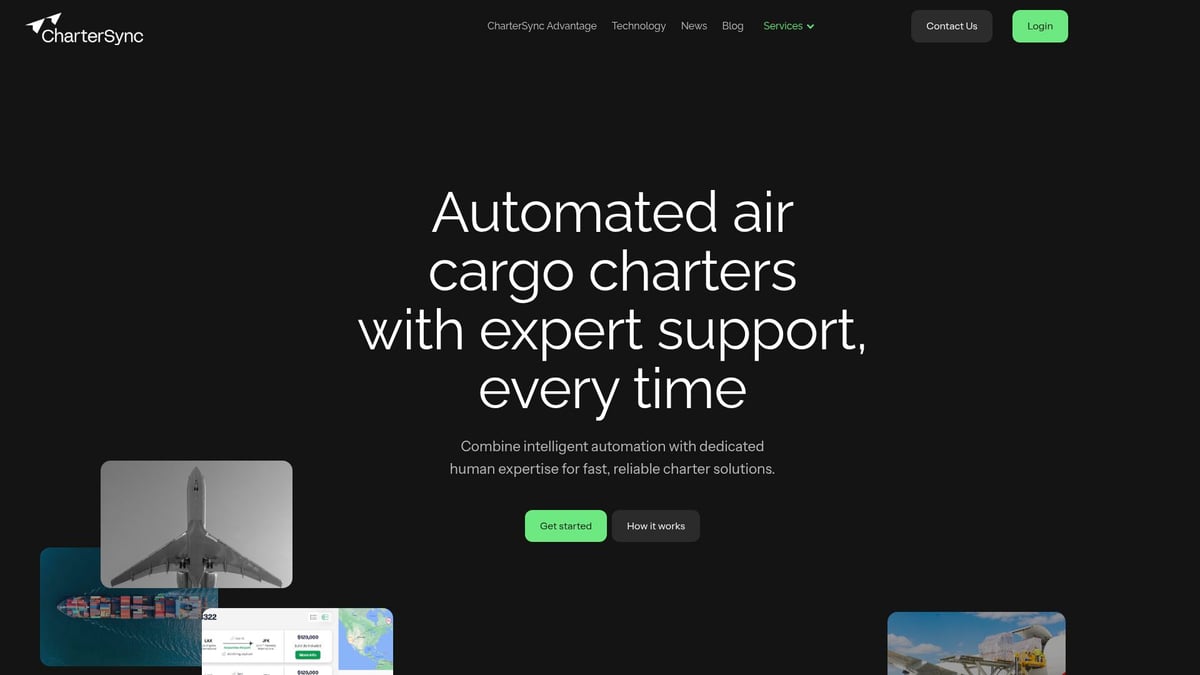
Today’s leading air cargo charter platforms, like CharterSync, harness automation and smart technology to transform the logistics 3pl landscape. These platforms connect freight forwarders and logistics providers directly with a global network of aircraft, automating the process of sourcing, booking, and tracking time-critical shipments. This shift reduces manual effort, minimises delays, and ensures greater transparency across the entire supply chain.
AI-powered tools are integral to this transformation. They match cargo requirements to the most suitable aircraft, generate instant quotes, and provide real-time tracking for every shipment. By integrating these digital capabilities, logistics 3pl professionals gain faster responses, lower error rates, and the ability to adapt quickly to changing client demands. For a closer look at how technology is driving industry leadership, see CharterSync's role in logistics.
Combining intelligent automation with expert human oversight is crucial for reliability and trust. While AI handles complex data and optimises routes, experienced professionals ensure that sensitive or specialised cargo—such as pharmaceuticals, automotive components, or high-tech equipment—is handled with care and compliance. This partnership delivers the best of both worlds to logistics 3pl operations.
Several industries rely on air cargo charter for their most challenging logistics scenarios. Automotive manufacturers use it to ship critical parts and avoid costly production delays. Pharmaceutical companies depend on rapid, temperature-controlled transport for medicines and vaccines. High-tech firms move prototypes and components worldwide, often under tight deadlines that only air charter can meet.
Digital air cargo platforms offer measurable benefits for logistics 3pl providers. These include instant access to a global fleet, reduced manual processes, and enhanced operational efficiency. Automated quoting and booking save time, while real-time tracking improves customer confidence and satisfaction. To explore the advantages in more detail, read about the benefits of air cargo charter.
A real-world example illustrates this impact. Freight forwarders using CharterSync have met tight deadlines and managed complex, high-value cargo with ease, supporting client growth and resilience. As digital platforms continue to evolve, they are set to play an even greater role in shaping the future of logistics 3pl, enabling faster, smarter, and more reliable supply chains.
As we look ahead to 2026, it’s clear that staying agile and leveraging the latest technology is key to building a resilient logistics strategy. If you’re ready to see how intelligent automation and expert support can transform your air cargo operations—especially for time critical or high value shipments—why not experience it first hand? You can discover how CharterSync’s platform streamlines bookings, matches aircraft instantly, and ensures reliability for your most complex logistics needs. Let’s explore how you can future proof your supply chain together—request a demo.

.png)