.png)
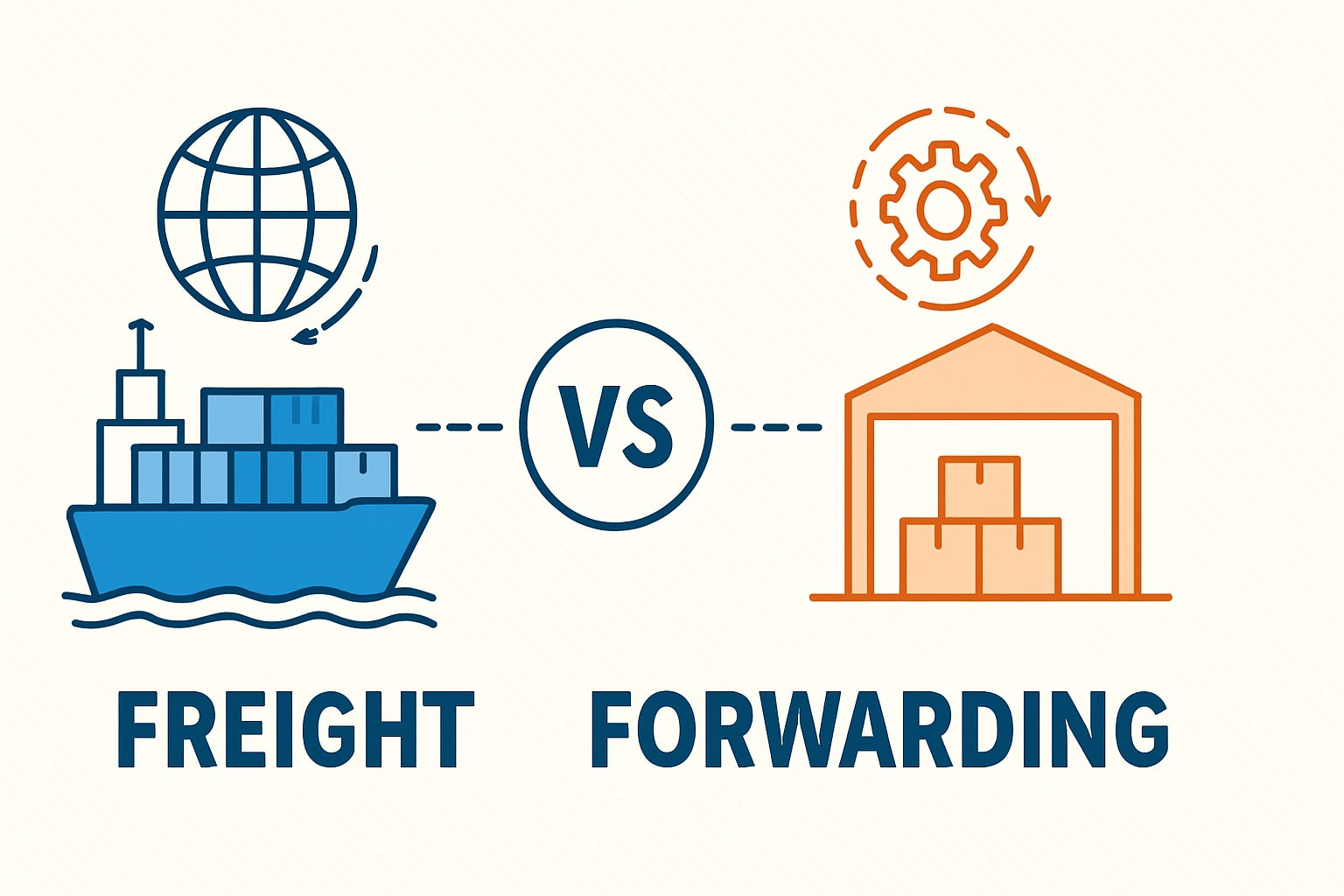
In today's fast-evolving global supply chain, the difference between freight and forwarding and logistics has never been more important for businesses aiming to stay competitive in 2026. Many companies struggle to distinguish these roles, risking costly inefficiencies and missed opportunities.
This article offers a clear, up-to-date comparison, revealing how freight and forwarding and logistics overlap, where they diverge, and why these distinctions matter. Expect practical insights, real-world examples, and fresh 2026 market data. Use these findings to make informed decisions and optimise your supply chain strategies for the future.
Understanding the difference between freight and forwarding and logistics is essential for navigating the modern supply chain. These two pillars work together to ensure goods move efficiently from origin to destination, yet each plays a distinct role. Let us break down their definitions, core responsibilities, and where their services overlap.

Freight and forwarding refers to the specialised coordination and shipment of goods from one point to another, often involving multiple carriers and transport modes. A freight forwarder acts as an intermediary, bridging the gap between shippers and transportation providers. Their core services typically include:
For example, a freight forwarder may arrange multimodal transport for goods moving from a UK warehouse to a client overseas, ensuring each leg of the journey runs smoothly. Freight forwarders often leverage strong industry relationships to secure competitive rates and optimal routes. In 2023, the UK freight forwarding market was valued at over £15 billion, with growth expected to continue. For a deeper look at efficient booking processes, see these freight booking best practices.
Logistics is the comprehensive management of the flow of goods, information, and resources from the point of origin to the end consumer. The logistics sector encompasses a wide range of activities, including:
A logistics provider might oversee everything from storage and packing to last-mile delivery for an e-commerce retailer, offering a seamless experience for both business and customer. Increasingly, logistics companies provide end-to-end solutions, integrating advanced technology for greater efficiency and transparency. The logistics sector is a significant employer in the UK, with over 2.5 million people working in this industry as of 2023. As the demands on supply chains grow, logistics providers remain crucial to business success, working closely with freight and forwarding specialists.
While both freight and forwarding and logistics share the goal of delivering goods on time and at the best cost, their focus areas differ. Freight forwarding is centred on arranging transport and handling documentation, while logistics covers the entire supply chain, including warehousing, inventory, and distribution.
There are companies that offer both services, blurring traditional boundaries. For example, a logistics provider may also act as a freight forwarder for international shipments, providing a unified solution. Understanding these key distinctions allows businesses to choose the right partners, ensuring no gaps in their supply chain strategy. In today’s landscape, recognising where responsibilities overlap is vital for seamless operations and maximising value.
Understanding the core functions of freight and forwarding specialists compared to logistics providers is crucial for businesses navigating the complexities of modern supply chains. Each plays a distinct role, yet their responsibilities increasingly overlap as customer needs evolve and technology advances.

Freight and forwarding companies act as expert coordinators, ensuring goods move smoothly from origin to destination across borders and modes of transport. Their primary responsibilities include:
A freight and forwarding agent often leverages strong industry relationships to obtain competitive rates and efficient routes. For example, a UK-based forwarder might manage multimodal transport for a manufacturer exporting machinery to Asia, coordinating every detail from paperwork to tracking.
Freight forwarders excel when shipments are complex, cross-border, or require multimodal solutions. Their expertise is especially valuable for businesses with specialised or high-value goods, where compliance and timing are critical.
Logistics providers offer a broader suite of services, managing the flow of goods, information, and resources throughout the supply chain. Their core functions extend beyond freight and forwarding, covering:
For instance, a logistics provider may oversee end-to-end operations for a retail chain, handling everything from stock replenishment to customer returns. Increasingly, logistics firms integrate technology and automation to boost efficiency and accuracy.
The logistics sector employs over 2.5 million people in the UK, reflecting its expansive role in supporting commerce. Providers who incorporate robust digital tools, such as warehouse robotics and integrated management systems, are particularly well-positioned to meet rising customer expectations.
A logistics partner can manage both the physical and informational flows, offering holistic solutions that simplify operations for businesses of all sizes. This broader remit distinguishes logistics from the more transport-focused freight and forwarding function.
The distinction between freight and forwarding and logistics is not always clear-cut. Many providers now offer integrated services, blurring traditional boundaries.
Consider a scenario where a 3PL manages warehousing, inventory, and international shipping for an e-commerce brand. Here, both freight and forwarding and logistics expertise are essential to ensure seamless service.
As digital technology advances, the line between these sectors continues to fade. Platforms that unify booking, tracking, and inventory management are transforming the industry. For a deeper dive into how technology is shaping these core functions, see Air cargo charter technology trends.
Ultimately, businesses should assess each provider’s capabilities and specialisations. Understanding where freight and forwarding and logistics overlap helps avoid confusion and ensures optimal service selection.
| Function | Freight Forwarders | Logistics Providers | Overlap Areas |
|---|---|---|---|
| Route Planning | ✔️ | ✔️ | Yes |
| Carrier Negotiation | ✔️ | Sometimes | Yes |
| Documentation | ✔️ | Sometimes | Yes |
| Warehousing | Sometimes | ✔️ | Yes |
| Customs Brokerage | ✔️ | ✔️ | Yes |
| Inventory Management | ✔️ | Occasionally | |
| Last-Mile Delivery | ✔️ | Occasionally | |
| Supply Chain Analytics | ✔️ | Increasingly |
The freight and forwarding sector is undergoing a rapid digital transformation in 2026, fundamentally reshaping how goods move across borders and through supply chains. Technology is no longer a mere support function—it sits at the heart of operational excellence for both freight forwarders and logistics providers.

Digitalisation is revolutionising freight and forwarding by putting powerful new tools into the hands of shippers and service providers. Online booking platforms now allow businesses to compare rates, secure space, and confirm shipments in real time.
Automated document management systems are streamlining customs processes. E-customs clearance reduces delays and minimises human error. Predictive analytics tools use shipment data to forecast risks and optimise transit times, helping freight and forwarding firms stay ahead.
AI-powered route optimisation is becoming a standard feature. These systems analyse traffic patterns, weather, and capacity to find the most efficient paths for multimodal shipments. Digital freight marketplaces are also on the rise, connecting shippers with a global network of carriers instantly.
For example, a UK-based exporter can now arrange a multimodal shipment to Asia in minutes, tracking each stage through a single dashboard. In 2026, the adoption of advanced digital platforms is expected to drive even greater transparency and customer control throughout the freight and forwarding process.
To explore these developments further, see this detailed look at Digital Transformation in Freight Forwarding.
The logistics sector is embracing cutting-edge technologies to meet growing customer demands. Warehouse automation is at the forefront, with robotics handling picking and packing tasks, while inventory drones conduct rapid, accurate stock checks.
IoT sensors are being deployed throughout the supply chain. They provide real-time monitoring of assets, temperature, and location, ensuring goods remain secure and compliant. Integrated supply chain management systems (SCMS) offer end-to-end visibility, allowing logistics providers to track orders, manage exceptions, and generate detailed analytics.
Digital twins are gaining traction in 2026. These virtual models mirror real-world supply chains, enabling simulations and scenario planning. Blockchain technology is also being implemented to secure transactions and validate shipments, reducing fraud and improving trust.
For example, a logistics provider managing retail fulfilment can now automate replenishment and returns, ensuring inventory accuracy and fast delivery. The investments in technology are not just about efficiency—they are about exceeding expectations in a competitive freight and forwarding landscape.
The boundary between freight and forwarding and logistics is fading as integrated digital platforms become the industry standard. These platforms combine booking, tracking, inventory management, and analytics into one seamless interface, simplifying the management of complex supply chains.
A single dashboard now allows businesses to coordinate global shipments, monitor warehouse stock, and analyse delivery performance in real time. This convergence supports agility and rapid decision-making, key traits in the 2026 marketplace.
It is projected that over 60 percent of UK freight and forwarding and logistics companies will operate through unified digital platforms by 2026. The ability to manage every aspect of the supply chain from a single system is becoming a decisive factor in provider selection.
Firms that prioritise digital partnerships and invest in these platforms are better positioned to adapt to market changes. In a fast-paced environment, digital transformation is the differentiator that sets leaders apart in the freight and forwarding sector.
The world of freight and forwarding is undergoing rapid transformation as we approach 2026. Businesses face shifting demands, evolving regulations, and an increasingly complex provider landscape. To remain competitive, understanding these trends is essential.
In 2026, customer expectations are higher than ever across the freight and forwarding landscape. Businesses demand real-time visibility on shipments, transparent communication, and flexible delivery schedules. The surge in e-commerce and direct-to-consumer models means logistics providers must deliver on speed and accuracy, often with same-day or next-day options.
Retailers, for example, now expect advanced tracking and rapid response for every shipment. This shift places pressure on both freight and forwarding specialists and logistics companies to invest in technology that offers end-to-end supply chain transparency. According to industry projections, over 40% of UK shipments will require enhanced tracking and flexible delivery by 2026.
To meet these demands, providers are integrating AI and predictive analytics, streamlining processes, and proactively addressing issues. For further insights, see AI and Predictive Analytics in Freight Forwarding. Businesses choosing partners in freight and forwarding must evaluate whether providers can meet these rising expectations.
Regulatory changes continue to reshape the freight and forwarding industry. The aftermath of Brexit, new customs procedures, and updated international trade agreements add layers of complexity to cross-border operations. Compliance is now a critical differentiator, as businesses seek partners who can navigate evolving rules without disruption.
Sustainability is equally influential. Companies are under increased pressure to reduce carbon emissions and adopt eco-friendly packaging. In response, many logistics providers are rolling out electric vehicles, investing in carbon offset programmes, and implementing green warehousing solutions. These efforts not only address environmental concerns but also meet the expectations of customers and regulators alike.
For a deeper look at eco-friendly practices, visit Sustainability in Freight Forwarding. In 2026, balancing cost, compliance, and sustainability will become a core consideration when selecting freight and forwarding partners.
The provider landscape in freight and forwarding is changing at pace. The rise of fourth-party logistics (4PL) firms is notable, offering complete supply chain orchestration for businesses seeking simplicity and integration. Meanwhile, traditional freight and forwarding specialists and logistics companies are consolidating, forming larger entities capable of delivering a broader range of services.
Niche expertise is becoming a key differentiator. Providers focusing on sectors like pharmaceuticals or high-tech goods can offer tailored solutions that address industry-specific challenges. At the same time, digital platforms are enabling seamless collaboration between shippers, carriers, and service providers, driving efficiency and resilience.
In summary, the freight and forwarding sector in 2026 is defined by adaptability. Businesses that understand these trends and choose the right partners will be well-positioned for success.
Choosing between freight and forwarding and logistics solutions is a pivotal decision for businesses in 2026. The right partnership can streamline supply chains, control costs, and boost customer satisfaction, while the wrong fit may lead to delays and inefficiencies. Let us explore how to assess your requirements, evaluate providers, and leverage air cargo charter platforms for a competitive edge.
Identifying your priorities is the first step in choosing between freight and forwarding and logistics providers. Consider the scale, complexity, and regulatory environment of your supply chain. If your business regularly ships goods overseas or manages multi-modal transport, freight and forwarding expertise is essential. For end-to-end operations, including warehousing and fulfilment, a logistics provider may be the better match.
Here is a quick comparison to help clarify the decision:
| Business Scenario | Best Fit | Why |
|---|---|---|
| International, multi-modal exports | Freight and forwarding | Expertise in customs, documentation, and routing |
| UK-wide e-commerce fulfilment | Logistics provider | Warehousing, inventory, and last-mile delivery |
| Complex regulatory requirements | Freight and forwarding | Navigates compliance and cross-border regulations |
| Integrated supply chain needs | Logistics provider | Offers bundled, tech-driven solutions |
For example, a machinery manufacturer exporting to Europe will benefit from a freight and forwarding specialist with deep customs knowledge. In contrast, an online retailer fulfilling thousands of domestic orders should prioritise logistics partners with robust warehousing and delivery networks.
Understanding these distinctions prevents costly mismatches and ensures your business receives the right level of support.
Once you know your requirements, evaluating potential freight and forwarding or logistics partners becomes crucial. Focus on these core criteria:
Compare how providers handle urgent shipments, scale with your growth, and integrate with your existing systems. In 2026, seamless digital experiences will set market leaders apart. According to the Freight Forwarding Industry Outlook 2025-2034, advancements in AI and blockchain are rapidly transforming freight and forwarding, making provider tech investment a crucial consideration.
Choosing a provider that aligns with your business goals, technological expectations, and growth plans ensures a resilient and future-ready supply chain.
Air cargo charter platforms are changing the landscape of freight and forwarding, especially when time is of the essence. These digital solutions bridge the gap between traditional freight and forwarding and logistics by offering rapid, flexible, and transparent booking for urgent or complex shipments.
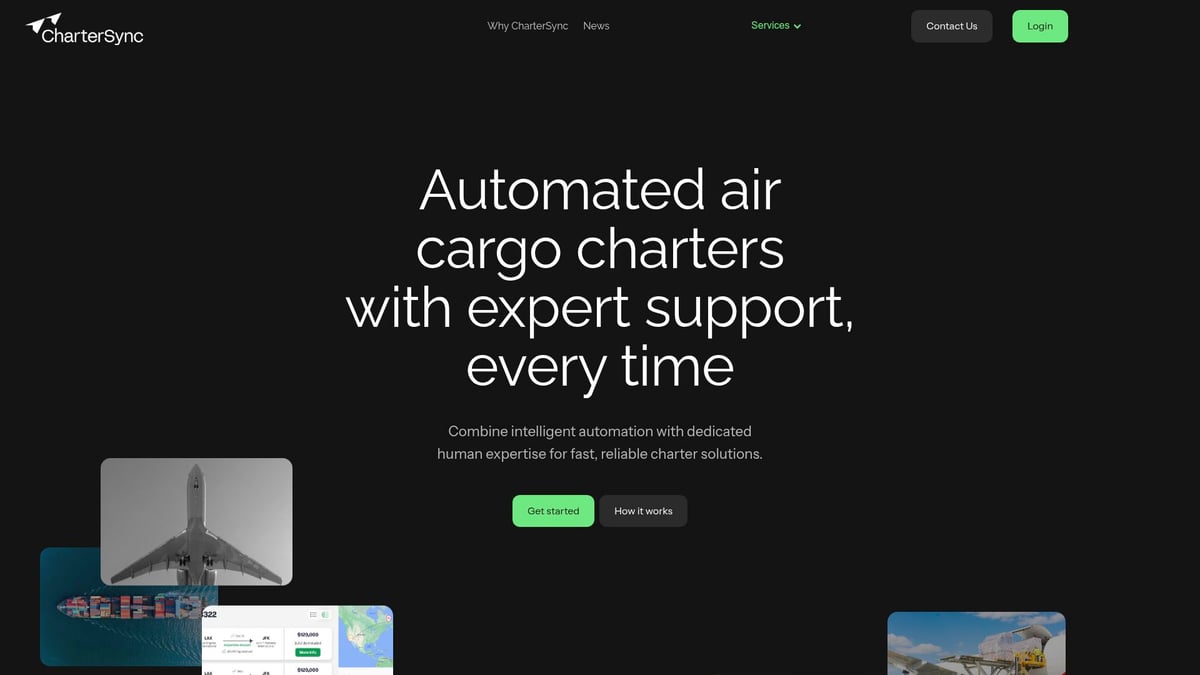
CharterSync, for instance, leverages AI to match cargo with the best aircraft options, streamlining processes for freight and forwarding professionals. Imagine a scenario where automotive parts must reach a European factory within hours; using a platform like CharterSync, a freight and forwarding provider can secure the right aircraft and manage the entire process with real-time visibility and support.
The benefits are clear: faster response times, transparent costs, and access to a global network. For more on how these platforms empower supply chains, see Why choose air cargo charter. As supply chains demand greater speed and flexibility in 2026, these digital air cargo solutions are set for significant growth.
As we’ve explored, understanding the difference between freight forwarding and logistics is key to building a more agile, future-ready supply chain. If you’re looking to put these 2026 insights into practice and see how intelligent automation can streamline your air cargo operations, why not experience it first-hand? You can discover how CharterSync’s platform blends smart technology with expert support to give freight forwarders a real competitive edge. If you’re curious about optimising your bookings, improving response times, or just want to see what’s possible for your business, request a demo and see the benefits for yourself.

.png)