.png)
Global trade is changing faster than ever, with the freight forwarding industry facing significant transformation as we head into 2026. Every shipment, route, and regulation is evolving, creating new challenges and opportunities for businesses worldwide.
This guide offers a comprehensive look at the forwarder, covering everything from core definitions to the latest trends, technologies, and compliance requirements. You will discover the essential responsibilities of a forwarder, how to select the right partner, and what digitalisation means for your supply chain.
Stay ahead by understanding the industry shifts that matter most. Whether you are a seasoned logistics manager or new to global trade, these practical insights will help you make informed decisions in a rapidly changing environment.
A forwarder, often called a freight forwarder, is a specialist in organising and managing the movement of goods across international borders. According to the Cambridge Dictionary, a forwarder is "a person or company that organises shipments for individuals or corporations." This role is pivotal in the logistics sector, ensuring cargo moves efficiently from origin to destination. For a deeper look at definitions and essential responsibilities, see Understanding Freight Forwarders.

The forwarder is not a carrier, nor simply a broker. Carriers physically transport goods, while brokers connect shippers with carriers. In contrast, a forwarder acts as an architect of the logistics process, orchestrating every stage of cargo movement.
| Role | Main Function | Direct Cargo Handling | Documentation | Customs Clearance |
|---|---|---|---|---|
| Forwarder | Arranges and manages transport | No | Yes | Yes |
| Carrier | Transports cargo | Yes | Limited | No |
| Broker | Matches shippers with carriers | No | Sometimes | No |
Forwarders bring together carriers, customs agents, insurers, and warehouses, providing a single point of contact for clients.
The forwarder’s responsibilities are wide-ranging and crucial. These include:
For example, a forwarder might book cargo space with multiple carriers, negotiate freight rates on behalf of clients, and track goods until final delivery. This comprehensive approach ensures shipments are not delayed or held at borders due to missing paperwork or regulatory issues.
Forwarders are essential intermediaries in global trade. They streamline supply chains, reduce complexity, and help businesses navigate ever-changing international regulations. According to industry reports, forwarders are responsible for managing around 40% of global shipments, highlighting their scale and influence.
It is important to distinguish between freight forwarders, cargo forwarders, and shipping agents. Freight forwarders manage the entire logistics process. Cargo forwarders often focus on specific types of goods, while shipping agents typically act on behalf of shipping lines in port activities.
In summary, the forwarder acts as the linchpin of international logistics, enabling goods to cross borders smoothly and compliantly. Their expertise minimises risk, saves time, and helps businesses thrive in a complex, interconnected world.
In 2026, the forwarder remains at the heart of global logistics, seamlessly connecting shippers and consignees across continents. The evolving landscape means the forwarder’s core responsibilities are broader and more complex than ever. From transport management to compliance and risk mitigation, each function is critical for ensuring goods arrive efficiently and compliantly. Let’s explore the essential roles that define forwarders in today’s dynamic environment.

A forwarder’s primary responsibility is organising and managing the movement of goods using various modes of transport. In 2026, most forwarders coordinate multi-modal solutions, combining air, sea, road, and rail to optimise routes and costs. For example, a forwarder might handle a shipment from the UK to Asia by booking sea freight for the main leg and arranging air transport for urgent components.
Efficient scheduling and delivery management are essential for meeting client deadlines. Forwarders work closely with carriers, warehouses, and other logistics partners to ensure smooth handovers and minimal delays. According to recent industry data, over 60% of shipments in 2026 use at least two modes of transport, reflecting the growing need for integrated solutions.
By leveraging digital platforms, forwarders can quickly compare options, negotiate freight rates, and secure cargo space. This proactive coordination not only reduces costs but also shortens transit times, helping businesses remain competitive. For a deeper dive into these operational fundamentals, see Freight Forwarding Explained.
The forwarder is responsible for preparing and managing all shipping documents, such as bills of lading, commercial invoices, and packing lists. Accurate documentation is critical for smooth transit and customs clearance. Without proper paperwork, shipments risk being held at borders or incurring costly fines.
Navigating customs requirements is increasingly complex, especially with evolving international regulations. Forwarders ensure compliance by obtaining the correct import and export permits, certificates of origin, and other mandatory documents. For instance, a forwarder can prevent delays by proactively verifying that all forms align with current customs standards.
In 2026, digital document management allows forwarders to streamline processes and minimise human error. This focus on compliance protects clients from regulatory risks and keeps supply chains moving efficiently.
Every forwarder must advise clients on the best insurance coverage for their shipments. Risks such as loss, damage, or theft remain significant concerns, especially for high-value or sensitive cargo.
The forwarder assesses the specific risks associated with the cargo type, chosen route, and any geopolitical factors. If an incident occurs, the forwarder manages the claims process, acting as an advocate for the client. For example, a forwarder arranging insurance for a shipment of electronics ensures that potential hazards, like theft or water damage, are covered.
In 2026, comprehensive risk management is not optional. Forwarders who excel in this area help safeguard their clients’ financial interests and reputation.
Modern forwarders offer a wide range of value-added services beyond simple transport. These include warehousing, packaging, and cargo consolidation to maximise efficiency and reduce costs.
Many forwarders provide advanced tracking and tracing solutions, giving clients real-time visibility into shipment status. Special requirements, such as temperature-controlled logistics for pharmaceuticals or handling hazardous materials, are also part of the forwarder’s expanded portfolio.
By offering tailored solutions, the forwarder enables businesses to scale and adapt to changing market needs, making them indispensable partners in the supply chain.
Adhering to international standards is crucial. Forwarders follow guidelines from bodies like FIATA and IATA to ensure operational consistency, security, and efficiency.
Best practices include the adoption of digital documentation, implementation of green logistics initiatives, and maintaining robust security protocols. For example, forwarders increasingly use electronic bills of lading and participate in sustainability programmes to reduce their environmental impact.
Commitment to these standards demonstrates the forwarder’s dedication to professionalism and continuous improvement, positioning them as trusted experts in global logistics.
Selecting the right forwarder is a strategic decision that can make or break your supply chain. With the industry evolving rapidly in 2026, knowing what to look for is essential. Here is a practical guide to help you navigate the process, avoid common traps, and ensure your shipments are in safe hands.

When choosing a forwarder, start by assessing their industry experience and area of specialisation. Are they seasoned in handling your type of cargo, such as perishables or automotive parts? A forwarder with the right expertise can navigate sector-specific challenges and avoid costly errors.
Next, examine the network reach. Does the forwarder offer robust coverage in your target markets? Global partnerships and local agents are vital for smooth cross-border operations. Consider the range of services: do they provide end-to-end solutions or focus on niche offerings? A well-rounded forwarder should handle everything from booking cargo space to customs clearance.
References and reputation matter. Ask for client testimonials or case studies. A reputable forwarder will be transparent about their track record. For a deeper dive into how forwarders differ from other providers, see Cargo Forwarding Insights.
| Criteria | Questions to Ask | Why It Matters |
|---|---|---|
| Experience | What is your specialisation? | Ensures relevant expertise |
| Network | What is your global reach? | Enables reliable delivery |
| Services | What solutions do you offer? | Supports your requirements |
| Reputation | Can you provide references? | Builds trust |
A forwarder who ticks these boxes will likely deliver consistent, reliable service.
In 2026, a forwarder's digital capabilities are more crucial than ever. Look for a forwarder using online platforms for quotes, bookings, and real-time tracking. These tools speed up processes and provide transparency.
Automation and AI are transforming the sector. Does your forwarder use digital systems for document handling or predictive analytics for route planning? Comparing a traditional forwarder to a tech-enabled one often highlights significant differences in efficiency and communication.
A forwarder embracing technology will keep you informed and agile, helping you stay competitive.
Regulatory compliance is non-negotiable. Check if your forwarder holds certifications such as AEO or ISO. These credentials signal a commitment to international standards and security.
Insurance is another critical area. Your forwarder should offer adequate cargo insurance and be clear about liability coverage. Membership in professional bodies like BIFA or FIATA further demonstrates credibility.
Ask for copies of certifications and insurance documents. A compliant forwarder will readily provide them, ensuring your goods meet all legal requirements.
Transparent pricing is vital when working with a forwarder. Understand their fee structure: does it include fuel surcharges, customs fees, or storage charges? Beware of hidden costs that can inflate your final bill.
Review contract terms carefully. Key points include liability limits, delivery guarantees, and the process for resolving disputes. Unclear contracts can lead to unexpected costs and strained relationships.
For example, a lack of clarity about demurrage charges can result in substantial, unplanned expenses. Always clarify these details before committing to a forwarder.
Be alert to warning signs when selecting a forwarder. These include:
If a forwarder displays any of these red flags, reconsider your choice. Trust and professionalism should be non-negotiable in your logistics partnerships.
Digitalisation is revolutionising the way every forwarder operates in 2026. Technology is reshaping the industry, boosting efficiency, transparency, and customer expectations. Let us explore how these innovations are transforming the landscape for forwarder businesses and their clients.

In 2026, the forwarder industry is experiencing rapid growth in digital-first platforms. These platforms enable instant online quotes, streamlined bookings, and simplified communication. Traditional manual processes are being replaced by user-friendly interfaces, making it easier for customers to manage shipments from start to finish.
A digital forwarder can reduce booking times from several hours to just minutes. Integration with carriers and customs systems ensures smoother operations and fewer delays. According to recent data, over 80 percent of forwarder companies now use digital tools as part of their core service offering.
This shift is not just about convenience. It is about delivering better visibility, accuracy, and control. To learn more about these changes, see this overview of digital transformation in logistics.
Automation and AI are becoming essential for every forwarder aiming to stay competitive. AI-driven route optimisation, dynamic pricing, and intelligent cargo matching are now standard features. Data analytics tools track shipment patterns, predict risks, and support proactive decision-making.
A forwarder using AI can improve load factors and reduce costs by identifying the best carrier combinations. Predictive analytics also help forwarder companies anticipate disruptions and manage resources more effectively.
Customers now expect a forwarder to provide real-time tracking of their shipments. IoT sensors and GPS technologies offer end-to-end monitoring, giving updates on location, temperature, and potential delays.
These advancements allow a forwarder to send immediate alerts if a shipment is held at customs or diverted. Enhanced transparency improves trust and enables clients to plan more accurately. In 2026, real-time visibility is treated as a baseline requirement for forwarder services.
Forwarder operations are moving away from paper-based systems. Electronic bills of lading, digital customs forms, and e-signatures are standardising global trade documentation. Blockchain technology adds an extra layer of security, creating tamper-proof records and reducing the risk of fraud.
A forwarder that adopts these paperless solutions can cut down on errors, speed up customs clearance, and improve compliance. The move to digital documentation is also driving collaboration across the supply chain.
Technology is supporting every forwarder in their push towards sustainability. Digital tools enable accurate carbon tracking, eco-friendly route planning, and the use of alternative fuels. Some forwarder companies now offer carbon-neutral shipping as a core service, appealing to environmentally conscious clients.
These initiatives are not only good for the planet. They are fast becoming a competitive advantage for any forwarder seeking to differentiate in a crowded market.
The regulatory landscape for any forwarder in 2026 is more complex and significant than ever. Global trade is shaped by evolving standards, security mandates, and environmental policies. Understanding these changes is crucial for every forwarder aiming to stay compliant and competitive.
In 2026, international regulations set the stage for how a forwarder operates day to day. Incoterms 2026 introduce new rules that clarify responsibilities for buyers and sellers, impacting contract terms and risk transfers. Customs reforms across major trading blocs, such as the EU and Asia-Pacific, demand more robust digital documentation and pre-arrival data submissions.
Security protocols have also been heightened. For example, the EU's updated customs requirements now require a forwarder to register detailed cargo information before goods leave the UK. These changes mean forwarders must invest in compliance systems to avoid delays and penalties.
Recent and upcoming trade agreements significantly affect the forwarder’s compliance workload. New tariffs and duties have emerged as countries renegotiate terms post-Brexit and in response to shifting global alliances. Documentation requirements now vary more widely, making it essential for a forwarder to stay informed about the latest agreements.
For instance, UK-based forwarders must adapt quickly to EU-UK customs changes, which often involve new forms and digital submissions. These adjustments can impact pricing, delivery times, and even market access, requiring forwarders to remain agile and well-informed.
Security and safety are top priorities for any forwarder in 2026. Compliance with global initiatives like C-TPAT, Authorised Economic Operator (AEO), and the International Ship and Port Facility Security (ISPS) Code is mandatory for most international shipments. Enhanced screening protocols are in place, especially for high-risk or sensitive cargo.
A forwarder typically implements advanced screening technologies to detect threats and ensure cargo integrity. This not only protects the supply chain but also maintains the company’s reputation and eligibility for preferred customs treatment. Failing to comply can result in shipment holds and increased scrutiny.
Environmental regulations now play a pivotal role in the forwarder’s operations. Authorities require strict reporting on emissions, packaging waste, and sustainable logistics practices. Many forwarders are investing in electric vehicles or working with green-certified carriers to meet these standards.
For example, a forwarder offering carbon-neutral shipping options can attract eco-conscious clients and differentiate itself in the market. Compliance is not just about avoiding fines, it is a competitive advantage that demonstrates commitment to responsible global trade.
The next few years promise dramatic change for every forwarder. As technology matures and market demands shift, businesses will need to adapt quickly. Here’s what to expect as we look towards 2026 and beyond.
Automation will continue to reshape how a forwarder operates, but the human element remains vital. AI-driven systems are handling more routine tasks, such as quoting, documentation, and route optimisation, freeing experts to focus on complex problem-solving.
For example, some forwarders are now using predictive analytics and smart ETA tools to provide real-time shipment updates and proactively manage disruptions. According to AI trends in freight forwarding, these technologies are transforming efficiency and customer service.
However, clients still rely on the forwarder’s expertise when shipments face unusual challenges or regulatory hurdles. The future will be defined by those who master both automation and human insight.
By 2026, the forwarder is no longer just a transport organiser. Companies are diversifying their offerings to include consultancy, supply chain optimisation, and emergency logistics support. This shift is driven by customer demand for convenience and integrated solutions.
Services like e-commerce fulfilment, reverse logistics, and tailored reporting are becoming standard. Some forwarders now offer supply chain risk assessments and carbon footprint analysis as part of their packages.
With the global freight forwarding market projected to reach new heights, as highlighted in the freight forwarding market growth report, those offering value-added services are best positioned for success.
Resilience is a top priority for every forwarder in 2026. The pandemic, geopolitical changes, and supply chain shocks have shown the need for adaptive logistics strategies.
Forwarders are investing in contingency planning, real-time monitoring, and alternative routing to minimise disruptions. Flexible contracts and dynamic capacity management help clients respond to sudden market changes.
A forwarder’s ability to pivot quickly can make the difference between a missed deadline and a satisfied customer. The most successful companies are those that build agility into every process.
Sustainability has moved from a buzzword to a business imperative. Every forwarder faces growing pressure to cut emissions, use greener packaging, and work with eco-friendly carriers.
Many are now offering carbon-neutral shipping, electric vehicle options, and transparent emissions reporting. Certifications for green logistics are becoming industry standards, helping forwarders stand out in a crowded market.
Clients increasingly choose partners based on environmental credentials. For a forwarder, investing in sustainability is not just good ethics, it’s a smart business strategy.
The forwarder of 2026 is a strategic partner, not just an intermediary. As global trade becomes more complex, clients expect guidance on regulation, risk, and supply chain design.
Industry consolidation, digital transformation, and new business models are reshaping the landscape. Forwarders are developing expertise in niche sectors, offering bespoke solutions and leveraging data to drive value.
Looking ahead, the forwarder will play a central role in shaping the future of global logistics, navigating uncertainty with confidence and innovation.
Navigating the world of forwarding can be challenging without a clear understanding of industry language. This glossary is designed to demystify core forwarding terms, ensuring you can communicate confidently with any forwarder. Mastery of these terms is essential for effective operations and compliance in global trade.
| Term | Definition | Abbreviation | Example Usage | Source/Reference |
|---|---|---|---|---|
| Forwarder | An agent who organises shipments for individuals or companies, arranging transport and logistics. | N/A | A forwarder books space for goods from the UK to Asia. | Cambridge Dictionary, FIATA |
| Bill of Lading | A legal document issued by a carrier to acknowledge receipt of cargo for shipment. | B/L | The forwarder provides a bill of lading for exports. | Cambridge Dictionary |
| Incoterms | International commercial terms defining responsibilities for shipping and delivery. | N/A | Parties agree on DAP Incoterm for delivery terms. | International Chamber of Commerce |
| Customs Broker | A licensed specialist who clears goods through customs on behalf of importers/exporters. | N/A | The forwarder works with a customs broker for clearance. | FIATA |
| NVOCC | Non-Vessel Operating Common Carrier, a company that organises shipments without owning vessels. | NVOCC | A forwarder acts as an NVOCC for LCL shipments. | Wikipedia, FIATA |
| Multimodal Transport | The movement of cargo using two or more transport modes under a single contract. | N/A | Forwarder arranges sea and rail transport for cargo. | FIATA, Cambridge Dictionary |
| e-Bill of Lading | An electronic version of the traditional bill of lading, used in digital transactions. | e-B/L | The forwarder issues an e-bill of lading via a digital platform. | Technology in Freight Forwarding |
| Packing List | A document detailing the contents, dimensions, and weight of each package in a shipment. | N/A | The forwarder prepares a packing list for customs. | Cambridge Dictionary |
Understanding these terms helps you work more efficiently with any forwarder, ensuring clarity at every stage of the logistics process. As the industry evolves with new digital solutions, keeping up-to-date with terminology is vital for success. Always refer to official sources like FIATA or the Cambridge Dictionary for precise definitions and best practices.
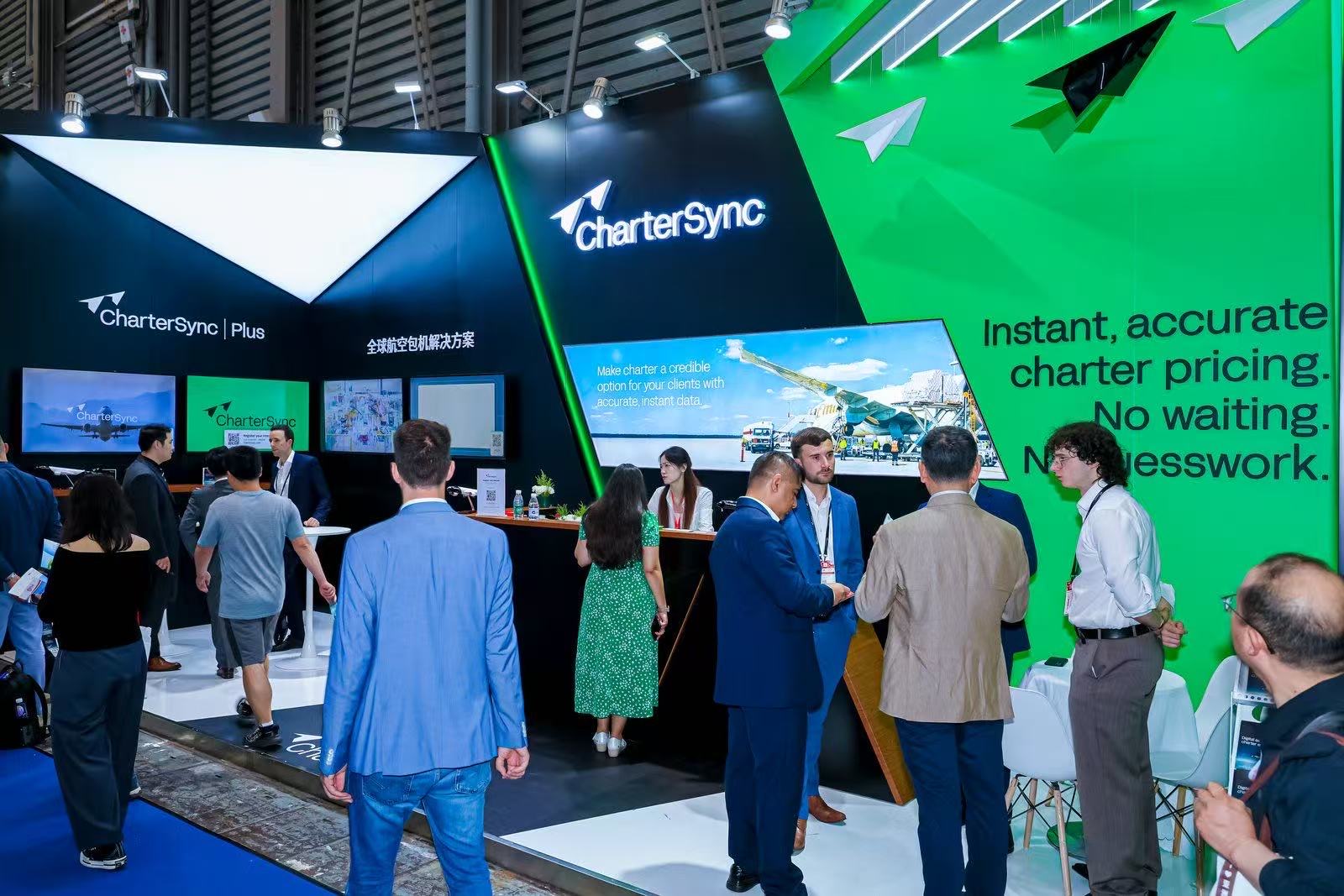
As we look ahead to 2026, it’s clear that the world of freight forwarding is transforming at an unprecedented pace. Staying informed on digitalisation, compliance, and the latest best practices is essential if you want to keep your operations efficient and competitive. If you’re keen to see how intelligent automation and expert support can make your air cargo chartering smarter and faster, why not take the next step? You can experience firsthand how CharterSync’s platform streamlines bookings and provides reliable solutions for your business needs—simply request a demo to see what’s possible.
.png)