.png)
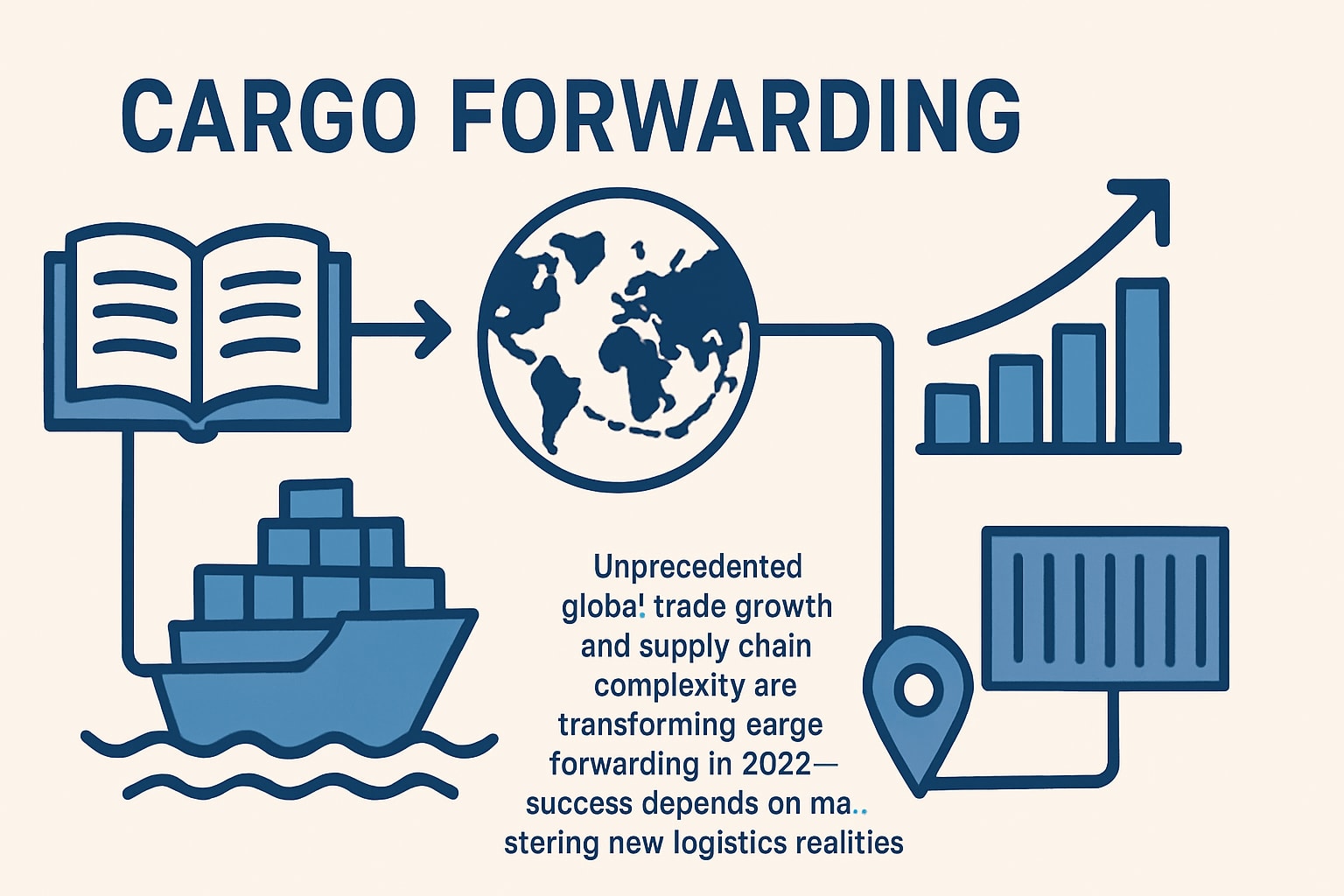
Global trade is evolving rapidly, with cargo forwarding at the centre of a new era shaped by complex supply chains and shifting market dynamics. In 2026, professionals must adapt to digital transformation, regulatory updates, and growing sustainability demands.
This guide gives freight forwarders, shippers, and logistics experts the tools to master cargo forwarding in today's dynamic environment. You will discover the latest industry trends, essential technologies, and proven strategies for smooth, compliant, and cost-effective international shipping.
Ready to streamline your operations and stay ahead? Explore the fundamentals, emerging trends, digital innovations, and practical steps that will define successful cargo forwarding in 2026.
The world of cargo forwarding is undergoing a transformation as global trade expands and supply chains grow more intricate. Navigating these changes requires a clear understanding of how the industry has evolved, who the main players are, what kinds of cargo are being shipped, the regulatory environment, and the technological advances shaping operations.

The period from 2020 to 2026 has seen cargo forwarding shaped by several major forces. Global supply chains have been redefined by pandemic disruptions, prompting a move towards resilience and flexibility. Geopolitical shifts and trade policy adjustments have added complexity, while the surge in e-commerce and cross-border fulfilment has driven a sharp rise in shipping volumes. For instance, global container throughput reached an impressive 866 million TEUs in 2023, highlighting the scale of change.
Environmental regulations have become stricter, compelling the industry to prioritise decarbonisation and efficiency. In this landscape, cargo forwarding is no longer just about moving goods from point A to B; forwarders have become strategic partners, offering tailored logistics solutions to navigate new challenges. For a deeper dive into these industry trends and their impact, see Freight and forwarding insights.
Effective cargo forwarding relies on the collaboration of several key stakeholders. Shippers arrange for goods to be transported, while consignees receive them at the destination. Carriers operate the vessels, planes, trains, or trucks that actually move the cargo. Customs brokers ensure compliance with national and international regulations, handling critical documentation and clearance.
Freight forwarders play a central role by coordinating these parties, optimising routes, and managing logistics complexities. Increasingly, digital integration is streamlining communication among all stakeholders, with platforms enabling real-time updates and transparency. This shift towards digital collaboration enhances reliability and reduces the risk of errors.
Cargo forwarding covers a wide range of goods, each with its own handling and transport requirements. Common categories include:
| Cargo Type | Examples | Handling Needs |
|---|---|---|
| General | Consumer goods, textiles | Standard |
| Perishable | Food, flowers | Temperature control |
| Hazardous | Chemicals, batteries | Safety protocols |
| Oversized | Machinery, vehicles | Special equipment |
| High-value | Electronics, jewellery | Enhanced security |
Choosing the right transport mode is crucial. Sea freight is preferred for bulk and non-urgent shipments, while air freight, though representing only 1% of global cargo by volume, accounts for 35% by value due to its speed and reliability. Rail and road provide flexibility for regional movements, and multimodal solutions often combine these modes for optimal efficiency.
The regulatory environment for cargo forwarding in 2026 is more dynamic than ever. International trade agreements continue to evolve, directly affecting tariffs and customs procedures. Digital documentation, such as electronic air waybills (eAWB) and electronic consignment notes (eCMR), has become mandatory in many jurisdictions, streamlining compliance and reducing paperwork.
Environmental initiatives are also at the forefront. The International Maritime Organization’s latest emissions standards are pushing carriers and forwarders to adopt greener practices. Staying compliant with these regulations is essential for avoiding delays, penalties, and reputational risks in cargo forwarding.
Technology is now a driving force in cargo forwarding. Artificial intelligence enables smarter route planning and demand forecasting, while the Internet of Things (IoT) provides real-time tracking of shipments and cargo conditions. Blockchain technology is being used to create tamper-proof digital records, reducing document fraud and ensuring transparency.
Automation streamlines booking, compliance, and exception management processes, allowing companies to respond quickly to disruptions. As technology continues to advance, it is becoming an indispensable tool for forwarders, shippers, and all stakeholders seeking efficiency, security, and visibility in the world of cargo forwarding.
Navigating the complexities of cargo forwarding in 2026 requires a clear understanding of each stage involved. Below, you will find a structured, practical guide that breaks down the process into manageable steps, ensuring your global shipments move efficiently, securely, and compliantly.

Every successful cargo forwarding journey starts with a thorough cargo assessment. This involves classifying goods, determining their value, and ensuring proper packing for the selected mode of transport.
Proper documentation is essential. Key documents include:
In 2026, digital documentation is now the standard. Electronic documents minimise errors, speed up processing, and reduce the risk of lost paperwork. Adopting digital solutions also ensures compliance with evolving international standards.
For a more detailed breakdown of packing requirements and the crucial paperwork involved, consult this comprehensive Packing and documentation essentials resource.
Cargo forwarding professionals should verify all documents are accurate before proceeding, as mistakes can lead to delays, fines, or customs issues.
The next step in cargo forwarding is choosing the optimal transport mode and route. Considerations include:
In 2026, AI-driven route optimisation tools are widely used to balance speed and cost while factoring in sustainability. Real-time data enables dynamic decision-making, supporting proactive rerouting in response to disruptions.
For example, the expansion of rail networks along China-Europe corridors now offers a viable alternative to traditional sea and air routes, combining speed with lower emissions.
Comparing transport modes:
| Mode | Speed | Cost | Best For |
|---|---|---|---|
| Sea | Slow | Low | Bulk, non-urgent cargo |
| Air | Fastest | High | Urgent, high-value goods |
| Rail | Moderate | Moderate | Regional, intercontinental |
| Road | Variable | Variable | Short-haul, flexible loads |
Choosing wisely at this stage sets the foundation for a smooth cargo forwarding experience.
Selecting the right partners is crucial in cargo forwarding. Evaluate freight forwarders based on:
Digital platforms now allow instant quoting, booking, and comparison of carrier options. This transparency helps shippers make informed choices quickly.
Due diligence is non-negotiable. Always check carrier safety records, certifications, and compliance with international regulations. Trusted partners reduce risk and support efficient cargo forwarding operations.
A collaborative relationship between all stakeholders ensures seamless coordination from origin to destination.
Once partners are in place, booking and scheduling become the focus. Automated booking platforms have revolutionised cargo forwarding, enabling near-instant reservations and confirmations.
Smart scheduling tools coordinate pick-up, consolidation, and warehousing. These systems minimise idle time and optimise resource use.
Technology also enhances cargo handling. IoT sensors allow real-time monitoring of cargo conditions, alerting teams to temperature changes, humidity, or shock events. This proactive approach helps prevent damage, especially for sensitive or high-value shipments.
Efficient handling and scheduling are vital for maintaining timelines and customer satisfaction in cargo forwarding.
Customs clearance is a critical checkpoint in cargo forwarding. Accurate use of Harmonised System (HS) codes, correct duty and tax calculations, and adherence to local regulations are essential.
In 2026, most customs authorities require digital submission of documents, enabling pre-arrival processing and reducing border wait times. Automated systems flag discrepancies early, allowing for quick resolution.
Common pitfalls include incomplete paperwork, incorrect cargo descriptions, and misclassification. These can cause costly delays or fines. Staying updated with regulatory changes and leveraging digital customs solutions minimises compliance risks in cargo forwarding.
End-to-end visibility is now a hallmark of advanced cargo forwarding. GPS and IoT technologies deliver real-time tracking for every shipment leg, keeping all parties informed.
Exception management tools alert teams to delays or route deviations, enabling swift corrective action. Electronic proof of delivery (ePOD) systems provide instant confirmation once cargo reaches its destination.
Automated customer notifications and status updates enhance transparency and trust, closing the loop on a successful cargo forwarding process.
The digital transformation of cargo forwarding is reshaping global shipping in 2026. Automation, data-driven platforms, and connected technologies are now essential for operational efficiency and competitiveness. As the industry adapts to new demands, digital innovation is unlocking speed, transparency, and reliability for every stakeholder in cargo forwarding.

Automated platforms have become the backbone of modern cargo forwarding. Cloud-based management systems streamline quoting, booking, and documentation, reducing manual intervention and errors. AI-driven tools automatically match cargo with suitable carriers, calculate optimal routes, and provide instant pricing, saving valuable time for logistics teams.
For example, automated forwarding platforms have shortened booking times by up to 70 percent, allowing businesses to respond rapidly to customer needs. These smart tools are not just speeding up processes, they are also improving accuracy and consistency across global networks. To learn more about how technology is transforming freight forwarding, you can read this Technology in air cargo forwarding article.
Real-time tracking is now standard in cargo forwarding, with IoT devices enabling live monitoring of shipments across all modes of transport. Stakeholders can see location, temperature, humidity, and security status instantly, which is vital for perishable or high-value cargo.
Predictive analytics, powered by AI, forecasts estimated times of arrival, identifies potential disruptions, and optimises costs. These tools help forwarders anticipate issues before they escalate, ensuring smoother deliveries and higher customer satisfaction. In 2026, predictive ETAs have boosted on-time delivery rates by 25 percent, making proactive management a competitive advantage in cargo forwarding.
Blockchain technology is enhancing security and trust in cargo forwarding. Digital ledgers record every transaction and document, making them tamper-proof and easily auditable. This reduces the risk of document fraud, miscommunication, and costly delays during international shipping.
Data security is also improved, as sensitive information is encrypted and accessible only to authorised parties. By leveraging blockchain, cargo forwarding providers can guarantee transparency and compliance, building stronger relationships with shippers and customs authorities.
Collaboration is at the heart of efficient cargo forwarding, and digital platforms are making it seamless. Integrated systems connect shippers, consignees, carriers, and customs brokers in real time, eliminating silos and manual handovers.
Automated alerts and status updates keep everyone informed at every stage. Multi-party communication is now centralised, reducing response times and enabling joint decision-making. This digital connectivity strengthens supply chain resilience and ensures that cargo forwarding operations can adapt quickly to changes or disruptions.
Sustainability is now embedded in cargo forwarding through digital tools that track and report carbon emissions. Platforms allow shippers to compare routes based on environmental impact and select greener transport options.
AI-driven optimisation helps forwarders minimise empty miles and consolidate shipments, cutting emissions and costs. By integrating green tech and transparent reporting, cargo forwarding companies are meeting regulatory requirements and supporting global decarbonisation goals.
Managing risk is essential for anyone involved in cargo forwarding. The global shipping environment in 2026 presents new challenges, from unpredictable disruptions to evolving regulations. Adopting best practices ensures cargo arrives safely, on time, and in compliance with all requirements.

Cargo forwarding involves a complex web of risks. Damage, theft, loss, and transit delays can occur at any stage. Geopolitical tensions and changes in trade policies also impact routes and timing. A well-known example is the Suez Canal blockage by the Ever Given in 2021, which caused global delays and highlighted the fragility of supply routes.
Modern cargo forwarding relies on proactive risk identification. Leveraging AI-driven predictive analytics in freight forwarding helps anticipate disruptions, monitor cargo conditions, and optimise decisions in real time. This approach enables forwarders to act swiftly, reducing the impact of unexpected events.
Insurance is a cornerstone of risk management in cargo forwarding. Without the right coverage, shippers and forwarders face significant financial exposure. Common types of cargo insurance include:
Understanding incoterms is equally important, as they define responsibility for insurance and liability at each stage. By clarifying these terms upfront, all parties can avoid disputes if a loss occurs. Proper documentation and clear contracts further strengthen risk protection.
| Insurance Type | Coverage Scope | Typical Use Case |
|---|---|---|
| All-risk | Broad, most events | General cargo shipments |
| Named perils | Listed risks only | High-risk routes or goods |
| Total loss | Only full loss | Bulk, low-value cargo |
The regulatory landscape for cargo forwarding is constantly changing. Customs requirements, security protocols, and environmental regulations demand ongoing attention. Digital tools simplify compliance by automating customs entries, tracking regulatory changes, and notifying teams of new rules.
Staying compliant reduces the risk of fines, cargo holds, and legal issues. Forwarders should regularly review trade agreements and ensure all digital documentation is current and accurate. Investing in compliance technology is now a best practice for any global operation.
Unexpected disruptions can halt cargo forwarding operations. Natural disasters, pandemics, or sudden port closures require robust contingency plans. The COVID-19 pandemic forced many supply chains to adapt by rerouting shipments and sourcing from new suppliers.
Best practices in crisis management include:
Regularly testing and updating these plans prepares teams to act quickly, minimising downtime and loss. Effective crisis management protects reputation and customer relationships.
Building resilience is critical for sustainable cargo forwarding. Diversifying suppliers, transport routes, and logistics partners reduces dependency on any single element. Technology, such as real-time cargo tracking and predictive analytics, enables rapid response to changing conditions.
A resilient supply chain adapts to shocks and recovers quickly. Continuous investment in digital infrastructure, staff training, and strategic partnerships ensures forwarders can meet customer expectations even in turbulent times. By focusing on resilience, companies secure their place in the future of global shipping.
Staying ahead in cargo forwarding means anticipating change and embracing innovation. As 2026 approaches, forwarders must understand emerging trends and adapt strategies to remain competitive in a rapidly evolving global shipping environment.
AI and machine learning are transforming cargo forwarding, from demand forecasting to automated route optimisation. Advanced algorithms analyse vast datasets, enabling forwarders to predict market trends, optimise pricing, and reduce operational costs.
For example, AI-driven systems can help forwarders dynamically adjust shipping routes, avoiding congestion and minimising delays. According to Global trade trends and AI impact in 2025, the use of AI in logistics is driving significant growth and helping companies stay agile as global trade patterns evolve.
Machine learning tools also support risk assessment, identifying potential disruptions before they impact cargo forwarding. By integrating these technologies, forwarders can boost efficiency and enhance service quality.
Sustainability is now a core priority for cargo forwarding. Forwarders face increasing pressure to comply with strict emissions regulations and pursue decarbonisation targets. The International Maritime Organization’s frameworks, as described in the IMO's Net-Zero Framework for shipping emissions, are shaping new industry standards.
Green corridors, alternative fuels, and energy-efficient vessels are becoming mainstream. Forwarders are using digital tools to track carbon emissions and recommend low-emission routes, helping clients meet their sustainability goals.
Cargo forwarding companies that invest in green technologies not only ensure compliance but also gain a competitive edge by appealing to environmentally conscious customers.
Customer expectations are rapidly changing in the cargo forwarding industry. Shippers now demand real-time visibility into their shipments, seamless digital experiences, and faster issue resolution.
Personalised services, such as dynamic pricing and tailored tracking notifications, are essential to winning and retaining clients. End-to-end transparency is no longer a luxury but a necessity.
Forwarders must leverage digital platforms to enhance communication, automate routine tasks, and provide customers with instant updates. This approach builds trust and strengthens long-term relationships.
Integrated logistics platforms are reshaping cargo forwarding by consolidating freight forwarding, warehousing, and last-mile delivery into a single digital ecosystem. These platforms simplify operations and provide a unified view of the entire supply chain.
Digital freight marketplaces enable forwarders to compare rates, book shipments, and manage documentation in one place. This integration reduces manual errors and improves operational efficiency.
The rise of these platforms empowers forwarders to offer more flexible, scalable, and customer-centric solutions, setting new benchmarks in global shipping.
As digital transformation accelerates, the skills required in cargo forwarding are evolving. There is a growing need for professionals with expertise in data analytics, AI, and digital process management.
Forwarders are investing in upskilling programmes to bridge the digital skills gap. Attracting tech-savvy talent is essential for maintaining a competitive advantage and driving innovation.
Developing a workforce that can harness technology and make data-driven decisions is key to thriving in the modern cargo forwarding landscape.
Collaboration is vital for future-ready cargo forwarding. Strategic partnerships between forwarders, technology providers, and other supply chain stakeholders foster innovation and resilience.
Joint ventures and digital alliances enable companies to share resources, expand global reach, and offer enhanced services. For example, partnerships with tech firms can accelerate the adoption of automation and AI.
By working together, forwarders can better navigate industry challenges and unlock new opportunities for growth.
Preparing for the unexpected is now a fundamental strategy in cargo forwarding. Scenario planning and investment in flexible infrastructure help forwarders respond quickly to disruptions such as geopolitical shifts or natural disasters.
Building agility into operations involves diversifying suppliers, establishing backup transport routes, and leveraging real-time data for decision-making. This proactive approach minimises downtime and protects customer interests.
Forwarders who prioritise resilience can adapt to change and maintain service continuity, whatever the future holds.
As you look to navigate the evolving world of global shipping in 2026, having the right tools and support can make all the difference. With new technologies, regulatory changes, and the demand for real time responsiveness, it’s essential to work with partners who understand these challenges. That’s where CharterSync comes in—combining intelligent automation with deep industry expertise to streamline your air cargo forwarding. If you want to experience how seamless, efficient, and reliable air cargo charters can be, I invite you to request a demo and see how CharterSync can help you stay ahead.

.png)