.png)
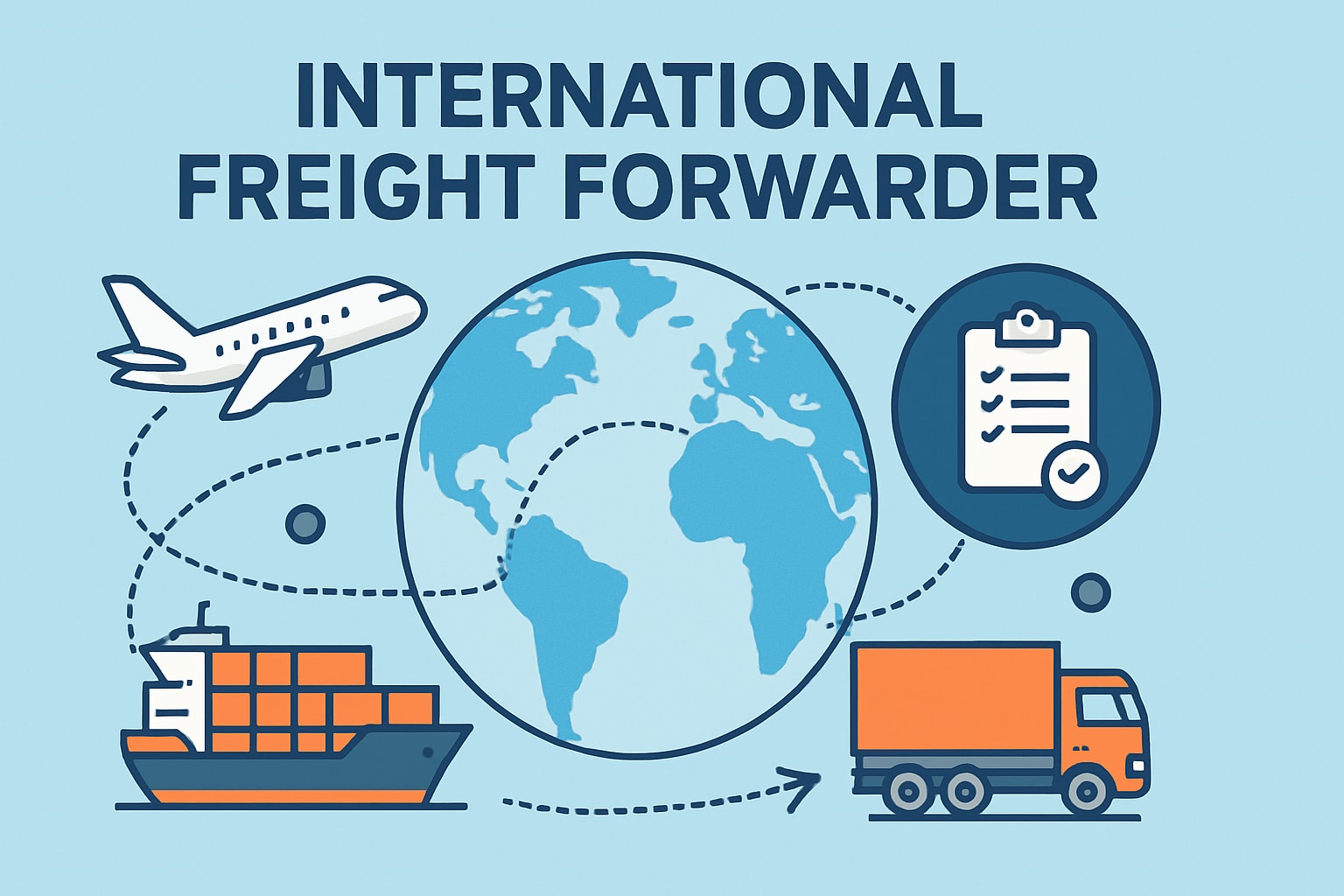
In 2026, global trade is more connected and fast-moving than ever, making the international freight forwarder a vital partner for businesses of all sizes. As supply chains span continents, the complexity of moving goods across borders has never been higher.
This guide is designed to demystify what an international freight forwarder does and equip you with actionable insights to navigate the challenges of global shipping. You will discover how the industry is evolving, step-by-step freight forwarding processes, the latest regulatory changes, technological innovations, and expert strategies for efficient logistics.
Whether you are new to international trade or looking to optimise your operations, this guide will help you unlock the full potential of seamless global shipping.
International trade is rapidly changing, and the international freight forwarder has never been more essential. As supply chains grow more complex, forwarders are evolving their roles to meet new demands. In 2026, their expertise spans far beyond traditional transport, shaping the way goods move across borders.

The international freight forwarder operates in a world where global trade volumes have surged post-pandemic. New trade agreements and shifting manufacturing patterns, such as nearshoring, are reshaping supply chains. For example, in 2025, cross-border e-commerce shipments increased by 7 percent, highlighting the growing need for agile logistics solutions.
Forwarders must adapt quickly to these shifts. They analyse trade lanes, monitor geopolitical developments, and anticipate disruptions to keep shipments moving. This adaptability helps clients remain competitive in a dynamic global marketplace.
Today, an international freight forwarder delivers much more than transport. Value-added services now include customs brokerage, insurance, warehousing, and supply chain consulting. Clients increasingly demand end-to-end visibility and control over their shipments.
Specialised handling for temperature-sensitive and high-value cargo is in high demand. For a deeper look at these offerings, see the Freight forwarding services overview. This broad service spectrum allows forwarders to address unique client needs and streamline complex logistics.
As industries require tailored solutions, the international freight forwarder has responded with sector-specific expertise. Automotive, pharmaceutical, and high-tech companies rely on forwarders who understand their exact requirements.
For instance, pharmaceutical firms demand GDP-compliant cold chain logistics. These forwarders provide secure, temperature-controlled transport and documentation, ensuring compliance and product integrity. This level of specialisation sets leading forwarders apart in 2026.
Sustainability is now a top priority for logistics. Shippers increasingly seek carbon-neutral shipping options and greener supply chains. Forwarders are adopting alternative fuels and implementing carbon offset programmes.
A recent statistic shows that 65 percent of shippers now prioritise sustainability when selecting logistics partners. These environmental initiatives are not just a trend but a necessity, as regulations and customer expectations evolve.
The international freight forwarder faces a challenging regulatory landscape. New customs rules, sanctions, and security protocols emerge regularly. For example, the EU’s Import Control System 2 (ICS2) has changed how data is submitted for shipments entering Europe.
Forwarders must stay updated on these changes, ensuring all documentation is accurate and compliant. Their expertise helps clients avoid costly delays and penalties, making compliance a core part of their value proposition.
Digitalisation is transforming the international freight forwarder’s operations. Advanced platforms powered by AI, blockchain, and IoT now enable real-time tracking and process automation. In fact, 80 percent of leading forwarders have invested in digital platforms.
These technologies streamline quoting, booking, and monitoring. They reduce manual errors and speed up processes, giving clients greater transparency and control throughout their supply chains.
Even as automation rises, the human element remains vital for the international freight forwarder. Local knowledge, language skills, and strong relationships with carriers are irreplaceable.
Dedicated teams manage exceptions, resolve issues, and ensure a personal touch. Balancing technology with human expertise enables forwarders to deliver reliable, flexible, and responsive service in 2026.
Navigating global supply chains in 2026 demands a strategic approach. The international freight forwarder has become a vital partner for businesses aiming to move goods across borders with efficiency and compliance. Understanding the process step by step helps companies unlock smoother, more predictable shipping outcomes.

The journey begins when a business contacts an international freight forwarder with details of their shipment. Freight forwarders need precise information about cargo dimensions, weight, commodity type, value, and any special handling requirements. In 2026, automated digital tools now streamline this stage, allowing for instant quoting and rapid loadability analysis.
For example, AI-powered platforms can deliver tailored quotes within minutes, replacing the slower manual calculations of the past. This ensures businesses receive accurate, competitive pricing and recommendations based on their unique needs. For those looking to explore the responsibilities in more depth, the Role of a freight forwarder provides additional insight into these foundational steps.
Once the initial cargo details are confirmed, the international freight forwarder evaluates the best transport routes and modes. Choices may include air, sea, rail, or multimodal combinations, each with distinct benefits for cost, speed, reliability, and sustainability.
Intra-continental shipments are increasingly shifting towards rail due to environmental and efficiency gains. Digital platforms allow forwarders to compare routes, assess carrier reliability, and factor in sustainability goals. By leveraging real-time data, the international freight forwarder ensures each shipment is optimised for business priorities and market conditions.
Accurate and timely documentation is essential for any international freight forwarder. This stage includes preparing commercial invoices, packing lists, bills of lading, and the necessary export or import permits. In 2026, the majority of these documents are handled electronically, reducing processing times and minimising human error.
Digital documentation and e-customs clearance systems now dominate, with 90% of customs submissions processed online. These advances help the international freight forwarder manage regulatory compliance more effectively, ensuring that each shipment meets destination-specific requirements and avoids costly delays or penalties.
Securing carrier space is a critical function for the international freight forwarder. Digital booking platforms have revolutionised this process, enabling real-time slot allocation and transparent pricing. Forwarders coordinate with carriers to confirm availability, manage scheduling, and arrange for the consolidation of smaller shipments when appropriate.
This digital-first approach reduces the risk of overbooking and last-minute surprises. The international freight forwarder provides clients with clear timelines and proactive updates, ensuring all parties remain informed throughout the booking and coordination phase.
Proper cargo preparation is vital to safeguarding shipments in transit. The international freight forwarder ensures compliance with industry standards for packing and labelling, especially for dangerous or sensitive goods. In 2026, smart packaging equipped with IoT sensors is common, providing continuous data on temperature, humidity, and shock exposure.
These innovations help prevent spoilage, damage, and regulatory breaches. The international freight forwarder works closely with shippers to select appropriate materials and labelling, reducing risks and supporting smooth customs clearance.
During transit, the international freight forwarder leverages advanced technology for end-to-end visibility. GPS and IoT-enabled devices provide real-time tracking, allowing businesses to monitor shipments every step of the way. Exception management tools alert all stakeholders to any delays or deviations, enabling proactive response.
With these solutions, lost shipments have dropped by 70% compared to previous years. The international freight forwarder’s commitment to transparency and communication builds trust and ensures that all parties can manage expectations and respond quickly to emerging issues.
As cargo approaches its destination, the international freight forwarder oversees automated customs clearance and risk screening. Electronic processes and bonded warehousing speed up the release of goods, even in highly regulated or remote markets.
Last-mile delivery is increasingly sophisticated, with drones and autonomous vehicles deployed in select regions to overcome logistical challenges. The international freight forwarder remains an essential partner, managing the final handover and ensuring that compliance and customer satisfaction remain top priorities.
Navigating the global regulatory environment has become increasingly complex for any international freight forwarder. In 2026, staying compliant is not just about paperwork, but also about adapting to new rules, digital processes, and sustainability demands. Let’s break down the latest changes and what they mean for your business.

2026 brings a wave of regulatory changes that every international freight forwarder must address. The EU’s ICS2 phase requires granular data submission before goods enter the union, while the Carbon Border Adjustment Mechanism (CBAM) targets embedded carbon in imports. USMCA updates influence North American trade, and Brexit legacy rules continue to affect UK-EU shipments.
For example, the end of the de minimis tax exemption in Europe is set to impact e-commerce and cross-border flows. For a deeper dive, see the Maersk Global Market Update Winter 2026. Keeping up with these developments is essential for any international freight forwarder aiming to avoid costly delays.
Customs procedures are evolving rapidly, with most countries investing in digital transformation. Single window systems and e-manifests are becoming standard, simplifying compliance and reducing clearance times for the international freight forwarder.
Singapore’s Networked Trade Platform stands out as a global benchmark, integrating documentation, permits, and data exchange in one place. Embracing these tools helps the international freight forwarder streamline operations and reduce manual errors.
Geopolitical tensions and shifting sanctions lists are a constant challenge for the international freight forwarder. Dual-use goods regulations require careful screening, especially as new conflicts reshape airspace and trade routes.
The Russia-Ukraine conflict, for instance, led to rerouted flights and restricted goods. Proactive compliance ensures the international freight forwarder avoids penalties and maintains smooth logistics flows. Regularly updating procedures is vital in this unpredictable environment.
With more processes moving online, data protection is now a top priority for the international freight forwarder. Compliance with GDPR, CCPA, and emerging global standards is non-negotiable.
Cyber incidents are on the rise, with 40 percent involving unauthorised data access. Investing in strong IT security and staff training helps the international freight forwarder safeguard sensitive information and maintain client trust.
Sustainability rules are reshaping logistics, and every international freight forwarder must adapt. Regulations like IMO 2020, Fit for 55, and mandatory emissions reporting for ocean carriers are now standard.
Clients increasingly demand proof of green practices, from carbon-neutral shipping to transparent emissions data. Keeping up with these requirements positions the international freight forwarder as a responsible, future-ready partner.
Managing compliance risks goes beyond ticking boxes. The international freight forwarder needs robust insurance, regular due diligence, and internal audits to stay ahead.
Adopting a compliance management system can help identify gaps and respond to new regulations quickly. These strategies not only protect the international freight forwarder but also build long-term resilience and client confidence.
Technology is rapidly reshaping how an international freight forwarder operates in 2026. Digital innovation has become central to every stage of global logistics, from quoting through to delivery. Companies are leveraging integrated platforms, artificial intelligence, IoT, and automation to make freight forwarding faster, more transparent, and more resilient than ever.
Digital platforms have revolutionised the way an international freight forwarder manages shipments. All-in-one systems now allow quoting, booking, and real-time tracking from a single dashboard. This shift has enabled businesses to compare rates, optimise routes, and monitor cargo status with unprecedented ease.
Today, digital bookings account for 30% of global freight transactions. These platforms offer transparency, faster response times, and seamless integration with carrier networks. For a deeper dive into this transformation, see Technology transforming freight forwarding.
Automation within these systems reduces manual errors and improves customer satisfaction. As a result, the international freight forwarder is now expected to offer digital-first solutions for clients seeking speed and control.
Artificial intelligence is at the heart of smarter logistics decisions. An international freight forwarder uses AI-powered tools to forecast demand, analyse vast data sets, and dynamically price shipments. Predictive analytics help forwarders anticipate disruptions, such as weather or port congestion, and reroute cargo proactively.
A notable benefit is the use of predictive ETA tools, which reduce delays and demurrage costs. With these capabilities, forwarders can offer customers more accurate delivery windows and optimise inventory planning.
By harnessing AI, the international freight forwarder can deliver greater reliability and operational efficiency, building trust with shippers across industries.
IoT technology is now standard for any leading international freight forwarder. Sensors attached to containers and pallets monitor temperature, humidity, and shock in real time. This is particularly vital for perishable or sensitive cargo, including pharmaceuticals and high-tech components.
The impact is measurable: companies report up to a 50% reduction in spoilage for perishable shipments. IoT-enabled tracking also enables instant alerts in case of route deviations or handling issues, empowering forwarders to intervene quickly.
Real-time visibility is no longer optional. Shippers expect their international freight forwarder to provide live updates and end-to-end transparency throughout the journey.
Blockchain has emerged as a game changer for document security and process transparency. An international freight forwarder can now use blockchain to verify documents, automate payments, and execute smart contracts.
Platforms like Maersk and IBM’s TradeLens demonstrate how blockchain reduces fraud, accelerates customs clearance, and ensures data integrity. This technology is especially beneficial for industries with complex compliance needs or high-value cargo.
By adopting blockchain, the international freight forwarder increases trust and reduces administrative overhead for all parties involved.
Warehousing has seen a surge in robotics and automation. Today, 60% of international freight forwarder operations use robotics for picking, packing, and inventory management. Automated systems minimise human error, speed up order fulfilment, and allow for more efficient use of warehouse space.
Robotics also enhance safety, reducing workplace accidents and improving working conditions. The international freight forwarder benefits from lower costs and the ability to handle higher shipment volumes with fewer delays.
Automation is now a key differentiator for forwarders aiming to deliver consistent, high-quality service on a global scale.
CharterSync is transforming the way an international freight forwarder approaches air cargo charter. Their automated platform matches urgent or specialised shipments with available aircraft, using AI for instant quoting and booking.
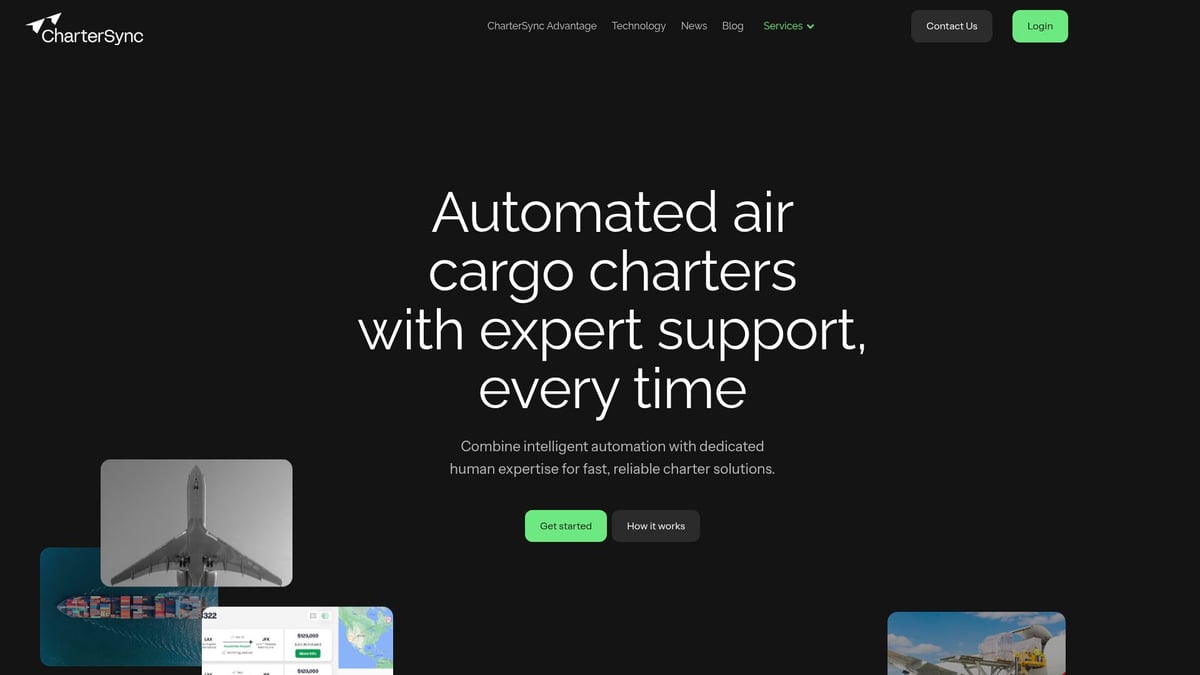
The system combines automation with human expertise, ensuring each shipment meets regulatory and security standards. Forwarders using CharterSync benefit from real-time tracking, optimised routes, and access to a vast network of aircraft.
This technology is especially valuable for industries like automotive, pharma, and high-tech, where speed and precision are critical. CharterSync reduces manual work, minimises errors, and boosts efficiency, allowing the international freight forwarder to focus on delivering exceptional customer service.
Selecting the right international freight forwarder is critical for efficient, compliant, and cost-effective global shipping. With increasing complexity in logistics and regulations, businesses should use a structured approach to ensure their partners deliver both expertise and value.
Start by assessing the international freight forwarder’s capabilities, industry specialisation, and global network. Look for forwarders with proven experience in your sector, whether automotive, pharmaceuticals, or high-tech goods.
Review their service portfolio to see if they offer value-added services such as customs brokerage or temperature-controlled logistics. For example, forwarders with GDP certification are essential for pharmaceutical shipments. This initial evaluation reduces risk and ensures your shipments are handled by experts.
It is vital to check that your chosen international freight forwarder holds the right credentials and complies with the latest regulations. Confirm memberships with bodies like FIATA or IATA, and verify local licensing.
Examine insurance coverage and financial stability. Staying informed about regulatory changes, such as those detailed in Gard's Insights on 2026 Shipping Changes, helps ensure your forwarder is prepared for new compliance demands.
Modern shippers should prioritise an international freight forwarder that leverages cutting-edge technology. Digital platforms offering real-time tracking, automated documentation, and transparent pricing are now industry standards.
Eighty-five percent of shippers rate technology as a key selection factor. Choose a forwarder that enables end-to-end shipment visibility, reducing delays and minimising surprises throughout the logistics process.
Effective communication is essential for a successful partnership with your international freight forwarder. Seek forwarders who provide 24/7 support, proactive updates, and multilingual teams.
Dedicated account managers can streamline issue resolution and deliver personalised service. Reliable communication ensures you receive prompt updates and support, especially during unexpected disruptions or customs delays.
Sustainability has become a core requirement when choosing an international freight forwarder. Evaluate their green logistics initiatives, such as carbon-neutral shipping and supplier codes of conduct.
Many shippers now prioritise environmental compliance, referencing resources like the S&P Global ESG Regulatory Tracker April 2025 for insight into emissions regulations. Forwarders offering robust sustainability options demonstrate long-term commitment to ethical operations.
Finally, focus on building a long-term relationship with your international freight forwarder. Strategic collaboration, joint process improvement, and regular performance reviews foster trust and efficiency.
Long-term contracts can yield significant cost savings, improved service levels, and better risk management. Treat your forwarder as a strategic partner, not just a service provider, to unlock ongoing value for your supply chain.
Efficient global shipping is a top priority for any business working with an international freight forwarder. As the logistics landscape grows more complex, proven strategies and smart technology can help companies stay ahead, reduce costs, and deliver reliably.
Adopting advanced digital platforms is essential for every international freight forwarder aiming to boost efficiency. Automating routine tasks, such as bookings, documentation, and compliance checks, not only saves time but also reduces manual errors.
Key digital tools include:
For example, using workflow automation can streamline customs documentation, ensuring accuracy and speeding up the process. An international freight forwarder leveraging these tools will see higher productivity and fewer delays.
Harnessing shipment data is a game-changer for any international freight forwarder. Analysing trends, routes, and carrier performance enables data-driven decision making, resulting in optimised operations and cost savings.
Consider this table highlighting benefits of data analytics:
| Benefit | Impact |
|---|---|
| Route Optimisation | Reduced transit times |
| Cost Control | Lower shipping expenses |
| Performance Tracking | Improved carrier choices |
A recent study found a 20% reduction in logistics spend when businesses use analytics platforms. Regular data reviews enable an international freight forwarder to adapt quickly and stay competitive.
Navigating global shipping risks is a core responsibility for any international freight forwarder. From political instability to extreme weather, proactive management ensures business continuity.
Effective risk management involves:
By identifying risks early, an international freight forwarder can create robust plans and minimise shipment disruptions, protecting both timelines and reputations.
Modern shippers demand end-to-end visibility, and an international freight forwarder delivers this through integrated tracking systems. IoT-enabled sensors, GPS tracking, and digital dashboards provide real-time updates.
Benefits include:
Multi-modal visibility platforms allow an international freight forwarder to manage complex supply chains with confidence, reducing the risk of lost or delayed cargo.
The logistics industry is evolving rapidly, and ongoing training is vital for every international freight forwarder. Regular education on regulations, new technologies, and best practices helps teams stay compliant and efficient.
Key areas for training:
Companies investing in consistent training report 30% fewer compliance violations, showing that skilled teams are a major asset for any international freight forwarder.
Strong relationships with carriers, customs brokers, and tech providers are crucial for an international freight forwarder. Collaboration leads to innovation, faster problem-solving, and better service delivery.
Examples of effective collaboration:
Building a trusted network allows an international freight forwarder to offer more flexible and tailored solutions for clients.
Staying informed about evolving regulations is essential for every international freight forwarder. Monitoring industry news, joining trade associations, and attending conferences help companies anticipate changes and remain compliant.
For detailed insights into upcoming legislative changes, such as the EU Emissions Trading Scheme expansion, see Norton Rose Fulbright on 2025 Shipping Regulations.
Agile strategies and early adaptation ensure that an international freight forwarder can navigate shifting global trade dynamics with confidence and resilience.
As we’ve explored, navigating international freight forwarding in 2026 means balancing technology, compliance, and expert support to stay ahead in global shipping. If you’re ready to put these insights into action and streamline your air cargo charter operations, I encourage you to see how CharterSync’s automated platform can make a real difference for your business. With instant access to global aircraft, smart automation, and dedicated human expertise, you’ll find solutions tailored to even the most complex logistics challenges. Take the next step and request a demo to discover the benefits firsthand.

.png)