.png)

Private air travel is soaring in popularity, with demand for a charter airline expected to reach record levels by 2026. More travellers are seeking exclusivity, comfort, and flexibility than ever before.
This article unveils the top 7 charter airline choices for private travel in 2026. We will compare their luxury features, innovative offerings, and pricing, highlighting who each airline best serves.
Discover why leading global names are setting new standards in safety, service, and personalisation. Ready to elevate your journey? Read on for an in-depth guide to the world’s finest private charter airline options.
Private aviation has entered a transformative era, with the charter airline sector experiencing remarkable expansion as 2026 approaches. Heightened demand is fuelled by a shifting global mindset, where time, privacy, and safety have become top priorities for discerning travellers. The charter airline industry is now catering to a broader, more diverse clientele, reflecting a new standard in luxury and flexibility.
The global charter airline market is projected to reach unprecedented heights, with industry reports estimating a value of over £45 billion by 2026. This surge is driven by sustained demand for on-demand, tailored travel experiences. North America and Europe remain the largest markets, while the Middle East and Asia-Pacific are quickly emerging as growth hotspots. The charter airline sector now appeals to an expanded audience, far beyond its traditional ultra-wealthy base.
Several key factors have propelled the charter airline market forward:
These drivers have shifted perceptions, making the charter airline option not just a luxury but a practical solution for many. The result is a wider adoption among business executives, families, and leisure travellers seeking control and comfort.
Technology has revolutionised the charter airline experience. Digital platforms now enable real-time booking, transparent pricing, and seamless fleet management. Apps and online portals give clients instant access to aircraft availability, route customisation, and live updates. Charter airline operators have also embraced advanced analytics to optimise scheduling and enhance customer service. This digital transformation has democratised access, making private aviation easier and more efficient than ever.
Environmental responsibility is now central to the charter airline industry. Operators are investing in sustainable aviation fuels, carbon offset schemes, and more efficient aircraft. Many charter airline providers have launched green initiatives, giving clients the option to minimise their carbon footprint. These efforts appeal to environmentally conscious travellers and align with evolving regulatory requirements across key markets.
The charter airline customer profile is evolving rapidly. While business leaders and celebrities remain core users, there is a notable rise in families, small groups, and luxury tourists choosing private air travel. Charter airline companies now tailor offerings for diverse needs, from pet-friendly cabins to bespoke itineraries. Regulatory frameworks in the UK, EU, and US continue to adapt, with new safety standards and environmental policies shaping the industry’s future.
Recent data highlights robust growth, with the charter airline segment expected to maintain double-digit expansion rates through 2026. For an in-depth look at market size and future trends, see the Private Jet Charter Services Market Growth Projections. Regional hotspots like London, Dubai, and Singapore have emerged as key hubs for charter airline activity. The pandemic has created lasting change, with bespoke air travel now seen as a safer, more desirable alternative to commercial flights.
Choosing the right charter airline for your private journey in 2026 is more complex than ever. The private aviation landscape now offers more flexibility, transparency, and choice, but also requires a sharper eye for detail. As demand for premium, bespoke air travel continues to climb, understanding the essential selection criteria is the first step towards a seamless experience.
When evaluating a charter airline, prioritise safety above all else. Examine safety records, pilot qualifications, and compliance with international aviation authorities. Next, assess the diversity of the airline’s fleet. A broad fleet means greater flexibility, letting you match aircraft size and range to your trip.
Service quality is equally vital. High-end carriers offer attentive crews, gourmet catering, and seamless ground handling. Operational transparency—clear contracts, open pricing, and accessible policies—ensures you know exactly what to expect.
Charter airline pricing can vary dramatically. The main options include:
| Pricing Model | Description | Typical User |
|---|---|---|
| On-Demand Charter | Pay per flight, total flexibility | Occasional flyers |
| Membership Programme | Annual or monthly fee for fixed rates | Frequent flyers |
| Jet Card | Prepaid hours at locked-in rates | Regular travellers |
For a deeper dive into these models and their pros and cons, consider reading Charter flights explained.
A top-tier charter airline will tailor every aspect of your journey. Look for bespoke itineraries, gourmet menus, and the option for ground transfers. Customisation extends to onboard amenities, technology, and even pet-friendly policies.
Business travellers may need in-flight connectivity and privacy, while families might prioritise comfort, entertainment, or special dietary needs. The ability to personalise your flight is a hallmark of the best providers.
Reputation can make or break your experience with a charter airline. Seek out independent reviews, industry accreditations, and testimonials from previous clients. Memberships in global aviation bodies and safety awards are strong indicators of a trustworthy operator.
Reliable carriers provide consistent service, transparent communication, and a proven track record. This peace of mind is invaluable, especially for time-sensitive or high-stakes journeys.
Some charter airline options excel in international coverage, while others focus on specific regions. Global players offer seamless travel between continents, ideal for business executives or frequent international flyers.
Regional specialists often provide more competitive pricing, local expertise, and faster response times for short-haul flights. Consider your typical destinations and select the provider whose network best matches your needs.
Modern charter airline services are enhanced by digital platforms. Online booking, real-time aircraft tracking, and instant customer support streamline the entire process. Evaluate the airline’s technology stack to ensure it matches your expectations for convenience and reliability.
For a high-profile executive trip, a global charter airline with a large fleet and robust support excels. For a family holiday, a regional provider with flexible customisation and strong local knowledge may be more suitable.
Every traveller’s priorities are unique. By aligning your needs with the strengths of each charter airline, you ensure a private travel experience that is both efficient and memorable.
Choosing the right charter airline in 2026 is vital for travellers seeking luxury, efficiency, and peace of mind. The charter airline sector has evolved rapidly, with providers offering an impressive range of options to suit every need. Below, we explore the seven leading names redefining private air travel, highlighting what sets each apart and who they best serve.
NetJets stands out as the world’s largest charter airline for private jets, offering a blend of tradition and innovation. Travellers can choose from fractional ownership, jet cards, or lease options, making it possible to tailor access based on flying frequency. Entry-level jet cards start at approximately £150,000, reflecting the premium nature of the service.

The NetJets fleet is unmatched, both in size and diversity, ensuring aircraft availability for nearly any itinerary. With global reach and 24/7 customer support, clients enjoy seamless planning and execution. Safety is a core value, with industry-leading certifications and strict operational standards.
Unique perks include exclusive lounges and concierge services, which enhance the overall charter airline experience. The typical NetJets client is a business executive, high-net-worth individual, or frequent flyer who demands reliability and exceptional comfort.
Pros:
Cons:
For example, NetJets facilitates transatlantic business trips with streamlined customs and priority scheduling, making it the charter airline of choice for global executives.
VistaJet has carved out a unique space in the charter airline landscape, focusing on delivering a uniform, luxury experience worldwide. Their programme membership and on-demand pricing typically range from £10,000 to £15,000 per hour, appealing to those who value quality and consistency.
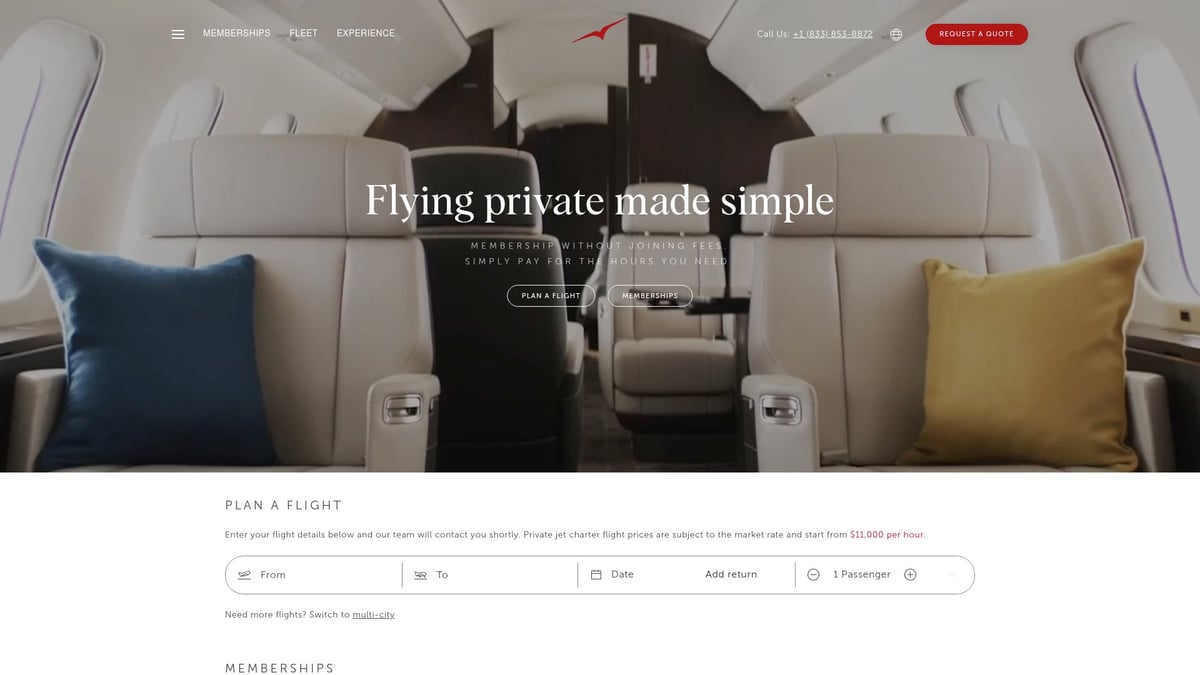
A signature feature is the silver and red Bombardier fleet, ensuring clients know what to expect on every journey. VistaJet provides global coverage, in-flight events, and curated experiences such as art and wine programmes, making each flight memorable.
The charter airline’s “Private World” partnerships grant clients exclusive access to luxury destinations and experiences. This model resonates with international travellers, luxury seekers, and corporate groups who value curated journeys.
Pros:
Cons:
A typical use case is a corporate group leveraging VistaJet’s “Private World” for seamless business and leisure travel, with bespoke services at every step.
XO is a charter airline disrupting the sector with its digital-first approach. Offering both on-demand and membership options, hourly rates start at around £6,000. The platform’s innovation lies in app-based instant booking, dynamic pricing, and the ability to access both owned and partner fleets.
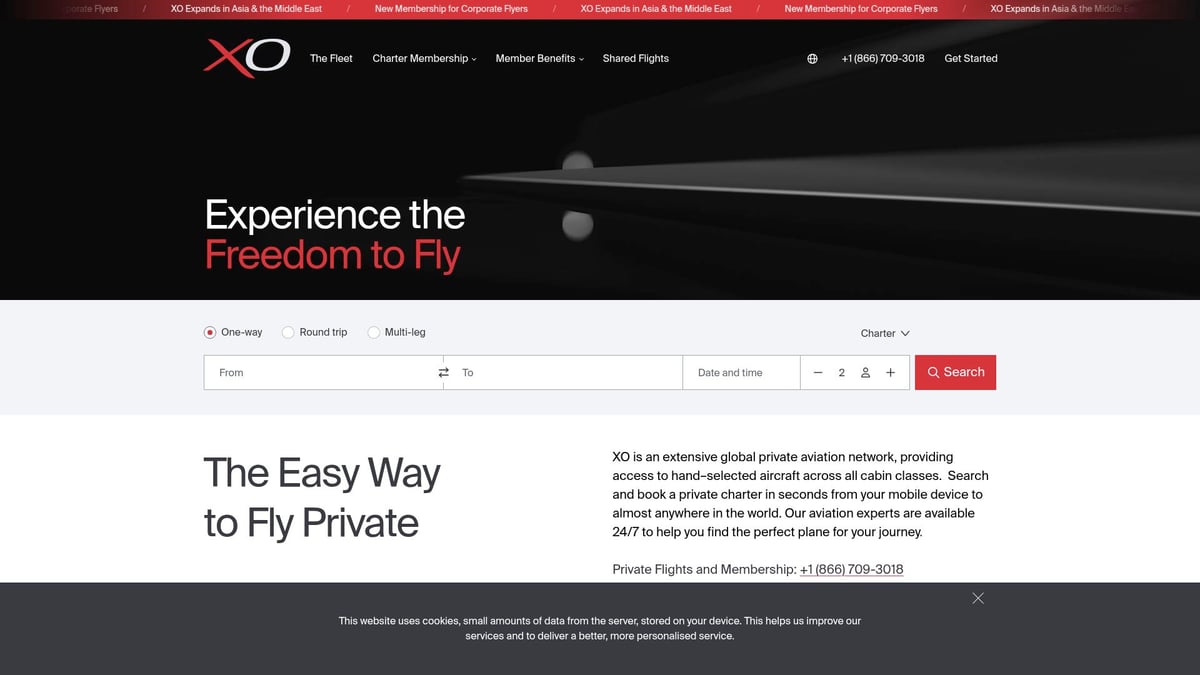
This charter airline appeals to tech-savvy travellers, groups, and those looking for transparent, flexible pricing. XO’s digital tools make it easy to arrange flights at short notice, and its shared charter model can further reduce costs for those open to sharing a jet.
Pros:
Cons:
A practical example is a group of friends using XO to book a last-minute leisure getaway, benefiting from the charter airline’s streamlined digital process and competitive rates.
Air Charter Service (ACS) is a versatile charter airline with a strong global presence and a reputation for personalised solutions. Pricing is custom, but light jet rates typically start from £4,500 per hour. ACS operates as a broker, offering access to a vast network of aircraft and handling everything from VIP charters to emergency logistics.
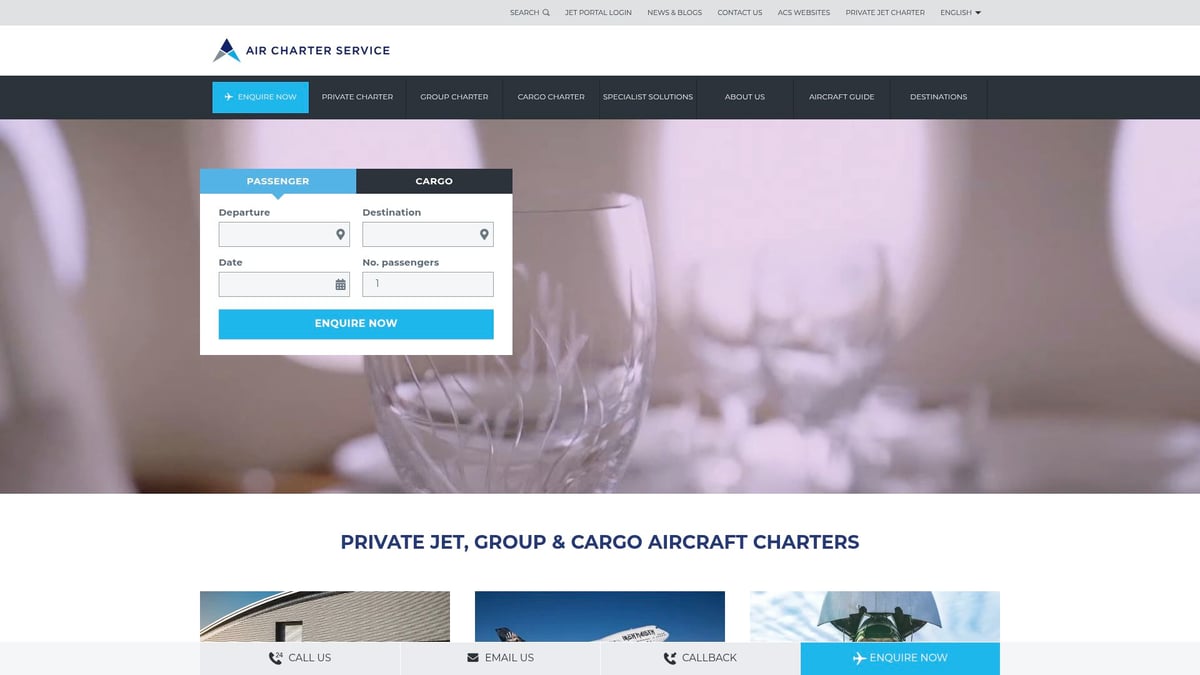
The charter airline’s strength lies in its global offices and 24/7 support, ensuring rapid response and tailored service. ACS is ideal for corporates, event organisers, and VIP clients who require flexibility and expert guidance.
Pros:
Cons:
A standout example is ACS orchestrating multi-aircraft charter airline solutions for major sporting events, handling complex logistics with ease.
Flexjet has emerged as a premier charter airline for those seeking both luxury and sustainability. Clients can choose from fractional ownership, lease, or jet card programmes, with entry points from around £120,000. The fleet features premium aircraft like Embraer and Gulfstream, with the Red Label programme offering custom interiors and dedicated crews.

Flexjet’s charter airline model emphasises exclusive terminals, high service standards, and a commitment to sustainability, including green initiatives and carbon offsetting. Frequent business travellers and discerning luxury clients are the core audience.
Pros:
Cons:
A notable example is Flexjet’s Red Label, providing a unique, tailored in-flight experience that sets this charter airline apart from competitors.
Jet Linx distinguishes itself as a membership-based charter airline with a local touch. Pricing varies by location but generally ranges from £4,000 to £8,000 per hour. The company operates private terminals at base locations, offering members exclusive lounges, local customer service teams, and guaranteed aircraft availability.
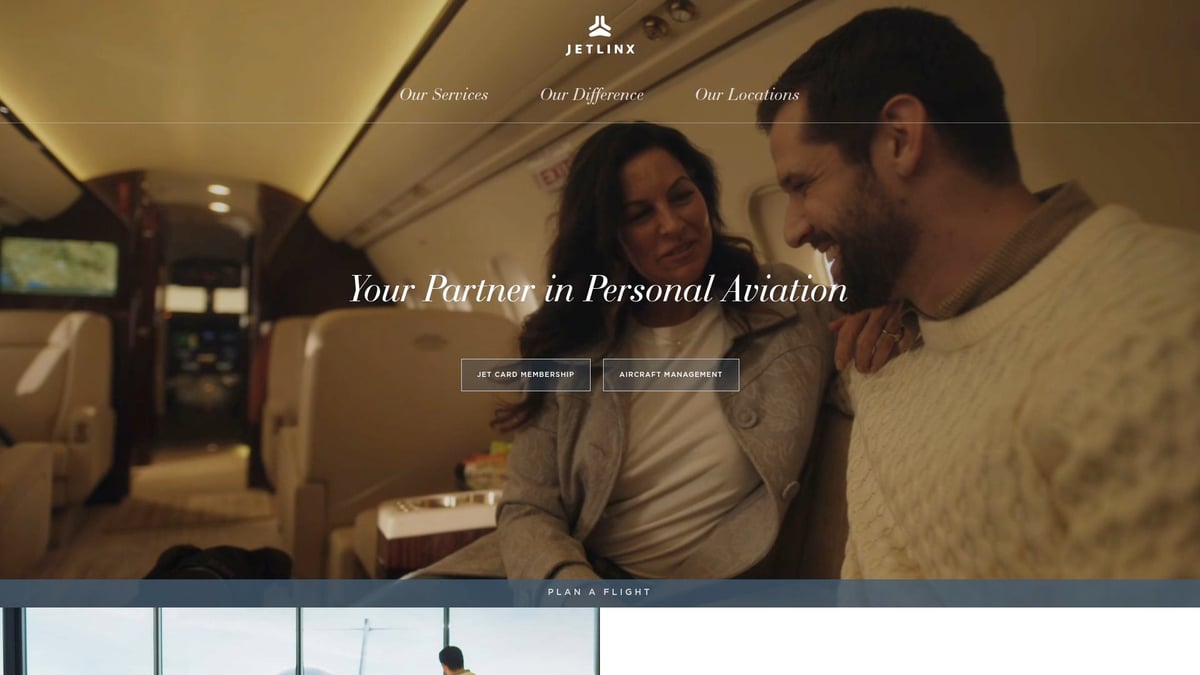
Jet Linx is the charter airline of choice for regional US travellers, family groups, and business teams who value community-driven service and convenience. The private terminal model creates a club-like environment and fosters strong client loyalty.
Pros:
Cons:
An example of Jet Linx’s impact is the enhancement of client convenience and loyalty through its local base model, making it a standout among charter airline options for domestic US travel.
GlobeAir is Europe’s specialist charter airline for short-haul travel, operating the largest fleet of Citation Mustang jets. Pricing is dynamic, with short hops starting at €2,990 per flight. The company’s focus is on efficiency, competitive pricing, and rapid booking, making it ideal for business travellers and SMEs.

This charter airline offers pan-European coverage, sustainable initiatives, and a streamlined booking process. While limited to small jets and short to medium-haul routes, GlobeAir excels in servicing key business hubs and providing agile solutions for last-minute flights.
Pros:
Cons:
A typical scenario is a business executive relying on GlobeAir’s charter airline for quick, efficient flights between European cities, with minimal lead time required.
Choosing the right charter airline in 2026 means balancing luxury, flexibility, and value. With so many options, understanding how each charter airline compares is crucial for making an informed choice. This section explores features, pricing, and real-world use cases to help every traveller find their ideal fit.
Below is a comparative table summarising each leading charter airline across core criteria:
| Airline | Fleet Size | Pricing Model | Global Reach | Unique Offerings |
|---|---|---|---|---|
| NetJets | 800+ | Fractional, Card | Worldwide | Exclusive lounges |
| VistaJet | 90+ | Membership, On-demand | Worldwide | Curated experiences |
| XO | 350+ (network) | On-demand, Membership | Global | App-based booking |
| Air Charter Service | 50+ (broker) | Custom Quotes | Global | Event logistics |
| Flexjet | 150+ | Fractional, Card | US, Europe | Red Label interiors |
| Jet Linx | 100+ | Membership | US | Local base terminals |
| GlobeAir | 20+ | On-demand | Europe | Rapid short-haul |
Key features to compare when selecting a charter airline:
Every charter airline is tailored to particular traveller needs. For business executives, NetJets and Flexjet offer reliability and global coverage, making them ideal for transatlantic meetings. Families or small groups may prefer Jet Linx for its personalised, local service and private terminals, providing convenience and privacy during US travel.
For short-notice European trips, GlobeAir’s dynamic pricing and rapid response suit SMEs and business travellers seeking efficiency. VistaJet’s curated in-flight experiences and global reach appeal to luxury tourists and corporate groups who value consistency and exclusivity.
Consider a scenario: An executive needs a last-minute flight from London to New York. NetJets, with its extensive fleet and 24/7 availability, offers seamless booking and departure. In contrast, a family planning a European weekend escape might choose GlobeAir for its competitive pricing and specialist short-haul service.
Evaluating value among leading charter airline choices involves more than comparing hourly rates. Factors such as service consistency, fleet quality, digital convenience, and sustainability initiatives all impact the overall experience.
Recent market reports, such as the Private Jet Charter Services Market Report, highlight high client satisfaction scores and growing repeat booking rates for operators with strong reputations and transparent pricing.
Membership models, while offering guaranteed availability and premium perks, often come with higher upfront costs. On-demand options, as detailed in resources like Why choose air cargo charter, provide flexibility for infrequent flyers but may result in less predictable pricing.
When comparing a charter airline for long-haul versus short-haul trips, it is vital to weigh convenience, customisation, and cost. Safety records, client testimonials, and accreditations should always be reviewed to ensure peace of mind.
The charter airline industry is entering a transformative era. Innovations in technology, sustainability, and customer service are redefining what private travel means for clients worldwide. As demand for tailored, efficient, and eco-friendly solutions accelerates, these trends are shaping the future landscape of charter airline services.
AI and automation are revolutionising the way clients interact with a charter airline. Intelligent booking engines now predict traveller preferences, suggest optimal routes, and streamline scheduling. Automated trip management tools track real-time flight status and provide instant updates. According to Business Aircraft Market Analysis and Trends, AI-driven fleet management is improving efficiency, reducing downtime, and enhancing safety. This technology empowers operators to offer seamless, responsive experiences that set new standards for the sector.
Sustainability is at the heart of charter airline evolution. Operators are investing in carbon offset programmes, sustainable aviation fuels (SAF), and lightweight aircraft to shrink their environmental footprint. Electric and hybrid aircraft prototypes are being trialled for short-haul routes, signalling a shift towards greener skies. These initiatives not only address regulatory demands but also appeal to eco-conscious travellers seeking responsible luxury.
Personalisation is redefining the charter airline experience. Tailored itineraries, in-flight dining curated to personal tastes, and bespoke concierge services are now standard for discerning travellers. Enhanced loyalty programmes reward frequent flyers with exclusive benefits, while digital profiles allow airlines to anticipate needs and preferences. This focus on customisation ensures every journey feels unique and memorable.
Charter airline growth is accelerating in new regions, especially Asia-Pacific and the Middle East. Rising affluence, increased business activity, and improved airport infrastructure are fuelling demand. Local operators are expanding fleets and partnering with global brands to offer world-class service. This shift brings a broader range of destinations and more flexible travel options to a diverse international clientele.
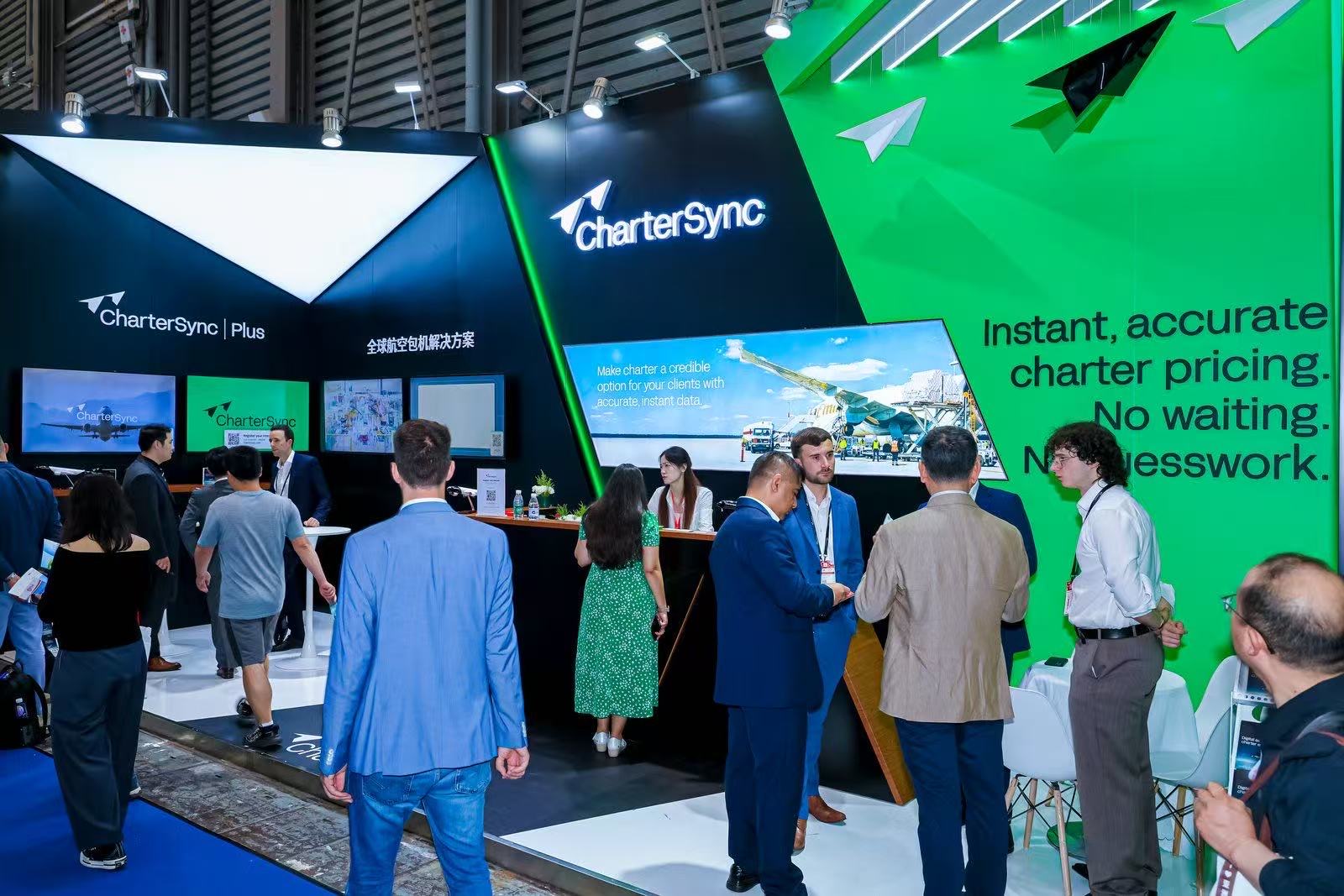
Digital platforms are making charter airline services more accessible than ever before. App-based booking, real-time pricing, and instant customer support enable clients to arrange flights with just a few taps. Industry leaders showcased these innovations at CharterSync at Manifest 2026, highlighting how digital transformation is democratising private aviation. Enhanced transparency and ease of use are attracting new market segments who value speed and convenience.
By 2030, the charter airline industry is expected to see widespread adoption of electric and hybrid aircraft, especially for short-haul journeys. AI will further personalise every aspect of the travel experience, while sustainability will remain a core focus. Case studies of airlines piloting these new aircraft types show promising results, with quieter flights and lower emissions. The next decade will likely bring even more innovation, setting the stage for a smarter, greener, and more client-focused charter airline market.
As you explore the top charter airline choices for private travel in 2026, it becomes clear how much technology and tailored service can transform your experience. If you are curious about how intelligent automation and expert support can streamline your own air cargo charters—whether for business or unique industry needs—why not see it in action? You can discover how fast, reliable, and seamless the process can be by taking the next step to request a demo. Experience firsthand how modern solutions make private aviation simpler and more efficient for you.
.png)